Understanding the Intersection of Industrial Fans and Lighting Systems
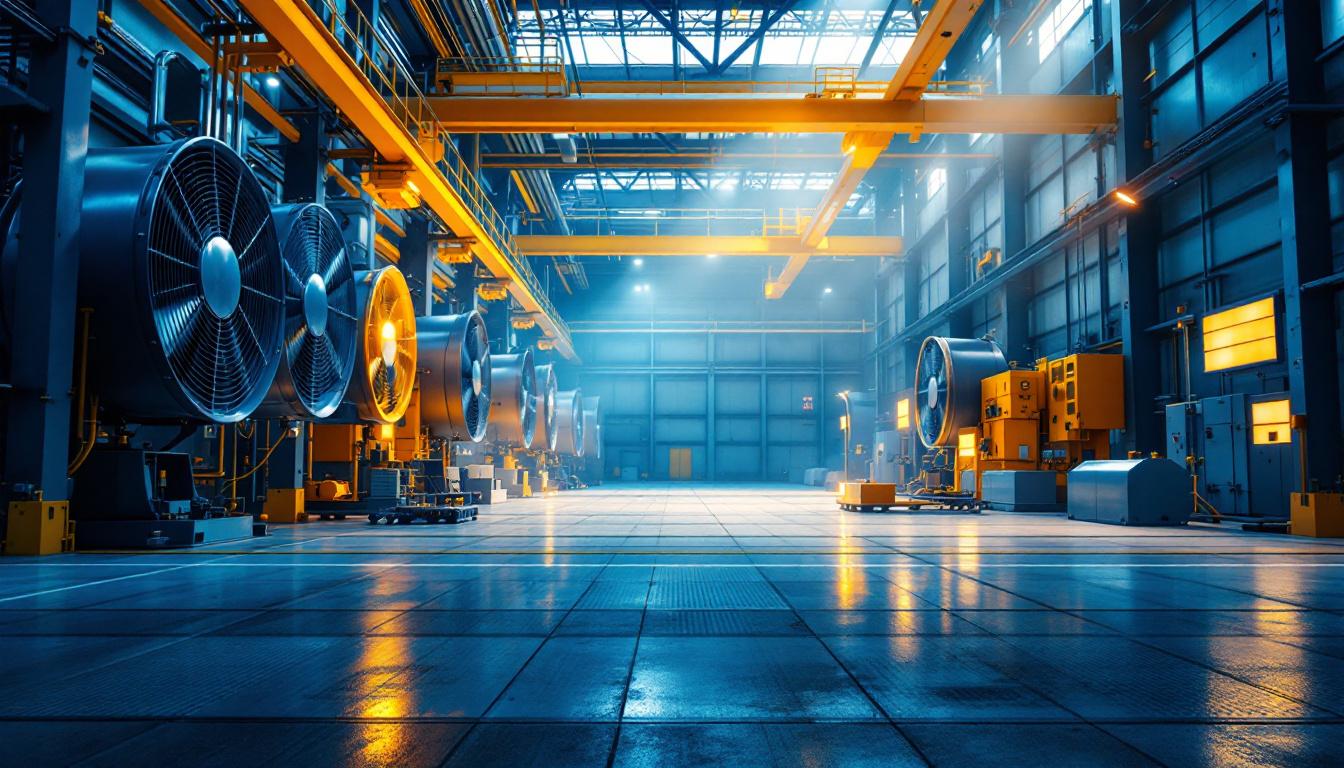
Industrial environments demand robust solutions that address multiple operational needs simultaneously. Among these, lighting and ventilation are critical components that directly influence worker safety, productivity, and energy efficiency. Industrial-sized fans, often overlooked in lighting projects, play a pivotal role in shaping the overall environment in which lighting systems operate.
Lighting contractors must appreciate how industrial fans affect heat distribution, air quality, and even the longevity of lighting fixtures. For example, large fans help dissipate heat generated by high-intensity lighting, reducing the risk of premature fixture failure. This synergy between ventilation and lighting is essential for creating sustainable, future-proof industrial spaces.
The Role of Industrial Fans in Heat Management
High-powered lighting systems, such as metal halide or LED arrays, emit considerable heat during operation. Without adequate airflow, this heat accumulates, potentially causing thermal stress on electrical components and reducing fixture lifespan. Industrial fans facilitate air circulation, maintaining optimal temperatures and preventing hotspots.
Moreover, consistent airflow can improve the comfort of workers, indirectly enhancing productivity and safety. Lighting contractors who integrate fan systems into their project designs can offer clients a more comprehensive solution that addresses both illumination and climate control.
In addition to heat management, industrial fans also play a crucial role in maintaining air quality within workspaces. In environments where dust, fumes, or other pollutants are prevalent, proper ventilation becomes essential. Fans help to expel stale air and bring in fresh air, thereby reducing the concentration of harmful particles. This not only contributes to a healthier work environment but also ensures that lighting fixtures remain clean and free from contaminants that could obstruct light output.
Furthermore, the integration of smart technology in both lighting and fan systems is becoming increasingly popular. With advancements in automation, industrial fans can be programmed to operate in conjunction with lighting systems, adjusting airflow based on the intensity of light or the presence of workers. This not only maximizes energy efficiency but also creates a dynamic environment that adapts to the specific needs of the workspace, enhancing both comfort and operational effectiveness.
Key Considerations for Integrating Industrial Fans in Lighting Projects
Successful integration of industrial fans with lighting systems requires a thoughtful approach that balances functionality, energy consumption, and maintenance. Contractors must evaluate several factors to ensure their projects remain viable and efficient over time.
Energy Efficiency and Operational Costs
Energy consumption is a primary concern in industrial settings. Fans and lighting together can represent a significant portion of a facility’s electricity usage. Selecting energy-efficient fans, such as those with variable speed drives, can optimize airflow based on real-time needs, reducing unnecessary power draw.
Similarly, pairing these fans with LED lighting systems, which consume less energy and produce less heat, creates a synergistic effect that lowers overall operational costs. Lighting contractors should advocate for integrated solutions that prioritize energy efficiency to future-proof their projects against rising energy prices and stricter regulations.
Compatibility and Control Systems
Modern industrial fans often come equipped with smart controls that can be synchronized with lighting management systems. This integration allows for automated adjustments based on occupancy, ambient light levels, or temperature changes, enhancing both comfort and energy savings.
For example, when natural daylight is sufficient, lighting intensity can be reduced while fans adjust airflow to maintain comfort. Conversely, during peak operational hours, both systems can ramp up to optimize working conditions. Lighting contractors should collaborate with HVAC and automation specialists to design seamless control strategies that maximize the benefits of these technologies.
Installation and Maintenance Challenges
Installing industrial fans alongside lighting fixtures requires careful planning to avoid interference and ensure safety. Fans must be positioned to optimize airflow without obstructing light distribution or creating shadows that impair visibility. Additionally, maintenance access must be considered to facilitate routine cleaning and repairs without disrupting operations.
Contractors should specify durable materials and finishes for both fans and lighting fixtures to withstand harsh industrial environments, including exposure to dust, moisture, and chemicals. Proactive maintenance plans that include regular inspections and cleaning schedules will extend the lifespan of both systems and minimize downtime.
Emerging Trends Shaping the Future of Industrial Fan and Lighting Integration
Technological advancements and evolving industry standards are driving innovation in how industrial fans and lighting systems are designed and deployed. Staying informed about these trends enables lighting contractors to deliver cutting-edge solutions that remain relevant and effective for years to come.
IoT and Smart Building Technologies
The Internet of Things (IoT) is revolutionizing industrial facility management by enabling interconnected devices to communicate and optimize performance autonomously. Industrial fans and lighting systems equipped with sensors and network connectivity can collect data on usage patterns, environmental conditions, and equipment health.
This data empowers facility managers to make informed decisions, such as adjusting fan speeds or lighting levels based on occupancy or ambient conditions, thereby reducing waste and improving comfort. Lighting contractors who incorporate IoT-compatible equipment position their projects at the forefront of smart building technology, enhancing their value proposition.
Advanced Materials and Design Innovations
New materials and design techniques are enhancing the efficiency and durability of industrial fans and lighting fixtures. For instance, aerodynamic fan blade designs reduce noise and increase airflow efficiency, while LED lighting advancements offer higher lumen output with lower heat generation.
These innovations contribute to more sustainable industrial environments by minimizing energy consumption and maintenance requirements. Lighting contractors should prioritize products that leverage these advancements to future-proof their installations and meet increasingly stringent environmental standards.
Regulatory Developments and Sustainability Goals
Governments and industry bodies worldwide are implementing stricter regulations aimed at reducing energy consumption and carbon emissions in industrial facilities. Compliance with these standards often necessitates upgrading to energy-efficient lighting and ventilation systems.
Furthermore, many companies are adopting sustainability goals that prioritize green building practices. Lighting contractors who proactively incorporate industrial fans and lighting solutions that meet or exceed these requirements help clients avoid costly retrofits and demonstrate corporate responsibility.
Best Practices for Lighting Contractors to Future-Proof Projects with Industrial Fans
Future-proofing lighting projects involves strategic planning, collaboration, and continuous learning. Contractors who adopt best practices can deliver resilient, efficient, and adaptable solutions that stand the test of time.
Comprehensive Needs Assessment
Begin each project with a thorough assessment of the client’s operational requirements, environmental conditions, and long-term goals. Understanding factors such as facility layout, workflow patterns, and energy budgets informs the selection and placement of both lighting and fan systems.
This holistic approach ensures that solutions are tailored to the unique challenges of each industrial setting, maximizing effectiveness and client satisfaction.
Collaborative Design and Engineering
Engage with mechanical engineers, HVAC specialists, and automation experts early in the design process. Collaborative planning facilitates the integration of industrial fans and lighting systems, optimizing performance and minimizing conflicts.
Utilizing Building Information Modeling (BIM) and other digital tools can enhance coordination, allowing stakeholders to visualize and adjust designs before installation.
Specification of High-Quality, Scalable Equipment
Select equipment from reputable manufacturers that offer proven reliability and support. Prioritize modular and scalable products that can accommodate future expansions or technology upgrades without extensive replacement.
Investing in quality upfront reduces lifecycle costs and ensures that the project remains adaptable to evolving industrial demands.
Implementation of Smart Controls and Automation
Incorporate control systems that enable dynamic adjustment of lighting and fan operation. Automation not only improves energy efficiency but also enhances worker comfort and safety by responding to real-time conditions.
Training clients on the use and benefits of these systems fosters greater adoption and maximizes return on investment.
Ongoing Maintenance and Performance Monitoring
Establish maintenance schedules and performance monitoring protocols to detect issues early and maintain optimal operation. Remote monitoring technologies can alert facility managers to anomalies, enabling proactive interventions.
Providing clients with maintenance support or partnerships ensures sustained system performance and client satisfaction.
Case Studies Demonstrating Successful Integration
Examining real-world examples illustrates the tangible benefits of integrating industrial fans with lighting projects and highlights practical strategies for contractors.
Warehouse Lighting and Ventilation Upgrade
A large distribution center undertook a retrofit to replace outdated metal halide lighting with LED fixtures and installed industrial ceiling fans equipped with variable speed drives. The fans improved air circulation, reducing temperature stratification and enhancing worker comfort.
The integrated control system adjusted lighting and fan speeds based on occupancy and ambient conditions, resulting in a 30% reduction in energy consumption. The project not only lowered operational costs but also improved the facility’s environmental footprint.
Manufacturing Facility Smart Controls Implementation
An automotive parts manufacturer integrated IoT-enabled industrial fans and LED lighting with a centralized building management system. Sensors monitored air quality, temperature, and light levels, enabling automated adjustments that optimized working conditions.
This integration led to a 25% decrease in energy use and a significant reduction in maintenance downtime due to predictive alerts. The project demonstrated how smart technology can future-proof industrial environments against evolving operational demands.
Conclusion: Embracing a Holistic Approach to Industrial Lighting Projects
Future-proofing industrial lighting projects requires more than selecting the latest fixtures; it demands a comprehensive strategy that incorporates ventilation, energy management, and smart technologies. Industrial-sized fans are a critical component in this equation, enhancing heat management, air quality, and overall system efficiency.
Lighting contractors who understand and leverage the interplay between fans and lighting can deliver solutions that meet current needs while anticipating future challenges. By prioritizing energy efficiency, interoperability, and maintainability, contractors position themselves as trusted partners in creating sustainable, high-performance industrial facilities.
Ultimately, the integration of industrial fans into lighting projects represents an opportunity to innovate and add value, ensuring that installations remain relevant and effective in an ever-changing industrial landscape.
Illuminate Your Projects with LumenWholesale
Ready to elevate your industrial lighting projects with solutions that promise efficiency, durability, and cutting-edge technology? Look no further than LumenWholesale. Our commitment to providing spec-grade lighting products at unbeatable wholesale prices ensures that your installations not only meet but exceed industry standards. Say goodbye to inflated markups and hello to a vast selection of reliable lighting options, all with the convenience of free shipping. Don’t let hidden fees dim your project’s potential. Choose LumenWholesale for the best value in lighting solutions. Wholesale Lighting at the Best Value.