Understanding Can Lights: A Foundation for Lighting Contractors
Can lights, also known as recessed lights or downlights, have become a staple in modern lighting design due to their sleek appearance and functional versatility. For lighting contractors, mastering the installation and selection of can lights is essential to delivering high-quality results that meet client expectations and industry standards.
These fixtures are installed flush with the ceiling, providing a clean, unobtrusive source of illumination ideal for both residential and commercial spaces. Their popularity stems from their ability to create ambient, task, or accent lighting without compromising ceiling aesthetics. In residential settings, can lights can enhance the overall ambiance of a room, making it feel more spacious and inviting. In commercial environments, they can be strategically placed to highlight merchandise or create a welcoming atmosphere for customers.
Before delving into the practical tips and visual examples, it’s important to understand the basic components of can lights: the housing, trim, and bulb. Each element plays a critical role in the fixture’s performance, energy efficiency, and overall look. The housing, which is the part that is installed into the ceiling, comes in various sizes and shapes, allowing for flexibility in design. The trim, which is the visible part of the fixture, can be customized in different finishes and styles to match the decor of the space. Lastly, the bulb type—whether LED, incandescent, or fluorescent—affects not only the quality of light produced but also the energy consumption and longevity of the fixture.
In addition to these components, understanding the different types of can lights available is crucial for lighting contractors. For instance, adjustable can lights can be tilted to direct light where it is needed most, making them ideal for highlighting artwork or architectural features. Meanwhile, wet-rated can lights are designed for use in areas exposed to moisture, such as bathrooms or outdoor spaces, ensuring safety and durability. Furthermore, the advent of smart technology has introduced options for can lights that can be controlled via mobile apps or voice commands, allowing for even greater customization and convenience in lighting design.
Choosing the Right Can Lights: Factors Lighting Contractors Must Consider
Housing Types and Installation Environments
Can light housings come in various types designed for specific ceiling constructions and environments. For example, new construction housings are intended for installations where the ceiling is open during construction, allowing for secure mounting. Remodel housings, on the other hand, are designed to fit into existing ceilings without major demolition.
Lighting contractors must also consider whether the fixture is rated for damp or wet locations, especially when installing in kitchens, bathrooms, or outdoor soffits. Using the correct housing ensures compliance with safety codes and extends the fixture’s lifespan. Furthermore, insulation contact (IC) rated housings are essential in areas where insulation is present, as they prevent overheating and potential fire hazards. This consideration is particularly important in energy-efficient homes where insulation is tightly packed around fixtures.
Another factor to keep in mind is the ceiling height and type. For instance, in spaces with vaulted ceilings, contractors may need to use specialized housings that accommodate the angle and height, ensuring optimal light distribution. Additionally, understanding the local building codes and regulations regarding can light installations can prevent costly rework and ensure a safe and compliant installation.
Trim Styles and Their Impact on Aesthetics and Functionality
The trim is the visible part of the can light and significantly influences both the fixture’s appearance and light distribution. Common trim styles include baffle, reflector, eyeball, and adjustable trims. Baffle trims reduce glare, making them ideal for living rooms and bedrooms, while reflector trims maximize light output for task-oriented areas like kitchens and offices.
Adjustable trims provide directional lighting, perfect for highlighting artwork or architectural features. Selecting the appropriate trim style is crucial for achieving the desired lighting effect and enhancing the space’s ambiance. Additionally, the finish of the trim—whether it’s matte, polished, or painted—can dramatically affect the overall aesthetic of the room. For instance, a sleek, polished trim can add a modern touch, while a matte finish may lend a more subdued, classic feel. Contractors should also consider how the trim color interacts with the surrounding decor and architectural elements, ensuring a cohesive design.
Moreover, the depth and angle of the trim can influence how light is dispersed throughout a room. Trims that are deeper can help to reduce glare and create a more even light distribution, making them suitable for spaces where comfort is key. In contrast, shallower trims may be better for focused lighting, such as in reading nooks or workspaces. Understanding these nuances allows contractors to tailor their choices to the specific needs of each project.
Bulb Selection: Efficiency and Light Quality
With advancements in lighting technology, LED bulbs have become the preferred choice for can lights due to their energy efficiency, longevity, and color rendering capabilities. Lighting contractors should recommend bulbs with appropriate color temperatures—ranging from warm white (2700K) for cozy environments to daylight (5000K) for workspaces.
Additionally, dimmable LED bulbs offer clients greater control over light intensity, contributing to energy savings and personalized comfort. Understanding the compatibility of bulbs with dimmer switches and housings is essential to avoid flickering or reduced bulb life. It’s also worth noting that not all LED bulbs are created equal; some may have a higher color rendering index (CRI), which is crucial for spaces where accurate color perception is important, such as in art studios or retail environments.
Contractors should also stay informed about the latest trends in smart lighting technology, which allows for remote control and automation of lighting systems. Integrating smart LED bulbs with can lights can enhance convenience and energy efficiency, enabling users to adjust lighting settings based on their daily routines or preferences. This not only adds a modern touch to the home but also aligns with the growing demand for energy-efficient and customizable lighting solutions.
Installation Best Practices: Ensuring Safety and Performance
Precise Placement and Spacing
Proper placement of can lights is critical to avoid uneven lighting or unwanted shadows. A general rule of thumb is to space fixtures approximately 4 to 6 feet apart, depending on ceiling height and the desired lighting effect. For example, higher ceilings may require wider spacing or higher wattage bulbs to maintain adequate illumination.
Lighting contractors should also consider the room’s layout, furniture placement, and natural light sources to optimize fixture positioning. Utilizing lighting design software or detailed plans can help visualize the final outcome and prevent costly adjustments.
Electrical Considerations and Code Compliance
Ensuring that electrical wiring meets local codes and standards is paramount for safety and functionality. Contractors must verify that circuits can handle the load of the new fixtures and that junction boxes are accessible and properly rated.
In many jurisdictions, can light housings must be airtight or IC-rated (Insulation Contact) to prevent heat buildup and energy loss. Proper insulation around the fixtures reduces the risk of fire hazards and improves the building’s energy efficiency.
Sealing and Insulation Techniques
To maximize energy efficiency and prevent drafts, lighting contractors should employ sealing techniques around can lights. Using gaskets or caulking around the trim and housing helps create an airtight barrier between conditioned and unconditioned spaces.
When installing in insulated ceilings, IC-rated housings allow direct contact with insulation without compromising safety. This consideration is especially important in climates with significant temperature variations, where heat loss or gain through ceiling penetrations can impact HVAC performance.
Visual Examples: Leveraging Images to Enhance Client Communication and Project Planning
Using Images to Demonstrate Lighting Effects
High-quality images of can lights in various settings serve as powerful tools for lighting contractors to communicate design concepts with clients. Visual examples can illustrate how different trim styles and bulb temperatures affect the ambiance of a room, helping clients make informed decisions.
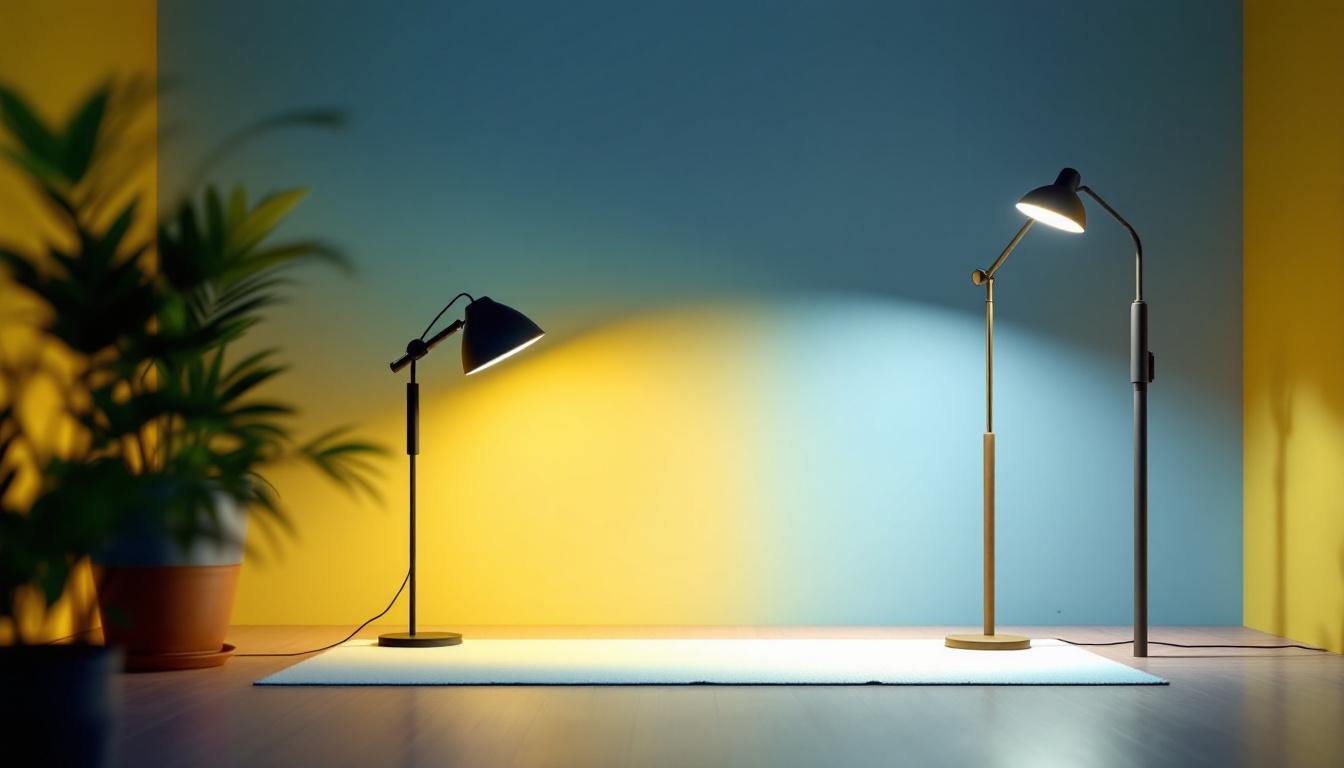
For instance, side-by-side images showing a room with warm white versus cool white lighting can clarify preferences that words alone might not convey. Similarly, photos highlighting adjustable trims directing light onto artwork or architectural details can inspire creative lighting solutions.
Documenting Installation Quality and Troubleshooting
Contractors can use images to document proper installation techniques, ensuring consistency across projects and providing evidence of compliance with industry standards. Photographs of securely mounted housings, neat wiring, and correctly sealed trims can be valuable for quality assurance and client records.
Additionally, images capturing common installation issues—such as gaps around trims, improper spacing, or incompatible bulb use—can serve as educational references for training or client discussions.
Incorporating Images into Proposals and Marketing
Including compelling images of completed can light installations in proposals can enhance professionalism and client confidence. Visual proof of craftsmanship and design expertise often influences decision-making and can differentiate contractors in competitive markets.
Marketing materials featuring before-and-after photos or project galleries showcasing diverse lighting applications can attract new clients and demonstrate a contractor’s versatility and attention to detail.
Advanced Tips for Lighting Contractors: Beyond Basic Installation
Integrating Smart Lighting Controls
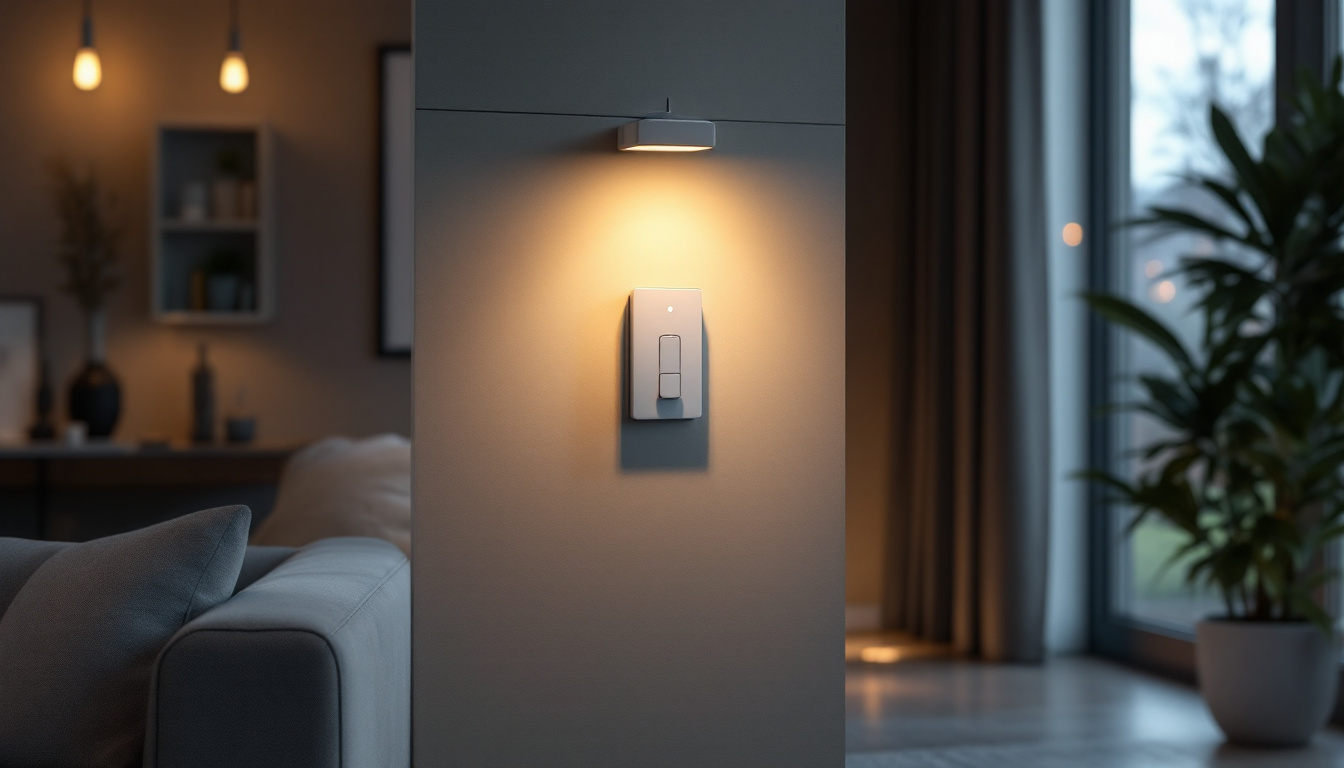
The rise of smart home technology has transformed lighting systems, offering clients unprecedented control and customization. Lighting contractors should familiarize themselves with smart dimmers, motion sensors, and voice-activated controls compatible with can lights.
Integrating these technologies not only enhances user experience but also promotes energy efficiency by enabling automated scheduling and adaptive lighting based on occupancy or natural light levels.
Energy Codes and Sustainability Considerations
Many regions have adopted stringent energy codes that impact lighting design and fixture selection. Lighting contractors must stay informed about these regulations to ensure compliance and avoid costly rework.
Recommending ENERGY STAR-certified can lights and LED bulbs can help clients reduce energy consumption and qualify for rebates or incentives. Emphasizing sustainability aligns with growing consumer demand for environmentally responsible building practices.
Customizing Lighting for Unique Spaces
Every project presents unique challenges and opportunities. Lighting contractors should assess architectural features, ceiling types, and client needs to tailor can light solutions accordingly.
For example, in spaces with vaulted ceilings, specialized housings or adjustable trims may be necessary to achieve uniform lighting. In historic buildings, contractors might need to balance modern lighting technology with preservation requirements.
Conclusion: Elevating Your Can Light Installations Through Expertise and Visual Communication
Mastering the nuances of can light selection, installation, and client communication empowers lighting contractors to deliver superior results that enhance both aesthetics and functionality. Understanding the technical specifications, adhering to best practices, and utilizing images effectively can elevate project outcomes and client satisfaction.
By staying current with industry trends, embracing technological advancements, and leveraging visual tools, lighting contractors can position themselves as trusted experts in the competitive lighting market. Ultimately, the thoughtful integration of can lights transforms spaces, creating environments that are both beautiful and practical.
Get Your Premium Can Lights at LumenWholesale
Ready to take your lighting projects to the next level? LumenWholesale is here to support your journey towards becoming a trusted expert in can light installations. With our spec-grade lighting products, you can ensure every installation shines with reliability and performance. Say goodbye to inflated markups and hello to unbeatable wholesale prices, plus enjoy the convenience of free shipping on bulk orders. Elevate your lighting solutions today and give your clients the quality they deserve. Discover the value and quality that only LumenWholesale can offer. Wholesale Lighting at the Best Value.