Understanding Lumens: The Foundation of Lighting Efficiency
For lighting contractors, mastering the concept of lumens is essential to delivering high-quality, energy-efficient lighting solutions. Lumens measure the total amount of visible light emitted by a source, which directly correlates to how bright a light appears to the human eye. Unlike watts—which indicate energy consumption—lumens provide a more accurate assessment of a bulb’s brightness and performance.
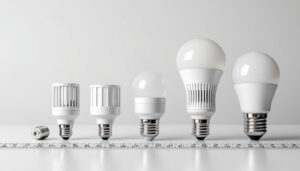
Recognizing the difference between lumens and watts is crucial. Historically, lighting choices were based on wattage, with higher watts assumed to mean brighter light. However, advancements in lighting technology, particularly with LEDs, have decoupled brightness from power consumption. A 10-watt LED bulb can produce the same lumens as a 60-watt incandescent bulb, making lumens the more reliable metric for assessing lighting quality and efficiency.
For contractors, understanding lumens allows precise control over lighting design, ensuring that spaces are adequately illuminated without wasting energy. This knowledge is the foundation for creating lighting plans that meet client expectations while optimizing operational costs.
Moreover, the application of lumens extends beyond mere brightness; it plays a pivotal role in enhancing the ambiance and functionality of various environments. For instance, in commercial settings, the right lumen output can significantly influence employee productivity and mood. Studies have shown that well-lit workspaces can lead to improved focus and reduced eye strain, ultimately contributing to a more efficient workforce. Similarly, in residential spaces, understanding the appropriate lumen levels for different rooms can create inviting atmospheres, whether it’s the soft glow of a living room or the bright illumination needed in a kitchen.
Additionally, as energy efficiency becomes increasingly paramount in today’s world, the concept of lumens per watt (lm/W) has gained traction. This metric helps contractors evaluate the efficacy of lighting products, guiding them towards options that not only provide ample illumination but also minimize energy consumption. By prioritizing high lm/W ratios, contractors can recommend lighting solutions that align with sustainability goals, appealing to environmentally conscious clients and contributing to a greener future. This holistic approach to lighting design not only enhances the aesthetic appeal of spaces but also fosters a commitment to responsible energy use.
How to Calculate Lumens for Various Lighting Applications
Determining Required Lumens for Different Spaces
One of the first steps in any lighting project is to determine how many lumens are needed for a specific area. This depends on the function of the space, the size of the area, and the desired lighting level. The Illuminating Engineering Society (IES) provides recommended lumen levels for various environments, such as offices, retail stores, warehouses, and residential spaces.
For example, general office lighting typically requires between 3,000 to 6,000 lumens per 100 square feet, while a retail space might need 5,000 to 10,000 lumens to highlight products effectively. Lighting contractors should assess the purpose of the space and consult these guidelines to establish a baseline lumen requirement. Additionally, factors such as the color of the walls and the height of the ceilings can influence the perceived brightness of a room. Lighter colors tend to reflect more light, potentially reducing the total lumens needed, while darker colors may absorb light, necessitating a higher lumen output to achieve the same effect.
Using the Lumen Method for Lighting Design
The lumen method is a widely used approach to calculate the total lumens needed for a room. This method involves multiplying the area of the space by the recommended foot-candle level (a measure of light intensity on a surface). Since one foot-candle equals one lumen per square foot, the formula is straightforward:
Total Lumens Required = Area (sq. ft.) × Foot-Candle Level
For instance, a 500-square-foot conference room requiring 50 foot-candles would need 25,000 lumens in total. Contractors can then select fixtures and bulbs that collectively provide this lumen output, ensuring the space is adequately illuminated. It’s also beneficial to consider the type of activities that will occur in the space. For example, a conference room may require adjustable lighting options for presentations or video conferencing, which can further influence the choice of fixtures and their placement to minimize shadows and glare.
Adjusting for Fixture Efficiency and Light Loss Factors
It’s important to note that not all lumens emitted by a bulb reach the intended surface due to factors such as fixture design, lamp aging, dirt accumulation, and room reflectance. Lighting contractors should apply a Light Loss Factor (LLF) to account for these inefficiencies. LLF typically ranges between 0.7 and 0.9, meaning 10% to 30% of light may be lost.
By dividing the required lumens by the LLF, contractors can determine the adjusted lumen output needed from fixtures. This ensures that the lighting design maintains its effectiveness over time, even as conditions change. Furthermore, understanding the specific light distribution patterns of different fixtures can aid in optimizing the layout. For instance, recessed lighting may provide a more focused beam, while pendant lights can create a broader wash of light, both of which can be strategically used to enhance the overall ambiance and functionality of the space. Regular maintenance and cleaning of fixtures can also play a crucial role in preserving their efficiency and ensuring that the intended lighting levels are consistently met.
Why Lumens Matter for Energy Efficiency and Cost Savings
Optimizing Brightness Without Overconsumption
Using lumens as the primary metric allows lighting contractors to optimize brightness levels precisely, avoiding over-lighting spaces. Over-lighting wastes energy and increases operational costs, while under-lighting can compromise safety and aesthetics. By targeting the appropriate lumen output, contractors can balance comfort and efficiency effectively.
For example, switching from traditional incandescent bulbs to LED fixtures with equivalent lumen output can reduce energy consumption by up to 80%. This transition not only lowers utility bills but also extends the lifespan of lighting installations, reducing maintenance costs and downtime.
Meeting Regulatory Standards and Client Expectations
Many building codes and energy standards now specify lighting requirements in terms of lumens and efficacy (lumens per watt). Lighting contractors who understand and apply these metrics can ensure compliance with regulations such as those from the Department of Energy (DOE) or local energy codes. This expertise also positions contractors as trusted advisors to clients seeking sustainable, cost-effective lighting solutions.
Clients increasingly demand lighting that reduces environmental impact without sacrificing performance. By emphasizing lumen-based design, contractors can deliver solutions that satisfy both regulatory mandates and client sustainability goals.
Tools and Techniques for Measuring and Verifying Lumens
Using Light Meters and Photometers
Accurate measurement of light levels on-site is essential for verifying that installed lighting meets design specifications. Light meters and photometers are standard tools that measure illuminance in foot-candles or lux (lumens per square meter). These devices help contractors assess whether the lighting distribution and intensity align with the planned lumen output.
Regular use of these tools during installation and maintenance phases ensures quality control and helps identify areas where adjustments may be necessary. For instance, if measurements reveal insufficient lighting in a workspace, additional fixtures or higher-lumen bulbs can be installed to meet requirements.
Leveraging Software for Lumen Calculations and Simulations
Advanced lighting design software enables contractors to simulate lumen distribution and lighting effects before installation. Programs like Dialux and Relux allow for detailed modeling of spaces, incorporating variables such as fixture placement, reflectance, and natural light sources.
These simulations provide visualizations of lumen coverage and intensity, helping contractors optimize designs for efficiency and aesthetics. By predicting lumen output accurately, contractors can minimize costly on-site adjustments and enhance client satisfaction.
Case Studies: Lumens Driving Efficiency in Real-World Projects
Commercial Office Retrofit
A commercial office building underwent a lighting retrofit aimed at reducing energy consumption while improving employee comfort. The original incandescent fixtures consumed significant power but produced inconsistent lighting. By calculating the exact lumen requirements for each workspace and replacing old bulbs with LED fixtures matched to those lumens, the contractor achieved a 60% reduction in energy use.
Additionally, the improved lumen uniformity reduced eye strain complaints and enhanced overall productivity. This case highlights how precise lumen calculation directly contributes to both efficiency and occupant well-being.
Warehouse Lighting Upgrade
In a large warehouse setting, lighting contractors faced the challenge of illuminating high ceilings and expansive floor areas efficiently. Using lumen calculations tailored to the warehouse’s operational needs, the contractor selected high-output LED fixtures with appropriate beam angles to maximize coverage.
The result was a 50% reduction in energy costs and improved visibility for workers, enhancing safety and operational efficiency. This project underscores the importance of lumen-focused design in industrial environments where lighting quality impacts both cost and safety.
Best Practices for Lighting Contractors to Maximize Lumen Efficiency
Prioritize Quality Over Quantity
Choosing fixtures and bulbs with high lumen efficacy (lumens per watt) ensures that every watt of energy consumed produces the maximum amount of light. Investing in quality LED products with proven lumen output and longevity pays off in the long term through reduced energy bills and maintenance.
Incorporate Controls and Smart Technologies
Integrating dimmers, occupancy sensors, and daylight harvesting systems allows dynamic control of lumen output based on actual needs. These technologies reduce unnecessary lighting, further enhancing efficiency without compromising functionality.
Educate Clients on Lumen Importance
Clients often focus on wattage or fixture aesthetics without understanding the significance of lumens. Lighting contractors who educate clients about lumen-based design can build trust and justify recommendations for energy-efficient solutions that may have higher upfront costs but deliver superior value.
Conclusion: Lumens as a Key to Lighting Efficiency and Contractor Success
For lighting contractors, mastering how to figure out lumens is more than a technical requirement—it is a strategic advantage. Understanding and applying lumen calculations enables precise lighting design, compliance with regulations, and delivery of energy-efficient solutions that meet client expectations.
By focusing on lumens rather than watts, contractors can optimize brightness, reduce energy consumption, and enhance the overall quality of lighting installations. Leveraging measurement tools, simulation software, and smart technologies further refines this process, positioning contractors at the forefront of sustainable lighting practices.
Ultimately, a deep knowledge of lumens empowers lighting contractors to create spaces that are well-lit, cost-effective, and environmentally responsible, ensuring long-term success in a competitive industry.
Illuminate Your Projects with LumenWholesale
Ready to harness the power of lumens for your lighting projects? At LumenWholesale, we provide lighting contractors with the high-quality, spec-grade lighting products you need at unbeatable wholesale prices. Say goodbye to local distributor markups and hello to our extensive selection that meets the highest industry standards. With free shipping on bulk orders, you can trust that you’re getting premium lighting at the best value — no hidden fees, no compromises. Elevate your lighting efficiency today and browse our collection at LumenWholesale for the perfect blend of quality, affordability, and convenience.