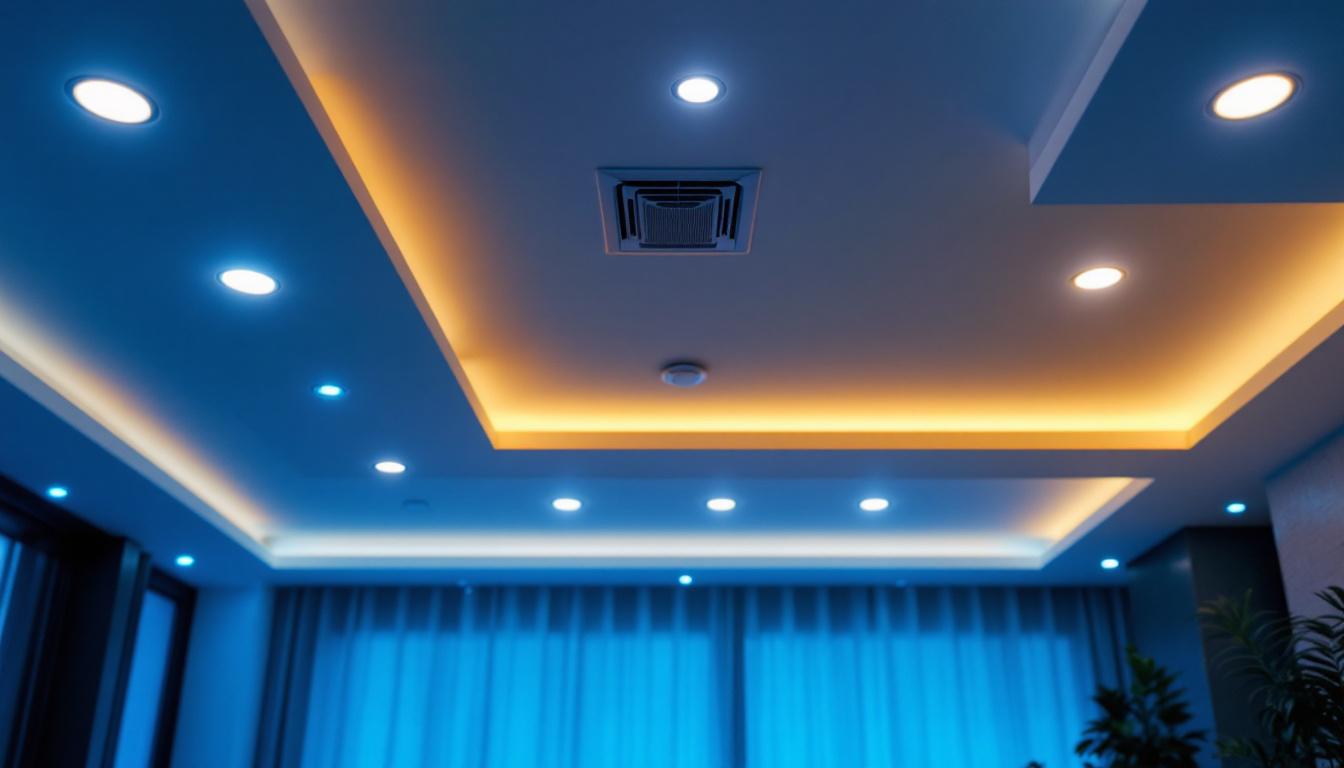
Lighting plays a crucial role in enhancing the aesthetics and functionality of any space. Among various lighting options, recessed lighting has gained significant popularity for its sleek design and versatility. However, for lighting contractors, understanding the costs associated with recessed lighting installation is essential for providing accurate estimates to clients and ensuring successful project execution. This article delves into the costs involved in recessed lighting and highlights its importance for lighting contractors.
Understanding Recessed Lighting
Recessed lighting, often referred to as can lighting or pot lighting, involves fixtures installed into the ceiling, creating a clean and unobtrusive look. These lights can be used to illuminate a room effectively while maintaining a minimalist aesthetic. The versatility of recessed lighting makes it suitable for various applications, including residential, commercial, and industrial spaces. Whether you are designing a cozy living room or a functional office space, recessed lighting can adapt to the specific requirements of each environment, providing a seamless integration that enhances the overall design.
One of the primary advantages of recessed lighting is its ability to provide ambient, task, or accent lighting, depending on the design and placement of the fixtures. This flexibility allows contractors to tailor lighting solutions to meet the specific needs of their clients, enhancing the overall appeal of the space. For instance, in a kitchen, recessed lights can be strategically placed above countertops for task lighting, while in a gallery, they can be used to highlight artwork, creating a dynamic visual experience that draws the eye.
Types of Recessed Lighting Fixtures
There are several types of recessed lighting fixtures available in the market, each serving different purposes. The most common types include:
- New Construction Fixtures: Designed for installation in new buildings or during major renovations, these fixtures require framing and are installed before drywall is put up.
- Remodeling Fixtures: Ideal for retrofitting existing spaces, these fixtures can be installed without extensive modifications to the ceiling.
- Adjustable Fixtures: These allow for directional lighting, making them perfect for highlighting artwork or specific areas in a room.
Benefits of Recessed Lighting
Recessed lighting offers numerous benefits that make it an attractive choice for both contractors and clients. Its unobtrusive design allows for a clean ceiling line, enhancing the overall aesthetic of a space. Additionally, recessed lights can be strategically placed to create layered lighting effects, improving the functionality of the area. This layering not only helps to eliminate harsh shadows but also adds depth and dimension to the room, making it feel more inviting and spacious.
Moreover, recessed lighting is energy-efficient, especially when using LED bulbs. This not only reduces energy costs for clients but also appeals to environmentally conscious consumers. As a contractor, promoting the energy efficiency of recessed lighting can be a significant selling point. Furthermore, advancements in smart lighting technology have made it possible to integrate recessed lights with home automation systems, allowing users to control brightness and color temperature through their smartphones or voice-activated devices. This level of control not only enhances convenience but also allows for customization of the lighting ambiance to suit different moods and occasions, further elevating the appeal of recessed lighting solutions.
Cost Factors for Recessed Lighting Installation
Understanding the various cost factors associated with recessed lighting installation is crucial for lighting contractors. The overall cost can vary based on several elements, including the type of fixtures, installation complexity, and additional features.
Fixture Costs
The cost of recessed lighting fixtures can range significantly based on their type and quality. Basic models may start at a lower price point, while high-end fixtures with advanced features can be considerably more expensive. On average, contractors can expect to pay anywhere from $15 to $200 per fixture, depending on the brand and specifications.
When selecting fixtures, it is essential to consider the long-term benefits of investing in higher-quality products. Premium fixtures often come with better warranties and durability, which can lead to fewer replacements and repairs over time. Moreover, the aesthetic appeal of high-end fixtures can enhance the overall design of a space, making them a worthwhile investment for clients looking to elevate their interiors.
Installation Costs
Installation costs can vary based on the complexity of the project. Factors such as the number of fixtures, the type of ceiling, and the accessibility of the installation area play a significant role in determining labor costs. On average, contractors may charge between $100 to $200 per fixture for installation, including labor and materials.
For projects involving new construction, additional costs may arise due to the need for framing and electrical work. In contrast, remodeling projects may incur fewer expenses, as they typically require less extensive modifications. Understanding these nuances can help contractors provide accurate estimates to clients. Additionally, it is important to factor in the time required for the installation process, as more intricate designs or layouts may extend the timeline, impacting labor costs and client satisfaction.
Additional Features and Considerations
Clients may request additional features, such as dimmer switches, smart home integration, or specialized lighting controls. These features can enhance the functionality of recessed lighting but will also increase the overall cost. Dimmers, for instance, can range from $10 to $100, depending on the model and capabilities.
Furthermore, contractors should consider the potential need for electrical upgrades, especially in older homes. Ensuring that the electrical system can handle the new fixtures is essential for safety and compliance with local codes. This may involve additional costs that should be factored into the overall estimate. Additionally, contractors should be prepared to discuss energy-efficient options, such as LED fixtures, which not only reduce electricity costs in the long run but may also qualify for local rebates or incentives, further enhancing the value proposition for clients.
Estimating Costs for Clients
Providing accurate cost estimates is vital for maintaining client trust and satisfaction. When estimating costs for recessed lighting installation, contractors should take a comprehensive approach that considers all relevant factors.
Creating a Detailed Proposal
A detailed proposal should outline all aspects of the project, including fixture costs, installation labor, and any additional features. Providing a breakdown of costs can help clients understand the value of the investment and make informed decisions.
Additionally, including a timeline for the project can set clear expectations for clients. Transparency in communication fosters trust and can lead to repeat business and referrals.
Offering Multiple Options
Clients often appreciate having options when it comes to lighting solutions. Providing a range of fixtures at different price points allows clients to choose according to their budget and preferences. This flexibility can enhance client satisfaction and make the contractor’s services more appealing.
Furthermore, showcasing the benefits of higher-end fixtures can encourage clients to invest in quality products that will provide long-term value.
Importance of Quality Installation
Quality installation is paramount when it comes to recessed lighting. Poorly installed fixtures can lead to various issues, including inadequate lighting, electrical hazards, and aesthetic concerns. For lighting contractors, ensuring a high standard of installation is essential for building a reputable business.
Safety Considerations
Safety should always be a top priority during installation. Contractors must adhere to local electrical codes and regulations to ensure that all work is compliant. This includes properly securing fixtures, using appropriate wiring, and ensuring that the electrical system can handle the load.
Additionally, contractors should educate clients on the importance of hiring qualified professionals for installation. This not only protects the clients but also enhances the contractor’s credibility in the industry.
Post-Installation Support
Offering post-installation support can set a contractor apart from the competition. Providing guidance on fixture maintenance, bulb replacement, and troubleshooting can enhance the client experience and foster long-term relationships.
Moreover, establishing a warranty or service agreement can provide clients with peace of mind, knowing that they have support should any issues arise after installation.
Marketing Recessed Lighting Services
In a competitive market, effectively marketing recessed lighting services is crucial for attracting clients. Highlighting the benefits of recessed lighting and showcasing successful projects can help contractors stand out.
Utilizing Digital Marketing Strategies
Digital marketing strategies, such as social media advertising and search engine optimization (SEO), can significantly enhance a contractor’s visibility. Sharing high-quality images of completed projects on platforms like Instagram and Pinterest can attract potential clients and showcase the contractor’s expertise.
Additionally, maintaining an informative website with detailed descriptions of services, client testimonials, and a blog can position the contractor as a knowledgeable authority in the industry.
Networking and Building Relationships
Networking with other professionals in the construction and design industries can lead to valuable referrals. Establishing relationships with architects, interior designers, and real estate agents can create opportunities for collaboration and increase the contractor’s client base.
Participating in local trade shows and community events can also enhance visibility and showcase the contractor’s services to a broader audience.
Conclusion
Understanding the costs associated with recessed lighting installation is essential for lighting contractors. By considering factors such as fixture costs, installation complexity, and additional features, contractors can provide accurate estimates to clients and ensure successful project execution.
Moreover, emphasizing the importance of quality installation, safety, and post-installation support can enhance client satisfaction and foster long-term relationships. In a competitive market, effectively marketing recessed lighting services through digital strategies and networking can help contractors attract new clients and grow their businesses.
As the demand for recessed lighting continues to rise, lighting contractors who are well-versed in the costs and benefits of this lighting solution will be better positioned to meet client needs and thrive in the industry.
Get Your Recessed Lighting at LumenWholesale
Ready to elevate your lighting projects with the best in recessed lighting? Look no further than LumenWholesale, where we provide contractors with superior, spec-grade lighting products at unbeatable wholesale prices. Say goodbye to local distributor markups and hello to our extensive selection that meets the highest industry standards. With LumenWholesale, you’ll enjoy the convenience of bulk buying with free shipping, ensuring you get premium lighting at the best value — without hidden fees or compromises. Don’t miss out on quality, affordability, and convenience. Wholesale Lighting at the Best Value is just a click away.