From Traditional to Tailored: The Shift in Horticultural Lighting
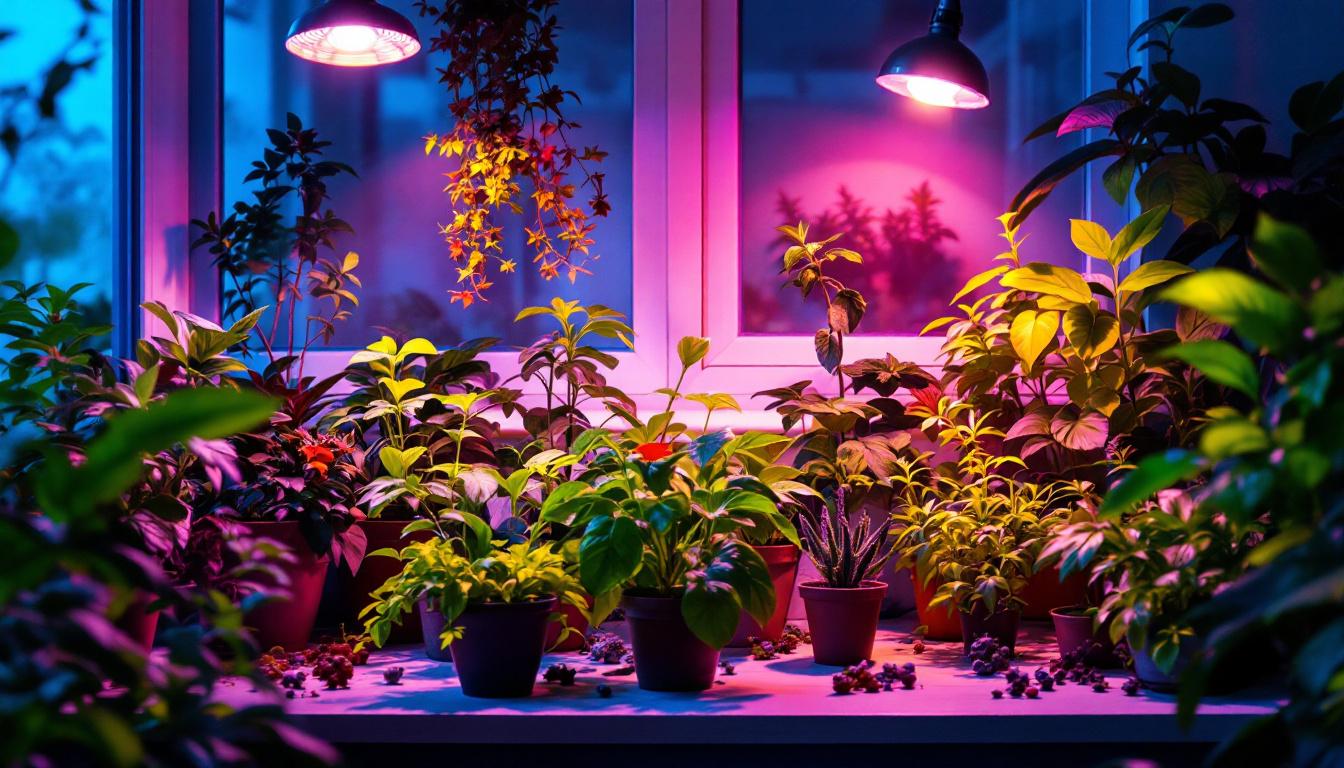
Lighting contractors have witnessed a remarkable transformation in horticultural lighting over recent decades. What began as simple artificial illumination has evolved into a sophisticated science, blending technology and plant biology to optimize growth environments. Early systems relied heavily on conventional incandescent or fluorescent lamps, primarily designed for general illumination rather than plant-specific needs.
These traditional light sources offered limited control over spectral output and energy efficiency. As a result, growers faced challenges such as excessive heat generation, uneven light distribution, and suboptimal photosynthesis stimulation. For lighting contractors, this meant working with bulky fixtures and managing high operational costs, often compromising on plant health and yield.
The turning point came with the advent of specialized lighting solutions tailored to horticulture. This shift recognized that plants respond uniquely to different light wavelengths, intensities, and photoperiods. Lighting contractors had to adapt, integrating new technologies that allowed precise control over these parameters, ultimately enhancing plant development and resource efficiency.
One of the most significant advancements in horticultural lighting has been the introduction of Light Emitting Diodes (LEDs). LEDs not only consume less energy than their predecessors but also provide a spectrum of light that can be customized to meet the specific needs of various plant species. This flexibility allows growers to optimize their setups for different growth stages, from seedling to flowering, ensuring that plants receive the ideal light conditions at every phase of their development. Moreover, the longevity and durability of LEDs reduce maintenance costs, making them a more sustainable choice for both growers and contractors alike.
In addition to LEDs, the rise of smart lighting systems has further revolutionized the horticultural landscape. These systems can be programmed to adjust light intensity and duration based on real-time environmental data, such as temperature and humidity levels. By leveraging sensors and automation, lighting contractors can create dynamic growth environments that respond to the needs of the plants, promoting healthier growth and maximizing yields. This technological integration not only enhances the efficiency of horticultural operations but also supports the growing trend towards sustainable and environmentally friendly farming practices.
Understanding Plant Light Requirements: The Science Behind the Spectrum
Photosynthetically Active Radiation (PAR) and Its Importance
Plants rely on photosynthetically active radiation (PAR), the range of light wavelengths from 400 to 700 nanometers, to drive photosynthesis. Unlike human-centric lighting, which prioritizes visual comfort, horticultural lighting focuses on delivering the right amount and quality of light that plants can use effectively.
Lighting contractors must consider the intensity and spectral composition of light sources to ensure they meet the specific needs of different plant species and growth stages. For instance, blue light (around 450 nm) influences vegetative growth and leaf development, while red light (around 660 nm) promotes flowering and fruiting. Balancing these wavelengths is crucial for optimizing plant health and productivity. Additionally, the duration of light exposure, known as photoperiod, plays a significant role in plant development, with some species requiring longer light periods to transition from vegetative to flowering stages. Understanding the specific light needs of each plant species can lead to more efficient growth cycles and higher yields.
Beyond PAR: Far-Red and UV Light
Recent research has highlighted the role of far-red light (700-750 nm) in regulating plant morphology and flowering time. Far-red light can influence shade avoidance responses, encouraging plants to grow taller or flower earlier. Similarly, ultraviolet (UV) light, particularly UV-B, can stimulate secondary metabolite production, enhancing flavor, aroma, and pest resistance.
Incorporating these wavelengths into horticultural lighting systems requires advanced LED technology and careful calibration. Lighting contractors must stay informed about these developments to recommend and install systems that support both plant health and crop quality. Furthermore, the integration of smart technology in horticultural lighting allows for real-time monitoring and adjustments based on environmental conditions. This adaptability ensures that plants receive optimal light exposure throughout their growth cycles, leading to robust health and increased resilience against diseases. As the industry evolves, the potential for combining traditional horticultural practices with innovative lighting solutions continues to expand, paving the way for more sustainable and productive agricultural practices.
The Rise of LED Technology in Horticulture
Energy Efficiency and Longevity
Light-emitting diode (LED) technology has revolutionized horticultural lighting. Compared to traditional high-intensity discharge (HID) lamps, LEDs consume significantly less energy while delivering comparable or superior light output. This efficiency translates into lower operating costs and reduced environmental impact—key considerations for commercial growers and their lighting contractors. As the demand for sustainable farming practices grows, the switch to LED lighting becomes not just a choice but a necessity for many operations looking to minimize their carbon footprint.
Additionally, LEDs boast a longer lifespan, often exceeding 50,000 hours. This durability reduces maintenance frequency and downtime, providing a more reliable lighting solution. For contractors, installing LED systems means fewer service calls and enhanced client satisfaction. The longevity of LEDs also means that growers can invest in high-quality fixtures with the confidence that they will not need to replace them frequently, allowing for better budgeting and resource allocation in their operations.
Customizable Spectra and Dynamic Control
One of the standout advantages of LEDs is their ability to emit specific wavelengths. Manufacturers now offer fixtures with tunable spectra, allowing growers to adjust light quality throughout the plant lifecycle. This dynamic control can optimize growth phases, improve crop uniformity, and even manipulate plant morphology. For example, during the vegetative stage, a blue light spectrum can promote leaf growth, while a red spectrum can be more beneficial during the flowering stage, leading to higher yields and better-quality produce.
Lighting contractors play a pivotal role in integrating these advanced systems with control interfaces, such as dimmers and timers, or even automated platforms that respond to environmental sensors. This integration ensures that lighting conditions adapt seamlessly to the plants’ needs, maximizing efficiency and yield. Furthermore, the ability to program lighting schedules that mimic natural sunlight patterns can enhance plant health and growth, ultimately resulting in more robust crops. As the technology continues to evolve, we can expect even more sophisticated systems that incorporate artificial intelligence and machine learning to predict and respond to plant needs in real time, pushing the boundaries of what is possible in horticultural lighting.
Integration with Smart Technologies and Automation
Data-Driven Lighting Management
Modern horticultural lighting systems increasingly incorporate sensors and software to monitor and adjust light levels in real time. Parameters like ambient light, temperature, humidity, and CO2 concentration can influence lighting strategies. By leveraging data analytics, growers can fine-tune their environments for optimal plant performance. This data-driven approach not only maximizes yield but also minimizes energy consumption, aligning with sustainability goals that are becoming increasingly important in agriculture.
For lighting contractors, this means installing not just fixtures but entire ecosystems that include sensors, controllers, and communication networks. The complexity demands a higher level of expertise but offers opportunities to deliver value-added services and long-term client partnerships. Additionally, the integration of machine learning algorithms can predict plant growth patterns and adjust lighting schedules accordingly, ensuring that plants receive the right spectrum and intensity at the right time. This predictive capability can lead to more robust plant health and increased resilience against pests and diseases.
Remote Monitoring and Maintenance
Smart lighting systems enable remote monitoring, allowing growers and contractors to track performance and diagnose issues without physical site visits. This capability reduces response times and maintenance costs, enhancing operational efficiency. Lighting contractors who embrace these technologies position themselves as indispensable partners in the horticultural industry. Furthermore, the data collected from these systems can be analyzed over time, providing insights that help in refining future projects and improving overall system design.
Moreover, the integration of IoT (Internet of Things) devices into horticultural lighting systems facilitates seamless communication between various components. This interconnectedness allows for automated alerts when anomalies are detected, such as a sudden drop in light output or a malfunctioning sensor. By proactively addressing these issues, contractors can ensure uninterrupted growth cycles and maintain the high standards expected in commercial horticulture. As the industry continues to evolve, the ability to harness real-time data and respond swiftly will be a critical differentiator for successful lighting professionals.
Challenges and Considerations for Lighting Contractors
Balancing Cost and Performance
While LED and smart lighting technologies offer clear benefits, upfront costs can be significant. Lighting contractors must help clients navigate the trade-offs between initial investment and long-term savings. Detailed cost-benefit analyses, tailored to specific crops and facility sizes, are essential to justify expenditures and ensure project success.
Contractors should also consider the scalability of lighting systems, ensuring that installations can grow with the operation or adapt to changing crop requirements.
Technical Expertise and Training
The rapid evolution of horticultural lighting demands continuous learning. Contractors must stay current with emerging technologies, plant science discoveries, and installation best practices. This knowledge enables them to design effective lighting solutions, troubleshoot complex systems, and provide informed recommendations.
Investing in specialized training and certification programs can differentiate contractors in a competitive market and build trust with clients.
Environmental and Regulatory Compliance
Horticultural lighting installations must comply with energy codes, safety standards, and environmental regulations. Contractors should be familiar with local requirements related to electrical installations, light pollution, and energy efficiency incentives. Navigating these regulations ensures legal compliance and can unlock financial benefits for clients.
Looking Ahead: The Future of Horticultural Lighting
Advancements in materials science, such as quantum dot technology and organic LEDs, promise even greater control over light quality and efficiency. Integration with artificial intelligence could enable predictive lighting adjustments based on plant growth models and environmental forecasts.
For lighting contractors, staying ahead means embracing innovation while maintaining a strong foundation in plant biology and electrical engineering. The ability to blend these disciplines will be crucial in delivering solutions that meet the evolving needs of horticulture.
Ultimately, horticultural lighting is no longer just about illumination. It is a dynamic tool that shapes plant growth, resource use, and crop quality. Lighting contractors who recognize and adapt to this evolution will play a vital role in supporting sustainable and productive horticultural operations.
Illuminate Your Horticultural Projects with LumenWholesale
As the horticultural lighting industry continues to advance, LumenWholesale is here to ensure lighting contractors have access to the latest and most efficient lighting technologies. Our commitment to providing spec-grade lighting products at wholesale prices means you can equip your horticultural projects with cutting-edge solutions that enhance plant growth and productivity. With free shipping on bulk orders, we make it easy and cost-effective to obtain premium lighting without the hassle. Elevate your lighting game and support sustainable farming with the best value in the industry. Wholesale Lighting at the Best Value is just a click away.