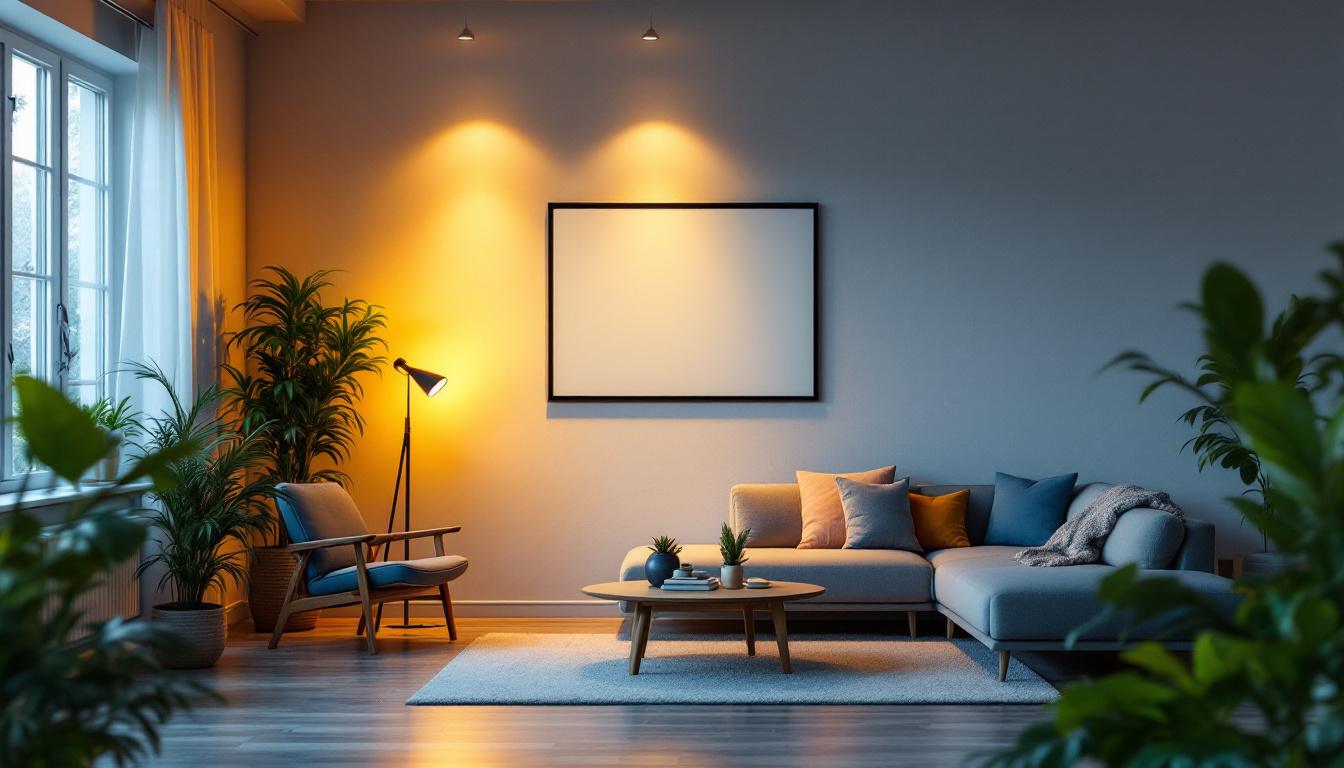
Understanding the Role of Lighting in Home Theatres
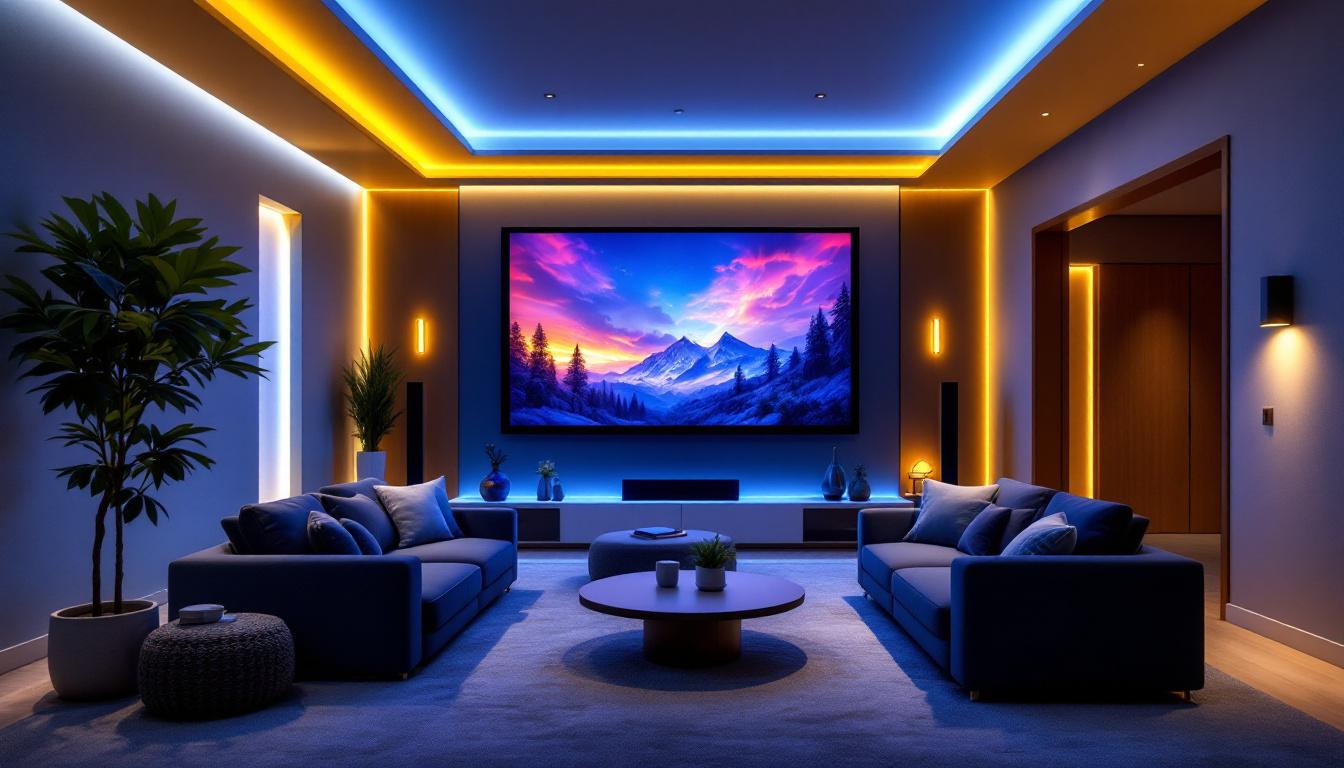
Lighting in a home theatre isn’t just about illumination-it’s about creating an immersive experience. For lighting contractors, mastering home theatre lighting means balancing functionality with ambiance. The right lighting setup enhances picture quality, reduces eye strain, and sets the mood for every movie night. Additionally, the integration of smart technology into lighting systems allows for greater customization, enabling homeowners to pre-set lighting scenes that correspond to different genres or specific films, enhancing the overall cinematic experience.
Unlike general room lighting, home theatre lighting must be carefully controlled. Too much light washes out the screen, while too little can make navigation difficult and uncomfortable. Contractors need to understand how different lighting types and placements impact both the viewer’s comfort and the room’s aesthetics. Furthermore, the color temperature of the lights plays a crucial role; warmer tones can create a cozy atmosphere, while cooler tones might be more suitable for a modern, sleek design. This attention to detail ensures that every aspect of the home theatre contributes to a seamless viewing experience.
The Impact of Lighting on Visual Performance
Ambient light can cause glare and reflections on the screen, detracting from the viewing experience. Studies show that even minimal light reflections can reduce perceived contrast and color accuracy. This makes it essential to design lighting that minimizes direct light hitting the screen surface. Moreover, the placement of light sources should be strategically planned to avoid casting shadows that could disrupt the viewer’s focus on the film.
Low-level, indirect lighting is often the best choice. It provides enough illumination to move safely around the space without interfering with the image quality. Dimmable fixtures and smart lighting controls allow users to adjust brightness according to the content being viewed, whether it’s a dark thriller or a bright animated film. Additionally, incorporating LED strip lights behind the screen can enhance the viewing experience by creating a halo effect that reduces eye strain and provides a more immersive feel, making viewers feel as though they are part of the action.
Setting the Mood with Layered Lighting
Layered lighting combines various sources-ambient, task, and accent-to create depth and dimension. In home theatres, this approach enhances the atmosphere and highlights architectural features without overpowering the screen.
For example, wall sconces with adjustable brightness can add warmth and reduce eye fatigue. Cove lighting hidden behind crown molding or under seating provides a soft glow that guides movement without distraction. Accent lights can highlight artwork or shelving, adding personality to the room. In addition, using colored LED lights can allow homeowners to change the mood of the theatre instantly, whether they want a vibrant atmosphere for a family movie night or a more subdued setting for a romantic film. This versatility not only enhances the viewing experience but also allows for personalization that reflects the tastes and preferences of the homeowner, making the space uniquely theirs.
Key Lighting Techniques for Home Theatre Installations
Lighting contractors must be adept at several techniques to deliver an optimal home theatre experience. Each technique addresses specific challenges related to visibility, comfort, and aesthetics.
Controlling Glare and Reflections
Glare is one of the biggest enemies of home theatre lighting. It can come from direct light sources or reflections off glossy surfaces. Contractors should position fixtures so that light beams do not directly hit the screen or reflective objects near it.
Using matte finishes on walls and ceilings can reduce unwanted reflections. Additionally, selecting light fixtures with adjustable angles or shields helps direct light precisely where it’s needed. Installing blackout curtains or blinds on windows is also critical to control natural light during daytime viewing.
Incorporating Dimmable and Smart Lighting
Dimmable lighting is a must-have in any home theatre. It allows users to fine-tune brightness levels, creating the perfect environment for different types of content. Lighting contractors should specify fixtures compatible with reliable dimmer switches, ensuring smooth and flicker-free operation.
Smart lighting systems add another layer of convenience and customization. Through apps or voice control, users can program lighting scenes for movie watching, cleaning, or socializing. Integrating these systems with the home theatre’s audio and video controls offers seamless operation and enhances the overall experience.
Using Color Temperature to Influence Atmosphere
Color temperature affects how warm or cool the light appears. In home theatres, warmer tones (around 2700K to 3000K) are generally preferred as they create a cozy, inviting atmosphere without interfering with screen colors.
Cooler temperatures can feel harsh and may clash with the cinematic mood. However, some contractors choose adjustable color temperature fixtures to give users flexibility. This option allows for warmer light during movie time and cooler light when the room is used for other activities.
Technical Considerations for Lighting Contractors
Beyond aesthetics and ambiance, technical factors play a crucial role in home theatre lighting design. Lighting contractors must navigate electrical requirements, fixture selection, and integration challenges.
Power and Wiring Requirements
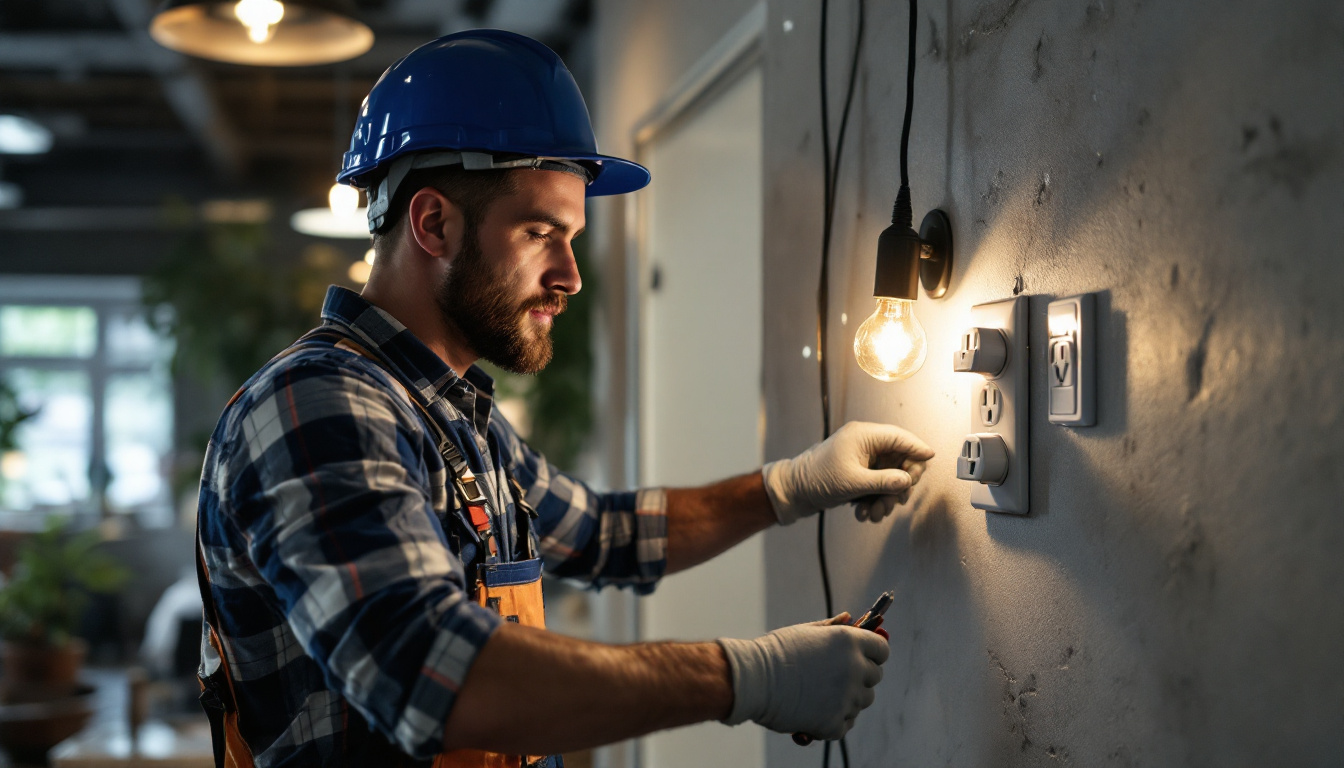
Home theatres often require multiple lighting zones, each with independent controls. This setup demands careful planning of wiring routes and power loads. Contractors should ensure circuits can handle the total wattage of all fixtures and controls without risk of overload.
Using low-voltage LED lighting can reduce power consumption and heat output, making it safer and more efficient. However, it requires compatible transformers and drivers, which must be factored into the electrical design.
Fixture Selection and Placement
Choosing the right fixtures is critical. Recessed downlights are popular for ambient lighting because they don’t interfere with sight lines. However, contractors must select models with appropriate beam angles and glare control features.
Wall washers and cove lights add subtle illumination without direct beams. LED strip lights can be installed under seats or along steps for safety and style. Each fixture’s placement should be mapped out to avoid shadows and ensure even coverage.
Integration with Home Automation Systems
Modern home theatres often incorporate automation for lighting, sound, and video. Contractors should be familiar with popular control protocols like DMX, DALI, or Zigbee to ensure compatibility.
Integrating lighting with automation allows for preset scenes, timed events, and remote control. This not only improves user convenience but also adds value to the installation. Proper programming and testing are essential to avoid conflicts and ensure smooth operation.
Common Challenges and How to Overcome Them
Even experienced lighting contractors encounter obstacles when working on home theatre projects. Anticipating and addressing these challenges can save time and improve client satisfaction.
Dealing with Room Size and Shape
Small or irregularly shaped rooms can complicate lighting design. Overhead lighting might create hotspots or uneven illumination, while narrow spaces limit fixture options.
Contractors can use layered lighting and multiple zones to adapt to these constraints. Wall sconces and indirect lighting can compensate for limited ceiling space. Custom fixtures or adjustable mounts may be necessary to achieve the desired effect.
Balancing Lighting with Acoustic Treatments
Acoustic panels and treatments are common in home theatres to improve sound quality. However, these materials often absorb light, making the room feel darker.
To counteract this, contractors should increase ambient lighting levels or add accent lights. Using fixtures with higher lumen output or reflective surfaces can help maintain brightness without causing glare.
Managing Client Expectations
Clients may have varying ideas about what home theatre lighting should look like. Some expect bright, decorative lighting, while others want a minimalist setup focused solely on the screen.
Clear communication is key. Contractors should provide visual aids like lighting simulations or mockups to align expectations. Educating clients about the impact of different lighting choices on viewing quality helps them make informed decisions.
Emerging Trends in Home Theatre Lighting
Staying current with industry trends allows lighting contractors to offer cutting-edge solutions that impress clients and improve functionality.
Human-Centric Lighting
Human-centric lighting adjusts intensity and color temperature throughout the day to support natural circadian rhythms. In home theatres, this means lighting that gradually dims and warms as evening approaches, enhancing relaxation and comfort.
Implementing this requires advanced control systems and tunable fixtures. Contractors who master these technologies can differentiate their services and appeal to health-conscious clients.
Wireless and Battery-Powered Fixtures
Wireless lighting reduces installation complexity, especially in retrofit scenarios. Battery-powered LED fixtures can be placed in hard-to-wire locations, such as behind seating or on walls without accessible power.
While not suitable for all applications, these options offer flexibility and speed. Contractors should evaluate the trade-offs between convenience and maintenance requirements like battery replacement.
Integration with Voice Assistants
Voice control through assistants like Alexa, Google Assistant, or Siri is becoming standard in smart homes. Home theatre lighting integrated with these platforms allows users to adjust lighting hands-free, enhancing convenience during movie time.
Contractors must ensure compatibility and security when connecting lighting systems to voice assistants. Proper setup prevents unauthorized access and ensures reliable performance.
Best Practices for Lighting Contractors
Mastering home theatre lighting involves a blend of technical skill, creativity, and client collaboration. Following best practices helps contractors deliver outstanding results consistently.
Conduct Thorough Site Assessments
Before designing or installing lighting, contractors should evaluate the room’s dimensions, surface finishes, existing electrical infrastructure, and client preferences. Understanding natural light sources and potential obstructions informs fixture selection and placement.
Use Quality Components and Controls
Investing in high-quality fixtures, dimmers, and control systems reduces maintenance issues and improves user satisfaction. Reliable components also ensure smooth dimming and color consistency, which are critical in home theatres.
Provide Clear Documentation and Training
Clients appreciate detailed guides on how to use their lighting systems, especially when smart controls are involved. Contractors should offer written instructions, programming details, and on-site demonstrations to empower users.
Stay Updated with Industry Standards
Lighting technology evolves rapidly. Contractors should participate in ongoing training, attend trade shows, and engage with professional organizations to keep skills sharp and knowledge current.
Conclusion
Lighting contractors who master home theatre lighting combine technical expertise with an understanding of human perception and atmosphere. By focusing on glare control, layered lighting, smart integration, and client communication, they create spaces that elevate the cinematic experience.
Adapting to challenges and embracing new technologies ensures that contractors remain valuable partners in designing and installing home theatres that delight clients and stand the test of time.
Illuminate Your Home Theatre Projects with LumenWholesale
Ready to take your home theatre installations to the next level? LumenWholesale is here to support your mastery of the art of lighting with our extensive range of spec-grade lighting products. We provide contractors with the highest quality options at wholesale prices that can’t be beaten. Say goodbye to middleman markups and hello to a selection that meets rigorous industry standards, ensuring your projects shine with reliability and performance. Plus, with free shipping on bulk orders, you can stock up on premium lighting without any hidden fees. Elevate your home theatre lighting game with the perfect blend of quality, affordability, and convenience at LumenWholesale — your source for Wholesale Lighting at the Best Value.