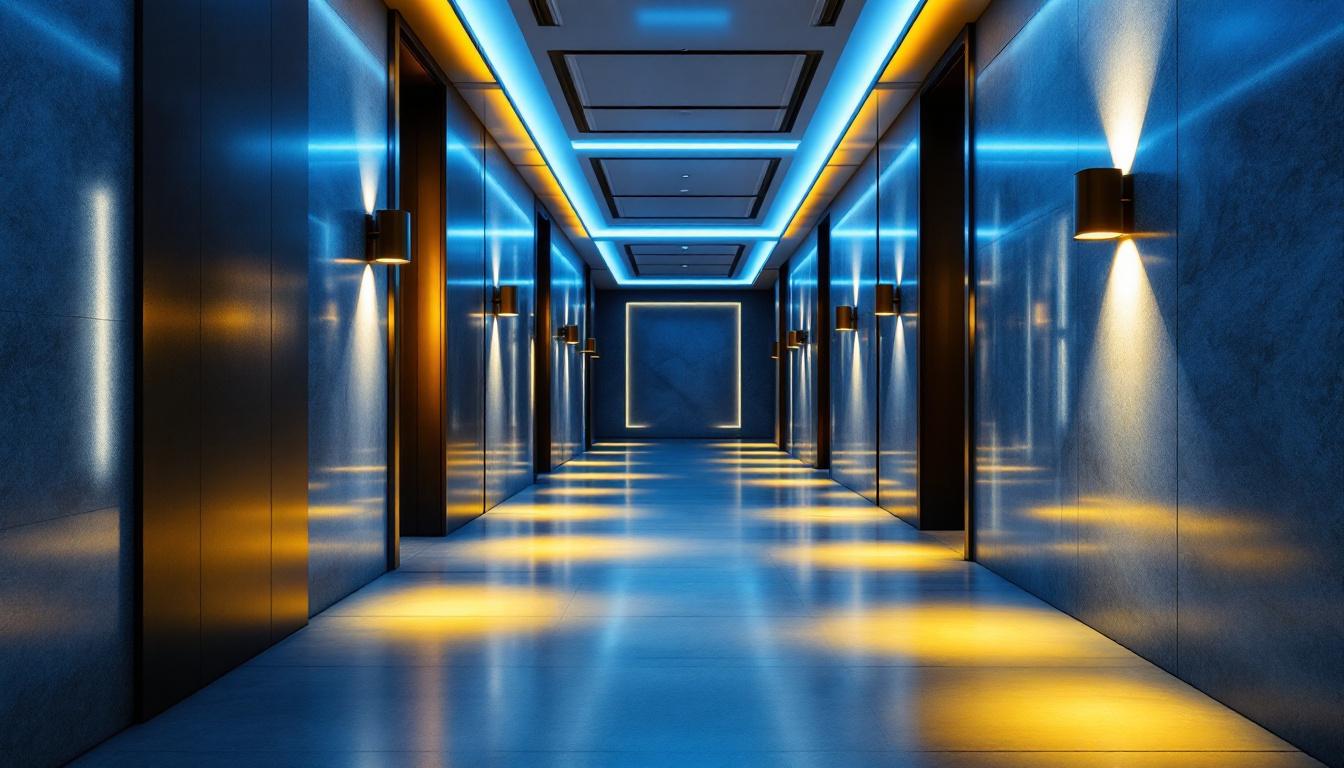
Introduction to Hallway Floor Lighting
In the competitive field of lighting installations, contractors are constantly seeking innovative solutions that not only enhance aesthetic appeal but also maximize profitability. Hallway floor lights have emerged as a compelling option, offering a blend of functionality, safety, and design versatility. These fixtures, installed at floor level along corridors and walkways, provide subtle illumination that guides occupants while creating an inviting atmosphere.
For lighting contractors, understanding how to effectively incorporate hallway floor lights into projects can open new revenue streams and differentiate their services. This article explores the benefits, installation considerations, and strategies to optimize profitability when working with hallway floor lighting systems.
One of the primary advantages of hallway floor lighting is its ability to enhance safety in both residential and commercial environments. By illuminating pathways, these fixtures reduce the risk of trips and falls, particularly in dimly lit areas. In addition to safety, they can also serve as a design element that complements the overall aesthetic of a space. With a variety of styles and finishes available, contractors can select fixtures that harmonize with existing decor, whether it be modern, traditional, or minimalist. This adaptability makes hallway floor lights an attractive option for a wide range of clients, from homeowners looking to elevate their interior design to businesses aiming to create a welcoming atmosphere for customers.
Moreover, the energy efficiency of modern hallway floor lighting solutions, particularly those utilizing LED technology, cannot be overlooked. These energy-efficient fixtures not only lower electricity costs but also have a longer lifespan, reducing the frequency of replacements and maintenance. This aspect can be a significant selling point for contractors, as clients are increasingly conscious of sustainability and operational costs. By highlighting the long-term benefits of energy-efficient lighting, contractors can position themselves as forward-thinking professionals who prioritize both environmental responsibility and economic savings for their clients.
The Growing Demand for Hallway Floor Lighting
Safety and Compliance Driving Adoption
One of the primary drivers behind the increasing popularity of hallway floor lights is safety compliance. Building codes and regulations in commercial, hospitality, and residential sectors often mandate adequate egress lighting to ensure safe evacuation routes during emergencies. Floor-level lighting meets these requirements by providing low-glare illumination that clearly marks pathways without disrupting the overall lighting scheme.
Moreover, floor lights reduce trip hazards and improve visibility in dimly lit areas, making them indispensable in environments such as hotels, hospitals, and office buildings. For contractors, this translates into a reliable demand for installations that comply with safety standards while enhancing occupant comfort. The integration of motion sensors with hallway floor lighting is also gaining traction, allowing lights to activate automatically as individuals approach, further enhancing safety and energy efficiency. This technology not only helps in conserving energy but also ensures that the lighting is always present when needed, creating a more secure environment.
Architectural and Design Trends Favoring Subtle Illumination
Modern interior design trends emphasize minimalism and ambient lighting, where subtle light sources create mood and depth. Hallway floor lights align perfectly with this aesthetic, offering an understated yet impactful lighting solution. Designers often specify these fixtures to achieve a seamless integration with flooring materials, such as hardwood, tile, or carpet, enhancing the spatial experience without overwhelming the décor.
In addition to their aesthetic appeal, hallway floor lights can be customized in various colors and intensities, allowing designers to tailor the ambiance to specific themes or moods. For instance, warm white tones can create a cozy atmosphere in residential settings, while cooler hues may be preferred in commercial spaces for a more professional look. The versatility of these fixtures means they can also be used creatively, such as in highlighting artwork or architectural features along the hallway, further enriching the overall design narrative. Lighting contractors who stay abreast of these trends can position themselves as valuable partners for architects and interior designers, leading to more collaborative projects and higher-value contracts.
Technical Considerations for Hallway Floor Light Installations
Choosing the Right Fixtures and Materials
Successful hallway floor lighting installations begin with selecting appropriate fixtures that balance durability, light output, and design compatibility. Given their location, floor lights must be robust enough to withstand foot traffic, cleaning processes, and potential impacts. Many manufacturers offer fixtures with tempered glass covers, corrosion-resistant housings, and IP ratings suitable for wet or dusty environments. Additionally, the aesthetic aspect should not be overlooked; fixtures come in various styles, from sleek modern designs to more traditional looks, allowing for seamless integration into the overall decor of the hallway.
LED technology dominates this category due to its energy efficiency, long lifespan, and customizable color temperatures. Contractors should evaluate fixture specifications carefully, considering lumen output, beam angle, and dimming capabilities to meet client expectations and regulatory requirements. Furthermore, it’s important to consider the color rendering index (CRI) of the LEDs, as a higher CRI can enhance the appearance of the hallway, making colors appear more vibrant and true to life. This can be particularly significant in settings like art galleries or retail spaces, where the visual impact is paramount.
Installation Best Practices
Installing hallway floor lights requires meticulous planning to ensure safety, functionality, and aesthetics. Key considerations include:
- Placement: Lights should be spaced evenly along the hallway to create consistent illumination without dark spots. Typically, spacing ranges from 3 to 6 feet depending on the fixture’s lumen output and beam spread. In addition, the height at which the lights are installed can also influence the perceived brightness and ambiance of the space, making it essential to consider the overall design.
- Wiring and Power Supply: Concealed wiring is essential to maintain a clean look and prevent trip hazards. Low-voltage systems are common, reducing installation complexity and energy consumption. Moreover, incorporating smart technology can enhance functionality, allowing users to control lighting levels or set schedules through mobile apps, which can be a selling point for modern installations.
- Floor Integration: Fixtures must be flush-mounted or slightly recessed to avoid protrusions. Coordination with flooring contractors is critical to ensure proper cutouts and sealing. The choice of flooring material can also affect the lighting; for instance, reflective surfaces can amplify light output, while matte finishes may absorb more light, necessitating adjustments in fixture placement or output.
- Maintenance Access: Designing for easy access to fixtures simplifies future repairs or replacements, minimizing downtime and service costs. Additionally, considering the longevity of the components used, such as LED drivers and transformers, can further reduce maintenance needs over time, ensuring that the lighting remains functional and efficient for years to come.
Adhering to these best practices not only enhances the quality of the installation but also reduces callbacks and warranty claims, contributing to overall profitability. Moreover, educating clients about the benefits of proper lighting design can lead to more informed decisions, ultimately resulting in a more satisfying end product that meets both aesthetic and practical needs.
Maximizing Profitability Through Strategic Project Management
Accurate Cost Estimation and Value Engineering
Profitability begins with precise project costing. Contractors should conduct thorough site assessments and collaborate with suppliers to obtain competitive pricing on fixtures and materials. Incorporating value engineering principles—such as selecting energy-efficient LEDs or modular fixtures—can reduce upfront costs without compromising quality.
Additionally, presenting clients with multiple lighting options at varying price points allows for informed decision-making, increasing the likelihood of upselling premium products or additional services like smart lighting controls.
Leveraging Technology for Efficiency
Utilizing design software and lighting simulation tools enables contractors to create accurate layouts and predict lighting performance before installation. This proactive approach minimizes errors, optimizes fixture placement, and enhances client presentations.
Furthermore, integrating smart lighting controls with hallway floor lights—such as motion sensors and programmable dimmers—adds value by improving energy savings and user experience. These features can justify higher project fees and foster long-term maintenance contracts.
Building Strong Client Relationships
Repeat business and referrals are vital for sustained profitability. Contractors who demonstrate expertise in hallway floor lighting, provide transparent communication, and deliver high-quality installations build trust and credibility. Offering maintenance packages and post-installation support further strengthens client loyalty and generates additional revenue streams.
Case Studies: Successful Hallway Floor Lighting Installations
Hospital Corridor Lighting Upgrade
A healthcare facility sought to enhance patient safety and comply with updated egress lighting standards. The lighting contractor recommended a floor lighting system featuring LED fixtures with warm color temperatures and low-glare lenses. The installation reduced energy consumption by 40% compared to previous solutions and improved corridor visibility, receiving positive feedback from staff and patients alike.
This project showcased how combining technical knowledge with client-focused solutions can lead to profitable outcomes and repeat opportunities within specialized sectors.
Luxury Hotel Ambiance Enhancement
In a boutique hotel renovation, hallway floor lights were specified to complement the interior design’s sophisticated aesthetic. The contractor collaborated closely with the design team to select fixtures with customizable RGB LEDs, enabling dynamic lighting scenes for different times of day and events.
The integration of smart controls allowed the hotel to reduce energy costs while offering guests a unique ambiance. The contractor secured a premium installation fee and ongoing service contract, illustrating the financial benefits of aligning lighting solutions with client branding and operational goals.
Conclusion: Unlocking New Revenue Potential with Hallway Floor Lights
Hallway floor lights represent a strategic opportunity for lighting contractors to enhance project value, meet evolving safety standards, and satisfy contemporary design demands. By mastering technical installation details, leveraging technology, and cultivating client relationships, contractors can maximize profitability in this niche market.
As the lighting industry continues to embrace innovation and sustainability, those who invest in expertise around hallway floor lighting will be well-positioned to capitalize on growing demand and deliver exceptional results that benefit both clients and their own bottom line.
Illuminate Your Projects with LumenWholesale
Ready to elevate your lighting installations with the strategic advantage of hallway floor lights? At LumenWholesale, we provide lighting contractors with the high-quality, spec-grade lighting products you need at unbeatable wholesale prices. Say goodbye to middleman markups and hello to our extensive selection that meets the highest industry standards. With free shipping on bulk orders, you can ensure your projects shine with reliable, high-performance lighting while keeping your costs down. Don’t miss out on the perfect blend of quality, affordability, and convenience. Discover the best value in wholesale lighting by visiting LumenWholesale today.