Understanding Grow Light Lumens and Their Importance
In the competitive world of lighting contracting, staying ahead means mastering not only the technical aspects of lighting but also understanding the nuances that influence client decisions. One such critical factor in the rapidly expanding horticultural lighting market is the concept of grow light lumens. While lumens have long been a standard measure of brightness in traditional lighting, their role in grow lights requires a deeper understanding to optimize plant growth and, ultimately, project success.
Grow light lumens refer to the amount of visible light emitted by a grow light source. Unlike general lighting, where lumens measure brightness perceived by the human eye, grow lights must also consider the quality and spectrum of light that plants utilize for photosynthesis. This distinction is crucial for lighting contractors aiming to design and propose effective grow light solutions that meet the specific needs of agricultural or indoor gardening clients.
By mastering the science behind grow light lumens, contractors can provide tailored lighting solutions that enhance plant health and yield, positioning themselves as knowledgeable experts in a niche yet expanding market. This expertise can be a decisive factor in winning bids, especially as more clients seek energy-efficient and scientifically optimized lighting systems for their grow operations.
Furthermore, understanding the interplay between lumens and the specific light spectrum is essential for maximizing photosynthetic efficiency. Different plants have varying light requirements; for instance, leafy greens thrive under blue light, while flowering plants benefit from red light. By offering solutions that not only focus on lumens but also on the appropriate light spectrum, contractors can ensure that their clients achieve optimal growth conditions. This nuanced approach not only enhances the contractor’s reputation but also fosters long-term relationships with clients who appreciate the added value of expert advice.
Additionally, as technology advances, the integration of smart lighting systems into grow operations is becoming increasingly popular. These systems can adjust light intensity and spectrum based on plant growth stages and environmental conditions, further optimizing energy use and promoting healthier plants. By staying informed about these innovations and incorporating them into their proposals, lighting contractors can differentiate themselves in a crowded marketplace, demonstrating their commitment to sustainability and cutting-edge solutions that align with modern agricultural practices.
The Science Behind Lumens in Horticultural Lighting
Why Lumens Matter Differently for Plants
Lumens measure the total quantity of visible light emitted by a source, weighted by the sensitivity of the human eye. However, plants do not perceive light the same way humans do. Instead, plants rely on specific wavelengths within the photosynthetically active radiation (PAR) spectrum, primarily between 400 and 700 nanometers, to drive photosynthesis.
This means that a grow light with high lumens does not necessarily equate to better plant growth if the light spectrum is not aligned with plant needs. For example, a light source rich in green wavelengths may register high lumens to human eyes but contribute less effectively to photosynthesis compared to red and blue wavelengths, which are more critical for plant development. Additionally, different plant species have varying light requirements; while some thrive under red-dominant light, others may prefer a more balanced spectrum that includes green and far-red wavelengths, highlighting the complexity of horticultural lighting.
Moreover, the intensity of light, measured in lux or foot-candles, can also play a significant role in plant growth. High-intensity light can stimulate more robust growth and flowering in certain species, while lower intensity can be beneficial for seedlings or shade-loving plants. Understanding these nuances allows growers to tailor their lighting setups to meet the specific needs of their plants, ultimately leading to healthier and more productive crops.
Photosynthetic Photon Flux (PPF) vs. Lumens
To bridge the gap between human-centric measurements and plant needs, lighting professionals often use Photosynthetic Photon Flux (PPF), which measures the total number of photons in the PAR range emitted per second by a light source. While PPF provides a more accurate representation of a grow light’s effectiveness, lumens remain a useful initial reference point for contractors, especially when comparing different lighting products.
Understanding the relationship between lumens and PPF allows contractors to evaluate grow lights more comprehensively. For example, two lights with the same lumen output may have vastly different PPF values depending on their spectral distribution. This knowledge enables contractors to recommend lighting solutions that maximize plant growth efficiency and energy use. Furthermore, integrating metrics such as Photosynthetic Photon Efficiency (PPE), which measures the ratio of PPF to the electrical power consumed, can further enhance decision-making. By considering both PPF and PPE, growers can select lighting systems that not only support optimal plant growth but also reduce energy costs, making their operations more sustainable and economically viable.
Additionally, the timing and duration of light exposure are critical factors in plant development. Photoperiodism, the response of plants to the length of day and night, affects flowering and fruiting cycles. By utilizing grow lights that can be adjusted for intensity and spectrum, growers can simulate natural light conditions, promoting healthier growth patterns and improving yields. This adaptability is particularly beneficial in controlled environments like greenhouses and indoor farms, where precise control over light conditions can lead to significant advantages in crop production.
How Grow Light Lumens Influence Project Design and Client Proposals
Optimizing Light Levels for Different Crops and Growth Stages
Different crops and growth stages require varying light intensities and spectra. Seedlings, vegetative growth, and flowering phases each have unique lighting demands. By accurately calculating the required lumens and understanding their translation into effective PAR levels, contractors can design lighting layouts that optimize plant development throughout the growth cycle.
For instance, leafy greens generally thrive under moderate light intensities, while fruiting plants like tomatoes or peppers demand higher light levels for optimal yield. Proposals that demonstrate this level of customization reassure clients that the contractor understands plant physiology and is committed to delivering results beyond basic illumination.
Energy Efficiency and Cost Savings
Energy consumption is a significant concern for commercial growers, as lighting can account for a large portion of operational costs. By selecting grow lights that deliver higher lumens per watt and tailoring light placement to maximize coverage and intensity, contractors can help clients reduce energy bills without compromising crop quality.
Including detailed lumen output and efficiency metrics in bids showcases a contractor’s commitment to sustainability and cost-effectiveness. This approach not only appeals to environmentally conscious clients but also provides a compelling financial argument that can tip the scales in competitive bidding scenarios.
Practical Strategies for Lighting Contractors to Leverage Grow Light Lumens
Conducting Precise Light Measurements and Simulations
Utilizing advanced tools such as quantum sensors, spectroradiometers, and lighting simulation software enables contractors to measure and model grow light performance accurately. These tools provide data on lumen output, spectral distribution, and coverage patterns, allowing for precise system design and optimization.
Incorporating these measurements into proposals demonstrates technical rigor and reduces uncertainty for clients. It also helps identify potential issues such as light overlap, shadows, or insufficient intensity early in the design process, preventing costly adjustments during installation.
Educating Clients on the Value of Lumens and Light Quality
Many clients may not fully understand the significance of lumens and spectral quality in grow lighting. Contractors who take the time to explain these concepts in clear, relatable terms build trust and position themselves as valuable advisors rather than mere suppliers.
Providing case studies, visual aids, or even small-scale demonstrations can help clients appreciate how optimized lumens translate into healthier plants and better yields. This educational approach can differentiate a contractor’s bid by highlighting added value beyond price alone.
Partnering with Reputable Manufacturers
Collaborating with manufacturers known for transparent and accurate lumen ratings, as well as high-quality spectral outputs, strengthens a contractor’s credibility. Access to detailed product specifications and technical support enables contractors to tailor solutions precisely and respond confidently to client inquiries.
Such partnerships can also facilitate access to the latest innovations in grow lighting technology, including tunable spectrum LEDs and smart lighting controls, further enhancing the appeal of bids.
Case Studies: Winning Bids Through Lumens Expertise
Commercial Greenhouse Installation
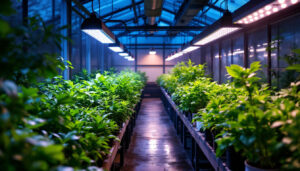
A lighting contractor bidding for a large commercial greenhouse project leveraged detailed lumen and PPF data to design a lighting system that increased crop yield by 20% while reducing energy consumption by 15%. By presenting these measurable benefits in the proposal, the contractor secured the contract over competitors who offered lower prices but less technical insight.
Indoor Vertical Farm Retrofit
In an indoor vertical farm retrofit, a contractor used lighting simulation software to optimize lumen distribution across multiple plant tiers. The result was uniform light coverage that minimized plant stress and improved overall growth consistency. The client valued the contractor’s ability to quantify these improvements, leading to a successful bid and ongoing maintenance contract.
Future Trends: The Evolving Role of Lumens in Grow Lighting
As technology advances, the metrics used to evaluate grow lights continue to evolve. Emerging standards that integrate lumens with spectral quality and photon efficiency are gaining traction. Contractors who stay informed about these developments and adapt their practices accordingly will maintain a competitive edge.
Moreover, the integration of smart lighting controls that adjust lumen output dynamically based on plant needs and environmental conditions represents a significant opportunity. Contractors who can incorporate these systems into their bids offer clients cutting-edge solutions that maximize productivity and sustainability.
Conclusion: Leveraging Grow Light Lumens to Win More Bids
For lighting contractors, understanding and effectively applying the concept of grow light lumens is more than a technical exercise—it is a strategic advantage. By mastering how lumens relate to plant growth, energy efficiency, and system design, contractors can create compelling, data-driven proposals that resonate with clients’ goals and budgets.
Investing in precise measurement tools, client education, and strong manufacturer partnerships further enhances a contractor’s ability to deliver superior lighting solutions. As the horticultural lighting market expands, those who leverage grow light lumens expertise will be best positioned to win more bids and build lasting client relationships.
Get the Grow Light Advantage with LumenWholesale
Ready to elevate your lighting proposals and outshine the competition? LumenWholesale is here to support your success with our extensive range of high-quality, spec-grade lighting products. Our unbeatable wholesale prices and commitment to cutting out the middleman mean you get the best value for your investment. Plus, with free shipping on bulk orders, you can stock up on premium lighting solutions without worrying about hidden costs. Make the smart choice for your projects and experience the convenience and affordability that only LumenWholesale can offer. Wholesale Lighting at the Best Value is just a click away!