Understanding Gooseneck Arms and Their Importance in Lighting Installations
Gooseneck arms are a staple in the lighting industry, especially for outdoor and architectural lighting projects. These curved, flexible arms provide a unique combination of aesthetic appeal and functional versatility, making them a preferred choice for mounting fixtures such as wall sconces, barn lights, and signage illumination.
For lighting contractors, selecting the right gooseneck arm is crucial not only for the visual impact but also for ensuring durability, ease of installation, and compliance with safety standards. A well-chosen gooseneck arm can enhance the overall lighting design, reduce maintenance costs, and improve client satisfaction.
What Makes Gooseneck Arms Distinctive?
The defining characteristic of a gooseneck arm is its distinctive curved shape, which resembles the neck of a goose. This design allows the light fixture to be positioned away from the mounting surface, directing light precisely where it is needed. Unlike straight arms, gooseneck arms offer greater flexibility in directing light and can accommodate a variety of fixture styles and sizes.
Additionally, gooseneck arms are often fabricated from robust materials such as steel, aluminum, or brass, which provide strength and resistance to environmental factors. Their design also contributes to a timeless, industrial aesthetic that complements many architectural styles. The versatility of gooseneck arms extends to their finish options as well, with choices ranging from classic matte black to vibrant colors, allowing for customization that can match or contrast with the surrounding architecture.
Furthermore, the installation of gooseneck arms can be tailored to meet specific project requirements. For instance, adjustable mounting brackets can be used to accommodate different wall surfaces or angles, ensuring that the light is optimally positioned for maximum effect. This adaptability is particularly beneficial in urban environments where buildings may have varying heights and architectural features. Moreover, the ability to integrate LED technology into gooseneck fixtures enhances energy efficiency and longevity, making them an even more attractive option for sustainable lighting solutions.
Key Factors Lighting Contractors Should Consider When Choosing Gooseneck Arms
Choosing the right gooseneck arm involves more than just picking a style that looks good. Contractors must evaluate several critical factors to ensure the arm meets the project’s technical requirements and client expectations.
Material and Finish
The choice of material affects the arm’s durability, weight, and resistance to corrosion. Steel gooseneck arms are known for their strength and are often powder-coated to prevent rust, making them ideal for harsh outdoor environments. Aluminum options are lighter and naturally resistant to corrosion, suitable for coastal or humid areas. Brass, while less common, offers a premium look and excellent weather resistance but at a higher cost.
Finishes also play a significant role in both protection and aesthetics. Common finishes include matte black, bronze, silver, and custom powder coatings. Contractors should select finishes that complement the fixture and the building’s architecture while ensuring long-term protection against UV rays and moisture. The finish can also influence the light’s reflection and diffusion, which can enhance or diminish the overall lighting effect, making it crucial to consider how the finish interacts with the intended lighting design.
Size and Reach
Gooseneck arms come in various lengths and curvature radii. The size must be compatible with the fixture’s dimensions and the mounting surface. For example, a longer arm may be necessary to project light over signage or away from obstructions, while a shorter arm might suffice for wall-mounted sconces.
Contractors should also consider the weight capacity of the arm. Heavier fixtures require sturdier arms with reinforced mounting brackets to prevent sagging or failure over time. Additionally, the reach of the arm can influence the angle of illumination, which is particularly important in settings where light needs to be directed precisely, such as in retail environments or along pathways. Understanding the spatial dynamics of the installation site can aid in selecting the most effective arm length and curvature.
Mounting Options and Compatibility
Different projects may require different mounting configurations. Some gooseneck arms are designed for wall mounting, while others can be adapted for pole or ceiling installations. Ensuring compatibility with the existing electrical boxes and mounting surfaces is essential to avoid costly modifications.
Additionally, the ease of installation can impact labor costs and project timelines. Arms with pre-drilled holes, adjustable brackets, or modular components can simplify the installation process, especially in complex or large-scale projects. Furthermore, considering the accessibility of the installation site can inform choices about mounting options; for example, hard-to-reach areas may benefit from lightweight designs that facilitate easier handling and installation.
Weather Resistance and Compliance
Outdoor lighting fixtures must withstand exposure to rain, wind, temperature fluctuations, and UV radiation. Gooseneck arms should be rated for outdoor use, with appropriate IP (Ingress Protection) ratings to ensure they resist dust and water ingress.
Moreover, compliance with local electrical codes and standards such as UL (Underwriters Laboratories) listing or ETL (Electrical Testing Laboratories) certification is critical. These certifications guarantee that the arm meets safety and performance requirements, reducing liability for contractors and clients alike. Additionally, understanding the local climate can guide the selection of materials and coatings that will perform best under specific environmental conditions, ensuring longevity and reliability in the installation. For instance, areas with heavy snowfall may require arms designed to bear additional weight and stress, while regions prone to high winds might benefit from more aerodynamic designs that reduce the risk of damage.
Popular Gooseneck Arm Styles and Their Applications
Understanding the variety of gooseneck arm styles helps contractors select the best fit for each project’s functional and aesthetic needs.
Classic Gooseneck
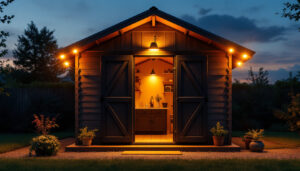
The classic gooseneck arm features a smooth, continuous curve and is often used in traditional or industrial-style lighting. Its timeless design suits storefronts, barns, and outdoor patios, providing a nostalgic yet functional lighting solution.
This style is versatile and compatible with many fixture types, making it a reliable choice for contractors seeking a balance between form and function. Additionally, the classic gooseneck can be found in various materials and finishes, such as galvanized steel, powder-coated aluminum, or even rusted iron, allowing for customization that complements the surrounding architecture. The ability to choose from different colors and textures enhances its adaptability, ensuring that it can seamlessly blend into both rustic and modern environments.
Double Gooseneck
Double gooseneck arms incorporate two curved arms extending from a single mounting point, allowing for multiple fixtures to be mounted side by side. This configuration is ideal for illuminating larger signage or architectural features that require broader light coverage.
While more complex to install, double gooseneck arms offer enhanced lighting options and can create a striking visual impact in commercial settings. They are particularly effective in areas where visibility is crucial, such as busy streets or outdoor markets, where they can draw attention to products or services. Furthermore, the dual-arm design can be used to create a layered lighting effect, combining ambient and task lighting to enhance the overall atmosphere of a space, making it not only functional but also visually appealing.
Adjustable Gooseneck
Adjustable gooseneck arms provide flexibility by allowing the installer or user to modify the arm’s angle and reach after installation. This adaptability is particularly useful in environments where lighting needs may change over time or where precise light positioning is critical.
Though typically more expensive, adjustable arms can reduce the need for future modifications and improve the overall functionality of the lighting system. They are especially advantageous in settings such as workshops, studios, or even outdoor dining areas, where the direction of light may need to be altered based on the time of day or specific tasks being performed. Additionally, the ability to pivot and extend can enhance the user experience, allowing for a more tailored approach to lighting that meets the unique demands of each space. This versatility not only maximizes the utility of the fixtures but also contributes to energy efficiency by ensuring that light is directed exactly where it is needed most.
Installation Best Practices for Lighting Contractors
Proper installation of gooseneck arms is essential to maximize their performance and longevity. Lighting contractors should adhere to the following best practices to ensure successful outcomes.
Pre-Installation Planning
Before installation, conduct a thorough site assessment to determine the optimal mounting location, arm length, and fixture orientation. Consider factors such as wall material, electrical box placement, and potential obstructions.
Accurate measurements and planning prevent costly adjustments and ensure that the lighting effect meets design specifications.
Secure Mounting and Wiring
Use appropriate anchors and fasteners compatible with the mounting surface, whether masonry, wood, or metal. The mounting bracket should be firmly attached to support the arm and fixture weight without movement.
Electrical wiring should comply with local codes, using weatherproof connectors and conduits where necessary. Proper grounding and sealing protect the system from electrical hazards and environmental damage.
Testing and Adjustment
After installation, test the fixture to verify electrical connections and light output. Adjust the gooseneck arm as needed to achieve the desired lighting angle and coverage.
Documenting the installation details, including arm specifications and mounting methods, can assist in future maintenance and troubleshooting.
Maintenance and Longevity Considerations
Gooseneck arms, especially those installed outdoors, require periodic maintenance to ensure continued performance and appearance.
Routine Inspection
Regularly inspect the arms for signs of corrosion, paint peeling, or mechanical damage. Early detection of issues allows for timely repairs or repainting, preventing more extensive deterioration.
Check mounting hardware for tightness and replace any worn or rusted components to maintain structural integrity.
Cleaning and Protective Measures
Cleaning gooseneck arms with mild soap and water removes dirt and pollutants that can degrade finishes. Avoid abrasive cleaners that may damage protective coatings.
Applying a fresh coat of protective paint or sealant every few years can extend the arm’s lifespan, especially in harsh environments.
Conclusion: Making Informed Choices for Optimal Lighting Solutions
For lighting contractors, selecting the right gooseneck arm is a critical decision that impacts the success of a lighting project. By considering material, size, mounting options, weather resistance, and style, contractors can provide solutions that are both functional and visually appealing.
Adhering to installation best practices and maintenance routines further ensures that gooseneck arms deliver reliable performance over time. Ultimately, informed choices in gooseneck arms enhance project quality, client satisfaction, and professional reputation in the competitive lighting industry.
Illuminate Your Projects with LumenWholesale
Ready to elevate your lighting installations with the perfect gooseneck arms? Look no further than LumenWholesale for an unparalleled selection of spec-grade lighting products. Our commitment to quality and affordability ensures that you can access the best lighting solutions without the burden of inflated markups. With free shipping on bulk orders, LumenWholesale is your go-to source for premium lighting at the best value. Don’t compromise on performance or price. Wholesale Lighting at the Best Value is just a click away. Experience the difference with LumenWholesale today.