Understanding the Importance of Proper Makeup Lighting
For lighting contractors, mastering the art of creating the perfect makeup lighting environment is both a challenge and an opportunity. Makeup lighting is not just about illumination; it’s about replicating natural light conditions to ensure accurate color representation and detail visibility. This is crucial for makeup artists, photographers, and clients alike, as poor lighting can lead to mismatched foundation shades, uneven application, and ultimately, dissatisfaction.
Studies show that lighting quality directly affects color perception, which is why makeup rooms and studios require carefully calibrated lighting setups. A well-lit makeup space enhances productivity and client satisfaction, making it a worthwhile investment for contractors aiming to deliver top-tier service. The psychological impact of proper lighting cannot be overstated; clients often feel more confident and at ease when they can see their makeup in the best possible light. This not only improves the overall experience but can also lead to repeat business and referrals, which are invaluable in the beauty industry.
The Role of Color Temperature and CRI in Makeup Lighting
Color temperature, measured in Kelvins (K), is a critical factor in makeup lighting. The ideal range for makeup application typically falls between 5000K and 6500K, mimicking natural daylight. This range ensures that colors appear true to life, preventing makeup from looking too warm (yellow/orange) or too cool (blue). Additionally, different times of day can affect how colors appear, so having adjustable color temperature options can be beneficial for makeup artists who work with various lighting conditions throughout the day.
Equally important is the Color Rendering Index (CRI), which measures a light source’s ability to reveal colors accurately compared to natural light. A CRI of 90 or above is recommended for makeup lighting, as it allows for precise color differentiation and subtle shading. Lighting contractors must prioritize fixtures with high CRI ratings to meet professional standards. Moreover, the placement of lighting fixtures plays a significant role in how shadows and highlights are cast on the face, which can dramatically affect the final look. Strategically positioning lights to minimize harsh shadows while maximizing even illumination can elevate the artistry of makeup application, ensuring that every detail is highlighted and every color is true to its intended shade.
Key Lighting Techniques for Optimal Makeup Environments
Even, Shadow-Free Illumination
One of the biggest challenges in makeup lighting is eliminating shadows that distort the face’s natural contours. Shadows can cause uneven makeup application and misinterpretation of skin tone. To combat this, contractors should design lighting setups that provide even, diffused light from multiple angles.
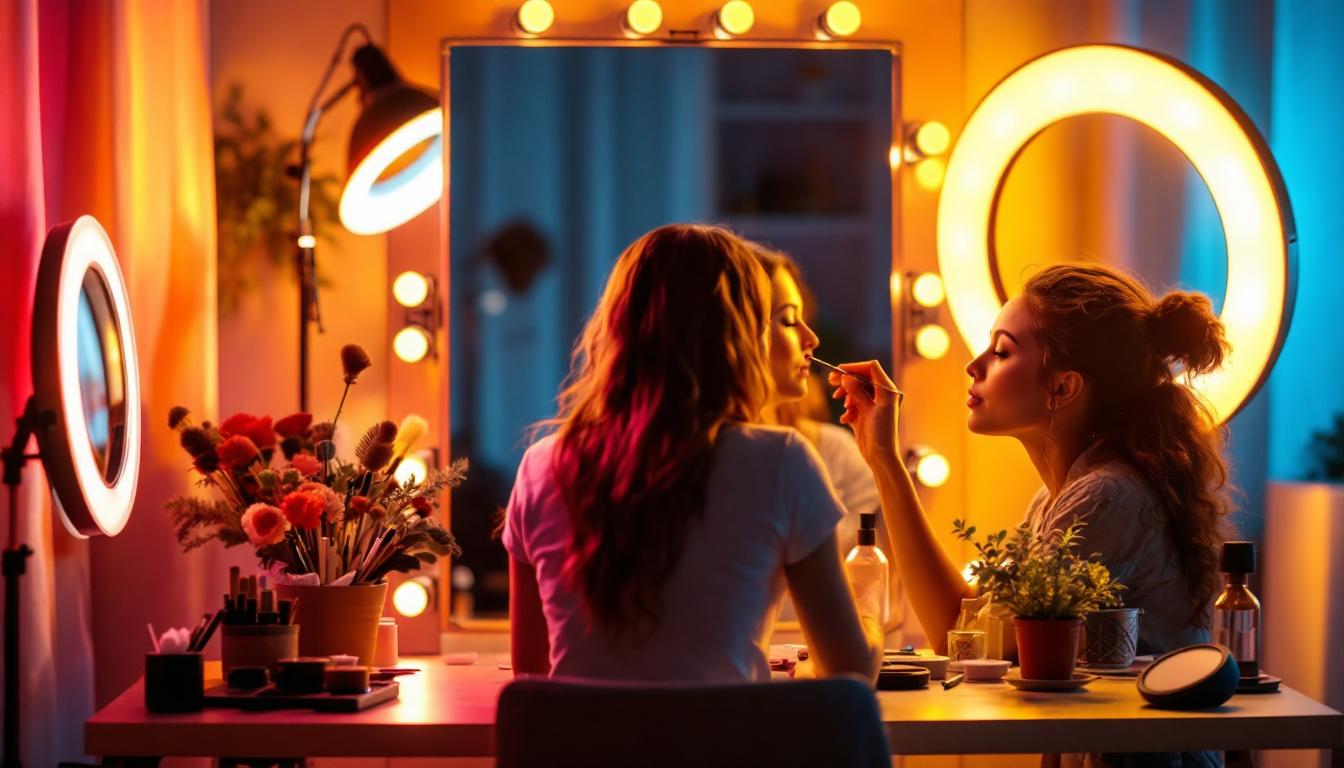
Using a combination of overhead lighting and side lighting helps to minimize shadows. Installing LED panels or ring lights around mirrors is a popular solution, as these provide consistent, soft light that wraps around the face. Avoid harsh spotlights or single-source lighting, which tend to create unwanted shadows and highlight imperfections. Additionally, incorporating adjustable diffusers can further enhance the quality of light, allowing for a more customized approach to each makeup application. This ensures that the artist can achieve the desired look without the interference of fluctuating shadows.
Furthermore, the placement of lighting fixtures is crucial. Positioning lights at eye level and slightly in front of the subject can create a flattering illumination that accentuates the features without overwhelming them. This technique is particularly beneficial for close-up work, such as applying foundation or eye makeup, where precision is key. By ensuring that the light source is well-angled and strategically placed, makeup artists can achieve a flawless finish that translates beautifully in photographs and real life alike.
Adjustable Lighting for Versatility
Makeup artists often work in different lighting conditions, from natural daylight to evening events. Incorporating dimmable and adjustable color temperature fixtures allows for greater flexibility. Contractors can install smart lighting systems that enable users to switch between warm and cool tones or adjust brightness levels based on the time of day or specific makeup needs.
Smart lighting controls, such as mobile apps or wall-mounted dimmers, empower makeup professionals to customize their environment quickly and efficiently. This adaptability enhances the overall makeup experience and ensures consistent results regardless of external lighting conditions. Moreover, the ability to simulate various lighting scenarios—like candlelight or fluorescent office lighting—can be invaluable for artists preparing clients for different occasions. By experimenting with these settings, makeup artists can refine their techniques and ensure that their work looks impeccable under any circumstances.
Additionally, integrating color-rendering index (CRI) rated bulbs into the lighting design can significantly improve the accuracy of color perception. High CRI lighting closely mimics natural sunlight, allowing artists to see true skin tones and makeup shades. This is particularly important for makeup application, as colors can appear drastically different under various types of lighting. By prioritizing high-quality lighting solutions, contractors can create an environment that not only meets the functional needs of makeup artists but also elevates the overall aesthetic of the space.
Choosing the Right Fixtures and Materials
LED vs. Fluorescent Lighting
LED lighting has become the gold standard in makeup lighting due to its energy efficiency, longevity, and superior color rendering capabilities. Unlike fluorescent bulbs, LEDs do not flicker and maintain consistent brightness over time, which is essential for precision work like makeup application.
Fluorescent lights, while initially cheaper, often emit a cooler, harsher light that can distort skin tones and cause eye strain. Additionally, their shorter lifespan and environmental concerns make them less desirable for modern makeup environments. Lighting contractors should recommend LED fixtures with high CRI and adjustable color temperatures for the best results.
Fixture Placement and Mirror Integration
Proper fixture placement is vital to achieving the desired lighting effect. Lights should be mounted at eye level on either side of the mirror to provide balanced illumination. This placement reduces shadows cast by the nose and chin, which are common problem areas.
Incorporating lighting directly into or around mirrors enhances functionality and aesthetics. Backlit mirrors or mirrors with integrated LED strips offer seamless lighting solutions that combine form and function. Contractors should consider the client’s space and workflow to determine the optimal fixture arrangement.
Advanced Tips and Hacks for Lighting Contractors
Using Diffusers and Reflectors
Diffusers soften harsh light, creating a more flattering and natural effect. Contractors can add diffusing panels or films to LED fixtures to reduce glare and hotspots. This technique is especially useful in smaller makeup rooms where light sources are close to the subject.
Reflectors can also be strategically placed to bounce light onto shadowed areas of the face. White or silver surfaces work best to enhance brightness without altering color temperature. These simple additions can significantly improve lighting quality without extensive rewiring or additional fixtures.
Incorporating Smart Home Technology
Smart home integration is a growing trend in lighting design. By connecting makeup lighting to smart hubs, contractors can offer clients voice control, preset scenes, and automation. For example, a “Makeup” scene could automatically set the lights to 5500K at 75% brightness, while a “Relax” scene dims the lights to a warmer tone.
This technology not only adds convenience but also future-proofs the installation. Lighting contractors can differentiate their services by offering these advanced solutions, appealing to tech-savvy clients who value customization and ease of use.
Energy Efficiency and Sustainability Considerations
With increasing awareness of environmental impact, energy-efficient lighting solutions are more important than ever. LEDs consume significantly less power than traditional bulbs, reducing operational costs and carbon footprint. Contractors should emphasize this benefit when advising clients, as it aligns with both economic and ecological priorities.
Additionally, selecting fixtures made from recyclable materials and those compliant with environmental standards can enhance the project’s sustainability profile. This approach not only benefits the planet but also appeals to clients who prioritize green building practices.
Common Mistakes to Avoid in Makeup Lighting Installations
Overlooking Ambient Light Sources
Many lighting contractors focus solely on the installed fixtures and neglect the impact of ambient light from windows, ceiling lights, or adjacent rooms. Ambient light can alter the perceived color temperature and intensity, leading to inconsistent makeup results.
To mitigate this, contractors should conduct thorough site assessments and recommend window treatments or supplemental lighting as needed. Balancing ambient and task lighting ensures a controlled environment conducive to flawless makeup application.
Ignoring Client Workflow and Space Constraints
Every makeup artist has a unique workflow, and the physical space can vary dramatically. Installing lighting without considering these factors can result in impractical or uncomfortable setups. For example, lights placed too close to the face might cause heat discomfort, while poorly positioned fixtures can hinder movement.
Contractors should engage clients during the design phase to understand their routines, preferences, and spatial limitations. Customized solutions that reflect these insights lead to higher satisfaction and better long-term outcomes.
Neglecting Maintenance and Accessibility
Maintenance is often overlooked during installation planning. Fixtures that are difficult to access for bulb replacement or cleaning can degrade lighting quality over time. Contractors should prioritize easy-to-maintain designs and educate clients on routine upkeep.
Choosing durable, long-lasting components reduces the frequency of maintenance and associated costs. Accessibility considerations also ensure that lighting remains optimal without disrupting daily operations.
Conclusion: Elevating Makeup Lighting Through Expert Installation
For lighting contractors, delivering good makeup light is a specialized skill that combines technical knowledge, design sensibility, and client collaboration. By understanding the nuances of color temperature, CRI, fixture selection, and placement, contractors can create environments that empower makeup artists to perform at their best.
Incorporating advanced technologies such as smart controls and energy-efficient LEDs further enhances the value of these installations. Avoiding common pitfalls and tailoring solutions to client needs ensures long-lasting satisfaction and professional excellence.
Ultimately, smart lighting contractors who master these hacks not only improve the quality of makeup lighting but also elevate their reputation as trusted experts in their field.
Get Your Premium Makeup Lighting Supplies at LumenWholesale
Ready to take your lighting installations to the next level? Choose LumenWholesale for all your makeup lighting needs. With our extensive selection of spec-grade lighting products, you can ensure every makeup artist has the perfect lighting environment to showcase their skills. Benefit from our unbeatable wholesale prices and free shipping on bulk orders, making high-quality lighting more affordable and accessible. Don’t compromise on quality or value—Wholesale Lighting at the Best Value is just a click away. Elevate your lighting game with LumenWholesale today.