Why LED Lighting Is a Game Changer for Gas Stations
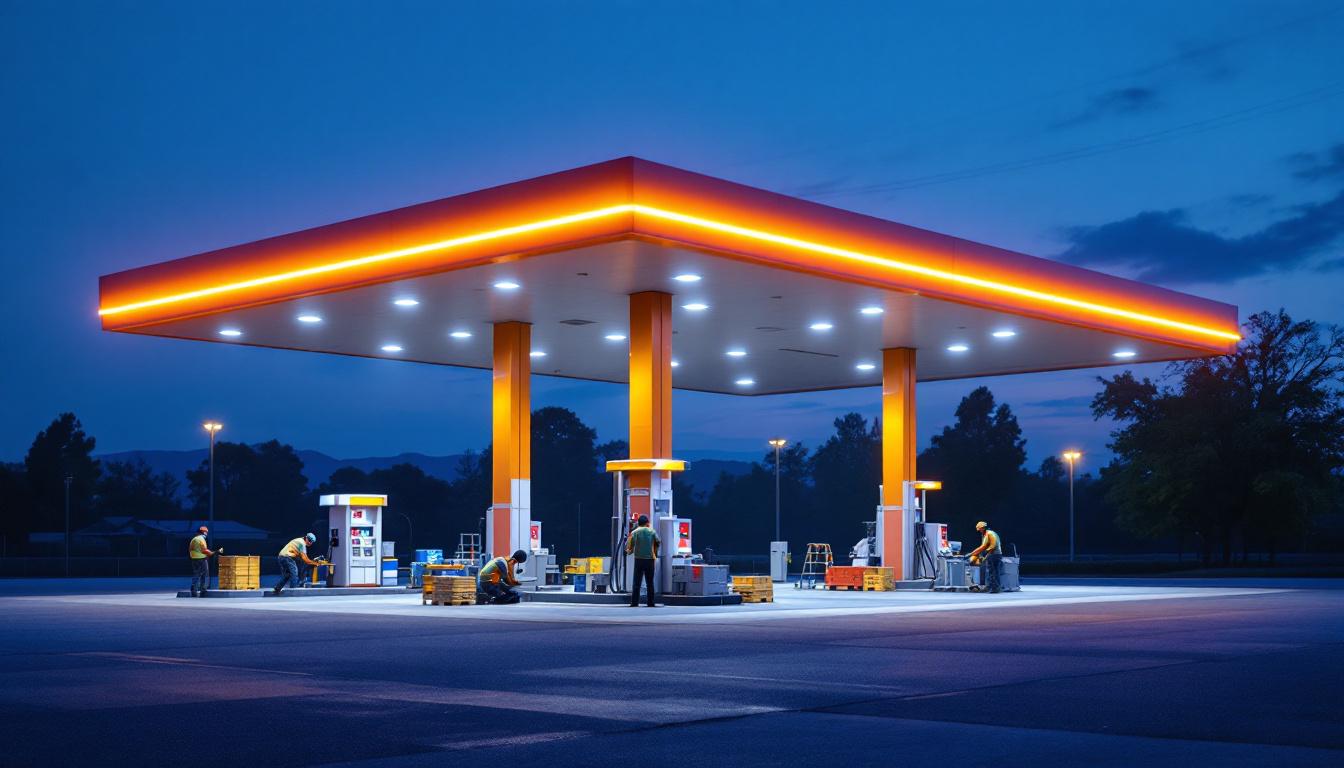
Gas stations operate under unique lighting demands. They require bright, consistent illumination to ensure safety, enhance visibility, and attract customers around the clock. Traditional lighting methods—like high-pressure sodium or metal halide lamps—have served well but come with drawbacks such as high energy consumption, frequent maintenance, and inconsistent light quality.
LED technology has revolutionized this space. It offers superior energy efficiency, longer lifespan, and improved light quality, which translates into significant operational benefits for gas station owners and lighting contractors alike. For contractors, understanding these advantages is crucial to delivering value and staying competitive.
Energy Efficiency and Cost Savings
LED fixtures consume up to 60-70% less energy than conventional lighting solutions. This dramatic reduction in power usage directly impacts operational costs, a compelling selling point for gas station clients who operate 24/7. Lighting contractors can leverage this to demonstrate immediate and long-term savings.
Moreover, LEDs produce less heat, reducing the load on cooling systems, which further cuts energy expenses. This efficiency also aligns with growing environmental regulations and sustainability goals, making LED upgrades a forward-thinking choice. In addition, many utility companies offer rebates and incentives for businesses that switch to energy-efficient lighting, providing an extra financial benefit that can make the transition even more appealing.
Durability and Reduced Maintenance
Gas stations are exposed to harsh weather, dust, and vibrations from nearby traffic. LED fixtures are built to withstand these conditions better than traditional bulbs. Their robust design means fewer replacements and less downtime.
For contractors, this translates into fewer service calls and increased customer satisfaction. Offering durable LED solutions positions contractors as reliable partners who understand the operational challenges faced by gas station owners. Additionally, the long lifespan of LED lights—often exceeding 50,000 hours—means that gas stations can enjoy extended periods of reliable performance without the hassle of frequent bulb changes. This not only saves money but also minimizes disruptions to business operations, allowing gas stations to maintain a consistently inviting atmosphere for customers, day or night.
Furthermore, the superior light quality of LEDs enhances the overall aesthetic of the gas station. With options for adjustable color temperatures, gas stations can create a welcoming environment that appeals to customers. Bright, clear lighting not only improves safety but also highlights promotional signage and fuel prices, drawing in more foot traffic. As a result, gas stations can not only save on operational costs but also potentially increase sales through improved customer engagement and satisfaction.
Key Features Lighting Contractors Should Highlight in Gas Station LED Projects
When pitching LED upgrades or installations, contractors must emphasize features that matter most to gas station operators. These features not only improve the lighting experience but also address specific operational pain points.
Uniform Illumination and Enhanced Safety
Uniform lighting reduces shadows and dark spots, which are critical for safety in fueling areas and convenience store entrances. LEDs provide consistent color temperature and brightness, improving visibility for both customers and employees.
Better lighting deters criminal activity and helps prevent accidents, making it a vital selling point. Contractors can suggest lighting designs that maximize coverage while minimizing glare, enhancing both safety and comfort. Additionally, the use of LED lighting can improve the overall aesthetic of the gas station, creating an inviting atmosphere that encourages customers to stop and shop. A well-lit environment not only enhances safety but also contributes to a positive customer experience, which is essential for building brand loyalty in a highly competitive market.
Smart Controls and Integration
Modern LED systems often come with smart controls such as dimming capabilities, motion sensors, and remote management. These features allow gas station operators to optimize lighting schedules, reduce energy waste during low-traffic hours, and monitor system performance in real-time.
Lighting contractors who are proficient in integrating these technologies can offer comprehensive solutions that go beyond simple fixture replacement. This expertise differentiates them in a competitive market. Moreover, the ability to integrate with existing security systems or other operational technologies can provide gas stations with a seamless and efficient management experience. By utilizing data analytics from smart lighting systems, operators can gain insights into customer behavior and traffic patterns, further refining their operational strategies and enhancing service delivery.
Color Rendering and Brand Image
LEDs offer superior color rendering compared to traditional lighting, which means colors appear more natural and vibrant. This is important for gas stations that want to maintain a clean, welcoming environment and showcase their branding effectively.
Contractors should educate clients on how improved color quality can enhance the overall customer experience, making the station more inviting and boosting sales in convenience stores. Furthermore, the right lighting can highlight promotional displays and special offers, drawing attention to products that may otherwise go unnoticed. By strategically using color temperature and intensity, gas stations can create a unique ambiance that aligns with their brand identity, ultimately influencing customer perceptions and purchasing decisions. This nuanced approach to lighting design can transform a standard gas station into a memorable retail experience, encouraging repeat visits and fostering customer loyalty.
Installation Best Practices for Lighting Contractors
Successful LED installations at gas stations require careful planning and execution. Contractors must balance technical requirements, safety standards, and customer expectations to deliver optimal results.
Site Assessment and Customized Design
Every gas station has unique layout and lighting needs. A thorough site assessment helps identify existing lighting deficiencies, power availability, and environmental factors. Contractors should use this information to design customized LED solutions tailored to each location.
Advanced lighting design software can simulate different scenarios, helping contractors and clients visualize the impact of various fixture placements and light intensities before installation. This technology not only aids in making informed decisions but also allows for adjustments based on client feedback, ensuring that the final design aligns with their vision and operational requirements.
Additionally, incorporating energy efficiency metrics during the design phase can lead to significant cost savings in the long run. By analyzing the potential energy consumption of different lighting options, contractors can recommend solutions that not only enhance visibility but also reduce operational costs, making the investment more appealing to gas station owners.
Compliance with Safety and Industry Standards
Gas stations must comply with strict safety regulations, including explosion-proof lighting in hazardous zones. Contractors need to select LED fixtures certified for use in these environments to ensure safety and regulatory compliance.
Understanding local codes and industry standards is non-negotiable. Proper installation practices also involve secure mounting, correct wiring, and grounding to prevent electrical hazards. Furthermore, contractors should stay updated on any changes in regulations or advancements in lighting technology that could affect compliance, as this knowledge positions them as experts in the field and reassures clients of their commitment to safety.
Regular training and certification in safety standards can also enhance a contractor’s credibility. By demonstrating a proactive approach to safety and compliance, contractors can build stronger relationships with clients and foster a reputation for reliability and professionalism in the industry.
Minimizing Disruption During Installation
Gas stations operate continuously, so minimizing downtime during lighting upgrades is essential. Contractors should plan installations during off-peak hours or in phases to avoid disrupting business.
Clear communication with the client about the installation schedule and expected impacts builds trust and ensures smooth project execution. Providing detailed timelines and updates can help manage client expectations and allow for better planning on their part, ensuring that the gas station remains operational and customer-friendly throughout the process.
Moreover, employing a well-coordinated team can further streamline the installation process. Assigning specific roles and responsibilities ensures that tasks are completed efficiently, reducing the overall time spent on-site. This organized approach not only minimizes disruption but also enhances the quality of the installation, resulting in a more polished final product that meets the high standards expected in the gas station environment.
Maintenance and Support: Building Long-Term Client Relationships
LED lighting reduces maintenance frequency, but it does not eliminate the need for ongoing support. Lighting contractors who offer proactive maintenance and responsive service create lasting partnerships with gas station owners.
Routine Inspections and Cleaning
Dust, dirt, and environmental factors can degrade LED performance over time. Regular inspections and cleaning help maintain optimal light output and extend fixture lifespan.
Contractors can offer maintenance contracts that include scheduled visits, ensuring the lighting system stays in peak condition and preventing unexpected failures.
Remote Monitoring and Troubleshooting
Smart LED systems equipped with remote monitoring enable contractors to identify issues before they become critical. This proactive approach reduces response times and minimizes downtime.
Providing clients with data on energy usage and system health also helps demonstrate the value of LED investments and encourages continued upgrades.
Upgrades and Scalability
As LED technology evolves, new features and improved efficiency become available. Contractors should advise clients on potential upgrades and scalable solutions that accommodate future needs.
Positioning oneself as a trusted advisor rather than just a vendor fosters client loyalty and opens doors for ongoing business.
Case Studies: Real-World Success with Gas Station LED Projects
Examining successful LED installations at gas stations illustrates how these projects benefit all stakeholders.
Case Study 1: Energy Savings and Safety Improvements
A regional gas station chain replaced all conventional lighting with LED fixtures, including canopy lights, parking areas, and convenience store interiors. The upgrade resulted in a 65% reduction in energy consumption and a 50% decrease in maintenance costs.
Additionally, the uniform lighting improved nighttime visibility, reducing slip-and-fall incidents reported by employees. The chain reported increased customer satisfaction and a stronger brand image.
Case Study 2: Smart Lighting Controls Enhance Operational Efficiency
A busy urban gas station implemented LED lighting integrated with motion sensors and remote management software. During low-traffic hours, lighting levels automatically dimmed, cutting energy use without compromising safety.
The station manager appreciated the ability to monitor system performance remotely, enabling quick responses to any lighting issues. The contractor provided ongoing support, reinforcing the client relationship.
Conclusion: Why Lighting Contractors Should Embrace Gas Station LED Solutions
LED lighting is not just a product upgrade; it’s a transformative tool that reshapes how lighting contractors approach gas station projects. The combination of energy efficiency, durability, safety enhancements, and smart technology integration offers a compelling value proposition.
Contractors who master the technical, regulatory, and operational aspects of gas station LED lighting position themselves as indispensable partners. This expertise drives business growth, fosters client loyalty, and contributes to safer, more sustainable communities.
Get Your Gas Station LED Solutions at LumenWholesale
Ready to elevate your lighting projects with the efficiency and durability of LED? Look no further than LumenWholesale for all your gas station lighting needs. Our spec-grade lighting products are designed to meet the highest industry standards, ensuring you deliver top-notch solutions to your clients. With unbeatable wholesale prices and the convenience of free shipping on bulk orders, you can trust us to provide the best value without any hidden fees. Make the smart choice and shop at LumenWholesale today to experience the perfect blend of quality, affordability, and convenience for your lighting contractor business.