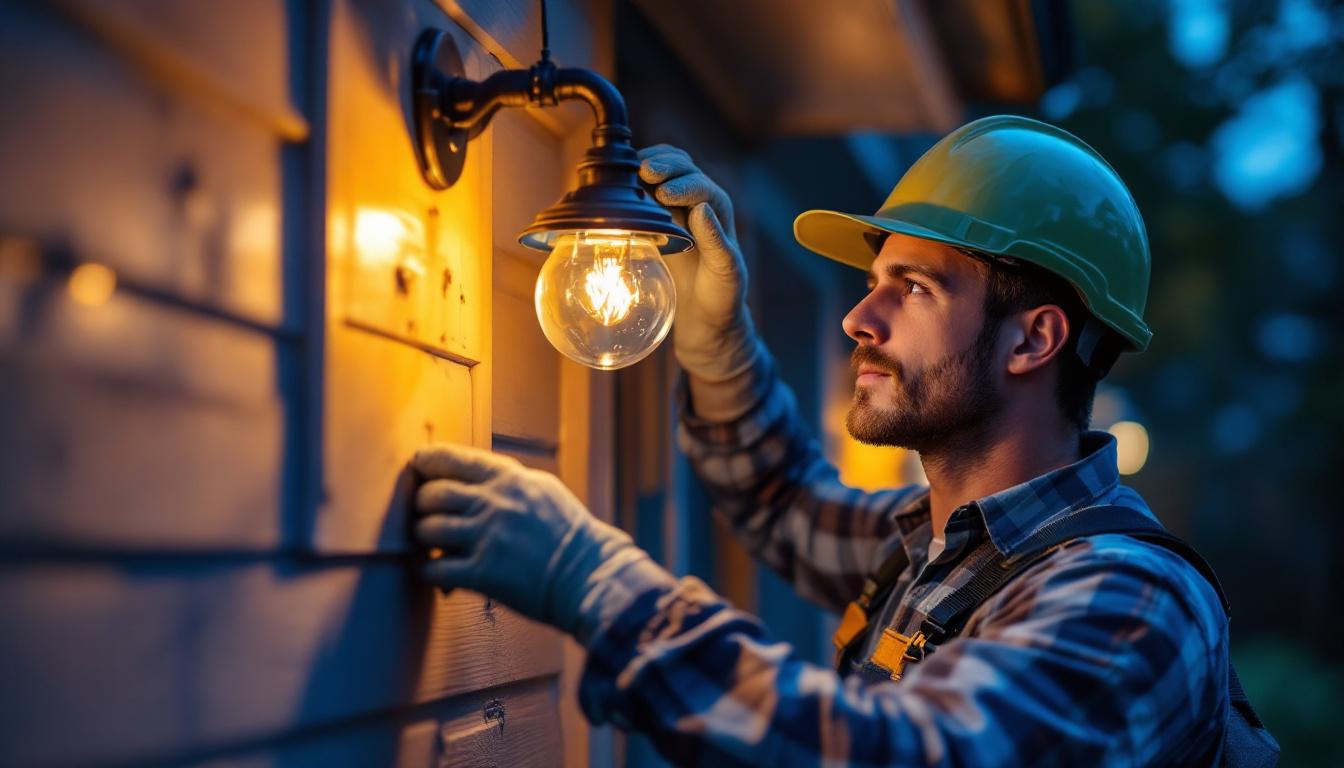
Introduction to Gas Lighting in Residential Settings
Gas lighting, once the primary source of illumination before the widespread adoption of electricity, has experienced a niche resurgence in residential applications. Homeowners seeking a vintage aesthetic or aiming to enhance outdoor ambiance often opt for gas lights on houses. For lighting contractors, this trend presents a unique set of challenges that differ significantly from modern electrical lighting installations.
Understanding these challenges is crucial for contractors to deliver safe, efficient, and aesthetically pleasing gas lighting solutions. This article explores the top obstacles lighting contractors face when working with gas lights on residential properties and offers insights into how to navigate them effectively.
One of the primary challenges contractors encounter is ensuring the safe installation and maintenance of gas lines. Unlike electrical wiring, gas lines require meticulous attention to detail to prevent leaks, which can pose serious safety hazards. Contractors must be well-versed in local codes and regulations governing gas installations, as well as the specific requirements for ventilation and clearances from combustible materials. Additionally, the installation process often involves working in tight spaces or retrofitting existing structures, which can complicate the installation of gas fixtures. This necessitates a high level of skill and experience to ensure that both the aesthetic and functional aspects of the lighting are achieved without compromising safety.
Moreover, the aesthetic appeal of gas lighting is not solely derived from its vintage charm; it also hinges on the quality of the flame and the design of the fixtures. Contractors must be knowledgeable about the various types of gas lights available, from traditional lanterns to modern designs that incorporate gas technology. They also need to understand how factors such as gas pressure and burner design influence the color and intensity of the flame. This understanding allows them to create a cohesive look that enhances the architectural features of a home while providing adequate illumination. Furthermore, as homeowners become more environmentally conscious, contractors may need to explore options for using alternative gases or hybrid systems that combine gas and electric lighting, adding another layer of complexity to their projects.
Safety and Compliance: Navigating Regulatory Complexities
Adhering to Stringent Safety Standards
Safety is paramount when dealing with gas lighting systems. Unlike electric lights, gas lights involve combustible fuel, which introduces risks such as leaks, fire hazards, and carbon monoxide poisoning. Lighting contractors must be well-versed in local, state, and national codes governing gas installations. These regulations often include requirements for proper ventilation, flame arrestors, and regular maintenance schedules.
For example, the National Fire Protection Association (NFPA) provides guidelines that contractors must follow to minimize risks. Failure to comply can result in severe penalties and, more importantly, endanger residents. Ensuring all installations meet these safety standards requires meticulous planning and execution. Additionally, contractors should engage in ongoing education and training to stay updated on evolving safety protocols and technologies. This commitment not only enhances their expertise but also fosters trust with clients who prioritize safety in their homes and businesses.
Obtaining Permits and Inspections
Another regulatory hurdle is the permitting process. Gas lighting installations often require permits from municipal authorities, and inspections are mandatory before the system can be operational. These procedures can be time-consuming and may delay project timelines if not managed proactively.
Contractors must maintain clear communication with clients about these requirements and coordinate with local authorities to streamline approvals. Developing a thorough understanding of the permitting landscape in their service areas can help contractors avoid costly delays. Furthermore, establishing relationships with local inspectors can facilitate smoother inspections and foster a collaborative environment. By proactively addressing potential concerns and demonstrating a commitment to compliance, contractors can enhance their reputation and ensure a more efficient project flow.
Moreover, it’s essential for contractors to document every step of the installation process meticulously. This includes keeping records of permits, inspections, and any correspondence with regulatory bodies. Such documentation not only serves as a safeguard against potential disputes but also provides a reference for future projects. In an industry where safety and compliance are non-negotiable, thorough record-keeping can be a contractor’s best ally in navigating the complexities of gas lighting installations.
Technical Challenges in Installation and Maintenance
Complexity of Gas Line Integration
Installing gas lights involves integrating the lighting fixtures with existing gas lines or installing new lines where necessary. This process demands precision to prevent leaks and ensure consistent fuel flow. Unlike electrical wiring, gas lines require specialized skills and tools, such as pressure gauges and leak detection equipment.
Contractors must also consider the layout of the property, ensuring that gas lines are routed safely and discreetly. This often involves working around landscaping, foundations, and other structural elements, which can complicate the installation process.
Compatibility with Existing Infrastructure
Many homes with gas lighting needs may have outdated or incompatible gas infrastructure. Contractors frequently encounter challenges when retrofitting older homes, where gas lines may not meet current standards or may have deteriorated over time.
Assessing the condition of existing gas lines and determining whether upgrades or replacements are necessary is a critical step. This assessment requires thorough inspection and sometimes collaboration with licensed plumbers or gas specialists to ensure the system’s integrity.
Maintenance and Longevity Concerns
Gas lights require regular maintenance to function safely and efficiently. Components such as burners, mantles, and valves can degrade or become clogged with soot and debris. Lighting contractors often need to educate homeowners on maintenance routines or offer ongoing service contracts.
Additionally, the lifespan of gas lighting fixtures can be affected by environmental factors such as moisture, temperature fluctuations, and exposure to the elements. Selecting durable materials and providing proper installation can mitigate some of these issues, but contractors must remain vigilant in their maintenance recommendations.
Design and Aesthetic Considerations
Balancing Vintage Style with Modern Expectations
One of the primary reasons homeowners choose gas lights is their classic, nostalgic appeal. However, achieving this aesthetic while meeting modern safety and performance standards can be challenging. Contractors must carefully select fixtures that replicate historic designs but incorporate contemporary technology for improved safety and efficiency.
For example, some manufacturers offer gas lights with built-in electronic ignition systems or flame sensors, blending tradition with innovation. Lighting contractors need to stay informed about these advancements to provide clients with the best options.
Customization and Client Preferences
Clients often have specific visions for how gas lighting should enhance their homes, from the placement of fixtures to the intensity and color of the flame. Meeting these expectations requires a collaborative approach, where contractors provide expert guidance while accommodating personal tastes.
Custom fabrication of fixtures or unique installation techniques may be necessary to achieve the desired look. This level of customization can increase project complexity and requires contractors to have a broad skill set and access to specialized suppliers.
Environmental and Economic Factors
Fuel Costs and Availability
Gas lighting relies on natural gas or propane, both of which are subject to market fluctuations and regional availability. Contractors must consider these factors when advising clients, as fuel costs can impact the long-term affordability of gas lighting systems.
In some areas, propane delivery logistics can complicate maintenance, especially for properties in remote locations. Contractors should help homeowners evaluate these considerations before installation to ensure satisfaction with the investment.
Environmental Impact and Sustainability Concerns
With increasing emphasis on sustainability, gas lighting faces scrutiny due to its reliance on fossil fuels and associated emissions. Lighting contractors may encounter clients who are environmentally conscious and seek alternatives or hybrid solutions.
To address these concerns, contractors can explore options such as integrating gas lighting with solar-powered controls or using ultra-efficient burners that minimize fuel consumption. Educating clients about the environmental footprint and potential mitigation strategies is an important aspect of the consultation process.
Training, Expertise, and Industry Trends
Need for Specialized Training
Gas lighting installation and maintenance require expertise distinct from electrical lighting. Contractors must invest in ongoing training to stay current with evolving codes, technologies, and best practices. Certification programs and workshops offered by industry organizations provide valuable resources.
Developing proficiency in gas lighting not only enhances safety and quality but also differentiates contractors in a competitive market. Clients often seek professionals with demonstrated knowledge and credentials in this specialized area.
Keeping Up with Technological Innovations
The gas lighting industry is evolving, with innovations such as remote ignition systems, smart controls, and improved materials enhancing functionality and user experience. Lighting contractors must keep abreast of these developments to offer cutting-edge solutions that meet modern expectations.
Embracing technology can also streamline installation and maintenance processes, reduce costs, and improve client satisfaction. Staying informed through trade publications, manufacturer updates, and industry events is essential for maintaining a competitive edge.
Conclusion: Overcoming Challenges for Successful Gas Lighting Projects
Gas lights on houses present a distinctive blend of aesthetic appeal and technical complexity. Lighting contractors face numerous challenges ranging from safety compliance and technical installation hurdles to design customization and environmental considerations. Successfully navigating these obstacles requires a comprehensive understanding of regulatory requirements, technical expertise, and effective client communication.
By investing in specialized training, embracing technological advancements, and maintaining a client-focused approach, lighting contractors can capitalize on the growing interest in gas lighting. Delivering safe, reliable, and beautiful gas lighting installations not only enhances residential properties but also solidifies contractors’ reputations as skilled professionals in this niche market.
Illuminate Your Projects with LumenWholesale
Ready to tackle the unique challenges of gas lighting installations with confidence? At LumenWholesale, we support your commitment to excellence by providing the highest quality, spec-grade lighting products at the best value. Say goodbye to inflated markups and hello to a vast selection of reliable lighting solutions that meet rigorous industry standards. With our hassle-free bulk buying and free shipping, you can equip your gas lighting projects with premium materials while keeping costs down. Elevate your lighting installations today by visiting Wholesale Lighting at the Best Value and discover the LumenWholesale difference.