Introduction to Garden LED Solar Lights
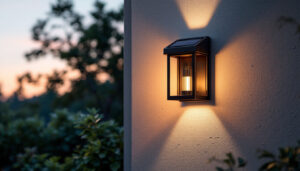
As outdoor lighting continues to evolve, garden LED solar lights have become a pivotal component in landscape design and illumination projects. For lighting professionals, understanding the nuances of these eco-friendly, energy-efficient fixtures is essential to delivering optimal results for clients. Garden LED solar lights combine the benefits of LED technology with solar power, offering a sustainable solution that reduces electrical wiring complexity and lowers operational costs. These lights not only provide illumination but also enhance the beauty of outdoor spaces, creating a warm and inviting atmosphere for gardens, pathways, and patios.
Lighting contractors face unique challenges when specifying and installing these systems, from assessing site conditions to selecting the right product specifications. Factors such as sunlight exposure, geographical location, and seasonal variations can significantly impact the performance of solar lights. This comprehensive checklist aims to guide professionals through the critical considerations to ensure successful garden LED solar light installations that meet both aesthetic and functional demands. Additionally, understanding the different types of solar lights available—such as motion-sensor lights, decorative fixtures, and pathway markers—can help contractors tailor their solutions to the specific needs of each project, ensuring that clients receive not only practical lighting but also a visually appealing design that complements their outdoor environment.
Moreover, the integration of smart technology into garden LED solar lights is revolutionizing the way outdoor spaces are illuminated. Many modern solar lights now come equipped with features such as remote control, programmable timers, and even smartphone connectivity, allowing users to customize their lighting experience. This advancement not only enhances convenience but also promotes energy efficiency, as users can adjust settings based on their specific needs and preferences. As the demand for smart outdoor solutions continues to rise, lighting professionals must stay informed about the latest innovations in solar technology to provide their clients with cutting-edge options that align with contemporary lifestyle trends.
Key Benefits of Garden LED Solar Lights for Professionals
Energy Efficiency and Sustainability
One of the primary advantages of garden LED solar lights is their energy efficiency. LEDs consume significantly less power compared to traditional incandescent or halogen bulbs, often using up to 80% less energy. When paired with solar power, these lights operate independently of the electrical grid, harnessing renewable energy from sunlight. This not only reduces carbon footprints but also appeals to environmentally conscious clients seeking sustainable landscape solutions. Additionally, many modern solar lights are equipped with smart technology that optimizes energy use by adjusting brightness based on ambient light levels, further enhancing their efficiency. This intelligent feature ensures that gardens remain beautifully illuminated while conserving energy during peak daylight hours.
Cost-Effectiveness Over Time
While the initial investment in quality garden LED solar lights might be higher than conventional lighting, the long-term savings are considerable. The elimination of trenching and wiring reduces installation labor and material costs. Moreover, since solar lights do not rely on grid electricity, clients benefit from zero ongoing energy expenses. Maintenance costs are also minimized due to the long lifespan of LEDs and the absence of electrical components prone to failure. Furthermore, the durability of solar lights means they can withstand various weather conditions, reducing the frequency of replacements and repairs. As a result, clients can allocate their budgets more effectively, investing in other enhancements for their landscapes, knowing that their lighting solutions will remain reliable and cost-efficient over time.
Flexibility and Ease of Installation
Garden LED solar lights offer unparalleled flexibility in placement, as they do not require a wired power source. This is particularly advantageous in remote or challenging landscapes where electrical access is limited or costly to establish. The modular nature of solar lighting systems allows contractors to adapt designs quickly, reposition fixtures, and expand installations with minimal disruption. Additionally, the portability of solar lights means that they can be easily relocated to highlight seasonal blooms or changing garden layouts, providing a dynamic lighting solution that evolves with the landscape. This adaptability not only enhances the aesthetic appeal of outdoor spaces but also allows professionals to cater to the specific preferences of their clients, ensuring that every garden is uniquely illuminated to showcase its best features.
Pre-Installation Considerations
Site Assessment and Solar Exposure
Before specifying garden LED solar lights, a thorough site evaluation is crucial. Solar panels require direct sunlight to charge efficiently, so assessing the location’s solar exposure throughout the day is fundamental. Factors such as shading from trees, buildings, or other structures can significantly impact performance. Lighting professionals should use tools like solar pathfinders or apps to analyze sun patterns and identify optimal fixture placement.
Client Requirements and Lighting Objectives
Understanding the client’s goals for their garden lighting is essential. Are they seeking accent lighting to highlight specific features, pathway illumination for safety, or ambient lighting to create atmosphere? Clarifying these objectives informs the choice of light intensity, color temperature, and fixture style. Additionally, discussing preferences regarding automation, such as dusk-to-dawn sensors or motion detection, ensures the final design aligns with user expectations.
Local Regulations and Standards
Compliance with local codes and regulations is a critical step in any lighting project. Some municipalities have restrictions on light pollution, maximum brightness levels, or specific installation practices for solar devices. Lighting contractors should familiarize themselves with these requirements to avoid costly rework or penalties. Furthermore, adherence to industry standards for electrical safety and product certifications guarantees reliability and client confidence.
Technical Specifications Checklist
Solar Panel Efficiency and Battery Capacity
The heart of any garden LED solar light is its solar panel and battery system. Professionals must evaluate the panel’s wattage and efficiency rating to ensure it can generate sufficient power given the site’s solar conditions. Higher efficiency panels perform better in low-light scenarios, extending operational hours. Battery capacity, typically measured in milliampere-hours (mAh), determines how long the light can operate after sunset. Lithium-ion batteries are preferred for their longevity and fast charging capabilities.
LED Lumens and Color Temperature
Light output is measured in lumens, and selecting the appropriate brightness level is vital for both functionality and ambiance. Pathway lights generally require 100 to 300 lumens, while accent lights may need more or less depending on the feature highlighted. Color temperature, expressed in Kelvins (K), influences the mood: warmer tones (2700K–3000K) create inviting atmospheres, whereas cooler tones (4000K–5000K) enhance visibility and modern aesthetics.
Durability and Weather Resistance
Outdoor lighting fixtures must withstand varying weather conditions, including rain, wind, and temperature fluctuations. Look for products with high ingress protection (IP) ratings, ideally IP65 or above, ensuring resistance to dust and water jets. Materials such as anodized aluminum, stainless steel, or UV-resistant plastics contribute to longevity. Additionally, robust mounting options prevent damage from accidental impacts or wildlife.
Control Systems and Smart Features
Modern garden LED solar lights often include integrated control systems that enhance user convenience and energy management. Features such as photocells, timers, and motion sensors allow lights to operate only when needed, conserving battery life. Some advanced models support wireless connectivity, enabling remote control via smartphone apps or integration with home automation systems. Lighting professionals should evaluate these options based on client preferences and project complexity.
Installation Best Practices
Optimizing Solar Panel Orientation
Proper orientation and tilt of solar panels are critical to maximize energy absorption. In the northern hemisphere, panels should generally face south at an angle matching the latitude to capture optimal sunlight. For garden LED solar lights, ensuring the panel is free from obstructions and angled correctly can significantly improve charging efficiency and light performance.
Secure Mounting and Wiring Considerations
Even though garden solar lights reduce wiring needs, some installations may require low-voltage connections between panels and fixtures. Using weatherproof connectors and conduits protects against moisture ingress. Fixtures should be securely anchored to prevent shifting or tipping, which could obscure solar panels or damage components. Lighting contractors should follow manufacturer guidelines for mounting heights and spacing to achieve uniform illumination.
Testing and Commissioning
Once installed, thorough testing ensures the system operates as intended. This includes verifying solar charging during daylight, checking light activation at dusk, and confirming sensor responsiveness if applicable. Documenting performance metrics and educating clients on maintenance and troubleshooting enhances satisfaction and reduces service calls.
Maintenance and Troubleshooting Tips
Routine Cleaning and Inspection
Solar panels accumulate dust, leaves, and debris that can diminish charging efficiency. Scheduling regular cleaning with a soft cloth and mild detergent helps maintain optimal performance. Inspecting batteries and LED modules for signs of wear or corrosion allows early detection of potential issues. Lighting professionals should advise clients on recommended maintenance intervals based on environmental conditions.
Battery Replacement and Lifecycle Management
Batteries are typically the first component to degrade in solar lighting systems. Identifying signs of reduced run-time or inconsistent operation signals the need for replacement. Using compatible, high-quality batteries extends system longevity. Professionals should maintain records of installation dates and battery specifications to streamline future servicing.
Addressing Common Issues
Common challenges include inadequate illumination due to shading, sensor malfunctions, or mechanical damage from weather events. Troubleshooting involves reassessing panel placement, recalibrating sensors, or replacing damaged parts. Maintaining open communication with clients about environmental changes, such as new plant growth or construction, helps preempt performance problems.
Conclusion: Delivering Excellence with Garden LED Solar Lights
For lighting professionals, mastering the selection, installation, and maintenance of garden LED solar lights is vital to meeting the growing demand for sustainable and visually appealing outdoor lighting solutions. This essential checklist provides a structured approach to navigating the complexities of solar-powered LED systems, ensuring projects achieve energy efficiency, durability, and client satisfaction.
By integrating thorough site assessments, technical expertise, and best practices, contractors can confidently specify and implement garden LED solar lighting that enhances landscapes while promoting environmental stewardship. As technology advances, staying informed about innovations and emerging standards will further empower professionals to deliver cutting-edge lighting experiences.
Illuminate Your Projects with LumenWholesale
Ready to elevate your lighting projects with the most efficient and sustainable garden LED solar lights? At LumenWholesale, we provide lighting professionals like you with the highest quality, spec-grade lighting products at prices that can’t be beaten. Say goodbye to local distributor markups and hello to our extensive selection that meets rigorous industry standards. With free shipping on bulk orders, you can trust that you’re getting premium lighting solutions at the best value — all without hidden fees or compromises. Enhance your outdoor lighting designs today and experience the best in wholesale lighting at LumenWholesale.