Rethinking Garage Lighting: Beyond the Basics
Garages have transformed from mere storage spaces into versatile areas for workshops, home gyms, and hobby zones. This shift demands lighting solutions that are not just functional but also tailored to specific tasks and aesthetics. Traditional incandescent bulbs or basic fluorescent tubes no longer meet the nuanced requirements of modern garage use.
Lighting contractors face the challenge of balancing brightness, energy efficiency, durability, and ease of installation. The future of garage lighting lies in innovative technologies and design strategies that enhance visibility, safety, and ambiance while minimizing energy consumption and maintenance.
Why Garage Lighting Matters More Than Ever
Proper lighting in garages directly impacts productivity and safety. Poorly lit garages increase the risk of accidents—from tripping hazards to improper tool handling. For contractors, offering advanced lighting solutions can differentiate their services and add value to clients’ investments.
Energy efficiency is another critical factor. Garages often have lights on for extended periods, especially in commercial or workshop settings. Implementing energy-saving options reduces operational costs and aligns with growing environmental regulations and consumer expectations.
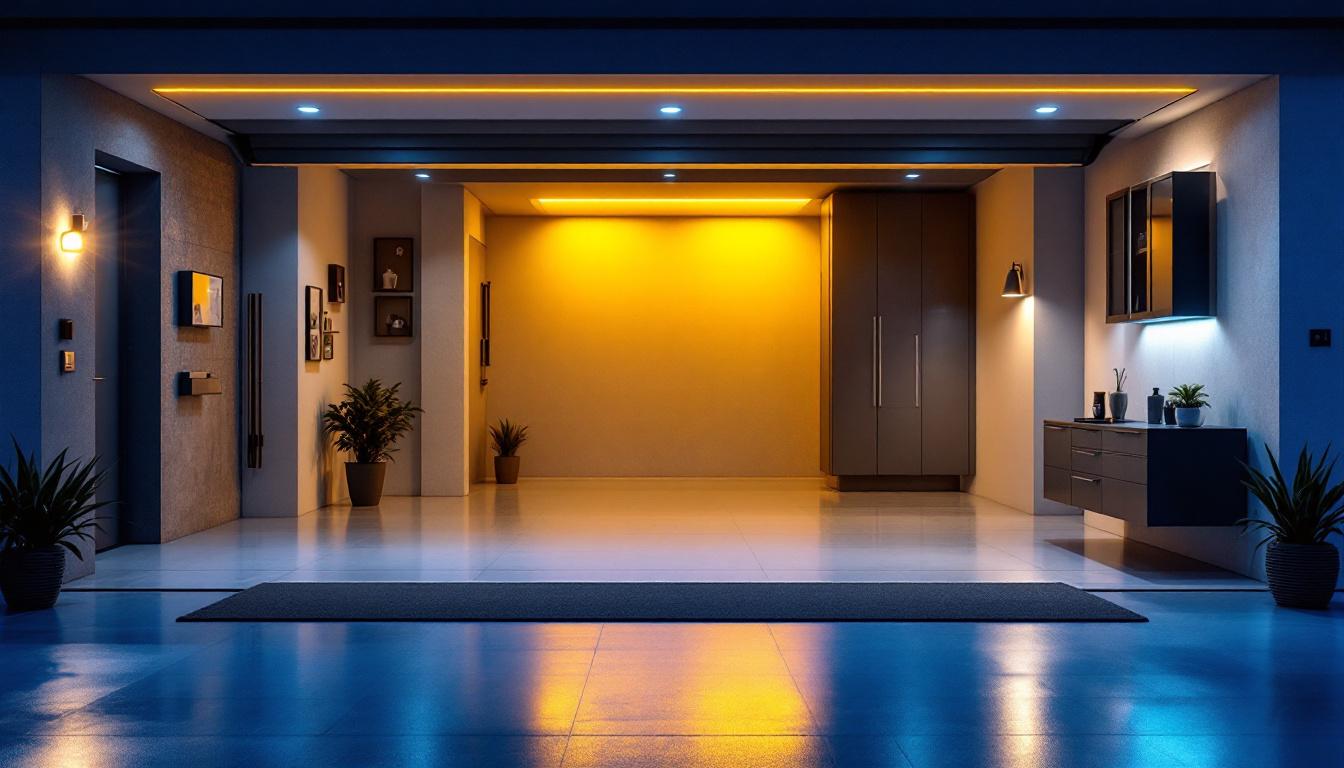
Moreover, the aesthetic appeal of garage lighting should not be overlooked. With the rise of open-concept living spaces, garages are increasingly visible from the home, making their design an extension of the overall aesthetic. Stylish pendant lights, integrated LED strips, or even smart lighting systems can create an inviting atmosphere that complements the rest of the home. This trend encourages homeowners to view their garages not just as functional spaces but as integral parts of their living environment.
Additionally, advancements in smart technology have revolutionized how we interact with garage lighting. Home automation systems allow users to control lighting remotely, set schedules, or adjust brightness levels based on the time of day or activity. This level of customization not only enhances convenience but also promotes energy conservation, as lights can be programmed to turn off when the garage is not in use. As homeowners become more tech-savvy, the demand for intelligent lighting solutions that integrate seamlessly with their lifestyles will continue to grow.
LED Technology: The Cornerstone of Modern Garage Lighting
LED lighting has revolutionized the industry, becoming the go-to choice for garage applications. Its advantages extend beyond energy savings; LEDs provide superior light quality, longer lifespan, and greater design flexibility.
Brightness and Color Rendering
LEDs deliver high lumen output with excellent color rendering index (CRI), which is crucial for tasks requiring color accuracy-such as automotive work or detailed craftsmanship. A CRI above 80 is typically recommended for garages, ensuring colors appear natural and shadows are minimized.
Contractors should advise clients on selecting LED fixtures with adjustable color temperatures. Cooler light (around 5000K) mimics daylight and enhances focus, while warmer tones (2700K-3000K) create a more relaxed atmosphere when the garage doubles as a recreational space. This versatility allows homeowners to customize their garage lighting according to their needs, whether they are working on a project or hosting a gathering.
Durability and Maintenance
Garages are prone to dust, moisture, and temperature fluctuations. LEDs are well-suited to these conditions due to their solid-state construction and resistance to shock and vibration. Many fixtures come with IP ratings indicating protection against dust and water, an essential consideration for garage installations. This durability not only ensures longevity but also enhances safety, as LED lights are less likely to fail unexpectedly, reducing the risk of accidents in poorly lit areas.
Long lifespan-often exceeding 50,000 hours-means fewer replacements and less downtime. This reliability is a selling point for contractors aiming to reduce future maintenance calls. Additionally, the low heat output of LEDs minimizes the risk of overheating, making them a safer option in enclosed spaces. Homeowners can also benefit from the reduced energy consumption, leading to lower utility bills over time, which is an attractive feature in today’s eco-conscious market.
Smart Lighting Systems: Integration and Control
Smart lighting is no longer confined to living rooms and offices. Garages benefit significantly from automation and remote control features, which enhance convenience and energy management. With the rise of smart home technology, homeowners are increasingly looking to optimize every aspect of their living spaces, including often-overlooked areas like garages. This shift not only improves functionality but also adds a layer of sophistication to home automation.
Motion Sensors and Occupancy Detection
Incorporating motion sensors ensures lights activate only when the garage is in use, preventing wasteful energy consumption. Advanced sensors can differentiate between human movement and pets or vehicles, reducing false triggers. This precision is particularly beneficial in busy households where multiple family members may enter and exit the garage at different times. The ability to customize sensitivity settings allows for a tailored experience, ensuring that lights respond appropriately to genuine activity while remaining off during periods of inactivity.
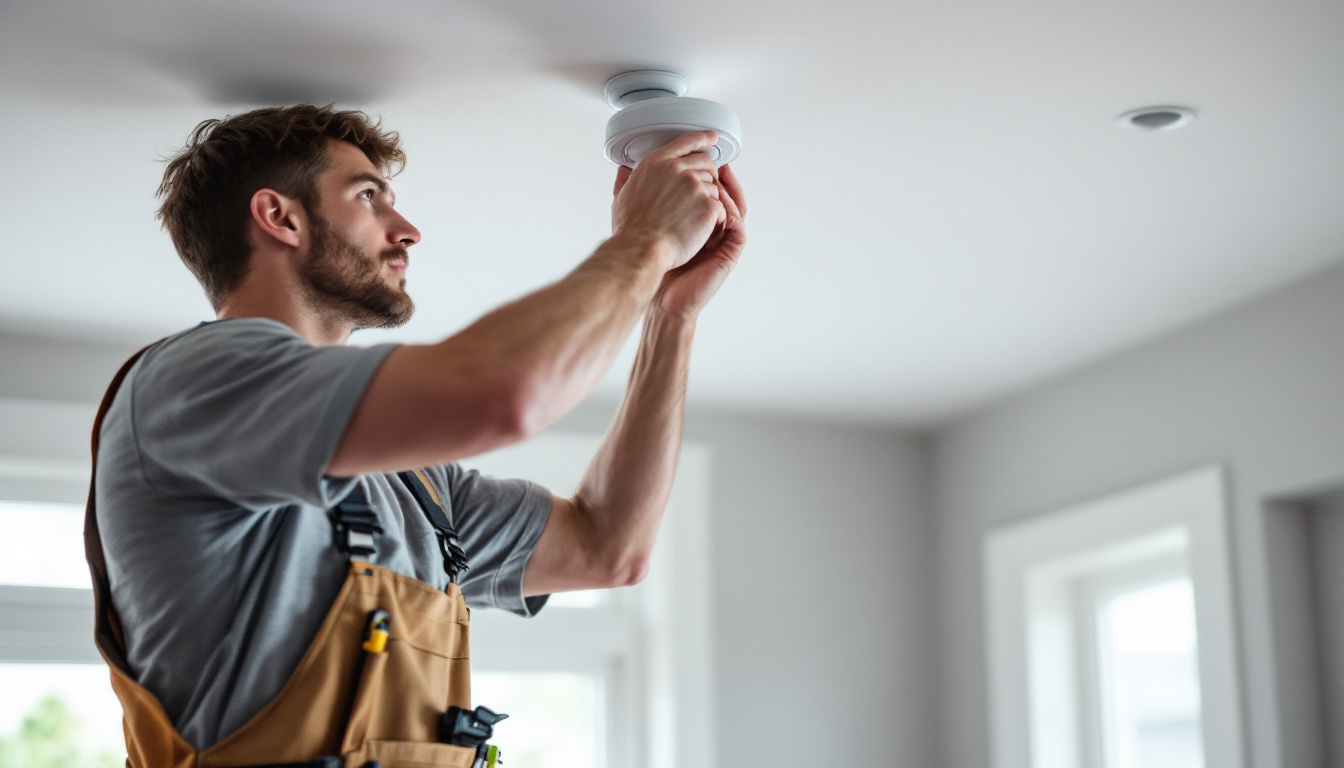
For contractors, installing sensor-based systems can be straightforward, especially with wireless options that avoid complex rewiring. These systems also improve security by illuminating the garage upon detecting unexpected movement. Moreover, many modern sensors come equipped with features such as adjustable timers and daylight sensitivity, allowing homeowners to fine-tune their lighting experience. This adaptability not only enhances safety but also contributes to energy savings, making smart lighting a smart investment for any garage.
App-Based and Voice Control
Integration with smart home ecosystems allows users to control garage lighting via smartphones or voice assistants. This is particularly useful for garages that serve multiple functions, where lighting needs may vary throughout the day. For instance, a garage used for hobbies or workshops may require brighter, more focused lighting during certain tasks, while a simple ambient glow may suffice when the space is not in use. The ability to program different lighting scenes through an app can transform the garage into a versatile space that meets diverse needs.
Contractors should familiarize themselves with popular platforms and protocols such as Zigbee, Z-Wave, or Wi-Fi to offer seamless installation and troubleshooting services. Understanding the nuances of each technology enables contractors to recommend the best solutions tailored to the homeowner’s existing smart home setup. Additionally, as the market for smart lighting continues to evolve, staying updated on the latest advancements and features can help contractors provide valuable insights and enhance customer satisfaction. With the right integration, garage lighting can become an integral part of a cohesive smart home experience, seamlessly blending functionality with modern technology.
Innovative Fixture Designs: Form Meets Function
Lighting fixtures for garages have evolved to combine aesthetics with practicality. The future points to modular, customizable, and multi-functional designs that adapt to diverse client needs.
Linear and Panel Fixtures
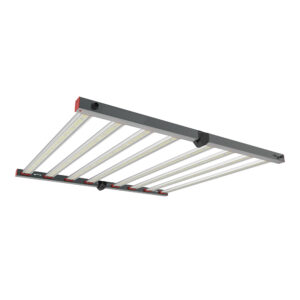
Linear LED fixtures provide uniform illumination across workbenches and vehicle bays. Their slim profiles and easy mounting options make them ideal for low-clearance garages.
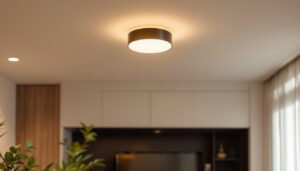
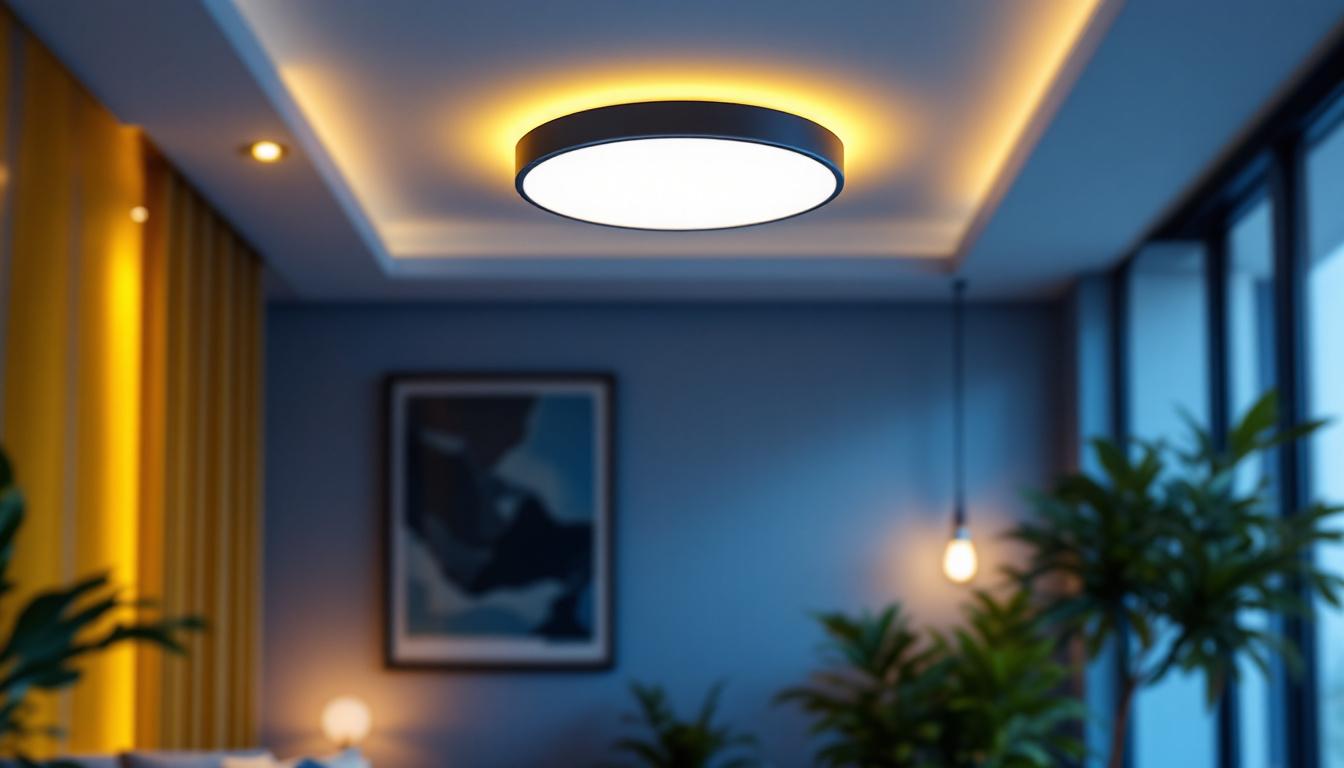
Panel lights offer broad, diffuse lighting that reduces glare and shadows. They are excellent for garages used as studios or hobby spaces where even lighting is essential.
Task and Accent Lighting
Adding adjustable task lights over specific zones enhances precision for detailed work. Magnetic or clamp-on LED lamps offer flexibility and can be repositioned as needed.
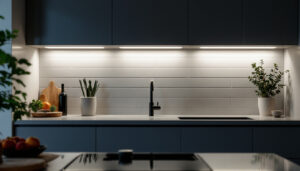
Accent lighting, such as LED strips or puck lights, can highlight storage areas or architectural features, elevating the garage’s overall look and feel.
Energy Efficiency and Sustainability Considerations
Energy codes and consumer demand are driving the adoption of sustainable lighting solutions. Contractors must stay informed about regulations and incentives related to energy-efficient installations.
Daylight Harvesting and Controls
Garages with windows or skylights can benefit from daylight harvesting systems that adjust artificial lighting based on natural light levels. This reduces electricity use without compromising visibility.
Integrating dimmers and timers further optimizes energy consumption, allowing clients to tailor lighting schedules to their routines.
Recyclability and Environmental Impact
Choosing fixtures and bulbs made from recyclable materials and those free from hazardous substances aligns with green building practices. Contractors should guide clients toward products certified by recognized organizations such as ENERGY STAR or DLC (DesignLights Consortium).
Installation Best Practices and Challenges
Effective garage lighting installation requires attention to wiring, fixture placement, and compliance with electrical codes. Contractors must balance technical precision with client preferences.
Wiring and Safety
Garages often have exposed framing and unfinished walls, which can simplify wiring but also pose safety risks. Using conduit and proper junction boxes ensures durability and code compliance.
Ground-fault circuit interrupters (GFCIs) are essential in garages due to moisture exposure, protecting users from electrical shocks.
Fixture Placement and Layered Lighting
Strategic fixture placement avoids dark spots and glare. Layered lighting-combining ambient, task, and accent lights-creates a versatile environment adaptable to various activities.
Contractors should conduct thorough site assessments and discuss client needs to design effective lighting layouts.
Future Trends to Watch
Emerging technologies and design philosophies will continue to shape garage lighting. Staying ahead of these trends enables contractors to offer cutting-edge solutions.
Human-Centric Lighting
Lighting that adjusts to circadian rhythms can improve comfort and alertness, especially for garages used as workspaces. Dynamic color temperature and intensity changes throughout the day are becoming more accessible.
Wireless and Battery-Powered Fixtures
Advancements in wireless power and battery technology may reduce dependence on hardwired lighting, simplifying installations and enabling flexible configurations.
Integration with Electric Vehicle (EV) Infrastructure
As EV ownership grows, garages will increasingly incorporate charging stations. Lighting systems integrated with EV infrastructure can enhance safety and user experience, such as automatically illuminating when a vehicle is plugged in.
Conclusion
Garage lighting is evolving rapidly, driven by technological innovation and changing user demands. For lighting contractors, mastering LED technology, smart controls, and design versatility is essential to meet these new challenges.
By prioritizing energy efficiency, durability, and user-centric design, contractors can deliver lighting solutions that transform garages into functional, safe, and inviting spaces. Staying informed about emerging trends and best practices ensures continued success in this dynamic sector.
Illuminate Your Projects with LumenWholesale
As you embrace the future of garage lighting design and installation, choose LumenWholesale for your lighting needs. Our extensive selection of spec-grade lighting products ensures that you can create functional, safe, and aesthetically pleasing spaces for every client. With unbeatable wholesale prices and the convenience of free shipping on bulk orders, you’ll find everything you need to stay ahead in the dynamic world of lighting. Don’t compromise on quality or value—explore our collection and discover the best in wholesale lighting today.