Understanding the Importance of Proper Garage Lighting
Garage lighting is often overlooked in residential and commercial projects, yet it plays a critical role in safety, functionality, and aesthetics. For lighting contractors, replacing garage lights is not just about swapping out fixtures; it requires a comprehensive understanding of the environment, user needs, and the latest lighting technologies.
Garages serve multiple purposes beyond vehicle storage—they can be workshops, storage areas, or even living spaces. Proper lighting enhances visibility, reduces accidents, and improves the overall user experience. According to industry research, well-lit garages can reduce the risk of accidents by up to 40%, underscoring the importance of selecting the right lighting solutions.
Challenges Unique to Garage Lighting
Garages present unique challenges that contractors must consider during light replacement projects. These include exposure to dust, moisture, temperature fluctuations, and the need for durable fixtures that can withstand occasional impacts. Additionally, garages often have irregular layouts, with vehicles, shelves, and tools creating shadows and dark spots that complicate lighting design.
Contractors must balance brightness with energy efficiency, ensuring that lighting is sufficient without causing glare or excessive power consumption. This balance is crucial for client satisfaction and long-term operational costs. Moreover, the choice of lighting technology—such as LED versus fluorescent—can significantly impact both the quality of light and energy consumption. LEDs, for instance, not only offer longer lifespans and lower energy usage but also come in a variety of color temperatures, allowing for customization that can enhance the functionality of the space.
Furthermore, the integration of smart lighting systems has become increasingly popular in modern garage designs. These systems can be programmed to adjust brightness based on the time of day or occupancy, providing both convenience and energy savings. Additionally, incorporating motion sensors can ensure that lights are only activated when the garage is in use, further optimizing energy efficiency. As garages evolve to accommodate more diverse uses, such as home gyms or hobby spaces, the need for versatile and adaptive lighting solutions becomes even more pronounced, making it essential for contractors to stay informed about the latest trends and technologies in garage lighting.
Assessing Existing Lighting and Client Needs
Before beginning any replacement work, a thorough assessment of the existing lighting setup and client requirements is essential. This step ensures that the new installation addresses current shortcomings and aligns with the client’s expectations.
Conducting a Site Survey
A detailed site survey helps identify the type, placement, and condition of existing fixtures. Contractors should measure light levels using a lux meter to determine if the current illumination meets recommended standards. For garages, the Illuminating Engineering Society (IES) suggests an average of 300 to 500 lux for general tasks, with higher levels for detailed work areas.
During the survey, note any issues such as flickering lights, uneven distribution, or outdated technology like incandescent or fluorescent bulbs that consume more energy and have shorter lifespans compared to modern LEDs. It’s also important to assess the physical layout of the garage, including any obstructions that may affect light distribution, such as shelving units or vehicles. This comprehensive evaluation allows for a more tailored lighting solution that not only enhances visibility but also improves the overall functionality of the space.
Understanding Client Usage and Preferences
Engaging with the client to understand how they use their garage is vital. Some clients may prioritize bright, daylight-like lighting for workshop tasks, while others may prefer softer illumination for storage areas. Additionally, clients may have preferences regarding fixture styles, energy efficiency, and control options such as motion sensors or dimmers.
Discussing budget constraints upfront helps tailor solutions that balance quality and cost-effectiveness. Contractors can also educate clients on potential energy savings and maintenance benefits associated with newer lighting technologies. Furthermore, it’s beneficial to explore the possibility of integrating smart lighting systems that allow clients to control their garage lighting remotely or set schedules for automatic adjustments. This not only enhances convenience but can also contribute to increased security, as well-lit areas deter potential intruders. Understanding these nuances of client preferences can lead to a more satisfying and personalized lighting solution that meets both functional and aesthetic needs.
Choosing the Right Fixtures and Technologies
Selecting appropriate fixtures and lighting technologies is a cornerstone of successful garage light replacement. Advances in LED technology and smart lighting controls have transformed options available to contractors, allowing for more customizable and efficient lighting solutions than ever before. The integration of smart technology not only enhances functionality but also provides users with the ability to control their lighting remotely, enabling them to adjust brightness levels or set schedules through a smartphone app.
LED Lighting: The Industry Standard
LEDs have become the preferred choice for garage lighting due to their longevity, energy efficiency, and superior light quality. Compared to traditional incandescent or fluorescent bulbs, LEDs consume up to 75% less energy and can last 25 times longer, significantly reducing maintenance frequency and costs. Additionally, the environmental impact of using LEDs is considerably lower, as they contain no hazardous materials and are fully recyclable, making them a sustainable choice for conscientious homeowners.
When selecting LED fixtures, contractors should consider color temperature, measured in Kelvins (K). For garages, a color temperature between 4000K and 5000K is ideal, providing bright, neutral white light that enhances visibility without causing eye strain. This range not only improves safety during tasks but also helps in accurately assessing colors and details, which is particularly beneficial for those who use their garages for hobbies or projects that require precision.
Fixture Types Suitable for Garages
Several fixture types are well-suited for garage environments:
- Linear LED fixtures: These provide broad, even illumination and are excellent for ceiling mounting in garages with large open spaces. Their design allows for seamless integration into various architectural styles, enhancing the overall aesthetic of the garage.
- High bay LED lights: Ideal for garages with high ceilings, these fixtures deliver powerful light over a wide area, ensuring that every corner is well-lit, which is essential for safety and functionality.
- Surface-mounted LED panels: These offer a sleek, low-profile design suitable for garages with lower ceilings, helping to maximize headroom while providing ample light.
- Motion sensor-integrated lights: These enhance energy savings and convenience by activating lights only when movement is detected, which is particularly useful in garages that are frequently accessed but not always occupied.
Choosing fixtures with durable, moisture-resistant housings is critical in garages, where humidity and dust are common. Furthermore, contractors should also consider the ease of installation and maintenance of the fixtures. Some models come with features like quick-connect wiring or modular designs that simplify the installation process, saving time and labor costs. Additionally, investing in dimmable fixtures can provide flexibility in lighting levels, allowing users to adjust the ambiance according to their specific needs, whether they are working on a project or simply using the garage for storage.
Installation Best Practices for Lighting Contractors
Proper installation is key to maximizing the performance and longevity of garage lighting. Lighting contractors must adhere to best practices to ensure safety, compliance, and client satisfaction.
Ensuring Electrical Safety and Code Compliance
All installations must comply with local electrical codes and standards. This includes using appropriate wiring, grounding, and circuit protection. Garages often require dedicated circuits to handle lighting loads safely.
Contractors should verify that fixtures are rated for the specific environment, especially if the garage is subject to moisture or temperature extremes. Using weatherproof or damp-rated fixtures can prevent premature failure and safety hazards.
Optimizing Fixture Placement and Light Distribution
Strategic fixture placement helps eliminate shadows and dark spots. For example, spacing linear LED fixtures evenly across the ceiling can provide uniform light coverage. In garages with workbenches or tool areas, additional task lighting may be necessary.
Contractors should also consider fixture height and aiming angles to reduce glare and ensure light reaches critical zones. Installing dimmers or multi-level lighting controls can offer clients flexibility in adjusting light levels for different activities.
Incorporating Smart Controls and Energy Management
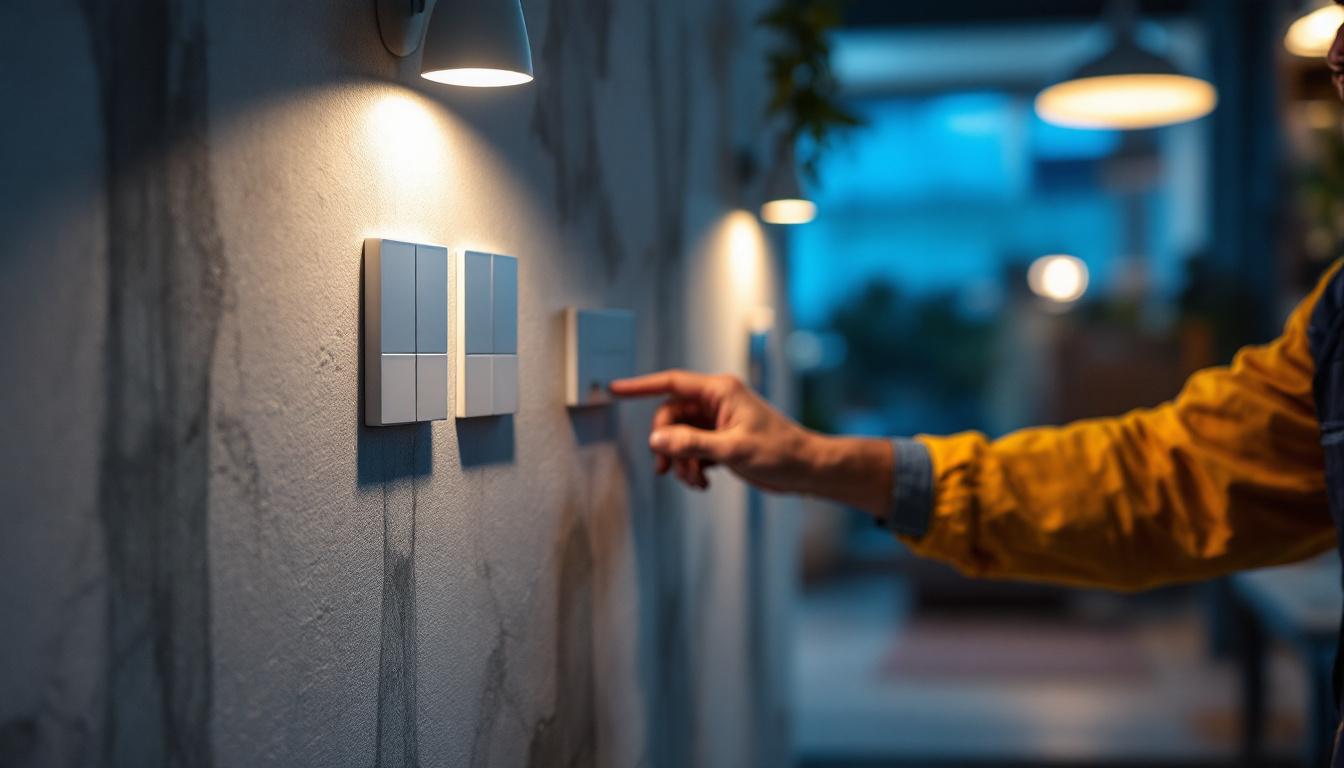
Integrating smart lighting controls is increasingly popular among clients seeking convenience and energy savings. Motion sensors, timers, and wireless control systems allow lights to operate only when needed, reducing electricity consumption.
Contractors should familiarize themselves with compatible control systems and ensure seamless integration during installation. Educating clients on how to use these features can enhance satisfaction and promote sustainable energy use.
Maintenance and Troubleshooting Tips
After installation, lighting contractors play a crucial role in supporting clients with maintenance and troubleshooting to ensure long-term performance.
Routine Maintenance Recommendations
Even with durable LED fixtures, regular cleaning and inspections help maintain optimal light output. Dust and grime can accumulate on lenses and housings, diminishing brightness. Contractors should advise clients to clean fixtures periodically using appropriate methods.
Checking for loose connections, corrosion, or damage during routine visits can prevent unexpected failures. Providing clients with maintenance schedules and tips empowers them to keep their garage lighting in top condition.
Common Troubleshooting Scenarios
Contractors should be prepared to address common issues such as flickering lights, dimming, or complete outages. These problems often stem from wiring faults, incompatible dimmers, or faulty fixtures.
Using diagnostic tools like multimeters and circuit testers helps pinpoint electrical issues quickly. Recommending high-quality replacement parts and ensuring proper installation techniques can minimize recurring problems.
Enhancing Client Relationships and Business Growth
Successful garage light replacement projects can serve as a gateway to broader client relationships and business opportunities for lighting contractors.
Providing Value-Added Services
Offering comprehensive lighting assessments, energy audits, and upgrade recommendations positions contractors as trusted advisors. Clients appreciate contractors who go beyond basic installation to improve overall lighting quality and efficiency.
Contractors can also suggest complementary upgrades such as electrical panel enhancements or smart home integration, creating additional revenue streams.
Staying Informed and Adapting to Industry Trends
The lighting industry is rapidly evolving with innovations in LED technology, controls, and design. Contractors who stay current with certifications, training, and product knowledge can deliver cutting-edge solutions that meet modern client expectations.
Networking with manufacturers and attending industry events helps contractors access the latest products and best practices, ensuring their services remain competitive and relevant.
Conclusion
Garage light replacement is a specialized task that demands a thorough understanding of lighting principles, client needs, and the unique challenges presented by garage environments. Lighting contractors who approach these projects with careful assessment, informed product selection, and meticulous installation practices can deliver superior results that enhance safety, functionality, and client satisfaction.
By embracing energy-efficient technologies, smart controls, and ongoing maintenance support, contractors not only improve lighting outcomes but also build lasting client relationships and strengthen their business reputation in a competitive market.
Get Your Premium Garage Lighting Supplies at LumenWholesale
Ready to elevate your garage lighting projects with the best in class products? Look no further than LumenWholesale for all your lighting needs. Our extensive selection of spec-grade lighting ensures that you can offer your clients reliable, high-performance solutions that meet the highest industry standards. With unbeatable wholesale prices and the convenience of free shipping on bulk orders, you can provide exceptional value without compromising on quality. Make the smart choice for your business and explore our wholesale lighting options today to give your clients the superior service they deserve.