Choosing the Right Lighting for Garage Interiors
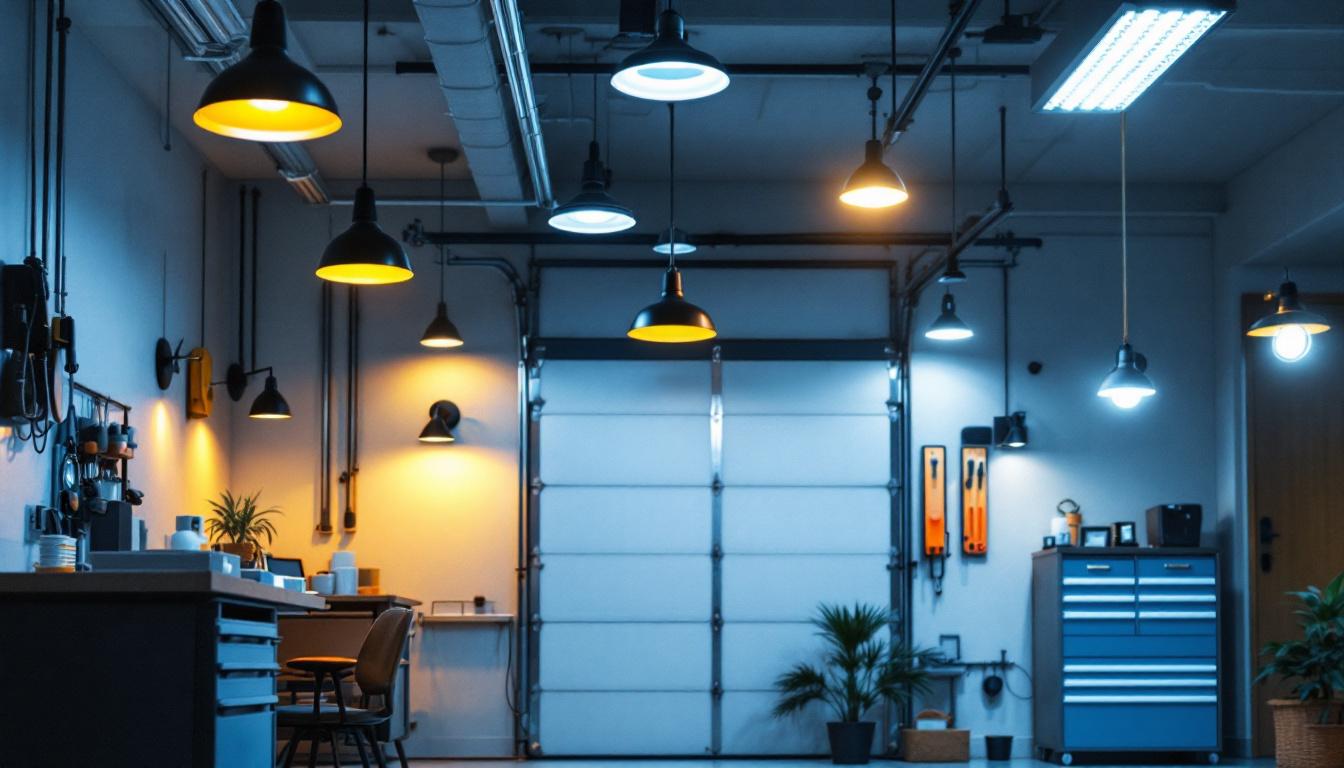
Garage lighting is often overlooked, yet it plays a crucial role in functionality, safety, and even energy efficiency. For lighting contractors, selecting the appropriate fixtures requires balancing brightness, durability, and cost-effectiveness. Unlike residential rooms, garages serve multiple purposes—from parking vehicles to workshops or storage areas—each demanding specific lighting considerations.
One of the first steps is understanding the space’s layout and intended use. A standard two-car garage typically needs between 4,000 to 8,000 lumens to ensure adequate illumination. However, if the garage doubles as a workspace, the lighting requirements increase significantly. Bright, shadow-free light is essential for tasks like woodworking or mechanical repairs. This means contractors must prioritize fixtures that deliver uniform light distribution and minimal glare.
Types of Garage Interior Light Fixtures
Several lighting options are popular for garage interiors, each with its own advantages and limitations. Fluorescent fixtures have long been a staple due to their affordability and decent light output. However, LED fixtures have surged ahead in popularity because of their energy efficiency, longevity, and superior light quality.
High bay LED fixtures are ideal for garages with high ceilings, offering powerful illumination that covers large areas. For standard ceiling heights, linear LED shop lights provide even, widespread lighting and are easy to install. Contractors should also consider weather-resistant or damp-rated fixtures if the garage is prone to moisture or temperature fluctuations.
In addition to the types of fixtures, the placement of lighting is equally important. Strategically positioning lights can help eliminate dark corners and ensure that every inch of the garage is well-lit. For instance, installing lights along the perimeter can enhance visibility for parked vehicles, while overhead lights should be placed to minimize shadows during detailed work. Furthermore, incorporating motion sensors can not only enhance convenience but also improve energy efficiency by ensuring lights are only on when needed.
Another consideration is the color temperature of the lights. A cooler white light, typically around 5000K, can mimic daylight and is often preferred for tasks requiring precision, as it allows for better color rendering. On the other hand, warmer lights might create a more inviting atmosphere if the garage is also used as a recreational space. Ultimately, the right combination of fixture type, placement, and color temperature can transform a garage from a mere storage area into a well-lit, functional workspace.
Key Factors for Lighting Contractors to Consider
Brightness and Color Temperature
Brightness is measured in lumens, and selecting the right lumen output is critical. Too little light makes the space unsafe and inefficient; too much can cause eye strain and unnecessary energy consumption. For general garage lighting, 4,000 to 8,000 lumens is a good range, but task-specific areas may require up to 10,000 lumens or more. It’s also essential to consider the layout of the garage and the types of activities that will be performed. For instance, if the garage doubles as a workspace for hobbies or repairs, additional lighting may be necessary to ensure that every nook and cranny is adequately illuminated.
Color temperature affects how the light appears to the human eye. A neutral white light (around 4000K to 5000K) is often preferred in garages because it mimics daylight and enhances visibility. Warmer tones can make the space feel cozy but may reduce clarity, while cooler tones can appear harsh and sterile. Additionally, color rendering index (CRI) is another vital aspect; a higher CRI means colors will appear more vibrant and true to life, which can be particularly beneficial in a garage setting where accurate color perception is crucial for tasks like painting or automotive work.
Energy Efficiency and Cost Savings
Energy efficiency is a major selling point for clients looking to reduce utility bills and carbon footprints. LEDs outperform traditional fluorescent and incandescent bulbs by using a fraction of the energy and lasting significantly longer. This translates to fewer replacements and less maintenance over time. Moreover, the shift towards energy-efficient lighting solutions is not just about savings; it also aligns with a growing consumer preference for sustainable practices. Many clients appreciate knowing that their choices contribute positively to the environment, making it easier for contractors to advocate for energy-efficient options.
Lighting contractors should educate clients on the long-term benefits of investing in LED fixtures, even if the upfront cost is higher. Incorporating dimmers and motion sensors can further optimize energy use by adjusting light levels based on occupancy and natural light availability. In addition, smart lighting systems can be integrated, allowing clients to control their garage lighting remotely via smartphone apps. This level of control not only enhances convenience but also encourages responsible energy consumption, as users can monitor usage patterns and adjust settings accordingly.
Durability and Installation Considerations
Garages are often exposed to dust, temperature swings, and occasional impacts, so fixtures need to be robust. Look for fixtures with high ingress protection (IP) ratings that resist dust and moisture. Metal housings and shatterproof lenses add to durability, especially in workshop environments. It’s also wise to consider the potential for chemical exposure in garages, particularly if clients store automotive fluids or cleaning agents. Selecting fixtures that can withstand such conditions will ensure longevity and reliability, ultimately leading to greater customer satisfaction.
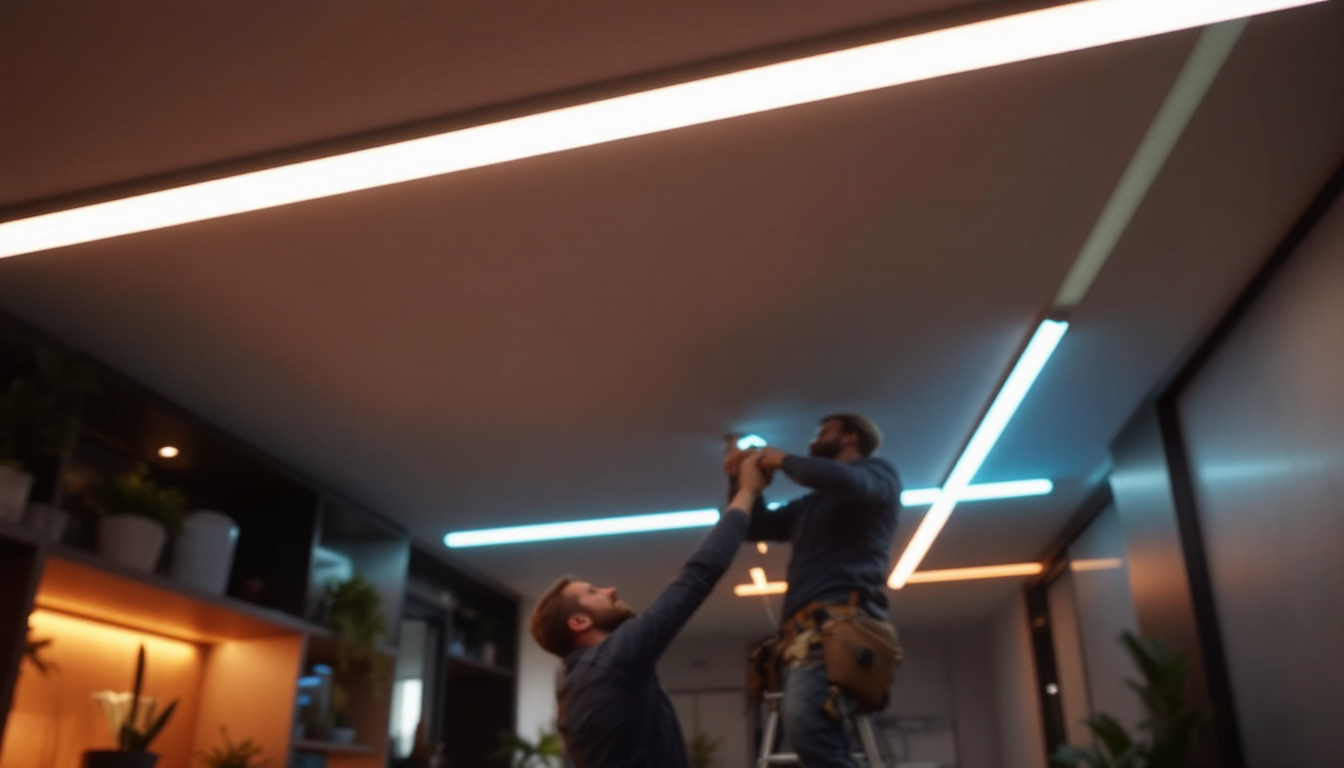
Installation ease is another factor. Surface-mounted fixtures are straightforward and often preferred in retrofit projects. Recessed lighting can offer a cleaner look but may require more extensive ceiling work. Contractors should assess the existing infrastructure and client preferences before making recommendations. Furthermore, understanding local building codes and regulations is crucial, as these can dictate specific requirements for electrical installations in garages. By staying informed about these guidelines, contractors can provide clients with safe, compliant, and aesthetically pleasing lighting solutions that enhance the overall functionality of the space.
Advanced Lighting Solutions for Garages
Smart Lighting Integration
Smart lighting systems are gaining traction in garage applications, offering convenience and enhanced control. These systems allow users to adjust brightness, color temperature, and scheduling via smartphone apps or voice commands. For contractors, this means an opportunity to upsell and differentiate services. The integration of smart lighting not only enhances usability but also promotes energy efficiency, as users can monitor their energy consumption in real time and make adjustments to reduce waste.
Integrating smart sensors can automate lighting based on movement or time of day, improving safety and energy savings. For example, lights can turn on automatically when a car enters the garage or dim during nighttime hours when less illumination is needed. Additionally, some systems can be programmed to send alerts if unusual activity is detected, providing an extra layer of security for homeowners. The ability to customize settings for different scenarios—such as a bright setting for detailed work or a softer ambiance for casual use—further enhances the user experience, making garages not just functional spaces but also versatile environments.
Layered Lighting Strategies
Effective garage lighting often involves layering different types of fixtures to address various needs. Ambient lighting provides general illumination, while task lighting focuses on specific work areas. Accent lighting can highlight storage zones or display collections, adding an aesthetic dimension. This strategic layering not only improves visibility but also creates a more inviting atmosphere, transforming the garage from a purely utilitarian space into an extension of the home.
Contractors should collaborate with clients to map out zones within the garage and recommend fixture placements accordingly. Adjustable fixtures and track lighting offer flexibility to adapt to changing needs over time. Furthermore, incorporating dimmable options can allow homeowners to set the mood for different activities, whether it’s a DIY project or a casual gathering. By considering factors such as the garage’s layout, the types of activities performed, and personal preferences, contractors can create a tailored lighting plan that maximizes both functionality and aesthetic appeal, ensuring that every corner of the garage is well-lit and purposeful.
Common Challenges and How to Overcome Them
Dealing with Limited Ceiling Height
Many garages have low ceilings, which can restrict fixture options. Bulky or hanging fixtures risk head clearance issues and may create shadows. In these cases, slim-profile LED panels or surface-mounted linear lights are excellent choices. They provide ample light without intruding into the space.
Addressing Glare and Shadows
Glare and shadows can compromise safety and comfort in garages. Fixtures with diffusers or frosted lenses help soften light and reduce harsh reflections. Positioning lights strategically-such as installing multiple fixtures evenly spaced-minimizes shadow formation.
Task lighting should be positioned to avoid casting shadows onto work surfaces. Adjustable fixtures and under-cabinet lights can enhance visibility where it matters most.
Ensuring Compliance with Electrical Codes
Lighting contractors must ensure all installations comply with local electrical codes and standards. This includes using appropriate wiring, circuit protection, and fixture ratings. Garages often require ground-fault circuit interrupters (GFCIs) due to potential moisture exposure.
Staying current with code updates and manufacturer installation guidelines protects contractors from liability and ensures client safety.
Maintenance and Longevity Tips
Proper maintenance extends the life of garage lighting fixtures and maintains optimal performance. Regular cleaning removes dust and grime that can diminish light output. Inspecting fixtures for damage or wear helps catch issues before they escalate.
For LED fixtures, replacing drivers or components may be necessary after several years. Contractors should advise clients on maintenance schedules and provide service options to keep lighting systems functioning efficiently.
Final Thoughts for Lighting Contractors
Garage interior lighting is more than just installing bulbs; it’s about creating a safe, functional, and energy-efficient environment tailored to the client’s needs. Understanding the nuances of fixture types, lighting levels, and advanced technologies equips contractors to deliver superior results.
By prioritizing quality, durability, and smart design, lighting contractors can transform garages into well-lit spaces that enhance usability and value. This expertise not only satisfies clients but also strengthens professional reputation in a competitive market.
Illuminate Your Projects with LumenWholesale
Ready to elevate your garage lighting projects with fixtures that promise quality, durability, and energy efficiency? Look no further than LumenWholesale, where we specialize in providing lighting contractors with spec-grade lighting products at unbeatable wholesale prices. Our extensive selection is designed to meet the highest industry standards, ensuring you deliver superior results every time. Plus, with free shipping on bulk orders, you can enjoy premium lighting solutions at the best value — all without hidden fees or compromises. Transform your next garage lighting project with the perfect blend of quality, affordability, and convenience at LumenWholesale.