Understanding the Importance of Frosted Glass in Pendant Lighting
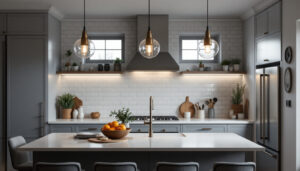
Frosted glass pendant lights are a staple in both residential and commercial lighting projects. They offer a soft, diffused glow that reduces glare and creates a welcoming atmosphere. For lighting contractors, knowing how to replace these fixtures efficiently while maintaining their aesthetic and functional qualities is essential.
Unlike clear glass, frosted glass obscures the bulb inside, which means the replacement process isn’t just about swapping parts-it’s about preserving the light’s intended ambiance. A poorly chosen replacement can lead to harsh lighting or an unprofessional finish, which clients will notice immediately.
Why Frosted Glass Matters in Pendant Lighting
The frosting on glass serves two main purposes: diffusion and style. Diffusion softens the light, preventing sharp shadows and reducing eye strain, which is especially important in spaces like kitchens, dining areas, or offices. Style-wise, frosted glass offers a timeless, elegant look that complements a variety of interior designs.
When replacing a frosted glass pendant, contractors must ensure the new glass matches the original’s opacity and finish. Even slight variations can alter the light’s quality, affecting the client’s satisfaction and the overall ambiance of the space.
Moreover, the choice of frosted glass can significantly influence the overall design narrative of a room. For instance, in a modern minimalist setting, sleek frosted glass can enhance the clean lines and uncluttered aesthetic, while in a more traditional environment, it can add a touch of warmth and sophistication. Additionally, frosted glass is available in various textures and patterns, allowing for customization that can further elevate the design. This versatility makes it a favored choice among designers and homeowners alike, as it can be tailored to fit specific themes or color palettes.
Furthermore, the practical benefits of frosted glass extend beyond aesthetics. The material is often more durable than its clear counterpart, providing a level of protection against scratches and fingerprints that can mar the appearance of clear glass. This durability is particularly advantageous in high-traffic areas or homes with children and pets, where fixtures may be subject to more wear and tear. By choosing frosted glass, homeowners can enjoy both beauty and functionality, ensuring that their lighting remains a focal point without the constant need for maintenance.
Assessing the Existing Fixture Before Replacement
Before ordering or installing a replacement, a thorough assessment of the existing pendant light is crucial. This step avoids costly mistakes and ensures compatibility.
Check the Fixture’s Dimensions and Mounting Style
Measure the diameter, height, and thickness of the frosted glass shade. Pendant lights come in a variety of sizes, and even small differences can cause fitment issues. Additionally, understand how the glass is mounted—whether it screws in, clips on, or is held by a frame. This knowledge will guide the selection of the right replacement part. Furthermore, take note of the overall design and style of the fixture. A pendant light that complements the existing decor can enhance the aesthetic appeal of the room, while a mismatched replacement may detract from it. Consider the color, texture, and shape of the glass shade, as these elements can significantly influence the ambiance of your space.
Evaluate the Electrical Components
While the focus is on the glass shade, the electrical components should not be overlooked. Make sure the wiring, socket, and mounting hardware are in good condition. If they show signs of wear or damage, it’s best to replace or repair them alongside the glass. This approach prevents future service calls and ensures safety. Additionally, check the wattage of the bulb currently used and ensure that the replacement fixture can accommodate the desired lighting intensity. Upgrading to energy-efficient LED bulbs can not only reduce electricity costs but also extend the lifespan of the fixture. Moreover, consider the type of dimmer switch or control system in use; ensuring compatibility with the new fixture can enhance functionality and create the perfect lighting atmosphere for any occasion.
Choosing the Right Replacement Frosted Glass
Finding the perfect replacement glass isn’t always straightforward. Lighting contractors need to balance aesthetics, functionality, and client expectations. The right choice not only enhances the overall design of the space but also ensures that the lighting remains effective and safe. With a plethora of options available, it’s crucial to navigate through the choices carefully to find a solution that meets all requirements.
Material and Finish Considerations
Frosted glass can be produced through acid etching, sandblasting, or using a frosted film. Each method yields a slightly different texture and opacity. Acid-etched glass tends to have a smooth, uniform finish, while sandblasted glass offers a more textured appearance. Films are less durable and generally not recommended for pendant light replacements due to longevity concerns. Additionally, the choice of finish can significantly impact the light diffusion; a smoother surface may create a softer glow, whereas a more textured surface can scatter light in various directions, creating interesting patterns and effects.
When sourcing replacement glass, opt for high-quality materials that match the original finish as closely as possible. Suppliers specializing in lighting components often provide detailed specifications to help contractors make informed choices. It’s also worth considering the color of the frosted glass; while traditional white frost is common, tinted options can add a unique flair to the lighting design. Subtle hues can complement the overall color scheme of a room, enhancing the ambiance and contributing to the desired aesthetic.
Compatibility with Bulb Type and Wattage
Frosted glass affects how light disperses, so it’s important to consider the bulb type and wattage used in the fixture. LED bulbs, for example, generate less heat than incandescent bulbs, which can influence the choice of glass thickness and mounting hardware. Ensure the replacement glass can safely handle the heat output of the bulb to avoid cracking or discoloration over time. Furthermore, the wattage of the bulb can determine the brightness and effectiveness of the lighting; therefore, selecting the appropriate wattage not only ensures safety but also enhances the functionality of the space.
Moreover, the interaction between the glass and the light source can create varying atmospheres depending on the design intent. For instance, in spaces where soft, ambient lighting is desired, a thicker frosted glass may help to diffuse the light more evenly, reducing harsh shadows. Conversely, in areas where task lighting is essential, a thinner or clearer glass may be preferable to allow more light to penetrate. Understanding these nuances can greatly influence the overall effectiveness of the lighting solution, making it imperative for contractors to consider both aesthetic and functional aspects when selecting replacement glass.
Installation Best Practices
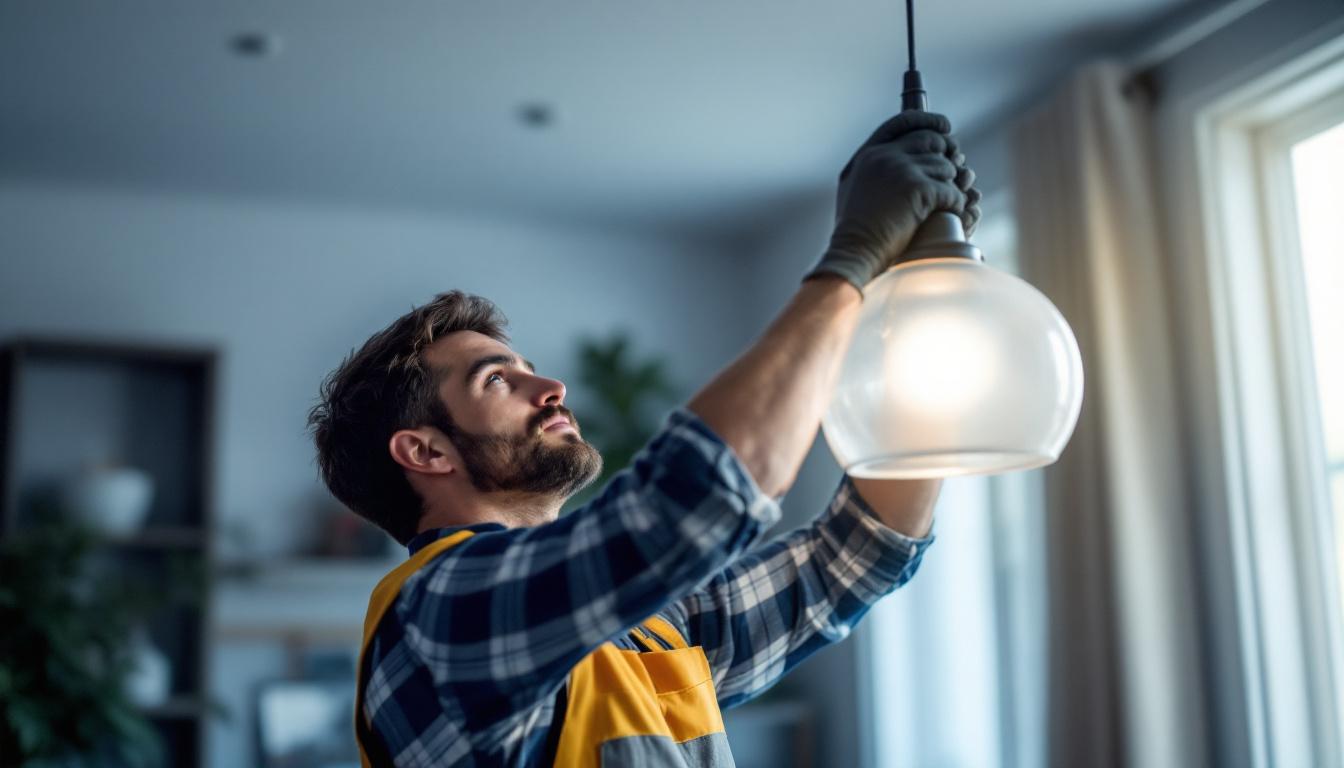
Replacing frosted glass pendant lights requires care and precision. The glass is fragile, and improper installation can lead to damage or safety hazards.
Safety First: Handling and Personal Protective Equipment
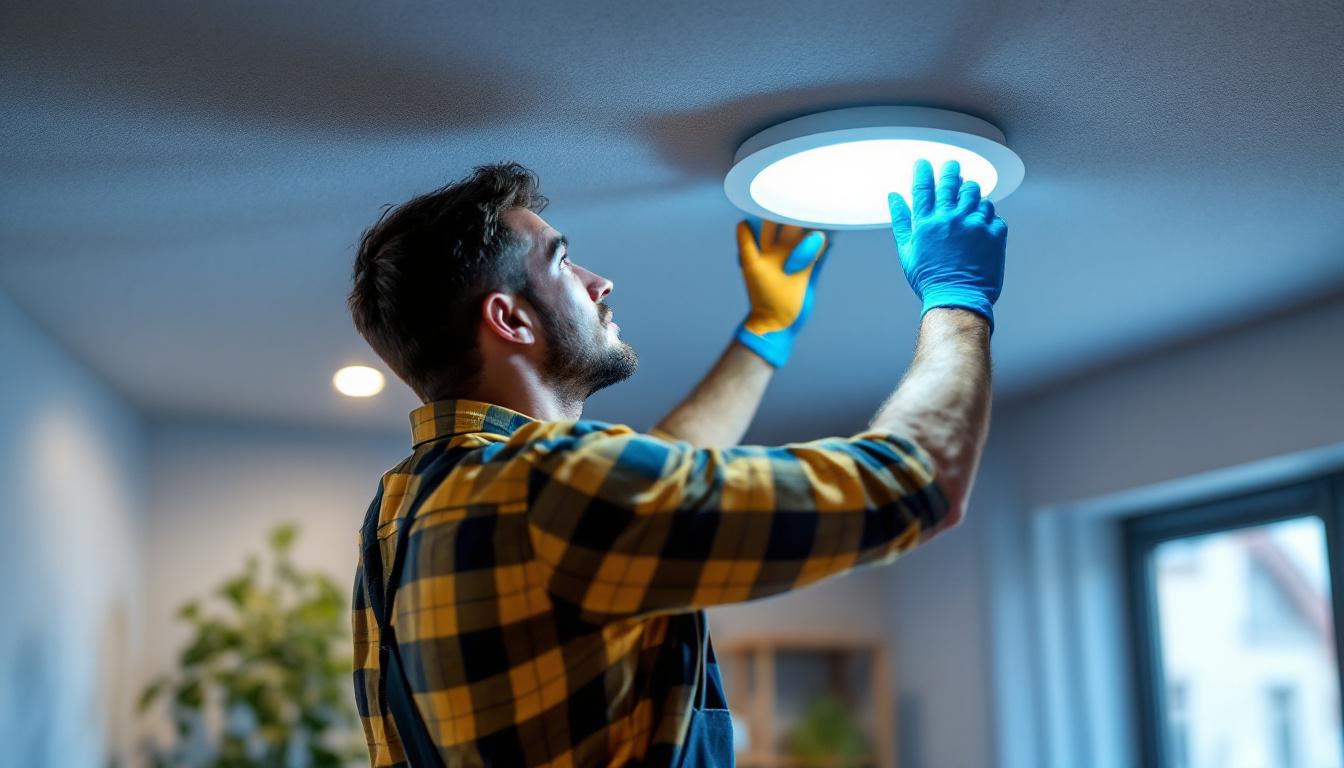
Always wear gloves to prevent fingerprints and oils from transferring to the glass, which can be difficult to clean and may cause permanent marks. Safety glasses are recommended to protect against accidental glass breakage. Handle the glass gently, supporting it fully to avoid stress points.
Step-by-Step Installation Tips
Begin by turning off the power at the breaker to prevent electrical shock. Remove the old glass carefully, noting how it was attached. Clean the mounting area to remove dust and debris, which can affect the new glass’s fit.
When installing the replacement, align it precisely with the mounting hardware. Avoid forcing the glass into place; if it doesn’t fit easily, double-check measurements and mounting compatibility. Secure the glass firmly but without overtightening, which can cause cracks.
Common Challenges and How to Overcome Them
Lighting contractors often encounter obstacles when replacing frosted glass pendant lights. Anticipating these challenges can save time and reduce frustration.
Dealing with Non-Standard or Custom Fixtures
Older buildings or bespoke designs may feature unique pendant lights with custom glass shades. In these cases, off-the-shelf replacements might not fit. Contractors should be prepared to work with glass fabricators who can produce custom frosted glass to exact specifications.
Providing detailed measurements and photos to fabricators ensures the replacement matches the original in size, shape, and finish. This collaboration often results in a better outcome than attempting to retrofit standard parts.
Addressing Color and Opacity Mismatches
Sometimes replacement glass appears slightly different in hue or frost level. This can be due to manufacturing variations or differences in aging of the original glass. To minimize discrepancies, source replacements from the same manufacturer or supplier whenever possible.
If a perfect match isn’t available, discuss options with the client upfront. They may prefer a subtle variation or be open to upgrading the fixture entirely. Clear communication prevents dissatisfaction and builds trust.
Maintaining Client Satisfaction Post-Replacement
The replacement process doesn’t end once the new glass is installed. Ensuring the client is happy with the result is just as important.
Testing Light Quality and Functionality
After installation, test the pendant light with the intended bulbs. Check for even light diffusion and absence of glare. Verify that the fixture is securely mounted and that there are no vibrations or rattles.
Clients appreciate when contractors take the time to demonstrate the fixture’s performance and answer any questions about maintenance or bulb replacement.
Providing Maintenance Advice
Frosted glass requires gentle cleaning to maintain its appearance. Recommend using a soft cloth with mild soap and water, avoiding abrasive cleaners that can damage the finish. Inform clients about the importance of regularly checking the fixture for dust buildup or loose components.
Offering this guidance positions contractors as knowledgeable professionals who care about long-term client satisfaction.
Conclusion: Expertise Makes the Difference
Replacing frosted glass pendant lights is a task that demands attention to detail, technical knowledge, and an understanding of aesthetics. For lighting contractors, mastering this process enhances reputation and client trust.
By carefully assessing existing fixtures, selecting appropriate replacement glass, and executing installation with precision, contractors ensure that pendant lights continue to provide beautiful, functional illumination. Anticipating challenges and communicating openly with clients further elevates the service experience.
Ultimately, expertise in frosted glass pendant light replacement is a valuable skill that sets contractors apart in a competitive market.
Get Your Premium Lighting Supplies at LumenWholesale
Ready to elevate your lighting projects with the highest quality frosted glass pendant lights? Look no further than LumenWholesale. Our spec-grade lighting products are designed to meet the needs of the most discerning contractors, offering unparalleled quality at wholesale prices that simply can’t be beaten. Say goodbye to middleman markups and hello to a vast selection of reliable, high-performance lighting solutions. With the added convenience of free shipping on bulk orders, LumenWholesale is your go-to source for premium lighting without the premium price tag. Don’t compromise on quality or value — discover the best in wholesale lighting at the best value today.