Understanding the Role of Fluorescent Lighting in Kitchen Spaces
Fluorescent light fixtures have long been a staple in kitchen lighting design, especially valued for their energy efficiency and broad illumination capabilities. For lighting contractors, understanding the nuanced role these fixtures play in kitchen environments is essential to delivering optimal lighting solutions that balance functionality, aesthetics, and energy consumption.
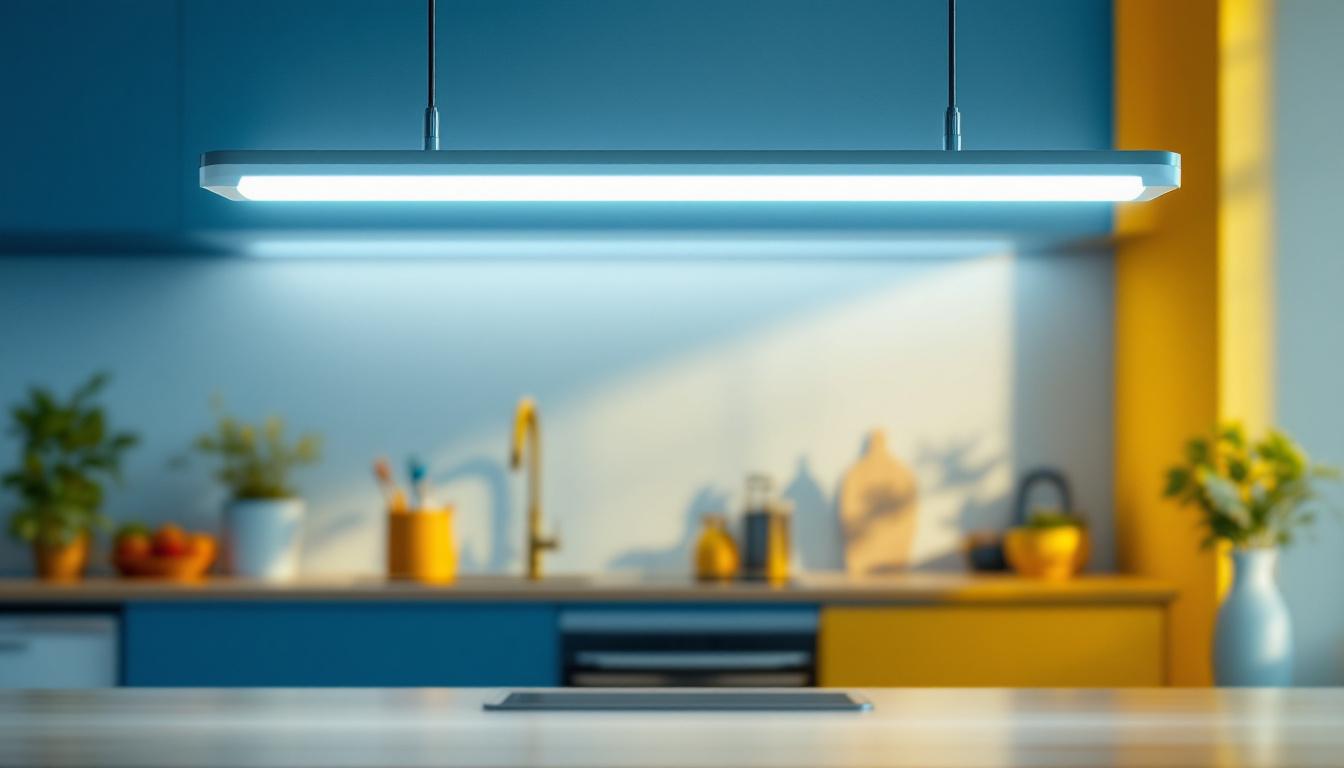
Kitchens demand lighting that supports a variety of tasks—from food preparation and cooking to dining and socializing. Fluorescent fixtures, with their ability to provide bright, even light, help reduce shadows and enhance visibility, which is critical for safety and precision in kitchen tasks. Moreover, the longevity and lower operational costs of fluorescent bulbs make them an attractive option for both residential and commercial kitchens.
Energy Efficiency and Cost-Effectiveness
One of the primary advantages of fluorescent lighting is its superior energy efficiency compared to traditional incandescent bulbs. Fluorescent tubes consume significantly less power while delivering comparable or higher levels of brightness. This efficiency translates into reduced electricity bills and a smaller environmental footprint, an increasingly important consideration for homeowners and businesses alike.
Additionally, fluorescent lamps have a longer lifespan, often lasting up to 10,000 hours or more, which reduces the frequency of replacements and maintenance costs. For contractors, recommending fluorescent fixtures can enhance client satisfaction by combining performance with long-term savings.
Beyond their energy efficiency, fluorescent lights also come in a variety of color temperatures, allowing homeowners to choose the ambiance that best suits their kitchen style. From cool white tones that mimic daylight to warmer hues that create a cozy atmosphere, the flexibility in color options enables a tailored approach to kitchen lighting. This adaptability not only enhances the aesthetic appeal of the space but also contributes to the overall mood during meal preparation and family gatherings.
Furthermore, advancements in fluorescent technology, such as the development of compact fluorescent lamps (CFLs) and linear fluorescent tubes with improved color rendering index (CRI), have significantly enhanced the quality of light produced. A higher CRI means that colors appear more vibrant and true to life, which is particularly beneficial in kitchens where the visual appeal of food is paramount. This improvement in light quality can elevate the cooking experience, making it more enjoyable and engaging for both amateur cooks and professional chefs alike.
Key Considerations When Selecting Fluorescent Fixtures for Kitchens
Choosing the right fluorescent light fixture for a kitchen involves more than just picking a bulb with the correct wattage. Lighting contractors must consider factors such as fixture design, color temperature, placement, and compatibility with dimming controls to ensure the lighting meets the specific needs of the space.
Color Temperature and Its Impact on Kitchen Ambiance
Color temperature, measured in Kelvins (K), greatly influences the mood and functionality of kitchen lighting. Fluorescent bulbs are available in a range of color temperatures, from warm white (around 2700K) to daylight (upwards of 5000K). For kitchens, a neutral to cool white light (3500K to 4100K) is often recommended because it provides clear, crisp illumination that enhances visibility without distorting the appearance of food and surfaces.
Lighting contractors should advise clients on selecting fixtures that emit light with a high Color Rendering Index (CRI), ideally above 80, to ensure colors appear natural and vibrant. This is particularly important in kitchens where color perception affects food preparation and presentation. Additionally, the choice of color temperature can also influence the perceived size of the kitchen; cooler temperatures can make a space feel larger and more open, while warmer tones can create a cozy, inviting atmosphere that encourages family gatherings and culinary creativity.
Fixture Design and Placement for Optimal Illumination
The design of the fluorescent fixture itself plays a vital role in how light is distributed throughout the kitchen. Recessed troffers, surface-mounted fixtures, and under-cabinet fluorescent lights each serve different purposes and can be combined for layered lighting strategies.
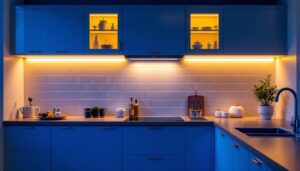
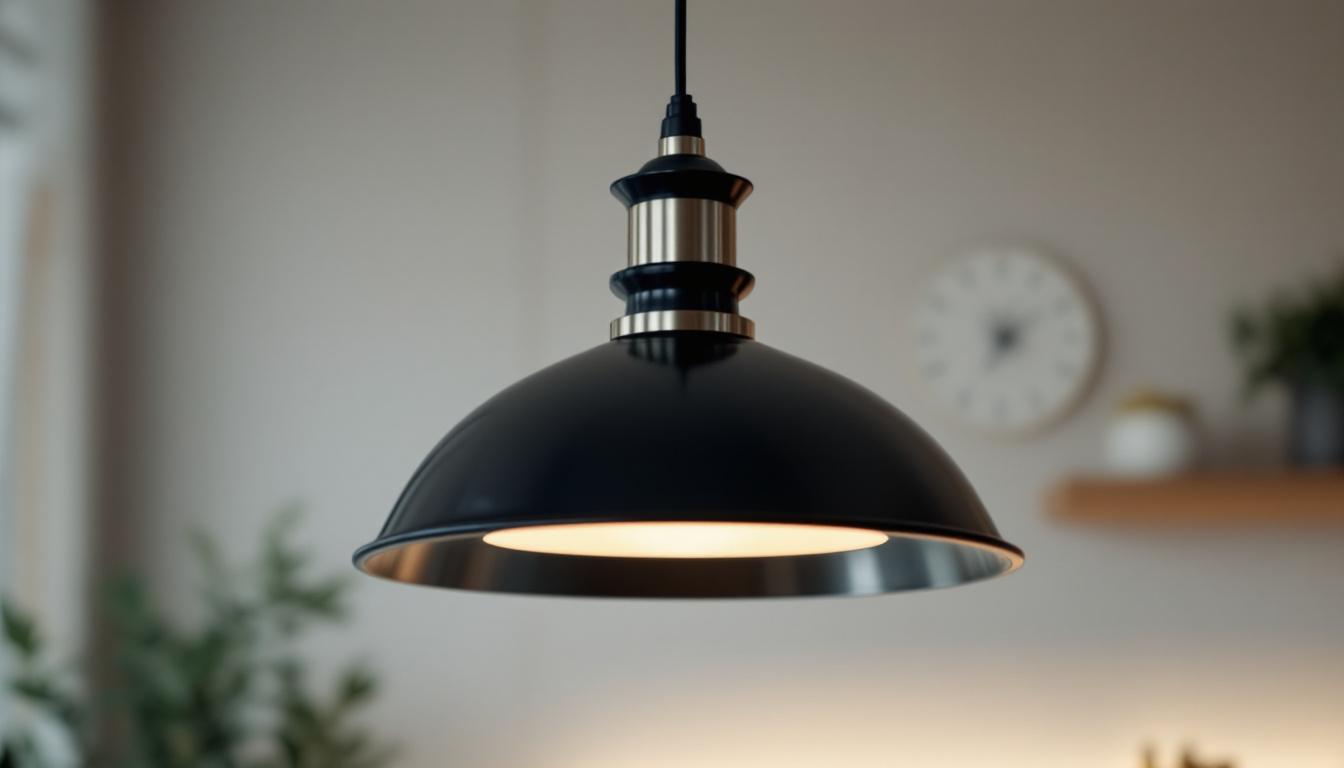
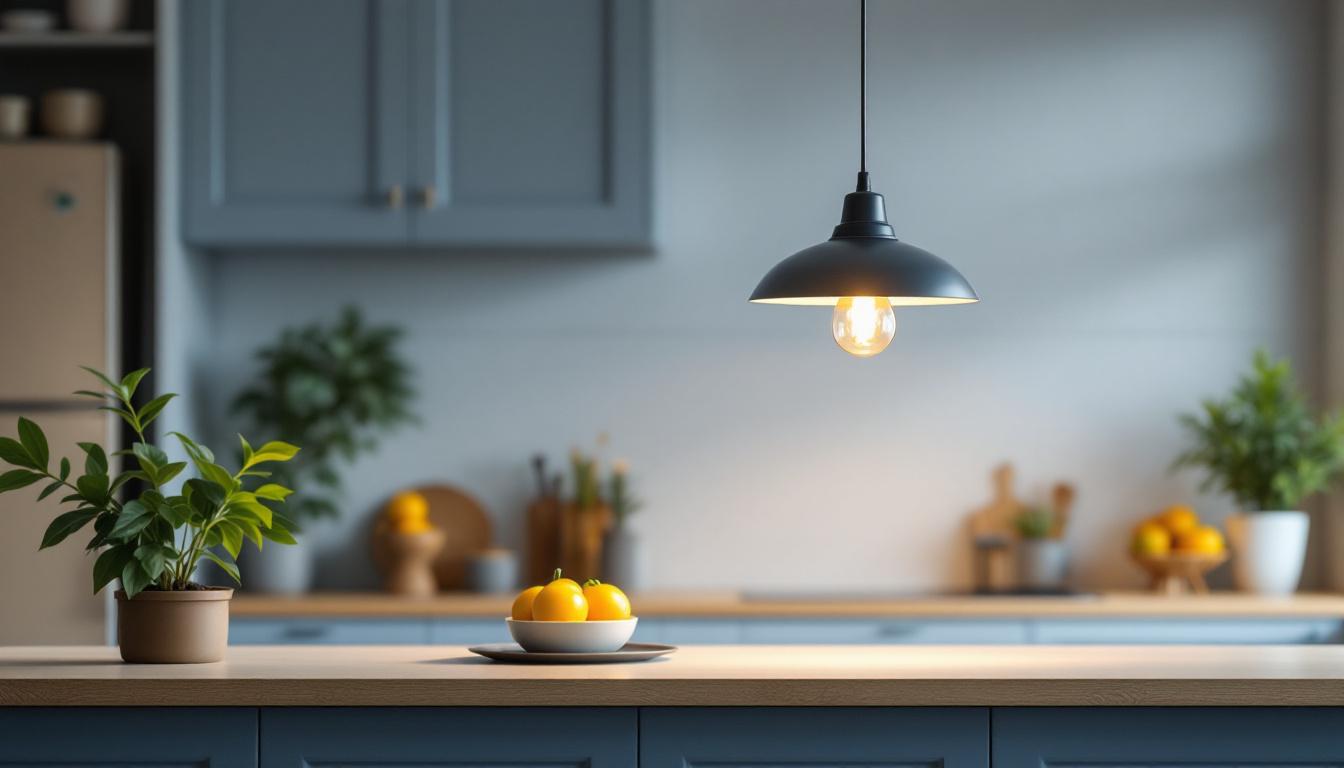
For example, recessed fixtures provide general ambient lighting, while under-cabinet fluorescent strips illuminate countertops, reducing shadows and improving task lighting. Proper placement ensures even coverage and minimizes glare, which can cause discomfort or hinder visibility. Furthermore, incorporating pendant lights over islands or dining areas can add a decorative touch while enhancing functionality, allowing homeowners to create a visually appealing focal point that complements their kitchen design.
Dimming and Control Compatibility
Modern kitchens often incorporate dimming controls to adjust lighting levels based on time of day, task, or ambiance. While traditional fluorescent fixtures were not always compatible with dimmers, advancements in ballast technology have made dimmable fluorescent options more accessible.
Lighting contractors should verify that the selected fluorescent fixtures and ballasts are compatible with the client’s dimming systems. This compatibility enhances energy savings and allows for greater flexibility in kitchen lighting design. Moreover, integrating smart lighting systems can further elevate the kitchen experience, enabling users to control lighting through mobile apps or voice commands, thus providing convenience and adaptability for everyday cooking and entertaining needs.
Installation Best Practices for Fluorescent Kitchen Fixtures
Proper installation is critical to maximizing the performance and lifespan of fluorescent light fixtures in kitchens. Lighting contractors must adhere to industry standards and manufacturer guidelines to ensure safety, efficiency, and client satisfaction.
Electrical Considerations and Safety
Fluorescent fixtures require careful attention to wiring and ballast installation. Ensuring that circuits are correctly rated and that fixtures are grounded properly reduces the risk of electrical hazards. Additionally, contractors should verify that the kitchen’s electrical system can support the load of the fluorescent fixtures without overloading.
Given that kitchens are high-moisture environments, selecting fixtures with appropriate moisture and vapor resistance ratings is essential to prevent premature failure and maintain safety. It is also advisable to use GFCI (Ground Fault Circuit Interrupter) outlets for any electrical installations near sinks or water sources, as these provide an added layer of protection against electrical shock.
Optimizing Fixture Placement for Uniform Lighting
Strategic placement of fluorescent fixtures is key to achieving uniform illumination. Lighting contractors often use lighting design software or photometric calculations to determine the optimal number and spacing of fixtures. This approach helps avoid dark spots and excessive brightness that can cause glare.
In kitchens with complex layouts or multiple work zones, combining fluorescent fixtures with other lighting types—such as LED accent lights or pendant fixtures—can create a balanced and visually appealing lighting scheme. Furthermore, considering the color temperature of the fluorescent bulbs is important; warmer tones can create a cozy atmosphere, while cooler tones can enhance visibility for food preparation tasks. Utilizing dimmer switches can also provide flexibility, allowing homeowners to adjust the lighting based on the time of day or specific activities, enhancing both functionality and ambiance.
Trends and Innovations in Fluorescent Kitchen Lighting
While LED technology has gained significant traction in recent years, fluorescent lighting remains relevant, especially in commercial kitchens and certain residential applications. Innovations in fluorescent technology continue to enhance fixture performance and integration possibilities.
Hybrid Lighting Solutions
Many lighting contractors are incorporating hybrid lighting systems that combine fluorescent fixtures with LEDs to leverage the strengths of both technologies. For instance, fluorescent fixtures may provide broad, ambient lighting, while LEDs offer focused task lighting or decorative accents.
This approach allows for energy optimization and design flexibility, catering to diverse client preferences and kitchen functionalities. The combination can also create a visually appealing atmosphere, where the warm glow of fluorescent lights complements the crisp brightness of LEDs, making the kitchen not only functional but also inviting. Additionally, hybrid systems can be tailored to meet specific needs, such as enhancing visibility during food preparation or creating a cozy ambiance for dining areas within open-concept kitchens.
Improved Ballast Technology
Advancements in electronic ballasts have improved the efficiency, dimming capabilities, and lifespan of fluorescent fixtures. Modern ballasts reduce flicker and noise, enhancing user comfort and fixture reliability.
Contractors should stay informed about these developments to recommend the best products that meet client expectations and comply with evolving energy codes. Furthermore, the latest ballasts are designed to be compatible with smart home systems, allowing for remote control and automation of lighting schedules. This integration not only enhances convenience but also promotes energy savings, as users can easily adjust lighting based on their daily routines. As sustainability becomes increasingly important, the ability to monitor and optimize energy usage through advanced ballast technology will be a key selling point for both residential and commercial kitchen designs.
Common Challenges and Solutions in Fluorescent Kitchen Lighting
Despite their benefits, fluorescent fixtures can present challenges that lighting contractors must address to ensure successful installations and client satisfaction.
Dealing with Flicker and Noise
Older fluorescent fixtures are sometimes associated with flickering lights and humming sounds, which can be distracting or irritating in kitchen environments. These issues often stem from outdated or malfunctioning ballasts.
Replacing magnetic ballasts with modern electronic ballasts can significantly reduce flicker and noise. Additionally, selecting high-quality fixtures and bulbs minimizes these problems.
Managing Heat and Fixture Size Constraints
Fluorescent fixtures generate less heat than incandescent bulbs but can still contribute to kitchen heat buildup, especially in confined spaces. Contractors should consider fixture placement and ventilation to mitigate heat accumulation.
Moreover, kitchens with limited ceiling height may require low-profile or slim fluorescent fixtures to maintain comfortable headroom and aesthetic appeal.
Conclusion: Leveraging Fluorescent Lighting Expertise for Kitchen Projects
For lighting contractors, mastering the intricacies of fluorescent light fixtures in kitchen settings offers a competitive edge. By understanding the technical aspects, design considerations, and installation best practices, contractors can deliver lighting solutions that enhance kitchen functionality, energy efficiency, and client satisfaction.
Staying abreast of technological advancements and integrating fluorescent fixtures thoughtfully within broader lighting schemes ensures that kitchens are well-lit, safe, and inviting spaces. Whether working on new constructions or renovations, expert knowledge of fluorescent kitchen lighting remains a valuable asset in the contractor’s toolkit.
Illuminate Your Kitchen Projects with LumenWholesale
Ready to enhance your kitchen lighting designs with the best fluorescent fixtures on the market? At LumenWholesale, we provide lighting contractors with the highest quality, spec-grade lighting products at prices that can’t be beaten. Say goodbye to local distributor markups and hello to our extensive selection that meets rigorous industry standards. Plus, with free shipping on bulk orders, you can trust that you’re getting premium lighting solutions at the best value — all with the convenience and affordability that LumenWholesale is known for. Elevate your kitchen lighting projects today by visiting Wholesale Lighting at the Best Value and discover the difference that quality and cost-efficiency can make.