In the world of kitchen lighting, fluorescent lights often get a bad rap. However, when used correctly, they can provide an efficient, bright, and cost-effective solution for illuminating one of the most important spaces in a home. Lighting contractors who master the nuances of fluorescent lighting can offer their clients not just functionality, but also style and energy savings. This article dives into the secrets of using fluorescent kitchen lights effectively, helping contractors elevate their services and enhance client satisfaction.
Understanding Fluorescent Lighting
Fluorescent lighting has been a staple in both residential and commercial settings for decades. Its ability to produce a significant amount of light while consuming less energy than traditional incandescent bulbs makes it a popular choice. However, understanding how fluorescent lights work, their advantages, and their limitations is crucial for any lighting contractor.
How Fluorescent Lights Work
Fluorescent lights operate by passing an electric current through a gas, which produces ultraviolet light. This UV light then excites a phosphor coating on the inside of the bulb, causing it to emit visible light. This process is what allows fluorescent lights to be more energy-efficient compared to incandescent bulbs, which generate light through heat. The design of fluorescent tubes can vary, with options such as T8 and T5 tubes, which differ in diameter and efficiency. The choice of tube can significantly impact the quality and intensity of the light produced, making it essential for contractors to consider the specific needs of a space when selecting fluorescent lighting.
Advantages of Fluorescent Lighting
One of the primary advantages of fluorescent lighting is its energy efficiency. These lights consume significantly less power, which translates to lower electricity bills for homeowners. Additionally, fluorescent lights have a longer lifespan, often lasting up to ten times longer than incandescent bulbs. This longevity reduces the frequency of replacements, making them a cost-effective choice in the long run. Moreover, fluorescent lights are available in a variety of color temperatures, allowing homeowners and businesses to choose the ambiance that best suits their environment. From warm tones that create a welcoming atmosphere to cooler tones that enhance productivity in workspaces, the versatility of fluorescent lighting can cater to diverse preferences and applications.
Limitations to Consider
While fluorescent lights have many benefits, they also come with some limitations. One notable drawback is the quality of light they produce. Fluorescent lighting can sometimes create a harsh, cold atmosphere, which may not be ideal for a cozy kitchen setting. Furthermore, they can flicker and may take time to reach full brightness, which can be frustrating for homeowners. Another consideration is that fluorescent bulbs contain small amounts of mercury, which requires careful disposal to prevent environmental contamination. This aspect can deter some consumers who are concerned about sustainability. Understanding these limitations allows contractors to make informed decisions when recommending lighting solutions. Additionally, exploring alternative lighting options, such as LED technology, which offers similar energy efficiency without many of the drawbacks associated with fluorescent lighting, can provide clients with a more comprehensive range of choices tailored to their specific lighting needs.
Choosing the Right Fluorescent Fixtures
When it comes to selecting fluorescent fixtures for a kitchen, lighting contractors should consider several factors. The right choice can significantly impact both the functionality and aesthetics of the space.
Types of Fluorescent Fixtures
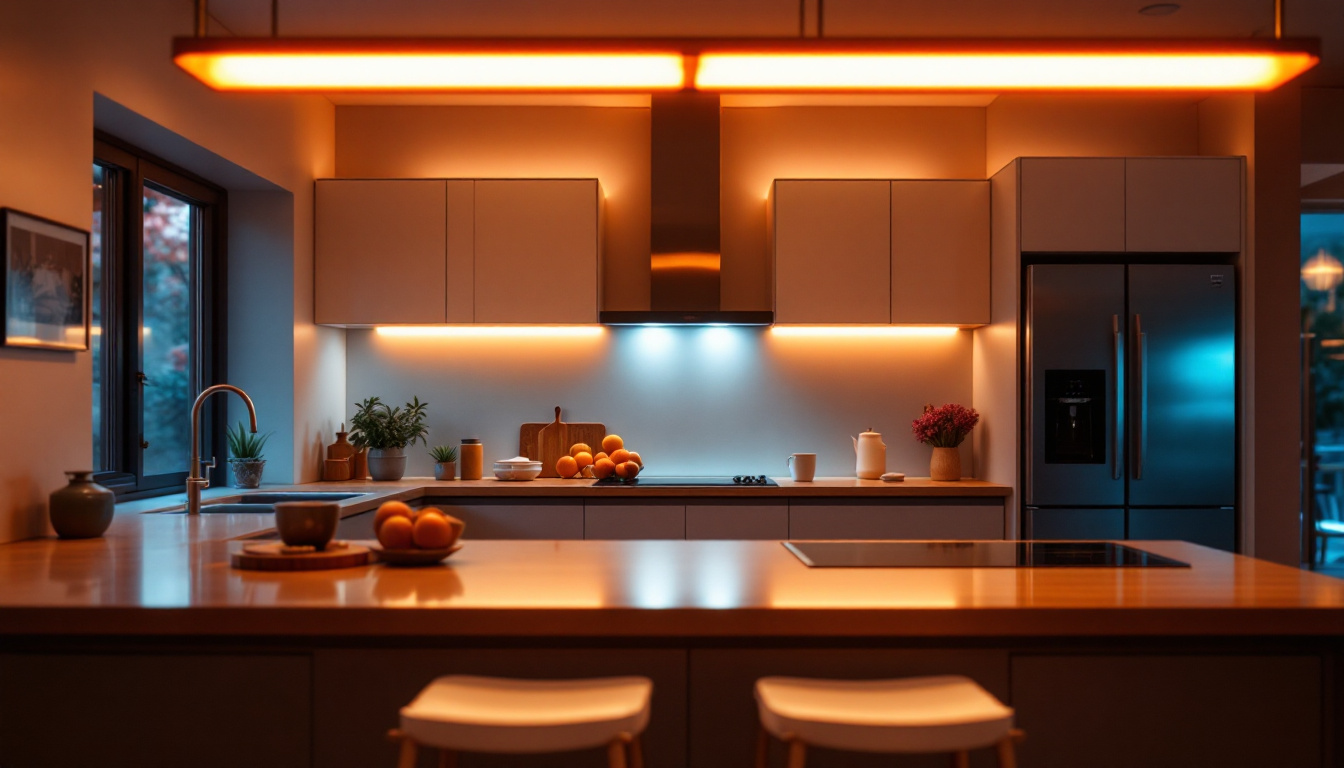
There are various types of fluorescent fixtures available, including surface-mounted, recessed, and under-cabinet lights. Surface-mounted fixtures are ideal for general lighting, while recessed lights can provide a sleek look that blends seamlessly into the ceiling. Under-cabinet lighting is particularly useful for illuminating countertops, making it easier to prepare meals and perform other tasks in the kitchen. Additionally, pendant lights featuring fluorescent bulbs can serve as stylish focal points above islands or dining areas, adding both illumination and character to the kitchen design.
Color Temperature and Brightness
Another critical aspect to consider is the color temperature of the fluorescent bulbs. Measured in Kelvins (K), color temperature affects the ambiance of the kitchen. For a warm, inviting atmosphere, bulbs with a color temperature of around 3000K are ideal. Conversely, a cooler light with a temperature of 4000K to 5000K can create a more modern, clinical feel. Balancing brightness and color temperature is essential for achieving the desired effect in the kitchen. It’s also worth noting that layering different color temperatures can enhance the overall lighting scheme, allowing for versatility depending on the time of day or activity being performed.
Energy Efficiency Ratings
When selecting fluorescent fixtures, it’s also important to look at their energy efficiency ratings. Many fixtures come with Energy Star certification, indicating that they meet strict energy efficiency guidelines. Choosing Energy Star-rated products not only benefits the environment but can also provide homeowners with rebates or incentives, making it a win-win for both contractors and clients. Furthermore, opting for fixtures with longer lifespans can reduce maintenance costs and the frequency of bulb replacements, ultimately contributing to a more sustainable kitchen environment. As energy costs continue to rise, investing in efficient lighting solutions can lead to significant savings over time, making it a smart choice for any kitchen renovation project.
Installation Tips for Fluorescent Kitchen Lights
Proper installation is crucial for maximizing the benefits of fluorescent lighting. Lighting contractors should adhere to best practices to ensure safety, efficiency, and optimal performance.
Wiring and Electrical Considerations
Before installation, it’s essential to assess the existing wiring and electrical capacity of the kitchen. Fluorescent lights typically require a ballast to regulate the current. Ensuring that the electrical system can handle the load is vital to prevent flickering or premature bulb failure. Moreover, contractors should follow local electrical codes and regulations to ensure compliance and safety.
Placement and Spacing
The placement of fluorescent fixtures can significantly influence the overall lighting quality. For general lighting, fixtures should be evenly spaced to provide uniform illumination throughout the kitchen. Under-cabinet lights should be installed close to the front edge of cabinets to minimize shadows on countertops. Additionally, considering the height of the ceiling and the layout of the kitchen can help determine the best locations for fixtures.
Testing and Adjustments
After installation, testing the lighting is crucial. Contractors should evaluate the brightness and color temperature, making adjustments as necessary. If the light feels too harsh, consider adding dimmers or layering with other light sources, such as pendant lights or task lighting, to create a more inviting atmosphere.
Maintenance and Troubleshooting
Even the best-installed fluorescent lighting systems require maintenance to ensure longevity and performance. Lighting contractors should educate homeowners on how to care for their fluorescent lights and troubleshoot common issues.
Routine Maintenance Practices
Regular maintenance can extend the lifespan of fluorescent lights. Homeowners should be encouraged to clean the fixtures and bulbs periodically to remove dust and grime that can diminish light output. Additionally, checking for any signs of wear, such as flickering or dimming, can help catch potential issues early.
Common Issues and Solutions
Flickering lights are a common issue with fluorescent fixtures, often caused by a faulty ballast or poor connections. If flickering occurs, contractors should first check the ballast and replace it if necessary. Another common problem is the slow start of bulbs, which can be resolved by ensuring that the bulbs are compatible with the fixture and checking for any electrical issues.
When to Replace Fixtures
Knowing when to replace fluorescent fixtures is essential for maintaining optimal lighting in the kitchen. If a fixture is consistently causing problems or if the bulbs need frequent replacement, it may be time to consider an upgrade. Newer technologies, such as LED replacements for fluorescent bulbs, can provide better energy efficiency and light quality.
Fluorescent Lighting Trends in Kitchen Design
The world of kitchen design is ever-evolving, and fluorescent lighting trends are no exception. Staying updated on current trends can help lighting contractors offer innovative solutions that meet client needs.
Integration with Smart Technology
Smart home technology is increasingly being integrated into kitchen lighting. Many homeowners are looking for ways to control their lighting through mobile apps or voice-activated devices. Contractors should consider recommending smart fluorescent fixtures or compatible smart switches that allow homeowners to adjust brightness and color temperature with ease.
Combining Fluorescent with Other Light Sources
Another trend is the combination of fluorescent lighting with other sources, such as LED and incandescent lights. This layered approach allows for greater flexibility in creating different moods and enhancing the kitchen’s overall aesthetic. For example, using fluorescent lights for general illumination while incorporating pendant lights for task lighting can create a well-balanced environment.
Emphasizing Aesthetics
Modern fluorescent fixtures are available in various designs and finishes, allowing contractors to recommend options that complement the kitchen’s decor. Sleek, minimalist designs can enhance contemporary kitchens, while vintage-inspired fixtures can add character to more traditional spaces. Understanding the aesthetic preferences of clients can help contractors make informed recommendations.
Conclusion
Mastering fluorescent kitchen lighting is a valuable skill for lighting contractors. By understanding the intricacies of fluorescent technology, selecting the right fixtures, ensuring proper installation, and staying updated on trends, contractors can provide exceptional service to their clients. With the right approach, fluorescent lights can transform kitchens into bright, welcoming spaces that are both functional and stylish. Embracing these secrets will not only enhance the contractor’s expertise but also lead to satisfied clients and successful projects.
Illuminate Your Projects with LumenWholesale
Ready to take your kitchen lighting projects to the next level? At LumenWholesale, we provide lighting contractors with the high-quality, spec-grade fluorescent fixtures you need to master any space. Our unbeatable wholesale prices mean you can offer your clients the best value without compromising on quality. With our vast selection that meets rigorous industry standards, you’ll find the perfect lighting solutions to create bright, welcoming kitchens that dazzle and delight. Plus, with free shipping on bulk orders, you can stock up on premium lighting effortlessly. Elevate your service offerings and delight your clients by choosing Wholesale Lighting at the Best Value with LumenWholesale.