Fluorescent Light Fixture: Best Practices for Lighting Contractors
Understanding Fluorescent Lighting Technology
Fluorescent lighting has long been a staple in commercial and industrial environments due to its energy efficiency and longevity compared to traditional incandescent bulbs. For lighting contractors, a deep understanding of the technology behind fluorescent fixtures is essential to ensure proper installation, maintenance, and troubleshooting.
At its core, a fluorescent light fixture operates by passing an electric current through mercury vapor, which emits ultraviolet light. This UV light then excites a phosphor coating inside the bulb, producing visible light. The fixture itself typically includes components such as the ballast, starter, and the fluorescent tube. Each part plays a critical role in the fixture’s performance and efficiency.
Components and Their Roles
The ballast regulates the current to the lamp and provides sufficient voltage to start the lamp. Modern electronic ballasts are preferred over older magnetic types because they reduce flickering and humming, improve energy efficiency, and extend lamp life. Starters, found in some older fixtures, help initiate the lighting process but are largely obsolete in new installations.
For lighting contractors, selecting the right ballast and tube combination is vital. Mismatched components can lead to premature failure, reduced light output, and increased energy consumption. Understanding the specifications and compatibility is a fundamental step before installation.
In addition to the basic components, the choice of fluorescent tube can significantly impact the overall lighting quality and energy efficiency of a space. Fluorescent tubes come in various sizes and color temperatures, ranging from warm white to cool daylight, allowing contractors to tailor the lighting to the specific needs of a project. For instance, a cooler color temperature is often preferred in workspaces to enhance concentration and visibility, while warmer tones can create a more inviting atmosphere in retail environments. Furthermore, advancements in technology have led to the development of high-efficiency fluorescent tubes that offer even greater energy savings and longer lifespans, making them an attractive option for both new installations and retrofits.
Moreover, the environmental impact of fluorescent lighting cannot be overlooked. While they are more energy-efficient than incandescent bulbs, fluorescent lights contain small amounts of mercury, which necessitates proper disposal and recycling methods. As a result, many lighting contractors are now exploring alternative options, such as LED lighting, which not only eliminates the mercury concern but also provides even greater energy efficiency and longer lifespans. Understanding these nuances in fluorescent technology and its alternatives is crucial for contractors aiming to provide sustainable and effective lighting solutions.
Installation Best Practices for Fluorescent Fixtures
Proper installation of fluorescent light fixtures is critical to maximize their lifespan and performance. Lighting contractors must adhere to industry standards and manufacturer guidelines to ensure safety and efficiency.
Site Assessment and Planning
Before installation, a thorough site assessment should be conducted. This includes evaluating the existing electrical infrastructure, mounting locations, and environmental conditions such as humidity and temperature. Fluorescent fixtures are sensitive to temperature extremes, which can affect their starting and operation.
Additionally, contractors should consider the lighting layout to optimize illumination levels and reduce glare. Using lighting design software or photometric data can aid in achieving uniform light distribution, which is especially important in workspaces to enhance productivity and safety. It’s also beneficial to involve stakeholders in the planning phase to gather input on specific lighting needs, such as task lighting for workstations or ambient lighting for communal areas. This collaborative approach can lead to a more effective lighting solution that meets the diverse needs of the space.
Electrical Considerations
Ensuring the electrical supply matches the fixture’s requirements is paramount. Fluorescent fixtures typically operate on standard voltages but may require specific wiring configurations depending on the ballast type. Contractors must verify circuit capacity and install appropriate protection devices such as fuses or circuit breakers.
Grounding is another critical safety measure. Proper grounding prevents electrical shocks and protects the fixture from damage due to electrical surges. Following the National Electrical Code (NEC) or local regulations is mandatory to maintain compliance and safety standards. Furthermore, it is advisable to conduct a load calculation to ensure that the circuit can handle the additional load of the new fixtures without overloading existing circuits. This proactive measure can prevent potential electrical issues down the line, ensuring a stable and reliable lighting system.
Mounting and Securing Fixtures
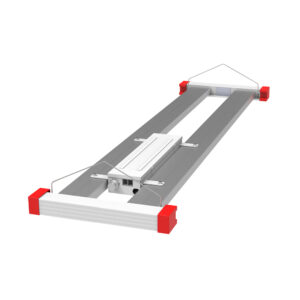
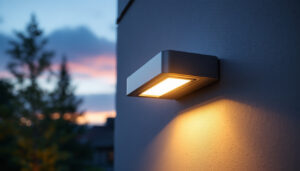
Fluorescent fixtures come in various mounting styles, including recessed, surface-mounted, and suspended. Selecting the appropriate mounting method depends on the ceiling type and the intended use of the space. For example, recessed fixtures are ideal for drop ceilings, while suspended fixtures suit high-ceiling areas like warehouses.
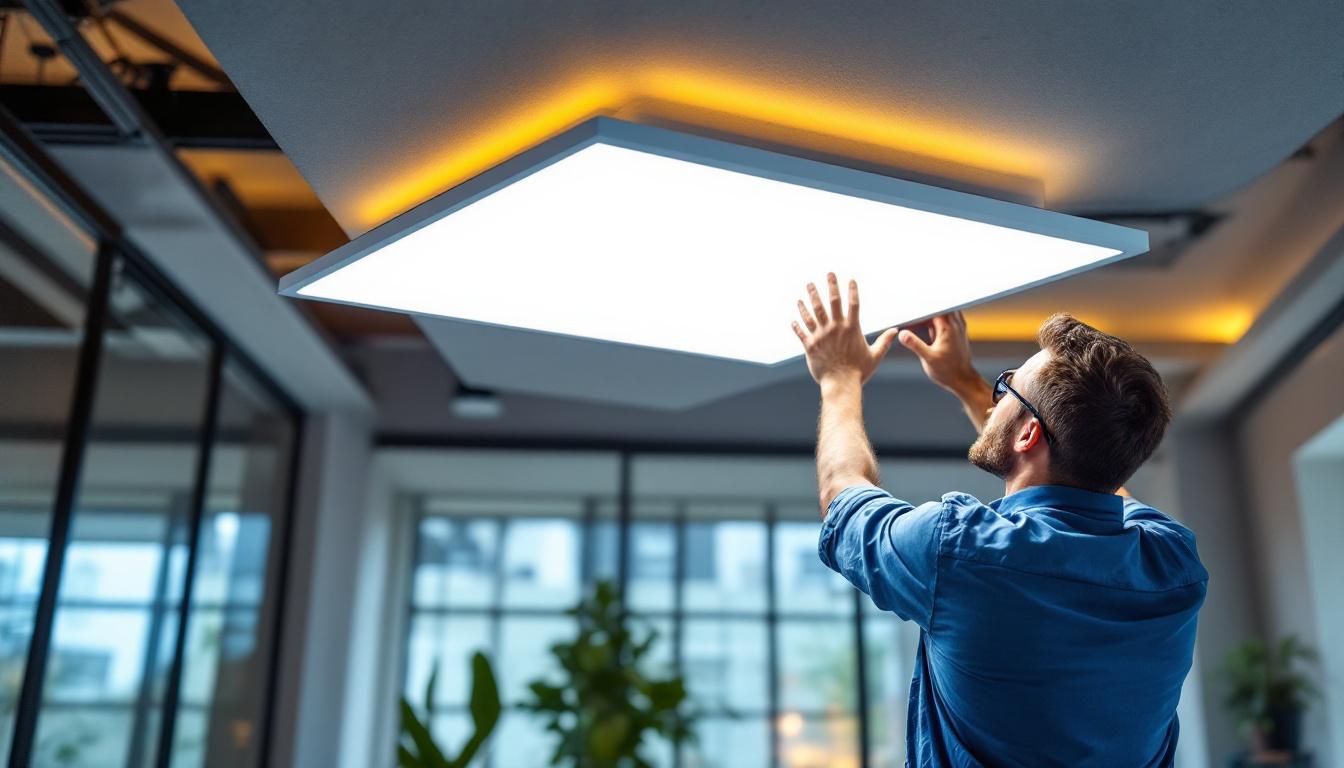
Contractors should use manufacturer-recommended hardware and ensure fixtures are securely fastened to prevent vibration or movement, which can damage internal components over time. Proper alignment is also important to maintain aesthetic appeal and consistent lighting coverage. In addition to securing the fixtures, it’s wise to consider the accessibility of the fixtures for future maintenance. Ensuring that fixtures are easy to reach can facilitate quicker bulb replacements and repairs, ultimately contributing to the longevity and efficiency of the lighting system. Furthermore, incorporating adjustable fixtures in areas where lighting needs may change can provide flexibility and adaptability to evolving space requirements.
Maintenance and Troubleshooting Techniques
Regular maintenance extends the life of fluorescent light fixtures and ensures consistent performance. Lighting contractors often provide maintenance services or train facility personnel on best practices.
Routine Inspection and Cleaning
Dust and dirt accumulation on fixtures and tubes can significantly reduce light output. Routine cleaning with appropriate materials helps maintain brightness and energy efficiency. Contractors should advise clients on safe cleaning procedures, avoiding harsh chemicals that can damage the phosphor coating or fixture housing.
Inspecting for signs of wear, such as flickering, dimming, or discoloration, enables early detection of issues. Loose connections, degraded ballasts, or failing tubes are common problems that can be addressed before complete failure occurs.
Common Troubleshooting Scenarios
Flickering lights are a frequent complaint and often indicate ballast problems or poor electrical connections. Replacing magnetic ballasts with electronic ones can resolve flickering and improve energy efficiency. If flickering persists, checking wiring and socket contacts is necessary.
Failure to start or intermittent operation may be due to faulty starters (in older fixtures) or degraded tubes. Testing and replacing these components systematically helps isolate the issue. Additionally, contractors should be aware of the signs of ballast failure, such as buzzing sounds or overheating, and replace ballasts as needed.
Energy Efficiency and Upgrading Considerations
While fluorescent lighting remains popular, the rise of LED technology has introduced new considerations for lighting contractors. Understanding when and how to upgrade or retrofit fluorescent fixtures can provide significant energy savings and improved lighting quality for clients.
Evaluating Energy Consumption
Fluorescent fixtures are more efficient than incandescent bulbs but generally consume more energy than LEDs. Lighting contractors should assess the total cost of ownership, including energy use, maintenance, and replacement costs, when advising clients on lighting solutions.
Electronic ballasts contribute to improved efficiency, but older magnetic ballasts can waste energy and cause flickering. Replacing outdated ballasts with modern electronic versions is a cost-effective way to enhance performance without full fixture replacement.
Retrofitting Fluorescent Fixtures with LED Tubes
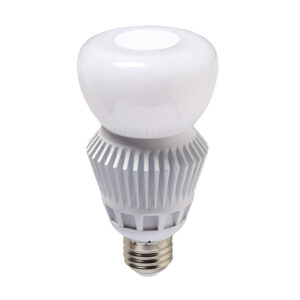
One popular upgrade is retrofitting existing fluorescent fixtures with LED tubes. This approach leverages existing infrastructure while providing the benefits of LED technology, such as lower energy consumption, longer lifespan, and improved light quality.
Contractors must ensure compatibility between LED tubes and existing ballasts or opt for ballast bypass solutions. Proper installation is crucial to avoid electrical hazards and ensure optimal performance. Providing clients with detailed information on retrofit options and potential savings helps build trust and supports informed decision-making.
Environmental and Regulatory Compliance
Fluorescent lamps contain small amounts of mercury, which requires careful handling and disposal to prevent environmental contamination. Lighting contractors should follow local regulations for recycling and disposal of fluorescent tubes and ballasts to ensure compliance and environmental responsibility.
Educating clients about proper disposal methods and offering recycling services can enhance a contractor’s reputation and contribute to sustainable practices within the industry.
Safety Protocols and Industry Standards
Safety is paramount in all aspects of lighting installation and maintenance. Lighting contractors must adhere to established industry standards and best practices to protect themselves, their teams, and their clients.
Personal Protective Equipment (PPE) and Safe Handling
Handling fluorescent tubes requires care to avoid breakage and exposure to mercury vapor. Contractors should wear gloves and eye protection during installation and maintenance. In the event of a broken tube, following proper cleanup procedures is essential to minimize health risks.
Electrical safety protocols, including de-energizing circuits before work and verifying absence of voltage, must be strictly observed. Training and certification in electrical safety standards are highly recommended for all lighting professionals.
Compliance with Codes and Standards
Adhering to the National Electrical Code (NEC), Occupational Safety and Health Administration (OSHA) guidelines, and other relevant standards ensures installations meet legal and safety requirements. Contractors should stay current with updates and changes in regulations to maintain compliance.
Documentation of installation and maintenance work, including compliance checks and safety inspections, supports accountability and can be valuable in resolving disputes or warranty claims.
Conclusion: Delivering Quality and Efficiency in Fluorescent Lighting
For lighting contractors, mastering best practices in fluorescent light fixture installation, maintenance, and upgrading is essential to delivering high-quality, energy-efficient lighting solutions. A thorough understanding of the technology, attention to safety, and commitment to client education position contractors as trusted experts in the field.
By following these guidelines, contractors can enhance their service offerings, reduce operational costs for clients, and contribute to sustainable lighting practices that benefit both businesses and the environment.
Upgrade Your Lighting Solutions with LumenWholesale
Ready to elevate your lighting projects with the highest quality fluorescent fixtures and LED alternatives? Look no further than LumenWholesale, where we provide contractors with spec-grade lighting products at unbeatable wholesale prices. Our extensive selection not only meets but exceeds industry standards, ensuring you deliver reliable and high-performance lighting solutions. Take advantage of our hassle-free bulk buying and free shipping to get premium lighting at the best value — all without hidden fees or compromises. Discover the perfect blend of quality, affordability, and convenience at LumenWholesale.