Introduction to Solar-Powered Flood Lighting
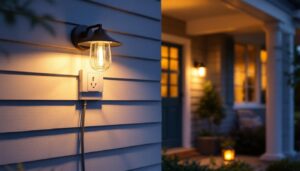
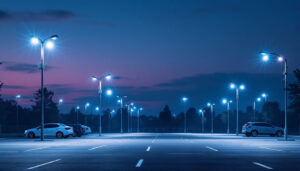
Solar-powered flood lights have revolutionized outdoor lighting by offering a sustainable and cost-effective alternative to traditional electrical systems. For lighting contractors, these systems present an opportunity to deliver high-quality illumination while promoting energy efficiency and reducing environmental impact. With advancements in solar technology, modern solar flood lights are equipped with powerful LED bulbs that provide bright and reliable lighting, making them suitable for various applications, including security, landscaping, and event lighting. This shift not only benefits the environment but also aligns with the growing consumer demand for green solutions.
Despite their advantages, the adoption and installation of solar flood lights come with unique challenges. Many contractors, even those experienced in conventional lighting, encounter pitfalls when transitioning to solar technology. Understanding these common mistakes is crucial to ensuring successful installations, customer satisfaction, and long-term system performance. For instance, one of the most significant challenges is selecting the right solar panel size and battery capacity to ensure optimal performance throughout the night and during cloudy days. Additionally, improper placement of the solar panels can lead to inadequate sunlight exposure, ultimately diminishing the effectiveness of the flood lights.
Furthermore, the integration of smart technology in solar flood lights is becoming increasingly popular. Many models now feature motion sensors, timers, and even smartphone connectivity, allowing users to control their lighting remotely. This added functionality not only enhances security but also provides users with the flexibility to customize their lighting needs based on specific situations or preferences. However, contractors must be well-versed in these technologies to properly advise their clients on the best options for their particular circumstances. As the market for solar-powered solutions continues to grow, staying informed about the latest innovations and best practices will be essential for contractors looking to thrive in this evolving landscape.
Overlooking Site Assessment and Solar Potential
Failing to Evaluate Sunlight Exposure Adequately
One of the most critical steps in installing a solar flood light is assessing the site’s solar potential. A common mistake is neglecting to thoroughly evaluate the amount and quality of sunlight the location receives throughout the day. Solar panels require direct sunlight to charge efficiently; shading from trees, buildings, or other structures can significantly reduce energy capture.
Lighting contractors sometimes rely solely on general assumptions about the site’s exposure or use inadequate tools for assessment. This oversight often leads to underperformance, where the flood lights fail to operate at optimal brightness or duration, frustrating clients and damaging reputations. Furthermore, the angle at which solar panels are installed can greatly influence their efficiency. A proper tilt can maximize sunlight absorption, especially during the winter months when the sun is lower in the sky. Therefore, a detailed analysis of the site’s topography and potential obstructions is essential for achieving the best results.
Ignoring Seasonal and Weather Variability
Another frequent error is disregarding seasonal changes and local weather patterns. Solar irradiance varies with seasons, and cloudy or rainy climates can reduce the effectiveness of solar panels. Contractors who do not factor in these variations risk installing systems that cannot sustain lighting needs during less sunny periods.
Comprehensive site assessments should include an analysis of historical weather data and seasonal sun paths to ensure the solar flood light system is designed with sufficient capacity and battery storage. In addition to assessing historical data, it is also beneficial to consider future climate trends that may affect solar energy generation. For instance, areas experiencing increased rainfall or more frequent overcast days may require more robust systems or alternative energy solutions to ensure reliable performance. By integrating these considerations into the planning phase, contractors can provide clients with a more reliable and efficient solar lighting solution that meets their needs year-round.
Incorrect Sizing of Solar Panels and Battery Capacity
Underestimating Power Requirements
Accurate calculation of power requirements is fundamental to designing an effective solar flood lighting system. Contractors often underestimate the wattage needed for the flood lights, leading to undersized solar panels and batteries. This mistake results in insufficient illumination time and frequent system downtime.
It is essential to consider the total wattage of the flood lights, desired operating hours, and days of autonomy (the number of days the system should operate without sunlight). Overlooking any of these factors can compromise system reliability. For instance, if a contractor assumes that the system will receive consistent sunlight every day, they may fail to account for seasonal variations or unexpected weather conditions, which can drastically affect solar energy generation. Additionally, incorporating a buffer in power calculations can help mitigate the risks associated with sudden increases in energy demand or prolonged periods of low sunlight, ensuring that the system remains functional and effective throughout its intended lifespan.
Choosing Inadequate Battery Types and Capacities
The battery is the heart of any solar lighting system. Selecting batteries with inadequate capacity or poor quality can lead to premature failures and increased maintenance costs. Lighting contractors sometimes choose batteries based solely on cost or size without considering lifecycle, depth of discharge, and temperature tolerance.
Proper battery sizing should accommodate the energy storage needed for continuous operation during low sunlight periods, while battery type selection should prioritize longevity and safety. For example, lithium-ion batteries, although initially more expensive, often offer superior performance in terms of lifespan and efficiency compared to traditional lead-acid batteries. Furthermore, understanding the specific application requirements—such as the environment in which the system will be installed—can influence battery selection. Extreme temperatures, humidity levels, and even altitude can affect battery performance, making it crucial to choose a battery that can withstand the local conditions while delivering reliable energy storage. This attention to detail not only enhances system performance but also reduces the risk of costly replacements and downtime in the future.
Poor Installation Practices and Component Integration
Improper Mounting of Solar Panels
Correct mounting of solar panels is vital for maximizing energy capture. Common mistakes include incorrect tilt angles, insecure mounting, and poor orientation relative to the sun’s path. Panels mounted flat or facing the wrong direction can lose up to 30% of their efficiency.
Contractors must tailor the mounting angle and orientation to the geographic location and specific site conditions. Using adjustable mounts can help optimize performance throughout the year. Additionally, the choice of mounting materials plays a crucial role in the durability and longevity of the installation. For instance, using corrosion-resistant metals or high-quality aluminum can prevent deterioration over time, especially in coastal areas where salt exposure is prevalent. Furthermore, ensuring that the mounting system is designed to withstand local weather conditions, such as high winds or heavy snowfall, can significantly enhance the reliability of the solar panels.
Neglecting Wiring and Connections
Faulty wiring and poor electrical connections are frequent causes of system failure. Contractors sometimes use inappropriate wire gauges, neglect waterproofing, or fail to secure connections properly. These errors can lead to voltage drops, short circuits, or corrosion, reducing system lifespan and safety.
Adhering to electrical best practices, using weather-resistant components, and performing thorough testing after installation are essential steps to ensure system integrity. Moreover, regular maintenance checks can help identify potential issues before they escalate into major problems. For example, inspecting connections for signs of wear or corrosion can prevent unexpected outages and costly repairs. Additionally, implementing a monitoring system can provide real-time data on the performance of the solar array, allowing for proactive management of any electrical anomalies. This level of diligence not only safeguards the investment but also enhances the overall efficiency of the solar energy system.
Ignoring Maintenance and Monitoring Requirements
Assuming Solar Systems Are Maintenance-Free
There is a misconception that solar flood lights require no maintenance. While solar technology reduces routine upkeep compared to conventional lighting, neglecting periodic maintenance can degrade performance. Dust accumulation on panels, battery health monitoring, and fixture cleaning are necessary to maintain optimal operation.
Lighting contractors should educate clients on maintenance schedules and offer service plans to ensure long-term satisfaction and system efficiency.
Lack of Remote Monitoring and Diagnostics
Modern solar flood lighting systems often incorporate monitoring features that provide real-time data on performance and faults. Contractors who fail to recommend or install these systems miss opportunities to proactively address issues before they escalate.
Integrating monitoring solutions enhances reliability, reduces downtime, and adds value to the installation by enabling data-driven maintenance.
Underestimating Regulatory and Safety Compliance
Non-Compliance with Local Codes and Standards
Lighting contractors sometimes overlook local regulations, permits, and safety standards specific to solar installations. Non-compliance can result in fines, forced modifications, or voided warranties.
Understanding and adhering to electrical codes, building permits, and environmental guidelines is essential for a smooth installation process and legal protection.
Ignoring Safety Protocols During Installation
Solar flood light installations involve working at heights and handling electrical components. Neglecting safety protocols can lead to accidents, injuries, or damage to equipment.
Contractors must ensure that their teams are trained in safe installation practices, use appropriate personal protective equipment (PPE), and follow industry safety standards.
Conclusion: Enhancing Success in Solar Flood Light Installations
Solar flood lighting offers significant benefits for outdoor illumination, combining sustainability with operational savings. However, lighting contractors must avoid common mistakes related to site assessment, system sizing, installation quality, maintenance, and compliance to ensure successful outcomes.
By investing time in thorough planning, leveraging modern technology, and adhering to best practices, contractors can deliver reliable, efficient solar flood light systems that meet client expectations and contribute to a greener future.
Continuous education and adaptation to evolving solar technologies will empower lighting professionals to stay competitive and excel in this growing market segment.
Get Your Premium Solar Flood Lights at LumenWholesale
Ready to elevate your solar flood light installations with the best products on the market? Look no further than LumenWholesale. Our selection of spec-grade lighting products combines quality with affordability, ensuring you can tackle any project with confidence. Say goodbye to middleman markups and hello to unbeatable wholesale prices, free shipping, and the convenience you deserve. Don’t let common mistakes hinder your success. Choose LumenWholesale for reliable, high-performance lighting solutions that align with your commitment to excellence. Wholesale Lighting at the Best Value is just a click away. Make the smart choice for your business and your clients today.