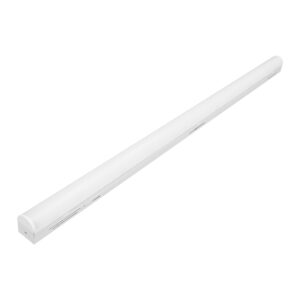
Understanding Flat Recessed LED Lights: An Overview for Lighting Contractors
Flat recessed LED lights have become a staple in modern lighting design, offering a sleek, minimalist aesthetic combined with energy efficiency and longevity. For lighting contractors, mastering the nuances of these fixtures is essential to delivering high-quality installations that meet client expectations and comply with industry standards.
Unlike traditional recessed lights that often protrude into the ceiling cavity, flat recessed LEDs are designed to sit flush with the ceiling surface. This design not only enhances the visual appeal but also allows for easier installation in spaces with limited ceiling depth. Their low-profile nature makes them ideal for residential, commercial, and hospitality projects where a clean, contemporary look is desired.
Moreover, flat recessed LEDs provide superior light distribution, often featuring wide beam angles and high color rendering indexes (CRI), which contribute to more natural and comfortable illumination. Understanding these technical aspects is critical for contractors aiming to specify and install lighting solutions that optimize both form and function.
In addition to their aesthetic and functional advantages, flat recessed LED lights are also highly adaptable. Many models come with adjustable color temperatures, allowing contractors to customize the ambiance of a space according to the needs of the client. For instance, a warm white light can create a cozy atmosphere in residential settings, while cooler tones are often preferred in office environments to enhance focus and productivity. Furthermore, the ability to dim these lights adds another layer of versatility, enabling users to modify the brightness to suit various activities, from casual gatherings to formal presentations.
Another significant benefit of flat recessed LED lights is their energy efficiency. These fixtures consume considerably less power compared to traditional incandescent or fluorescent lighting, which not only reduces energy costs but also minimizes the environmental impact. As sustainability becomes increasingly important in the construction and design industries, offering energy-efficient lighting solutions can be a strong selling point for contractors. Additionally, many flat recessed LEDs have a lifespan of up to 50,000 hours, which means fewer replacements and lower maintenance costs over time, making them an attractive option for both contractors and clients alike.
Key Benefits of Flat Recessed LED Lighting for Contractors and Clients
Energy Efficiency and Cost Savings
One of the primary advantages of flat recessed LED lights is their energy efficiency. LEDs consume significantly less power compared to incandescent or fluorescent fixtures, often reducing energy consumption by up to 70%. For contractors, this translates to a compelling selling point when advising clients on long-term operational savings. The reduction in energy use not only lowers utility bills but also contributes to a smaller carbon footprint, aligning with the growing emphasis on sustainability in construction and renovation projects.
Additionally, the extended lifespan of LEDs—typically ranging from 25,000 to 50,000 hours—means fewer replacements and maintenance interventions. This longevity reduces labor costs and disruption for clients, enhancing overall satisfaction. Furthermore, many utility companies offer rebates or incentives for installing energy-efficient lighting, providing an additional financial benefit that contractors can leverage to encourage clients to make the switch. By presenting these advantages, contractors can position themselves as knowledgeable partners in their clients’ efforts to achieve cost-effective and environmentally friendly solutions.
Design Flexibility and Aesthetic Appeal
Flat recessed LEDs offer unparalleled design flexibility. Their slim profile allows installation in ceilings with limited clearance, such as in renovations or retrofit projects. Furthermore, these fixtures come in various sizes, color temperatures, and dimming capabilities, enabling contractors to tailor lighting schemes to specific environments and client preferences. This adaptability is particularly valuable in commercial spaces where branding and ambiance play crucial roles; the right lighting can significantly influence customer perceptions and experiences.
The ability to integrate with smart lighting controls further enhances their appeal, allowing for customizable ambiance and energy management. For contractors, staying abreast of these options is crucial to providing cutting-edge solutions that align with evolving market demands. Additionally, the seamless integration of lighting with other smart technologies—such as occupancy sensors and automated shading systems—can create a fully synchronized environment that enhances both functionality and aesthetics. This trend towards smart building solutions is becoming increasingly prevalent, making it essential for contractors to be knowledgeable about these advancements to meet client expectations effectively.
Improved Light Quality and Comfort
High-quality flat recessed LEDs deliver consistent, glare-free illumination that enhances occupant comfort. With CRI values often exceeding 80, these fixtures render colors more accurately, which is particularly important in retail, healthcare, and hospitality settings. The ability to provide high-quality light not only improves the visual appeal of spaces but also positively impacts mood and productivity, making it a key consideration for contractors when designing lighting plans.
Moreover, the availability of tunable white and adjustable brightness options allows contractors to create dynamic lighting environments that support circadian rhythms and improve wellbeing. Understanding these benefits enables contractors to recommend lighting solutions that go beyond mere illumination to enhance user experience. For instance, in office environments, the ability to adjust light temperature throughout the day can help maintain alertness and focus among employees. Similarly, in residential settings, customizable lighting can transform a space from a bright, energizing atmosphere during the day to a warm, relaxing environment in the evening, catering to the diverse needs of occupants at different times. This level of personalization is increasingly sought after, making it a valuable aspect of modern lighting design.
Proven Installation Techniques for Flat Recessed LED Lights
Pre-Installation Planning and Site Assessment
Successful installation begins with thorough planning. Contractors should conduct detailed site assessments to evaluate ceiling construction, available clearance, and existing electrical infrastructure. This information is vital to selecting the appropriate fixture size and mounting method.
Additionally, understanding the ceiling material—whether drywall, plaster, or suspended grids—guides the choice of installation hardware and techniques. For example, some flat recessed LEDs require specific mounting brackets or retrofit kits to ensure secure attachment and optimal alignment.
Electrical Considerations and Compliance
Ensuring electrical compliance is paramount. Contractors must verify that the existing wiring and circuit capacity can support the new LED fixtures, particularly when retrofitting multiple units. Using LED drivers compatible with dimming systems and smart controls enhances functionality and client satisfaction.
Adherence to local electrical codes and standards, such as NEC (National Electrical Code) requirements, is non-negotiable. Proper grounding, junction box accessibility, and circuit protection safeguard both the installation and end-users. Documenting compliance during installation also facilitates future inspections and maintenance.
Installation Best Practices
When installing flat recessed LEDs, precision is key. Contractors should mark fixture locations carefully to ensure uniform spacing and alignment, which significantly impacts the overall aesthetic. Using laser levels or templates can aid in achieving consistent results.
Cutting ceiling openings requires accuracy to prevent damage and ensure a snug fit. For retrofit installations, removing existing fixtures without compromising the ceiling integrity is critical. Once the fixture is placed, securing it firmly with manufacturer-recommended hardware prevents sagging or misalignment over time.
Finally, connecting the electrical components should be done with attention to wire gauge, connector quality, and insulation. Testing each fixture before finalizing the installation helps identify and rectify issues promptly.
Maintenance and Troubleshooting: Ensuring Longevity and Performance
Routine Inspection and Cleaning
Flat recessed LED lights generally require minimal maintenance; however, periodic inspections are advisable to maintain optimal performance. Contractors should advise clients to check for dust accumulation on lenses or trims, which can diminish light output and affect aesthetics.
Cleaning should be performed with non-abrasive materials and gentle methods to avoid damaging the fixture’s finish or internal components. In commercial settings, establishing a maintenance schedule can prolong fixture life and reduce unexpected failures.
Common Issues and Solutions
Despite their reliability, flat recessed LEDs can encounter issues such as flickering, dimming irregularities, or complete failure. Flickering often results from incompatible dimmers or loose wiring connections. Contractors should ensure that dimmer switches are LED-compatible and verify all electrical connections during installation.
In cases of dimming problems, checking the LED driver’s specifications against the control system is essential. Replacing faulty drivers or upgrading control modules can resolve these issues. For complete fixture failures, assessing warranty coverage and manufacturer support can facilitate timely replacements.
Upgrading and Retrofit Strategies
As lighting technology advances, contractors may be tasked with upgrading existing flat recessed LED installations. Retrofit kits designed for specific fixture models enable seamless upgrades without extensive ceiling modifications.
When planning upgrades, contractors should evaluate the compatibility of new LEDs with existing wiring and control systems. Incorporating smart lighting capabilities during retrofits can enhance energy management and user experience, providing added value to clients.
Maximizing Client Satisfaction Through Expert Consultation
Assessing Client Needs and Preferences
Effective lighting solutions begin with understanding client objectives. Contractors should engage in detailed consultations to identify functional requirements, aesthetic preferences, and budget constraints. This collaborative approach ensures that the selected flat recessed LED fixtures align with the client’s vision and practical needs.
Discussing factors such as desired ambiance, color temperature, and control options empowers clients to make informed decisions. Providing visual aids, such as lighting simulations or sample fixtures, can further enhance client confidence and satisfaction.
Providing Comprehensive Proposals and Documentation
Clear and detailed proposals help set expectations and streamline project execution. Contractors should include specifications, installation timelines, warranty information, and maintenance recommendations in their documentation.
Offering post-installation support and training on dimming controls or smart systems adds value and fosters long-term client relationships. Transparent communication throughout the project lifecycle builds trust and positions contractors as reliable experts.
Staying Updated with Industry Trends and Innovations
The lighting industry is dynamic, with continuous advancements in LED technology, controls, and design trends. Contractors committed to ongoing education and professional development can offer cutting-edge solutions that differentiate them in a competitive market.
Participating in trade shows, certification programs, and manufacturer training sessions equips contractors with the knowledge to recommend the best products and installation practices. This expertise not only benefits clients but also enhances the contractor’s reputation and business growth.
Conclusion
Flat recessed LED lights represent a versatile and efficient lighting solution that meets the evolving demands of modern architectural design. For lighting contractors, mastering the selection, installation, and maintenance of these fixtures is essential to delivering superior outcomes.
By understanding the technical benefits, adhering to proven installation methods, and engaging clients through expert consultation, contractors can ensure successful projects that combine aesthetic appeal with energy efficiency and durability. Staying informed about industry innovations further empowers contractors to provide value-driven lighting solutions that satisfy clients and support sustainable practices.
Illuminate Your Projects with LumenWholesale
Ready to elevate your lighting installations with the sleek design and energy efficiency of flat recessed LED lights? At LumenWholesale, we provide lighting contractors with the highest quality, spec-grade lighting products at prices that can’t be beaten. Say goodbye to local distributor markups and hello to our extensive selection that meets rigorous industry standards. With free shipping on bulk orders, you can stock up on premium lighting solutions that blend quality, affordability, and convenience seamlessly. Don’t compromise on your lighting needs—choose LumenWholesale for Wholesale Lighting at the Best Value and make every project shine.