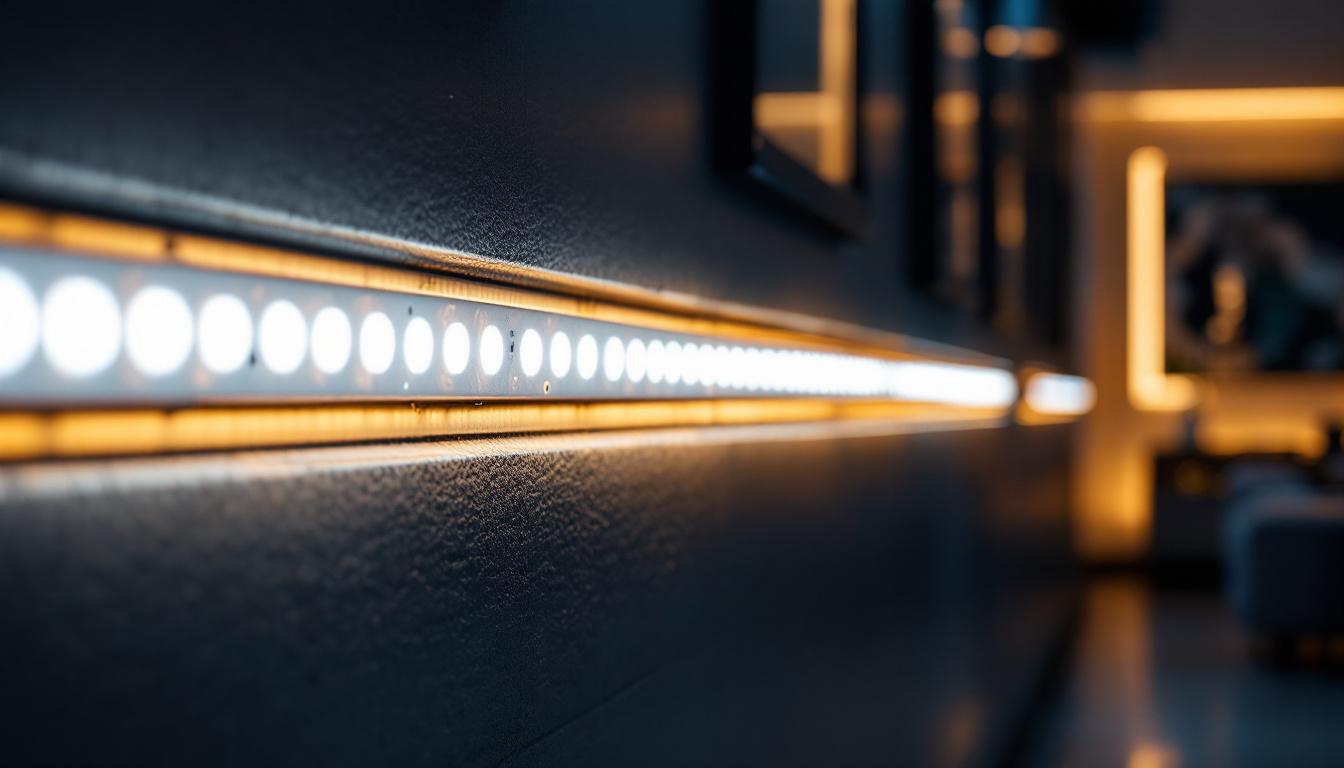
In the ever-evolving world of lighting design, flat LED tape has emerged as a versatile and innovative solution for a variety of applications. However, many lighting contractors often overlook key aspects that can significantly impact the effectiveness and efficiency of this lighting option. Understanding these nuances can not only enhance the quality of projects but also lead to greater customer satisfaction. This article delves into the essential considerations that lighting contractors should keep in mind when working with flat LED tape.
Understanding Flat LED Tape
Flat LED tape, also known as LED strip lights, consists of a flexible circuit board populated with light-emitting diodes (LEDs). This form of lighting is particularly favored for its adaptability and ease of installation. It can be cut to size, bent around corners, and adhered to various surfaces, making it ideal for both residential and commercial applications. The thin profile of flat LED tape allows it to be discreetly integrated into various design elements, ensuring that the lighting enhances rather than overwhelms the overall aesthetic.
Additionally, flat LED tape is energy-efficient, consuming significantly less power than traditional incandescent or fluorescent lighting options. This not only reduces electricity bills but also contributes to a more sustainable environment. With a long lifespan, often exceeding 50,000 hours, flat LED tape is a cost-effective solution for long-term lighting needs, minimizing the frequency of replacements and maintenance.
Applications of Flat LED Tape
The applications for flat LED tape are vast and varied. From accent lighting in homes to task lighting in offices, the possibilities are nearly limitless. In retail spaces, it can highlight merchandise and create an inviting atmosphere, while in architectural settings, it can enhance the aesthetic appeal of a building’s design. For instance, using LED tape to outline shelves or display cases can draw attention to products, making them more appealing to customers.
Moreover, flat LED tape can be used in outdoor settings, provided it is rated for such use. This versatility allows lighting contractors to cater to a wide range of client needs, making it a valuable addition to their toolkit. Outdoor applications can include illuminating pathways, accentuating landscaping features, or enhancing outdoor living spaces such as patios and decks. The ability to withstand various weather conditions makes flat LED tape a reliable choice for enhancing outdoor environments.
Types of Flat LED Tape
Flat LED tape comes in various types, each designed for specific applications. The most common types include standard white LED tape, color-changing RGB tape, and high-output LED tape. Understanding the differences between these options is crucial for contractors to recommend the best solution for their clients. For example, standard white LED tape is ideal for general lighting, while RGB tape offers the ability to create dynamic color effects, perfect for events or mood lighting.
High-output LED tape provides increased brightness, suitable for areas requiring more illumination. Each type has its own specifications and installation requirements, which contractors must consider when planning a project. Additionally, there are options for waterproof LED tape, which can be essential for installations in humid or wet environments. The choice of LED tape can also be influenced by factors such as color temperature, brightness levels, and the intended ambiance, allowing for a tailored lighting solution that meets the specific needs of any space.
Key Considerations for Lighting Contractors
While flat LED tape offers numerous advantages, there are several key considerations that lighting contractors often overlook. Addressing these factors can lead to a more successful installation and improved client satisfaction.
Power Supply Requirements
One of the most critical aspects of using flat LED tape is understanding its power supply requirements. Each type of LED tape has a specific voltage and wattage rating that must be matched with an appropriate power supply. Failing to do so can result in insufficient lighting or, worse, damage to the tape itself.
Contractors should always check the specifications of the LED tape they are using and select a power supply that can handle the total wattage of the installed strips. Additionally, it’s essential to consider the length of the tape; longer runs may require additional power supplies to ensure even brightness and prevent voltage drop.
Heat Management
Heat management is another often-overlooked aspect of flat LED tape installations. LEDs generate heat during operation, and if this heat is not adequately dissipated, it can lead to reduced lifespan and performance of the lighting. Contractors should ensure that the tape is installed on a suitable surface that can absorb and dissipate heat effectively.
Using aluminum channels or heat sinks can help manage heat more efficiently, prolonging the life of the LED tape and maintaining optimal performance. It’s also advisable to avoid tightly wrapping the tape or covering it with materials that can trap heat.
Adhesive Quality and Surface Preparation
The adhesive backing on flat LED tape is designed for easy installation, but its effectiveness can vary significantly. Contractors should pay attention to the quality of the adhesive and the surface preparation before installation. A clean, dry surface is essential for optimal adhesion.
In some cases, additional adhesive or mounting hardware may be necessary to ensure that the tape stays securely in place, especially in high-traffic areas or environments with varying temperatures. Taking the time to prepare the surface properly can prevent future issues related to peeling or detachment.
Design Considerations
Design plays a crucial role in the successful implementation of flat LED tape. Lighting contractors must think beyond mere functionality and consider how the lighting will enhance the overall aesthetic of the space.
Color Temperature and Brightness
Choosing the right color temperature and brightness level is vital for achieving the desired ambiance. Flat LED tape is available in various color temperatures, ranging from warm white to cool white and even colored options. Contractors should understand the psychological effects of different color temperatures and how they can influence the mood of a space.
Additionally, the brightness of the LED tape should be appropriate for its intended use. For example, task lighting in a kitchen may require brighter options, while ambient lighting in a living room may benefit from softer, warmer tones. Balancing these elements can create a harmonious environment that meets the client’s needs.
Light Distribution and Placement
The placement of flat LED tape is another critical design consideration. Proper light distribution is essential to avoid harsh shadows or overly bright spots. Contractors should plan the layout carefully, considering factors such as the height of installation and the proximity to reflective surfaces.
Using diffusers or lens covers can help distribute light more evenly, enhancing the overall effect. Additionally, strategically placing the tape in coves, under cabinets, or along architectural features can create visually appealing highlights and depth in the design.
Installation Tips for Success
Successful installation of flat LED tape requires attention to detail and adherence to best practices. Here are some tips that can help ensure a smooth installation process.
Planning the Layout
Before beginning installation, it is essential to plan the layout meticulously. This includes measuring the areas where the tape will be installed and determining the best way to run power supplies and connections. A well-thought-out plan can save time and reduce the likelihood of errors during installation.
Contractors should also consider the length of the LED tape runs and how they will connect to power sources. Creating a schematic can be beneficial for visualizing the entire setup and ensuring that all components are accounted for.
Testing Before Finalizing Installation
Testing the LED tape before finalizing the installation is a crucial step that is often overlooked. Contractors should connect the tape to the power supply and test it to ensure that all sections are functioning correctly. This step can help identify any issues early on, allowing for adjustments before the tape is permanently affixed.
It’s also an opportunity to assess the brightness and color temperature, ensuring that it meets the client’s expectations. Making any necessary changes at this stage can save time and resources later on.
Maintenance and Longevity
Once the installation is complete, maintenance is key to ensuring the longevity of flat LED tape. Educating clients about proper care can help them maximize the lifespan and performance of their lighting.
Regular Cleaning
Dust and dirt can accumulate on flat LED tape over time, affecting its brightness and overall appearance. Regular cleaning with a soft, dry cloth can help maintain its aesthetic appeal. Contractors should advise clients on the best cleaning practices to avoid damaging the tape or its adhesive backing.
It’s also important to ensure that the surrounding fixtures and surfaces are kept clean, as this can contribute to the overall effectiveness of the lighting.
Monitoring Performance
Encouraging clients to monitor the performance of their flat LED tape can help identify any issues early on. If they notice any flickering, dimming, or color inconsistencies, it may be a sign of a problem that needs to be addressed. Prompt attention to these issues can prevent more significant problems down the line.
Conclusion
Flat LED tape is a powerful lighting solution that offers versatility and creativity in design. However, lighting contractors must be aware of the often-overlooked aspects of its installation and maintenance to ensure optimal performance and client satisfaction. By understanding power supply requirements, heat management, adhesive quality, design considerations, and installation best practices, contractors can elevate their projects and provide exceptional service.
In an industry where innovation is key, staying informed about the latest trends and techniques will set contractors apart from the competition. Embracing the full potential of flat LED tape can lead to stunning results that not only meet but exceed client expectations.
Illuminate Your Projects with LumenWholesale
Ready to take your lighting projects to the next level? At LumenWholesale, we provide lighting contractors with the highest quality, spec-grade flat LED tape and more, all at unbeatable wholesale prices. Say goodbye to local distributor markups and hello to superior lighting products that meet the highest industry standards. With our hassle-free bulk buying and free shipping, you’ll enjoy premium lighting solutions at the best value — without hidden fees or compromises. Elevate your lighting designs today and experience the best in wholesale lighting with LumenWholesale.