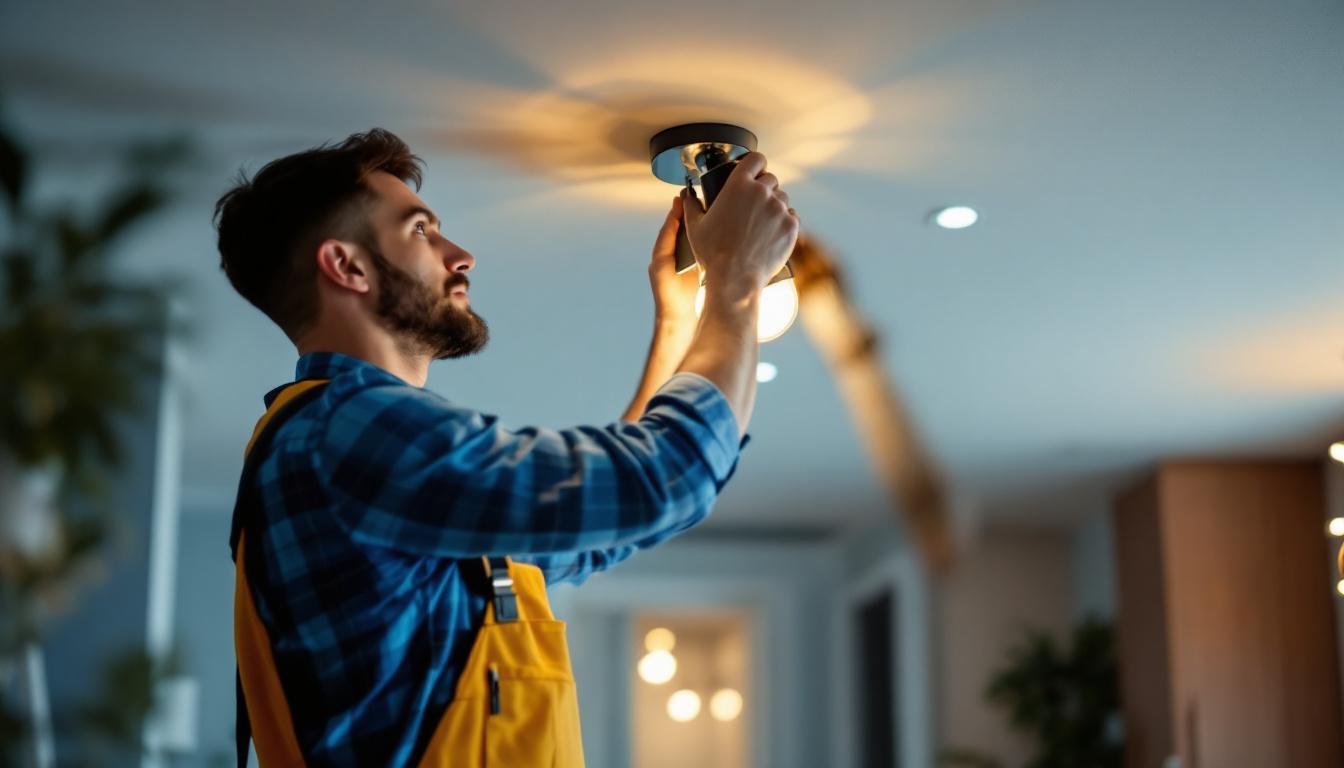
Introduction to Ceiling Lighting Installation
Ceiling lights are a fundamental element in both residential and commercial lighting design. For lighting contractors, mastering the art and science of hanging ceiling lights is essential to delivering safe, efficient, and aesthetically pleasing results. This process involves more than just attaching a fixture to the ceiling; it requires understanding electrical systems, structural considerations, and client preferences. Proper installation can transform a space, enhancing its functionality while creating an inviting atmosphere.
Lighting contractors must stay current with industry standards, safety regulations, and evolving technologies to ensure that installations meet both functional and design expectations. This article explores the essentials of ceiling light hanging, providing practical insights and best practices tailored to professionals in the field. Additionally, it is crucial for contractors to be familiar with various types of ceiling lights, such as recessed, pendant, and flush-mount fixtures, each offering unique benefits and aesthetic qualities. Understanding the nuances of these different types can help contractors recommend the best options to clients based on the specific needs of each space, whether it be for ambiance, task lighting, or decorative flair.
Moreover, the selection of the right lighting can significantly impact energy efficiency and sustainability. With the rise of LED technology, contractors are now equipped with options that not only reduce energy consumption but also boast longer lifespans compared to traditional bulbs. This shift not only benefits the environment but also provides clients with cost savings over time. As such, incorporating energy-efficient solutions into ceiling lighting installations is not just a trend but a responsibility that modern contractors must embrace to meet the demands of eco-conscious consumers.
Understanding Ceiling Light Types and Their Installation Requirements
Common Ceiling Light Fixtures
Ceiling lights come in a variety of styles and configurations, each with unique installation demands. The most common types include flush mounts, semi-flush mounts, chandeliers, pendant lights, recessed lights, and track lighting. Each fixture type varies in weight, mounting hardware, and wiring complexity. Flush mounts are particularly popular in spaces with low ceilings, providing a sleek and unobtrusive look that maximizes headroom while still delivering ample illumination. Semi-flush mounts, on the other hand, hang slightly lower, offering a more decorative flair that can enhance the aesthetic of a room without overwhelming the space.
For example, flush and semi-flush mounts are generally lighter and easier to install, often attaching directly to an electrical box secured to the ceiling joist. Chandeliers and pendant lights, however, can be significantly heavier and may require reinforced mounting points or additional support structures to ensure safety and stability. The installation of these more elaborate fixtures often involves careful planning, as they can become focal points in a room, drawing attention to their design and the light they emit. Additionally, pendant lights can be used in clusters or at varying heights to create a dramatic effect, making them a versatile choice for dining areas or kitchen islands.
Weight and Support Considerations
Weight is a critical factor when hanging ceiling lights. Overlooking the weight of a fixture can lead to structural damage or safety hazards. Lighting contractors must assess the ceiling’s capacity to support the fixture and, if necessary, install additional bracing or use specialized mounting brackets. This assessment is particularly important in older homes, where the integrity of the ceiling structure may not meet modern standards. Homeowners should also consider the material of the ceiling, as drywall, plaster, and wood can all have different load-bearing capabilities.
National electrical codes and local building regulations often specify maximum weight limits for standard electrical boxes. When installing heavy fixtures, contractors should use approved support systems such as fan braces or ceiling joist mounts. This ensures compliance and reduces liability. Furthermore, it is essential to ensure that the wiring is adequate for the fixture’s power requirements. Using the correct gauge of wire and ensuring that the circuit can handle the load is crucial in preventing electrical issues. Proper installation not only enhances the longevity of the lighting fixture but also contributes to the overall safety of the home, making it imperative to follow best practices and guidelines during the installation process.
Electrical and Safety Standards for Ceiling Light Installation
Compliance with Electrical Codes
Adherence to electrical codes is non-negotiable for lighting contractors. These codes dictate wiring methods, grounding requirements, box fill capacities, and fixture mounting standards. Familiarity with the National Electrical Code (NEC) or local equivalents is essential to avoid violations and ensure the safety of occupants.
For instance, all ceiling light fixtures must be connected to a properly rated electrical box that can support the fixture’s weight and wiring. Additionally, the wiring must be correctly sized and protected by circuit breakers or fuses to prevent electrical fires.
Grounding and Wiring Best Practices
Proper grounding is a critical safety measure. Contractors should verify that the electrical box and fixture are grounded to prevent electrical shock. Using grounding screws or clips and ensuring continuity throughout the circuit is a best practice.
When wiring ceiling lights, it’s important to identify hot, neutral, and ground wires correctly. Color coding typically follows black or red for hot, white for neutral, and green or bare copper for ground. Testing wires with a voltage tester before installation can prevent costly mistakes and hazards.
Tools and Materials Essential for Ceiling Light Hanging
Must-Have Tools for Lighting Contractors
Successful ceiling light installation depends on having the right tools at hand. Essential tools include:
- Voltage Tester: To safely verify power is off before working on circuits.
- Wire Strippers and Cutters: For preparing and trimming wires.
- Drill and Screwdrivers: For mounting fixtures and installing hardware.
- Fish Tape or Wire Puller: To route wiring through walls and ceilings.
- Level and Measuring Tape: To ensure fixtures are hung straight and at correct heights.
Having these tools readily available improves efficiency and reduces the risk of errors during installation.
Materials and Accessories
Besides the fixture itself, contractors need appropriate mounting hardware, electrical boxes rated for the fixture’s weight, wire connectors, and sometimes additional support braces. Using high-quality materials that meet or exceed code requirements ensures a durable and safe installation.
For example, plastic wire nuts are common for connecting wires, but metal connectors may be preferred in certain environments for added durability. Similarly, choosing the correct type of electrical box—metal or plastic—depends on the fixture and ceiling material.
Step-by-Step Process for Hanging Ceiling Lights
Preparation and Safety Measures
Before beginning installation, contractors should turn off power at the circuit breaker and confirm with a voltage tester that the circuit is de-energized. Preparing the workspace by laying down drop cloths and ensuring adequate lighting helps maintain a safe and organized environment.
Reviewing the fixture’s installation instructions and verifying the compatibility of the electrical box and mounting hardware are critical preparatory steps. This reduces the likelihood of issues during the actual hanging process.
Mounting the Electrical Box and Support
If a new fixture is being installed where no electrical box exists, or if the existing box is inadequate, contractors must install a suitable box. This may involve cutting into drywall or ceiling material and securing the box to a joist or support brace.
For heavier fixtures, installing a fan brace or other reinforcement is necessary. This step ensures that the fixture’s weight is properly supported and reduces strain on the wiring and ceiling structure.
Wiring and Connecting the Fixture
After mounting the box, the next step is wiring the fixture. Contractors should carefully strip the insulation from wires, connect matching wires using wire nuts, and ensure all connections are secure and insulated. Ground wires must be connected to the box or fixture grounding terminal.
It’s important to tuck wires neatly into the box to avoid pinching or damage when attaching the fixture. Testing connections with a multimeter can verify continuity and correct wiring before finalizing the installation.
Securing and Aligning the Fixture
Once wired, the fixture is attached to the mounting bracket or directly to the electrical box. Using a level ensures the fixture hangs straight, which is especially important for pendants and chandeliers where alignment affects both appearance and function.
Contractors should tighten all screws and fasteners securely but avoid over-tightening, which can damage components or strip threads. After installation, restoring power and testing the fixture confirms proper operation.
Common Challenges and Solutions in Ceiling Light Installation
Dealing with Uneven Ceilings
Uneven or textured ceilings can complicate fixture mounting. Contractors may need to use adjustable mounting brackets or shims to compensate for irregular surfaces. In some cases, modifying the fixture canopy or using extension rods can help achieve a level installation.
Working with Old or Damaged Wiring
Older buildings often present challenges such as outdated wiring or insufficient electrical boxes. Lighting contractors should assess the condition of existing wiring and replace or upgrade components as necessary to meet current safety standards.
Using junction boxes and running new wiring may be required to ensure a safe and code-compliant installation.
Ensuring Proper Fixture Height and Placement
Determining the correct height for hanging fixtures is crucial for both aesthetics and functionality. For example, pendants over kitchen islands are typically hung 30 to 36 inches above the surface, while chandeliers in dining rooms should allow at least 7 feet of clearance from the floor.
Consulting design guidelines and client preferences helps contractors achieve optimal placement that enhances the space.
Advancements in Ceiling Lighting Technology
Integration of Smart Lighting Systems
Modern ceiling lights increasingly incorporate smart technology, allowing remote control, dimming, color changing, and integration with home automation systems. Lighting contractors should familiarize themselves with these technologies to offer clients advanced solutions.
Installing smart fixtures may require additional considerations such as wireless connectivity, compatible switches, and power supply requirements.
Energy-Efficient LED Fixtures
LED technology has transformed ceiling lighting by offering long-lasting, energy-efficient options with superior light quality. Contractors should recommend LED fixtures when possible to help clients reduce energy costs and maintenance needs.
Understanding LED driver requirements and compatibility with dimmers is essential for a successful installation.
Conclusion: Best Practices for Lighting Contractors
Hanging ceiling lights is a task that combines technical knowledge, safety awareness, and aesthetic judgment. Lighting contractors who invest in understanding fixture types, electrical codes, proper tools, and installation techniques position themselves as trusted professionals in the industry.
Staying informed about technological advancements and adapting to client needs ensures that contractors can deliver high-quality installations that enhance spaces and provide lasting value. By following the essentials outlined in this article, lighting contractors can confidently tackle ceiling light hanging projects with efficiency and expertise.
Illuminate Your Projects with LumenWholesale
Ready to elevate your lighting installations with premium quality and unbeatable value? Look no further than LumenWholesale for all your ceiling light needs. Our extensive selection of spec-grade lighting products is designed to meet the highest industry standards, ensuring you deliver exceptional results every time. Say goodbye to inflated markups and hello to hassle-free bulk buying with free shipping. Don’t compromise on quality or cost. Click here for Wholesale Lighting at the Best Value and make LumenWholesale your go-to source for reliable, high-performance lighting solutions.