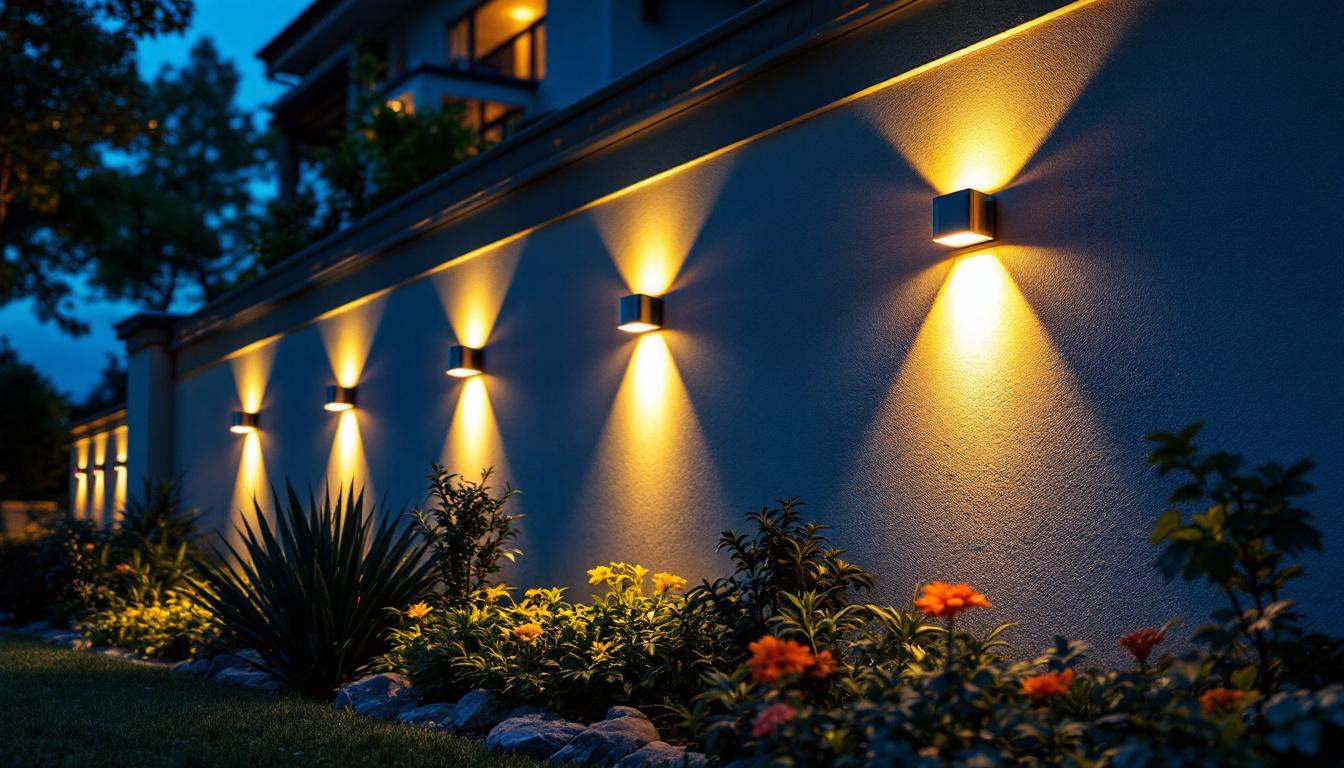
As the demand for sustainable and energy-efficient solutions continues to rise, exterior wall mounted solar lights have gained significant traction in the lighting industry. For lighting contractors, understanding the advantages and disadvantages of these solar-powered fixtures is essential for making informed decisions that align with client needs and project requirements. This article delves into the pros and cons of exterior wall mounted solar lights, providing valuable insights for lighting professionals.
Understanding Solar Wall Lights
Solar wall lights are outdoor lighting fixtures that harness solar energy to illuminate outdoor spaces. Typically mounted on walls, these lights are equipped with photovoltaic cells that convert sunlight into electricity, which is stored in batteries for nighttime use. They are commonly used in residential, commercial, and public settings, offering a range of benefits that appeal to both contractors and end-users. The growing popularity of solar wall lights can be attributed to their eco-friendly nature, as they reduce reliance on traditional electrical sources and lower energy costs, making them an attractive option for environmentally conscious consumers.
How They Work
The operation of solar wall lights is relatively straightforward. During the day, the solar panels absorb sunlight and convert it into electrical energy. This energy is then stored in rechargeable batteries. When dusk falls, the lights automatically turn on, utilizing the stored energy to provide illumination. Many models come with motion sensors or timers, allowing for added functionality and energy efficiency. Some advanced models even feature smart technology, enabling users to control the lights remotely via smartphone apps, adjust brightness levels, or set schedules based on their specific needs.
Applications
Exterior wall mounted solar lights are versatile and can be used in various applications. They are ideal for illuminating pathways, driveways, gardens, and outdoor seating areas. Additionally, they can enhance security by lighting up entry points and dark corners, making them a popular choice for residential and commercial properties alike. Beyond their practical uses, solar wall lights can also serve as decorative elements in landscaping. With various designs available—from sleek modern styles to vintage lanterns—these lights can complement the aesthetic of any outdoor space, creating a warm and inviting atmosphere for gatherings or quiet evenings outdoors. Moreover, their ease of installation, often requiring no wiring or electrical work, allows homeowners and businesses to quickly enhance their outdoor environments without significant investment in time or resources.
The Advantages of Solar Wall Lights
For lighting contractors, the advantages of exterior wall mounted solar lights can be compelling. Here are some of the key benefits that make these fixtures an attractive option.
Energy Efficiency
One of the most significant advantages of solar wall lights is their energy efficiency. Since they rely on solar power, they reduce reliance on grid electricity, resulting in lower energy costs for clients. This can be particularly appealing for environmentally conscious consumers who are looking to reduce their carbon footprint. Additionally, as solar technology continues to advance, the efficiency of solar panels has improved dramatically, allowing for greater energy conversion even on cloudy days. This means that clients can enjoy reliable lighting without the worry of fluctuating energy prices or power outages.
Easy Installation
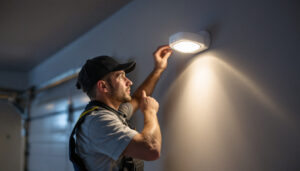
Solar wall lights are generally easier to install than traditional wired lighting systems. Without the need for electrical wiring or trenching, installation can often be completed in a fraction of the time. This not only saves labor costs but also minimizes disruption to the surrounding landscape. For contractors, this means quicker project completion and the ability to take on more jobs. Furthermore, many solar wall lights come with user-friendly mounting systems that allow for flexible placement on various surfaces, making it easier to achieve the desired lighting effect while accommodating the unique architectural features of a property.
Low Maintenance
Once installed, solar wall lights require minimal maintenance. Most models are designed to withstand various weather conditions, and the LED bulbs used in these fixtures have a long lifespan. Regular cleaning of the solar panels to remove dirt or debris is typically all that is needed to keep them functioning optimally. This low maintenance requirement can be a selling point for contractors when discussing options with clients. Moreover, many solar wall lights are equipped with built-in sensors that automatically adjust brightness based on ambient light levels, further enhancing their efficiency and reducing the need for manual adjustments. This smart technology not only improves user experience but also prolongs the lifespan of the fixtures, making them a smart investment for homeowners and businesses alike.
Potential Drawbacks of Solar Wall Lights
While the benefits of exterior wall mounted solar lights are significant, there are also potential drawbacks that contractors should consider. Understanding these limitations can help in managing client expectations and ensuring successful project outcomes.
Dependence on Sunlight
The performance of solar wall lights is inherently tied to sunlight availability. In areas with limited sunlight or during extended periods of cloudy weather, the efficiency of these lights may be compromised. Contractors should be prepared to discuss this limitation with clients, particularly in regions that experience prolonged overcast conditions.
Initial Cost Considerations
Although solar wall lights can lead to long-term savings on energy bills, the initial investment can be higher than traditional lighting options. Contractors should be transparent about the upfront costs, which may include purchasing higher-quality solar fixtures to ensure durability and performance. Clients may need to weigh the initial costs against the potential savings over time.
Variable Quality and Performance
The market for solar wall lights is diverse, with a wide range of products available at varying price points. Unfortunately, not all solar lights are created equal. Contractors must be diligent in selecting high-quality products to ensure reliability and performance. Poor-quality lights may not provide adequate illumination or may fail prematurely, leading to dissatisfied clients and potential reputational damage.
Choosing the Right Solar Wall Lights
When recommending solar wall lights to clients, contractors should consider several factors to ensure the best fit for their needs. Here are some key considerations to keep in mind.
Brightness and Lumens
The brightness of solar wall lights is typically measured in lumens. Contractors should assess the intended use of the lights and recommend products that provide adequate illumination for the specific application. For example, security lighting may require higher lumen output compared to ambient lighting for a garden.
Battery Capacity
Battery capacity is another crucial factor that influences the performance of solar wall lights. A larger battery can store more energy, allowing the lights to function for extended periods, even on cloudy days. Contractors should look for lights with high-capacity batteries to ensure reliability and longevity.
Durability and Weather Resistance
Given that solar wall lights are exposed to outdoor elements, durability is paramount. Contractors should select fixtures that are constructed from weather-resistant materials and have a high IP (Ingress Protection) rating. This ensures that the lights can withstand rain, snow, and other environmental factors without compromising performance.
Installation Tips for Contractors
Successful installation of solar wall lights requires careful planning and execution. Here are some tips for lighting contractors to ensure optimal results.
Optimal Placement
To maximize the efficiency of solar wall lights, contractors should consider their placement carefully. Ideally, the lights should be installed in locations that receive direct sunlight for a significant portion of the day. This may involve selecting south-facing walls or areas that are not shaded by trees or buildings.
Height and Angle
The height at which solar wall lights are mounted can impact their performance. Generally, lights should be installed at a height of 6 to 8 feet to provide adequate illumination without being obstructed by surrounding elements. Additionally, angling the lights slightly downward can help direct the light where it is needed most.
Testing Before Finalizing Installation
Before completing the installation, it is advisable to test the solar wall lights to ensure they function as intended. This includes checking the brightness, motion sensors, and any other features. Testing allows contractors to address any issues before the project is finalized, ensuring client satisfaction.
Case Studies: Successful Implementations
Understanding real-world applications of solar wall lights can provide valuable insights for contractors. Here are a few case studies that illustrate successful implementations.
Residential Security Lighting
In a suburban neighborhood, a contractor was tasked with enhancing security lighting for a client’s home. By installing solar wall lights around entry points and along pathways, the contractor was able to provide effective illumination without the need for extensive wiring. The client appreciated the energy savings and the aesthetic appeal of the fixtures, leading to positive word-of-mouth referrals.
Commercial Outdoor Spaces
A local restaurant sought to create an inviting outdoor dining area. The contractor recommended solar wall lights to illuminate the patio and walkways. The lights not only enhanced the ambiance but also contributed to the restaurant’s sustainability efforts. The project received positive feedback from patrons, showcasing the benefits of solar lighting in commercial settings.
Public Park Lighting
In a community park, a contractor implemented solar wall lights along walking trails and near playgrounds. The project aimed to improve safety and accessibility for visitors. By utilizing solar technology, the contractor minimized installation costs and ongoing maintenance. The park became a safer and more welcoming space for families, demonstrating the impact of solar lighting in public areas.
Conclusion
Exterior wall mounted solar lights present a range of advantages and challenges for lighting contractors. By understanding the pros and cons, contractors can make informed decisions that align with client needs and project specifications. The energy efficiency, ease of installation, and low maintenance of solar lights make them an attractive option, while considerations around sunlight dependence, initial costs, and product quality must also be taken into account.
As the demand for sustainable solutions continues to grow, solar wall lights are poised to play an increasingly important role in the lighting industry. By staying informed and adapting to the evolving landscape, lighting contractors can successfully incorporate solar technology into their offerings, meeting the needs of environmentally conscious clients while enhancing their own business prospects.
Illuminate Your Projects with LumenWholesale
Ready to elevate your lighting projects with the most efficient, durable, and cost-effective solar wall lights on the market? Look no further than LumenWholesale. Our commitment to providing spec-grade lighting products at wholesale prices ensures that you can meet your clients’ needs for sustainable and reliable outdoor lighting solutions. With our hassle-free bulk buying and free shipping, you can secure the best value for your business. Don’t let hidden fees or inflated markups dim your project’s potential. Discover wholesale lighting at the best value today and brighten your lighting offerings with LumenWholesale.