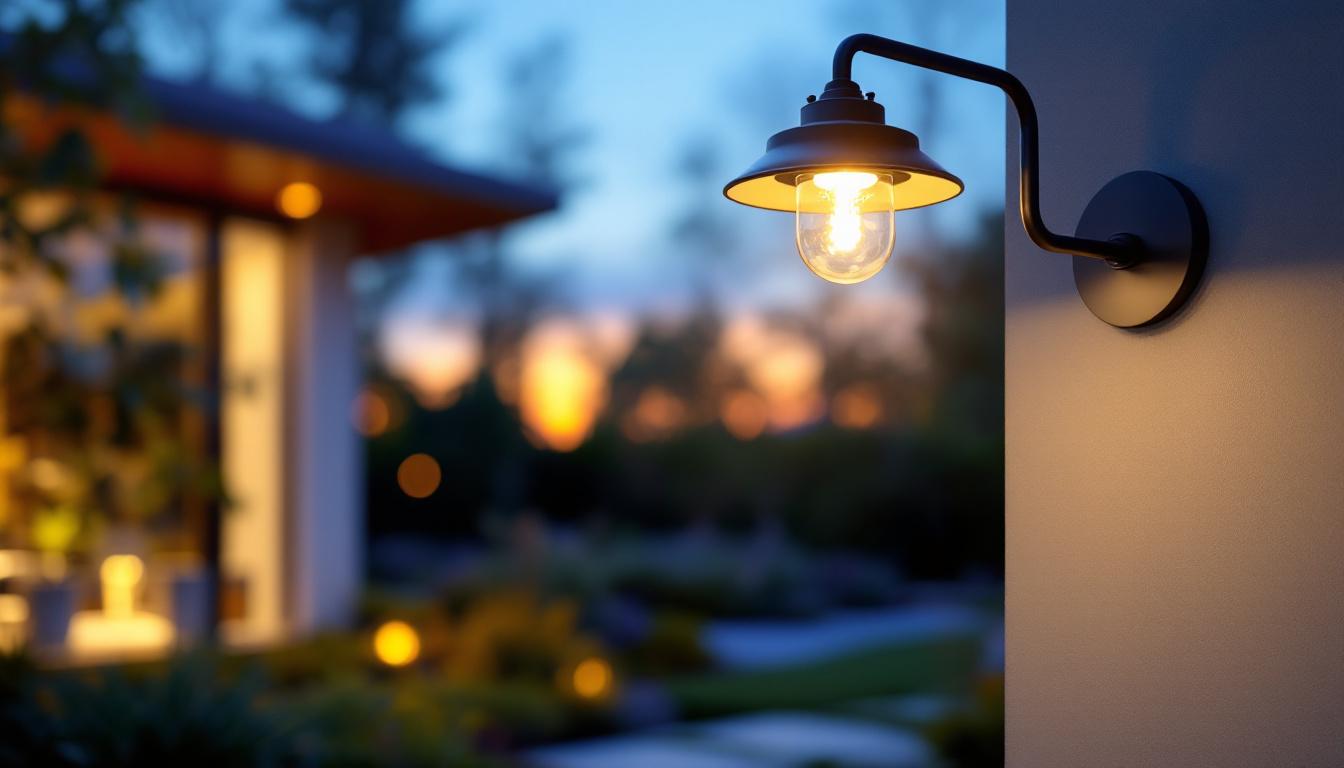
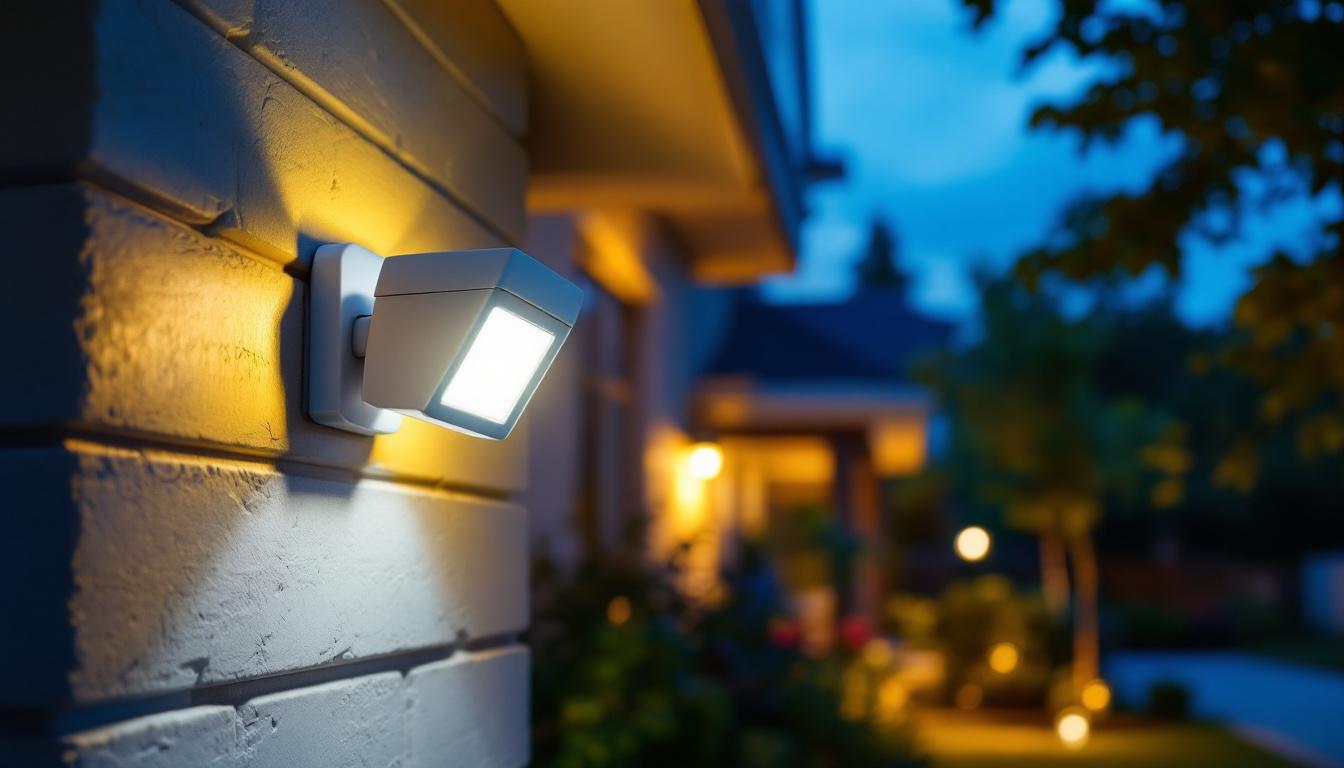
For lighting contractors, installing exterior overhead light fixtures is a task that demands precision, knowledge, and adherence to best practices. These fixtures not only enhance the aesthetic appeal of a property but also play a crucial role in safety and security. However, the installation process involves more than just mounting a light; it requires careful planning, compliance with electrical codes, and an understanding of environmental factors.
This comprehensive guide outlines the essential do’s and don’ts for lighting contractors working with exterior overhead light fixtures. By following these guidelines, contractors can ensure safe, efficient, and visually appealing lighting installations that meet client expectations and regulatory standards.
Understanding the Importance of Exterior Overhead Lighting
Exterior overhead lighting serves multiple purposes. It illuminates pathways, entrances, and outdoor spaces, enhancing visibility and deterring criminal activity. Additionally, well-designed lighting can accentuate architectural features and improve the overall ambiance of a property. The right lighting can transform a mundane outdoor area into an inviting space for gatherings, relaxation, or even outdoor dining, making it a vital aspect of modern property design.
For contractors, recognizing these functions is key to selecting the right fixtures and positioning them effectively. A poorly installed or inadequately chosen fixture can lead to glare, shadows, or insufficient illumination, undermining the fixture’s intended benefits. Furthermore, understanding the aesthetic and functional needs of the property can guide contractors in recommending fixtures that not only serve practical purposes but also complement the overall design theme, whether it be contemporary, rustic, or traditional.
Safety and Security Considerations
One of the primary reasons clients invest in exterior overhead lighting is to increase safety. Properly lit areas reduce the risk of trips and falls, especially on stairs and uneven surfaces. Moreover, bright, well-distributed light discourages unauthorized access and vandalism. The psychological impact of well-lit environments cannot be overstated; individuals are less likely to approach a property that is brightly illuminated, thereby enhancing the sense of security for homeowners and their guests.
Contractors must ensure that fixtures are installed at appropriate heights and angles to maximize coverage without causing light pollution or glare that could impair vision. In addition, the choice of light color temperature can play a significant role in safety; warmer tones tend to create a welcoming atmosphere while cooler tones can enhance visibility. It’s also essential to consider the placement of lighting in relation to landscaping and other outdoor features, as shadows cast by plants or structures can create hidden areas that may compromise safety.
Energy Efficiency and Sustainability
With growing emphasis on energy conservation, lighting contractors should prioritize energy-efficient fixtures such as LED lights. These options not only reduce electricity consumption but also offer longer lifespans and lower maintenance costs. In fact, the shift towards LED technology has revolutionized outdoor lighting, providing brighter illumination without the hefty energy bills associated with traditional incandescent or halogen bulbs.
Incorporating timers, motion sensors, and dimmers can further optimize energy use and provide clients with flexible lighting solutions tailored to their needs. Smart lighting systems can be programmed to adjust based on the time of day or occupancy, ensuring that energy is not wasted when areas are unoccupied. Additionally, educating clients about the benefits of solar-powered lighting options can promote sustainability, allowing them to harness renewable energy while reducing their carbon footprint. By integrating these advanced technologies, contractors can offer innovative solutions that align with the growing demand for eco-friendly practices in home design and renovation.
Do’s for Installing Exterior Overhead Light Fixtures
Do Conduct a Thorough Site Assessment
Before installation, evaluate the site carefully. Consider the architectural style, existing electrical infrastructure, and environmental conditions such as exposure to rain, wind, and temperature extremes.
Understanding the site helps in selecting fixtures with appropriate ingress protection (IP) ratings, ensuring durability and safety. For example, fixtures with an IP65 rating or higher are suitable for areas exposed to heavy rain or dust. Additionally, take note of the surrounding landscape, as trees or buildings may cast shadows that could affect the effectiveness of the lighting. A well-planned assessment can also help in determining the optimal height and angle for the fixtures, maximizing both functionality and aesthetic appeal.
Do Adhere to Electrical Codes and Standards
Compliance with the National Electrical Code (NEC) and local regulations is non-negotiable. These codes dictate wiring practices, grounding requirements, and fixture placement to prevent electrical hazards.
Contractors should stay updated on code revisions and ensure all installations are inspected and approved by relevant authorities. Using UL-listed or ETL-certified fixtures also guarantees adherence to safety standards. Moreover, understanding the nuances of local codes can prevent costly rework and ensure that the installation not only meets safety requirements but also enhances the overall value of the property. Engaging with local inspectors early in the process can provide insights into specific requirements that may apply to your project.
Do Use Appropriate Mounting Hardware and Techniques
Secure mounting is critical to prevent fixture damage or detachment due to weather or vibration. Use corrosion-resistant screws, anchors, and brackets designed for outdoor use.
When mounting on uneven surfaces, consider using adjustable brackets to achieve the desired fixture orientation and maintain a professional appearance. Additionally, take into account the weight of the fixtures and the load-bearing capacity of the mounting surface. For particularly heavy fixtures, it may be beneficial to consult with a structural engineer to ensure that the installation is not only aesthetically pleasing but also structurally sound, thereby avoiding any potential hazards in the future.
Do Plan for Proper Wiring and Weatherproofing
Outdoor wiring must be protected against moisture and physical damage. Use weatherproof junction boxes, conduit, and cable rated for outdoor use.
Seal all connections with silicone or appropriate waterproofing compounds to prevent water ingress, which can cause shorts or corrosion over time. Furthermore, consider the use of conduit that is not only weatherproof but also UV-resistant, as prolonged sun exposure can degrade some materials over time. It’s also wise to plan for potential future upgrades or changes in lighting needs by leaving extra slack in the wiring and ensuring that the junction boxes are accessible for maintenance or modifications.
Do Test the Installation Thoroughly
After installation, conduct comprehensive testing to verify electrical connections, fixture functionality, and lighting coverage. Check for flickering, uneven light distribution, or excessive glare.
Providing clients with a demonstration and maintenance advice enhances satisfaction and reduces future service calls. Additionally, consider implementing a lighting control system that allows for adjustments based on time of day or occupancy, which can improve energy efficiency and extend the lifespan of the fixtures. Educating clients on the benefits of smart lighting technology can also lead to a more informed decision-making process regarding their outdoor lighting needs, ensuring they are satisfied with their investment for years to come.
Don’ts to Avoid When Installing Exterior Overhead Light Fixtures
Don’t Ignore the Importance of Fixture Placement
Improper placement can lead to ineffective lighting or nuisance glare affecting neighbors or occupants. Avoid positioning fixtures too close to windows or reflective surfaces that can cause discomfort.
Consider the light’s beam angle and intensity to ensure it illuminates intended areas without creating dark spots or light trespass.
Don’t Overload Electrical Circuits
Overloading circuits can result in tripped breakers or fire hazards. Calculate the total load of the lighting system and ensure the circuit can handle the demand with an appropriate safety margin.
When necessary, install dedicated circuits for exterior lighting to maintain system reliability and safety.
Don’t Use Inappropriate Fixtures or Bulbs
Using indoor-rated fixtures outdoors can lead to premature failure and safety risks. Always select fixtures designed for exterior use with suitable IP ratings.
Similarly, avoid bulbs that generate excessive heat or are incompatible with the fixture’s specifications, as this can reduce lifespan and efficiency.
Don’t Neglect Maintenance Accessibility
Fixtures installed in hard-to-reach locations complicate maintenance and bulb replacement. Plan installations to allow safe and convenient access, using extension poles or ladders as needed.
Consider fixtures with long-life LEDs or integrated lighting modules to minimize maintenance frequency.
Don’t Forget to Coordinate with Other Trades
Exterior lighting often intersects with landscaping, security systems, and architectural design. Collaborate with other contractors to ensure cohesive integration and avoid conflicts.
Early coordination helps prevent costly rework and ensures the lighting complements the overall project vision.
Best Practices for Enhancing Exterior Lighting Installations
Incorporate Smart Lighting Controls
Smart lighting systems offer clients convenience and energy savings through programmable schedules, remote control, and adaptive brightness settings.
Lighting contractors should familiarize themselves with popular smart platforms and recommend compatible fixtures and control devices.
Consider Aesthetic and Functional Balance
While functionality is paramount, the visual impact of exterior lighting should not be overlooked. Select fixtures that match the architectural style and color scheme of the property.
Use layering techniques—combining ambient, task, and accent lighting—to create depth and interest in outdoor spaces.
Stay Informed About Emerging Technologies
Advancements in LED technology, solar-powered fixtures, and wireless controls continue to evolve. Keeping abreast of these trends allows contractors to offer cutting-edge solutions that meet modern client demands.
Attending trade shows, participating in continuing education, and subscribing to industry publications are effective ways to stay updated.
Conclusion
Exterior overhead light fixture installation is a specialized task that requires a blend of technical expertise, regulatory knowledge, and design sensibility. By adhering to the outlined do’s and don’ts, lighting contractors can deliver installations that are safe, efficient, and visually appealing.
Prioritizing site assessment, code compliance, proper mounting, and maintenance considerations ensures long-lasting performance. Avoiding common pitfalls such as poor placement, circuit overloads, and inappropriate fixture selection protects both the contractor’s reputation and client investment.
Ultimately, successful exterior lighting projects enhance the safety, security, and beauty of outdoor spaces, reflecting the professionalism and skill of the lighting contractor.
Get Your Premium Lighting Supplies at LumenWholesale
Ready to elevate your exterior overhead light fixture installations with the highest quality products? LumenWholesale is here to support your projects with spec-grade lighting solutions at unbeatable wholesale prices. Say goodbye to local distributor markups and hello to a vast selection of reliable, high-performance lighting that meets rigorous industry standards. Plus, with free shipping on bulk orders, you can stock up on premium lighting without any hidden fees. Don’t compromise on quality or value—choose LumenWholesale for the perfect blend of affordability and convenience. Explore our collection now and secure the best value in wholesale lighting.