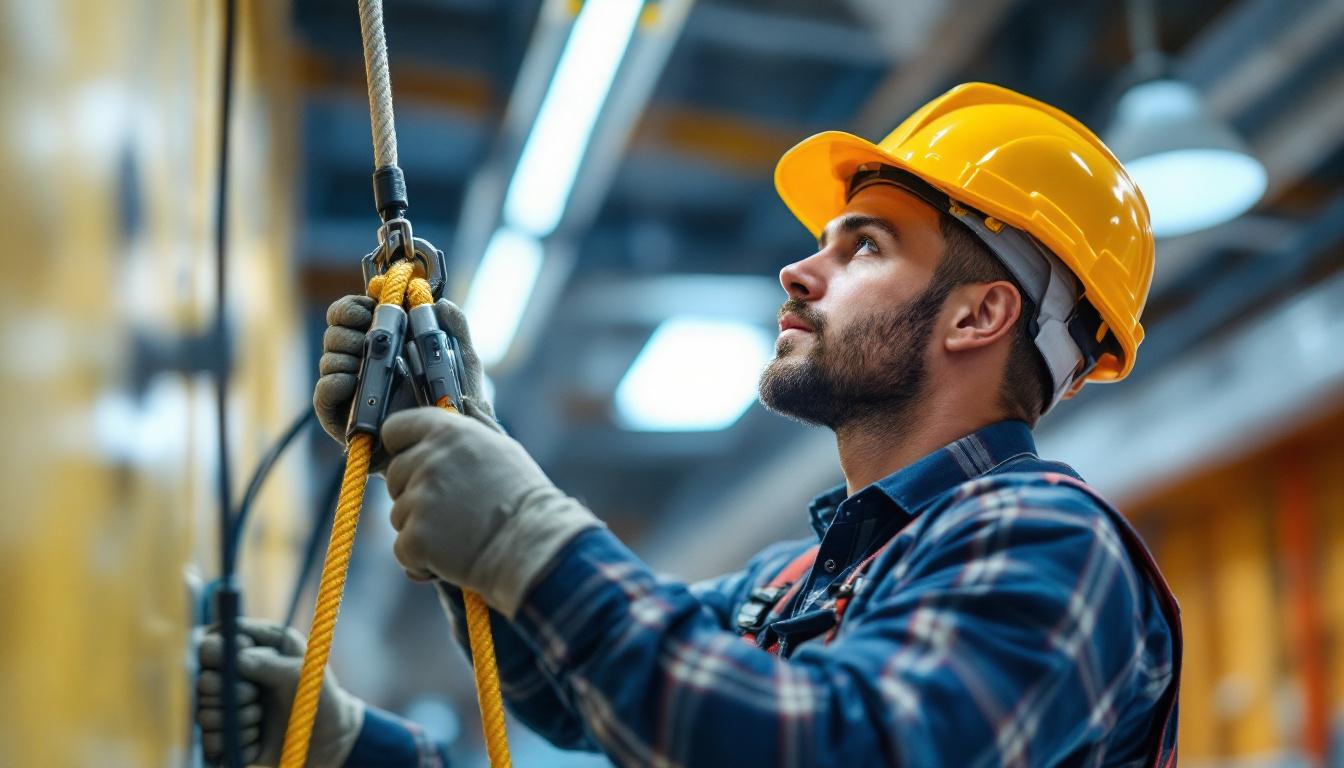
Understanding the Importance of Electrical Pull Ropes in Lighting Installations
For lighting contractors, the electrical pull rope is an indispensable tool that facilitates the safe and efficient installation of wiring in various environments. Whether working on commercial buildings, residential complexes, or industrial facilities, the ability to pull electrical cables through conduits and tight spaces is critical to project success.
Electrical pull ropes are designed to withstand significant tensile forces, allowing contractors to navigate cables through long runs of conduit with minimal risk of damage. Using the right pull rope not only protects the integrity of the wiring but also reduces labor time and enhances overall safety on the job site.
Given the complexity of modern lighting systems, which often incorporate LED technology, smart controls, and low-voltage wiring, understanding the nuances of pull ropes can make a significant difference in installation quality and efficiency.
Moreover, the choice of material for electrical pull ropes can greatly influence their performance. Many contractors prefer nylon or polyester ropes due to their high strength-to-weight ratio and resistance to abrasion. These materials ensure that the pull ropes can endure the friction and wear that often occur during prolonged use. Additionally, some pull ropes come with specialized coatings that further enhance their durability and ease of handling, making them even more suitable for challenging installations.
Another critical aspect to consider is the diameter of the pull rope, which can affect the ease of pulling cables through conduits. A thicker rope may offer greater strength but can also create more friction, making it harder to maneuver through tight bends. Conversely, a thinner rope may glide more easily but could lack the necessary strength for heavy-duty applications. Therefore, contractors must assess the specific requirements of their projects, including the type of conduit and the weight of the cables being pulled, to select the most appropriate pull rope for the task at hand.
Choosing the Right Electrical Pull Rope: Materials and Specifications
Material Considerations
Electrical pull ropes come in a variety of materials, each suited to different job site conditions. Common materials include nylon, polyester, and polypropylene. Nylon pull ropes are favored for their high strength and elasticity, which helps absorb shock loads during cable pulling. Polyester ropes offer excellent abrasion resistance and minimal stretch, making them ideal for longer conduit runs where precision is key. Polypropylene ropes are lightweight and resistant to moisture, suitable for damp environments. Additionally, some ropes are treated with UV inhibitors to prevent degradation from prolonged sun exposure, which is particularly beneficial for outdoor applications.
Lighting contractors should evaluate the working environment before selecting a pull rope. For example, in wet or corrosive conditions, synthetic ropes that resist degradation will extend tool life and maintain safety standards. Furthermore, the choice of material can also influence the rope’s visibility; brightly colored ropes can enhance safety by making them more noticeable on job sites, thereby reducing the risk of tripping hazards. Understanding these nuances can significantly impact both the efficiency of the job and the safety of the crew.
Load Capacity and Diameter
Understanding the tensile strength of a pull rope is crucial. The rope must be rated to handle the maximum expected load, which depends on the length of the conduit run, the type and weight of the cable, and the friction encountered within the conduit. Overloading a pull rope can lead to snapping, posing serious safety risks and project delays. It’s also important to consider the dynamic loads that may occur during the pulling process, as sudden jerks can increase the effective load on the rope beyond its static rating.
Diameter also matters—thicker ropes generally offer higher strength but may be less flexible, which could complicate navigation through tight bends. Contractors should balance strength and flexibility based on the specific demands of each job. Additionally, they should be aware of the rope’s compatibility with various pulling tools and devices. Some ropes may require specific fittings or connectors to ensure a secure and effective pull, while others may be designed for use with standard equipment. By taking these factors into account, contractors can optimize their choice of pull rope to enhance both performance and safety on the job site.
Best Practices for Using Electrical Pull Ropes in Lighting Projects
Pre-Installation Planning
Effective use of electrical pull ropes begins with thorough planning. Contractors should measure conduit lengths accurately and assess the number of bends and junctions. This information helps determine the appropriate rope length and strength requirements.
Additionally, inspecting conduits for obstructions or sharp edges before pulling cables can prevent rope damage and cable snags. Using conduit lubricant compatible with the cable type can reduce friction, making the pulling process smoother and less labor-intensive. It’s also advisable to create a detailed layout plan that includes all the necessary measurements and potential challenges, allowing for a more efficient workflow during the installation phase. This proactive approach can save time and resources, ensuring that the project stays on schedule and within budget.
Proper Techniques for Cable Pulling
When pulling cables, maintaining steady, controlled tension is essential. Sudden jerks or excessive force can damage both the cable and the pull rope. Employing a team approach, where one person pulls while another feeds the cable, helps maintain control and prevents tangling. Communication among team members is vital; using hand signals or walkie-talkies can help coordinate efforts and ensure everyone is on the same page, particularly in noisy environments.
Utilizing mechanical cable pullers or winches can be beneficial for long or difficult runs, but operators must ensure the equipment is calibrated to avoid exceeding the rope’s load capacity. Additionally, it’s important to consider the angle of the pull; using a pulley system can help redirect the force and reduce strain on both the rope and the cable. This technique not only enhances efficiency but also minimizes the risk of damaging the materials involved.
Safety Measures
Safety cannot be overstated in electrical installations. Contractors should always wear appropriate personal protective equipment (PPE), including gloves and eye protection, to guard against rope snapback or cable recoil. Furthermore, it’s essential to establish a clear safety protocol that includes emergency procedures in case of an accident. Regular safety meetings can reinforce the importance of these measures and keep everyone informed about best practices and potential hazards on the job site.
Inspecting pull ropes before and after each use for signs of wear, fraying, or damage is a critical safety practice. Damaged ropes should be retired immediately to prevent accidents. Additionally, keeping a log of rope usage and maintenance can help track the lifespan of each rope, ensuring that replacements are made proactively rather than reactively. This attention to detail not only enhances safety but also contributes to the overall quality and reliability of the electrical installation process.
Innovations and Tools Enhancing Electrical Pull Rope Efficiency
Smart Pull Rope Technologies
Recent advancements in pull rope technology include the integration of sensors that monitor tension in real-time. These smart ropes alert contractors when tension approaches unsafe levels, preventing rope failure and cable damage.
Such innovations not only improve safety but also optimize workflow by reducing downtime caused by equipment failure or cable replacement. Additionally, the data collected by these sensors can be analyzed to identify patterns in usage and wear, allowing contractors to schedule maintenance proactively. This predictive approach not only enhances safety but also contributes to cost savings by minimizing unexpected repairs and extending the lifespan of both the pull ropes and the cables they assist in installing.
Complementary Tools for Lighting Contractors
Beyond the pull rope itself, lighting contractors benefit from a suite of complementary tools. Fish tapes, conduit rods, and cable lubricants all play a role in facilitating smooth cable installation.
Choosing high-quality lubricants designed specifically for electrical cables can significantly reduce friction, especially in long conduit runs or conduits with multiple bends. This reduces the physical effort required and extends the life of both cables and pull ropes. Furthermore, the use of advanced fish tapes made from durable materials can enhance the ease of pulling cables through tight spaces, while flexible conduit rods can navigate complex pathways with ease. Together, these tools not only streamline the installation process but also contribute to a more efficient and organized worksite, allowing contractors to focus on delivering high-quality electrical solutions without unnecessary delays.
Maintaining and Storing Electrical Pull Ropes for Longevity
Proper maintenance and storage of electrical pull ropes are vital to ensuring their longevity and reliability. After each use, ropes should be cleaned to remove dirt, grease, or lubricant residues that can degrade the fibers over time.
Storing ropes in a cool, dry place away from direct sunlight and chemicals prevents premature aging. Coiling ropes neatly and avoiding sharp bends or kinks preserves their structural integrity.
Regular inspections, ideally documented in maintenance logs, help contractors track the condition of their ropes and plan timely replacements, ensuring uninterrupted project progress.
Conclusion: Mastering Electrical Pull Rope Use for Superior Lighting Installations
For lighting contractors, mastering the selection, use, and maintenance of electrical pull ropes is a cornerstone of professional, safe, and efficient wiring installations. By understanding material properties, adhering to best practices, leveraging modern technologies, and committing to proper care, contractors can enhance their operational effectiveness and deliver high-quality lighting solutions.
Investing time and resources into these key areas not only safeguards workers and equipment but also contributes to the overall success and reputation of a lighting contracting business.
Get Your Premium Lighting Supplies at LumenWholesale
Ready to elevate your lighting installations with the best tools and materials in the industry? Look no further than LumenWholesale for all your needs. Our extensive selection of spec-grade lighting products ensures that you have access to the highest quality options for your projects. With unbeatable wholesale prices and the convenience of free shipping on bulk orders, you can trust that you’re getting the best value without any hidden fees. Don’t compromise on quality or affordability. Visit Wholesale Lighting at the Best Value and experience the LumenWholesale difference today!