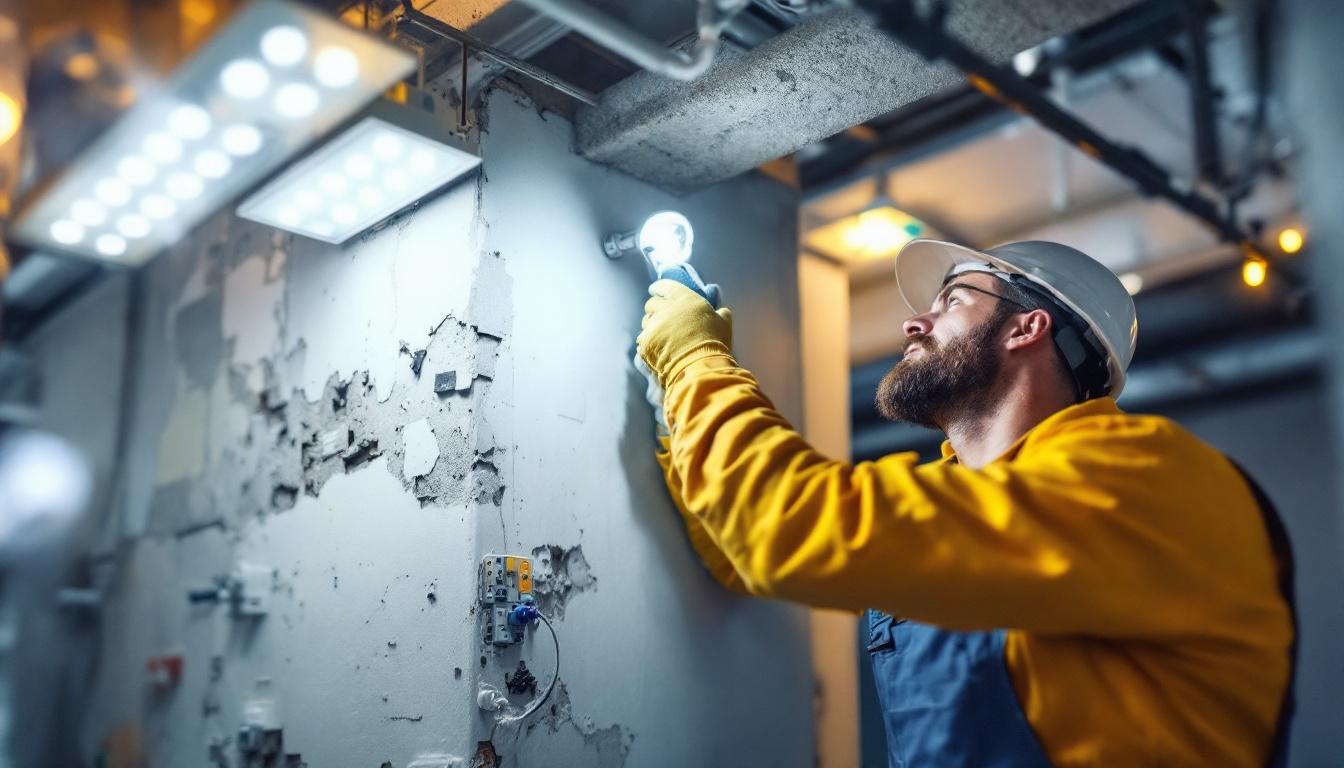
Understanding the Shift: Why Convert from Can Lights to LEDs?
The lighting industry has witnessed a significant transformation with the widespread adoption of LED (Light Emitting Diode) technology. For lighting contractors, the transition from traditional can lights—often using incandescent or halogen bulbs—to LED alternatives is not just a trend but a necessary step towards energy efficiency, sustainability, and client satisfaction.
LEDs offer numerous advantages, including lower energy consumption, longer lifespan, reduced heat output, and enhanced lighting quality. According to industry reports, LEDs consume up to 75% less energy than incandescent bulbs and can last 25 times longer. This translates into substantial savings for end-users and a reduced environmental footprint, making LED conversion projects highly attractive.
However, despite these benefits, the conversion process poses unique challenges for lighting contractors. Understanding these obstacles and developing effective strategies to overcome them is crucial for successful project execution and client trust. For instance, the initial cost of LED fixtures can be higher than traditional lighting options, which may deter some clients. Lighting contractors must be equipped with data and case studies that demonstrate the long-term savings and return on investment associated with LED lighting. By providing detailed comparisons of energy costs over time, contractors can effectively communicate the financial benefits to clients, thereby easing their concerns about upfront expenses.
Moreover, the shift to LED lighting often requires a reevaluation of existing fixtures and layouts. Unlike incandescent bulbs, which emit light in all directions, LEDs are directional light sources, meaning they can illuminate spaces more efficiently when properly positioned. This necessitates careful planning and sometimes a complete redesign of the lighting scheme to maximize effectiveness. Lighting contractors must also stay informed about the latest advancements in LED technology, including smart lighting solutions that allow for greater control and customization. These innovations not only enhance energy savings but also improve the overall user experience, making it essential for contractors to stay ahead of industry trends and educate their clients on the benefits of modern lighting solutions.
Common Challenges in Can Light to LED Conversion
Compatibility Issues with Existing Fixtures
One of the primary challenges contractors face is ensuring compatibility between LED retrofit kits and existing can light housings. Older can lights were designed for incandescent or halogen bulbs, which have different electrical and thermal characteristics compared to LEDs.
For example, many can light housings are rated for specific wattages and heat dissipation levels. LEDs produce less heat but may require different driver configurations or physical dimensions. Installing an incompatible LED can lead to poor performance, flickering, or even safety hazards such as overheating. Moreover, the physical design of the LED retrofit kit can also pose challenges; some kits may not fit snugly into the existing housing, leading to gaps that can affect light distribution and overall aesthetics. This necessitates careful measurement and selection of retrofit kits that not only fit but also perform optimally within the existing framework.
Electrical and Wiring Constraints
Another hurdle involves the electrical wiring and dimming capabilities of existing setups. Traditional can lights often use magnetic transformers or non-dimmable switches, which are not always compatible with LED technology.
Lighting contractors must assess the existing wiring infrastructure carefully. In some cases, rewiring or upgrading dimmer switches to LED-compatible models is necessary to ensure smooth dimming performance and avoid flickering or buzzing noises. Additionally, the power supply must be evaluated to ensure it can handle the lower wattage of LEDs without compromising performance. This may involve using compatible LED drivers that can provide the necessary voltage and current, ensuring that the new lighting system operates efficiently and safely.
Aesthetic and Design Considerations
Clients often expect LED conversions to maintain or improve the aesthetic appeal of their lighting. However, LED retrofit kits can vary in size, color temperature, and beam angle, which might alter the look and feel of the space.
Contractors need to balance technical requirements with design expectations, selecting LED products that match the original fixture’s appearance or enhance the ambiance without compromising functionality. Furthermore, the color rendering index (CRI) of LEDs can significantly affect how colors appear in a room. A higher CRI can make a space feel more vibrant and true to life, which is particularly important in settings like galleries or retail spaces where color accuracy is paramount. Therefore, understanding the specific lighting needs of each project is crucial for achieving the desired aesthetic outcome.
Cost and Client Expectations
While LEDs offer long-term savings, the initial investment can be higher than traditional lighting solutions. Clients may hesitate due to upfront costs or misunderstand the payback period associated with energy savings.
Lighting contractors must communicate the financial benefits clearly, providing detailed cost analyses and lifecycle comparisons to manage expectations and justify the investment. Additionally, it may be beneficial to highlight potential incentives or rebates available for energy-efficient upgrades, which can help offset initial costs. Educating clients about the longevity of LED products, which often last significantly longer than traditional bulbs, can also reinforce the value of the investment. By presenting a comprehensive overview of both immediate and long-term benefits, contractors can foster a better understanding and acceptance of the transition to LED technology.
Strategies for Overcoming Conversion Challenges
Comprehensive Site Assessments
Before initiating any conversion project, conducting a thorough site assessment is essential. This includes evaluating the existing can light housings, electrical wiring, dimmer compatibility, and overall lighting design.
Using specialized tools such as light meters and thermal cameras can help contractors gather precise data, enabling informed decisions about the most suitable LED retrofit options.
Selecting the Right LED Products
Choosing LED retrofit kits that are specifically designed for can light conversions is critical. Many manufacturers now offer UL-listed LED retrofit kits that fit standard can housings and come with built-in drivers compatible with various dimmers.
Contractors should prioritize products with high Color Rendering Index (CRI) values—typically above 80—to ensure accurate color representation and client satisfaction. Additionally, offering a range of color temperatures (from warm white to daylight) allows customization based on the space’s purpose.
Upgrading Electrical Components
To address wiring and dimmer issues, contractors may need to replace outdated components with LED-compatible alternatives. Installing electronic low-voltage (ELV) dimmers or universal dimmers designed for LEDs can eliminate flickering and noise problems.
In some cases, rewiring may be necessary to meet current electrical codes and ensure safety. Collaborating with licensed electricians can streamline this process and enhance project quality.
Effective Client Communication and Education
Managing client expectations is paramount. Providing clear explanations about the benefits, costs, and potential limitations of LED conversion helps build trust and reduces misunderstandings.
Visual aids such as before-and-after photos, energy savings calculators, and sample lighting demonstrations can be powerful tools during consultations. Highlighting case studies or testimonials from previous projects also reinforces credibility.
Implementing Best Practices for Successful LED Conversion Projects
Planning and Project Management
Successful LED conversions require meticulous planning. Contractors should develop detailed project timelines, budget estimates, and resource allocation plans. Coordinating with suppliers to ensure timely delivery of LED products and electrical components minimizes delays.
Documenting every stage of the project—from initial assessment to final installation—facilitates quality control and provides valuable records for future maintenance or troubleshooting.
Training and Skill Development
As LED technology evolves rapidly, continuous training is vital for lighting contractors. Staying updated on the latest products, installation techniques, and electrical standards enhances service quality and safety.
Participating in manufacturer workshops, industry seminars, and certification programs can equip contractors with the knowledge needed to handle complex conversions confidently.
Leveraging Technology and Tools
Utilizing advanced tools such as lighting design software and mobile apps can streamline the conversion process. These technologies help simulate lighting effects, calculate energy savings, and generate professional proposals quickly.
Additionally, adopting digital documentation and communication platforms improves collaboration with clients, suppliers, and subcontractors, ensuring transparency and efficiency.
Case Studies: Successful Can Light to LED Conversions
Commercial Office Retrofit
A mid-sized commercial office building underwent a comprehensive can light to LED conversion, replacing over 200 traditional fixtures. The project involved upgrading dimmers and rewiring select circuits to accommodate LED drivers.
Post-conversion, the building reported a 60% reduction in lighting energy consumption and improved occupant comfort due to enhanced color rendering and reduced glare. The client recouped the initial investment within two years through energy savings and reduced maintenance costs.
Residential Lighting Upgrade
In a residential setting, a lighting contractor replaced outdated halogen can lights with LED retrofit kits featuring adjustable color temperatures. The homeowner appreciated the ability to switch between warm and cool lighting depending on the time of day.
The contractor addressed compatibility issues by selecting retrofit kits with compact drivers and recommending LED-compatible dimmers, ensuring smooth operation and preserving the home’s aesthetic appeal.
Future Trends and Opportunities in LED Lighting
The LED lighting market continues to innovate, with advancements such as smart lighting controls, tunable white LEDs, and integration with building automation systems. These technologies offer lighting contractors new avenues to add value for clients.
Embracing these trends requires adaptability and a proactive approach to learning. Contractors who position themselves as experts in LED conversions and smart lighting solutions can differentiate their services and capture emerging market segments.
Conclusion
Converting can lights to LED is a strategic move that offers significant benefits but also presents distinct challenges for lighting contractors. By understanding compatibility issues, upgrading electrical components, selecting appropriate products, and maintaining clear communication with clients, contractors can navigate these obstacles effectively.
Implementing best practices, investing in ongoing training, and leveraging technology further enhance project outcomes. As LED technology evolves, lighting contractors who embrace these changes will be well-positioned to deliver energy-efficient, aesthetically pleasing, and cost-effective lighting solutions that meet the demands of today’s market.
Start Your Can Light to LED Conversion with LumenWholesale
Ready to tackle the challenges of can light to LED conversions and exceed your clients’ expectations? LumenWholesale is here to support your journey with spec-grade lighting products at unbeatable wholesale prices. Say goodbye to local distributor markups and hello to a vast selection of reliable, high-performance lighting that meets the highest industry standards. With the added convenience of free shipping on bulk orders, you can ensure your projects shine with quality and value. Don’t compromise on cost or quality; choose LumenWholesale for Wholesale Lighting at the Best Value and make every lighting upgrade a bright success.