Understanding the Basics of 150 Watt Flood Light Bulbs
For lighting contractors, selecting the right flood light bulb is crucial to delivering optimal illumination, energy efficiency, and client satisfaction. Among the various options available, the 150 watt flood light bulb stands out as a versatile choice for both commercial and residential applications. But what exactly does a 150 watt flood light bulb entail, and why is it so important in the lighting industry?
At its core, a 150 watt flood light bulb refers to the power consumption of the bulb—150 watts—indicating the amount of electrical power it uses. Traditionally, this wattage was associated with incandescent or halogen bulbs, which tend to consume more power for the light output they provide. However, with advancements in lighting technology, particularly with LED and high-intensity discharge (HID) bulbs, the wattage-to-lumen ratio has shifted dramatically, allowing contractors to achieve brighter illumination with less energy consumption.
For contractors, understanding the nuances of wattage, lumens, color temperature, and beam angle is essential when recommending or installing flood lighting solutions. The 150 watt rating is a starting point, but the actual performance and suitability depend on the bulb’s technology and design.
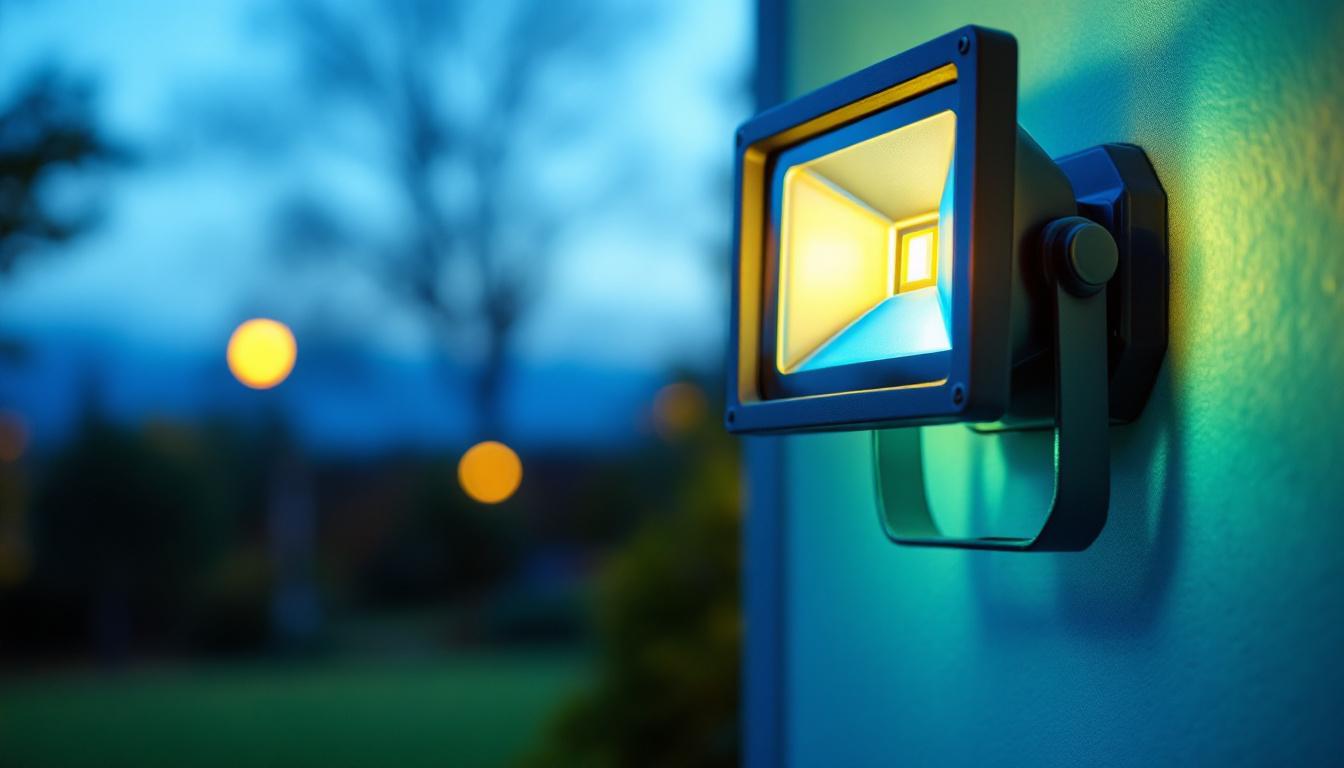
In addition to the technical specifications, the application of 150 watt flood light bulbs can vary widely based on the environment and intended use. For instance, in outdoor settings such as sports fields, parking lots, or commercial facades, these bulbs can provide expansive coverage and enhance safety by illuminating dark areas effectively. Their robust design often includes weather-resistant features, making them ideal for outdoor installations that require durability against the elements. Furthermore, the color temperature of these bulbs can influence the ambiance of a space; cooler temperatures tend to create a more vibrant and energetic atmosphere, while warmer tones can add a touch of comfort and coziness.
Moreover, the installation of 150 watt flood light bulbs can also be optimized through the use of smart technology. Many modern flood lights now come equipped with smart features, allowing for remote control and automation. This means contractors can offer clients the ability to adjust brightness levels, set timers, or even integrate the lighting system with other smart home devices. Such advancements not only enhance user convenience but also contribute to energy savings, as lights can be programmed to operate only when needed. As the lighting industry continues to evolve, staying informed about these innovations will be key for contractors looking to provide the best solutions for their clients.
Types of 150 Watt Flood Light Bulbs and Their Applications
Halogen and Incandescent Flood Lights
Historically, 150 watt flood light bulbs were predominantly halogen or incandescent. These bulbs produce a warm light and are often praised for their color rendering capabilities. However, they come with significant drawbacks such as high energy consumption, shorter lifespan, and excessive heat generation.
While still used in some residential or temporary lighting setups, halogen and incandescent 150 watt flood lights are becoming less common in professional installations due to their inefficiency and maintenance costs. Additionally, the heat produced by these bulbs can pose a risk in certain environments, particularly in enclosed spaces or near flammable materials, making them less suitable for safety-conscious applications.
Moreover, the gradual phasing out of incandescent bulbs due to regulatory changes has pushed consumers and businesses alike to explore more sustainable alternatives. Despite their declining popularity, some users still appreciate the nostalgic ambiance that halogen lights provide, especially in outdoor settings where a cozy atmosphere is desired, such as gardens or patios during evening gatherings.
High-Intensity Discharge (HID) Bulbs
HID bulbs, including metal halide and high-pressure sodium types, have been a popular choice for outdoor and industrial flood lighting. A 150 watt HID flood light bulb can deliver intense brightness suitable for large areas such as parking lots, sports fields, and warehouses.
These bulbs offer better energy efficiency and longer lifespans compared to halogen options but require specialized fixtures and ballasts. Additionally, HID bulbs often take time to reach full brightness and may flicker during startup, which can be a consideration for some applications. Despite these limitations, their ability to illuminate vast spaces with a high lumen output makes them invaluable for security and safety in commercial environments.
Furthermore, metal halide bulbs are particularly favored in sports lighting due to their excellent color rendering, which enhances visibility for players and spectators alike. This characteristic makes them a preferred choice for stadiums and arenas, where accurate color representation is crucial for both gameplay and viewing experiences. Conversely, high-pressure sodium bulbs, known for their distinctive yellow hue, are often utilized in street lighting, providing a cost-effective solution for illuminating roadways and reducing crime rates in urban areas.
LED Flood Light Bulbs
LED technology has revolutionized the lighting industry, and 150 watt LED flood light bulbs are now widely available. These bulbs provide superior energy efficiency, longer lifespans (often exceeding 50,000 hours), and instant full brightness without flickering.
For contractors, LED flood lights represent a future-proof solution that reduces operational costs and maintenance frequency. They also offer a wide range of color temperatures and beam angles, allowing for tailored lighting designs that meet specific client needs. The versatility of LED flood lights makes them suitable for various applications, from residential outdoor lighting to commercial installations.
Moreover, many LED flood lights come with advanced features such as dimming capabilities and smart technology integration, enabling users to control their lighting remotely via smartphones or smart home systems. This adaptability not only enhances user convenience but also contributes to energy savings by allowing for customized lighting schedules. As sustainability becomes increasingly important, the eco-friendly nature of LED technology, which contains no harmful substances like mercury, positions it as the ideal choice for environmentally conscious consumers and businesses alike.
Key Performance Metrics Lighting Contractors Should Consider
Luminous Output (Lumens)
While wattage indicates power consumption, lumens measure the actual light output. A 150 watt incandescent bulb typically produces around 2,600 lumens, whereas a 150 watt LED flood light can deliver upwards of 15,000 lumens or more. This dramatic difference underscores why wattage alone is not a reliable indicator of brightness.
Lighting contractors must prioritize lumens when specifying flood lights to ensure the space is adequately illuminated without wasting energy.
Color Temperature and Color Rendering Index (CRI)
Color temperature, measured in Kelvins (K), affects the ambiance and functional suitability of the lighting. For outdoor flood lighting, contractors often select bulbs with color temperatures ranging from 4000K (neutral white) to 6000K (daylight), which provide clear visibility and enhance safety.
CRI indicates how accurately a light source renders colors compared to natural light. Higher CRI values (above 80) are preferable in settings where color distinction is important, such as retail spaces or architectural lighting.
Beam Angle and Light Distribution
The beam angle determines the spread of light emitted by the flood light bulb. A narrow beam angle (e.g., 25°) focuses light on a specific area, ideal for highlighting architectural features or signage. Conversely, a wide beam angle (e.g., 120°) disperses light over a broader area, suitable for general outdoor illumination.
Contractors must assess the lighting requirements of the project site to select bulbs with appropriate beam angles, ensuring efficient and effective lighting coverage.
Energy Efficiency and Cost Considerations
Comparing Energy Consumption
Energy efficiency is a critical factor for contractors advising clients on lighting solutions. A 150 watt incandescent flood light may consume the same power as a 150 watt LED flood light, but the LED will produce significantly more lumens, translating to better illumination per watt.
Moreover, many LED flood lights are designed to replace higher wattage traditional bulbs, such as 400 watt metal halide lamps, while consuming less power and delivering equivalent or superior brightness.
Long-Term Cost Savings
While LED flood lights may have a higher upfront cost compared to halogen or HID alternatives, their extended lifespan and reduced energy consumption lead to substantial savings over time. Reduced maintenance frequency also lowers labor costs, an important consideration for commercial and industrial clients.
Lighting contractors should present a comprehensive cost-benefit analysis to clients, highlighting the total cost of ownership rather than just initial purchase price.
Installation and Maintenance Insights for Contractors
Compatibility with Existing Fixtures
When retrofitting or upgrading flood lights, contractors must verify that the 150 watt flood light bulb is compatible with existing fixtures and electrical systems. LED bulbs often require different drivers or ballasts than HID or halogen bulbs.
In some cases, replacing the entire fixture may be more cost-effective and safer, especially when upgrading to LED technology.
Thermal Management and Safety
Proper heat dissipation is vital to maintaining bulb performance and longevity. LED flood lights typically incorporate heat sinks to manage temperature, whereas halogen bulbs generate significant heat that can affect surrounding materials.
Contractors should ensure adequate ventilation and consider fixture placement to minimize fire hazards and ensure compliance with safety codes.
Maintenance Best Practices
Regular inspection and cleaning of flood light fixtures enhance performance and extend service life. For 150 watt bulbs, especially those used outdoors, exposure to dust, moisture, and insects can reduce light output and cause premature failure.
Contractors should advise clients on maintenance schedules and provide guidance on safely handling and replacing bulbs.
Regulatory and Environmental Considerations
Compliance with Energy Standards
Many regions enforce energy efficiency standards and regulations that impact the selection of flood light bulbs. For instance, certain high-wattage incandescent and halogen bulbs are being phased out in favor of more efficient LED alternatives.
Lighting contractors must stay informed about local codes and certification requirements to ensure their installations are compliant and future-proof.
Environmental Impact and Sustainability
Choosing energy-efficient 150 watt flood light bulbs contributes to reducing carbon footprints and environmental impact. LEDs, in particular, contain no hazardous materials like mercury, which is found in some HID bulbs, and are fully recyclable.
Contractors can leverage these environmental benefits when advising clients who prioritize sustainability in their projects.
Conclusion: Empowering Lighting Contractors with Knowledge
The 150 watt flood light bulb remains a significant component in the lighting contractor’s toolkit, but understanding its evolving technologies and applications is essential for delivering value to clients. By focusing on performance metrics such as lumens, color temperature, and beam angle, and considering energy efficiency, installation requirements, and regulatory compliance, contractors can make informed recommendations that balance cost, quality, and sustainability.
Staying current with lighting innovations and industry trends ensures contractors not only meet client expectations but also contribute to safer, more efficient, and environmentally responsible lighting solutions.
Illuminate Your Projects with LumenWholesale
Ready to enhance your lighting projects with the best in spec-grade illumination? Look no further than LumenWholesale. Our commitment to quality and affordability ensures that you have access to the finest 150 watt flood light bulbs and more, all at wholesale prices that respect your bottom line. Say goodbye to middleman markups and hello to a vast selection of industry-standard lighting products. With free shipping on bulk orders, we make it easy and cost-effective to stock up on the lighting solutions you trust. Elevate your lighting game and discover wholesale lighting at the best value today!