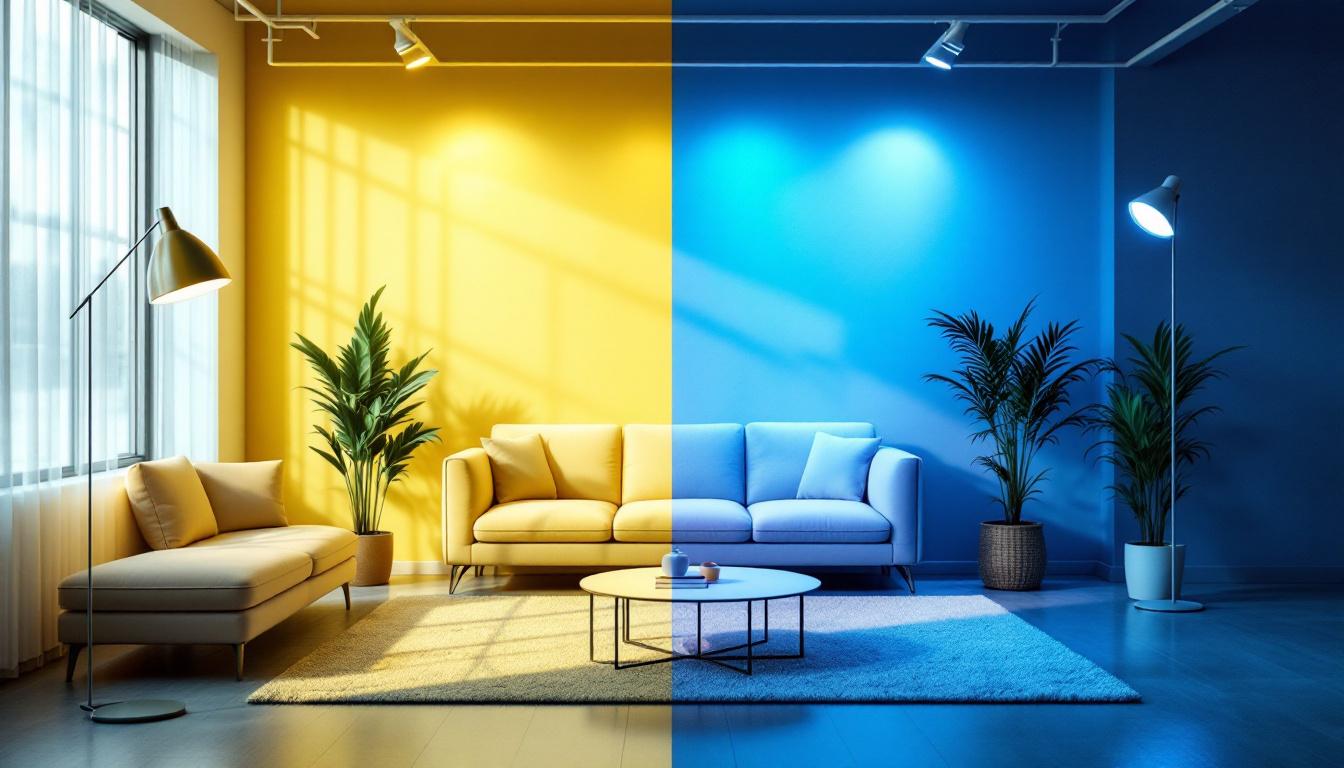
Understanding the nuances of lighting is essential for any lighting contractor. One of the most fundamental distinctions in the field is between direct light and indirect light. Both types of lighting serve unique purposes and can dramatically alter the ambiance and functionality of a space. This article aims to clarify these concepts, offering insights that can enhance your design choices and client satisfaction.
What is Direct Light?
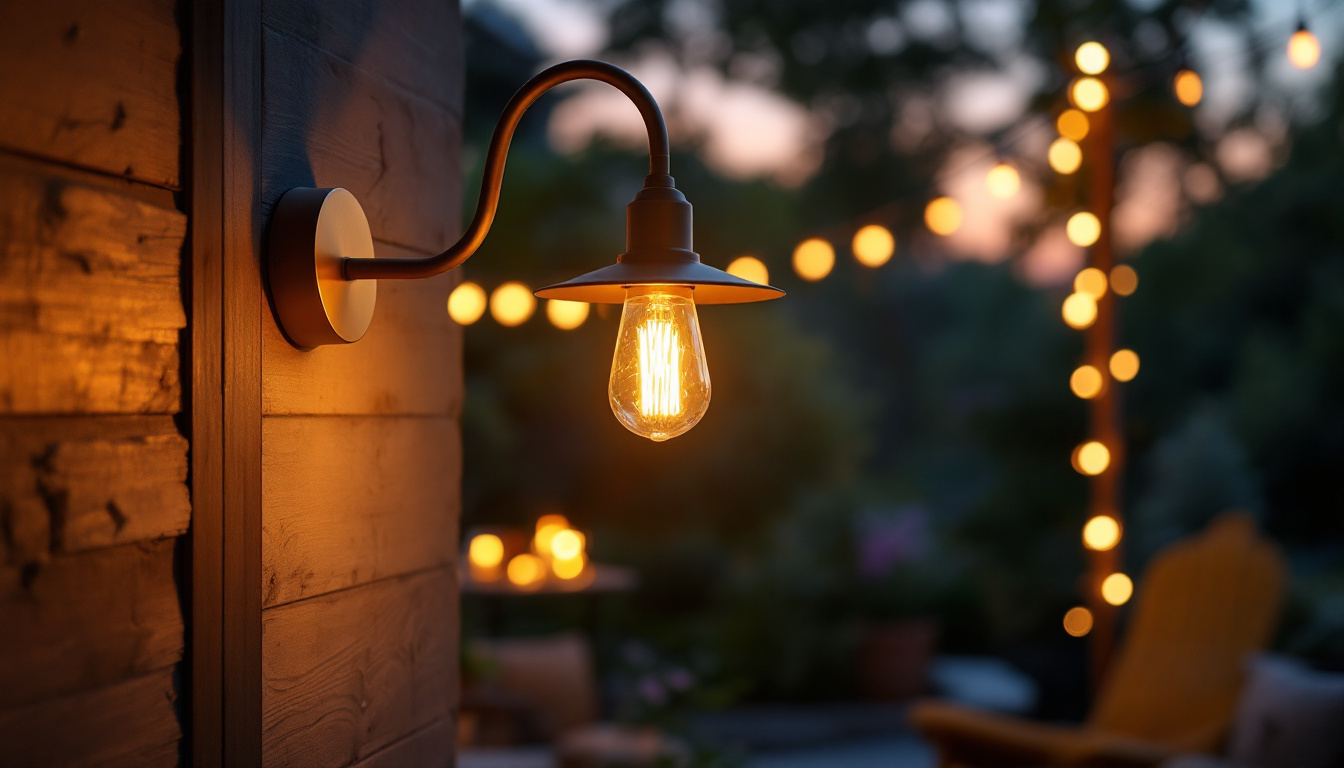
Direct light refers to illumination that comes straight from a light source without any obstructions or diffusions. This type of lighting creates sharp shadows and highlights, making it ideal for tasks that require focus and precision.
Characteristics of Direct Light
Direct light is characterized by its intensity and clarity. It is often produced by fixtures such as spotlights, floodlights, and desk lamps. This form of lighting is particularly effective in environments where visibility is critical, such as in workshops, kitchens, or reading areas.
Moreover, direct light can bring attention to specific areas or objects, making it a valuable tool for highlighting artwork, architectural features, or merchandise in retail spaces. However, the use of direct light must be balanced, as excessive intensity can cause glare and discomfort. The sharp contrasts created by direct light can also influence the perception of color and texture, adding depth to the visual experience. For instance, in photography, direct light can enhance the vibrancy of colors, making images pop with life and detail.
Applications of Direct Light
In commercial settings, direct lighting is commonly used in offices, where task lighting is essential for productivity. It can also be found in retail environments, where it helps to showcase products effectively. In residential spaces, direct light is often employed in areas like kitchens and home offices, where focused illumination is necessary.
Another application of direct light is in outdoor settings, where it can enhance security and safety. Well-placed floodlights can illuminate pathways and entrances, deterring potential intruders while providing visibility for residents. Additionally, direct light plays a crucial role in outdoor recreational areas, such as sports fields and parks, where it enables activities to continue after sunset. The strategic use of direct lighting in these environments not only enhances safety but also encourages community engagement by extending the usability of public spaces into the evening hours.
What is Indirect Light?
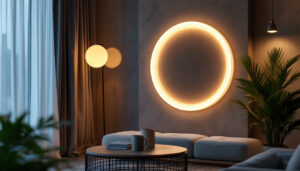
Indirect light, on the other hand, is light that is diffused or reflected off surfaces before it reaches the intended area. This type of illumination creates a softer, more ambient glow, which can enhance the overall atmosphere of a space. Unlike direct light, which can create stark contrasts and defined shadows, indirect light promotes a sense of tranquility and warmth, making it an essential element in thoughtful interior design.
Characteristics of Indirect Light
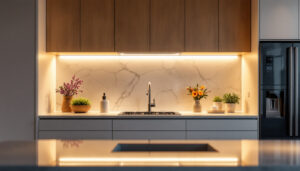
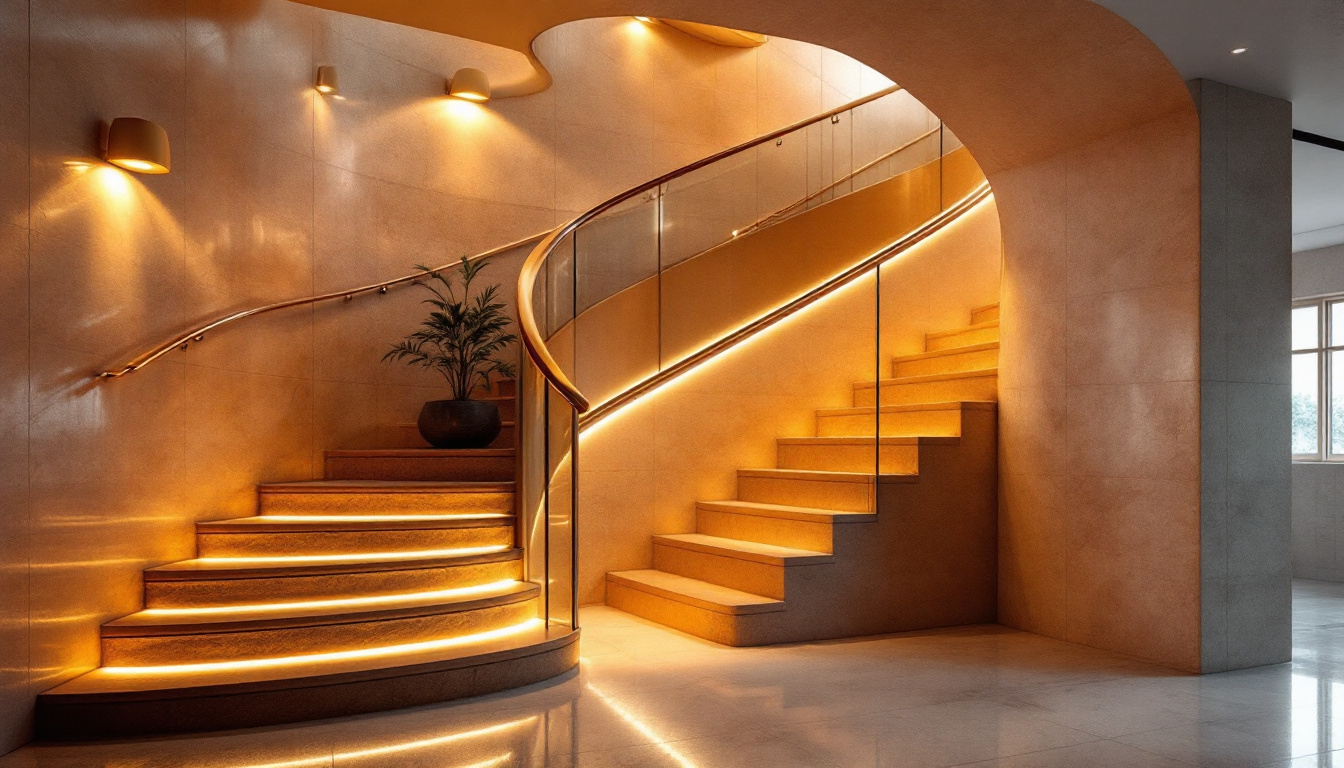
The main characteristic of indirect light is its ability to reduce harsh shadows and create a more even distribution of light. This is achieved through the use of fixtures that reflect light off walls, ceilings, or other surfaces. Common sources of indirect light include recessed lighting, wall sconces, and uplights. These fixtures are strategically placed to maximize the bounce of light, ensuring that it fills the room without creating glare or discomfort.
Because it is less intense than direct light, indirect lighting is often used in spaces where a warm, inviting atmosphere is desired. It can soften the harshness of direct light and create a more relaxing environment, making it ideal for living rooms, bedrooms, and dining areas. Additionally, the use of dimmable indirect lighting can further enhance this effect, allowing for adjustments based on the time of day or the mood desired, thus providing versatility in ambiance.
Applications of Indirect Light
In residential design, indirect lighting is often employed to create a cozy ambiance. It can be used in conjunction with direct lighting to provide layered illumination, enhancing the overall aesthetic of a room. For instance, a combination of recessed lights and floor lamps can create a balanced lighting scheme that is both functional and visually appealing. The careful placement of these light sources can highlight artwork, architectural details, or even plants, adding depth and interest to the decor.
In commercial spaces, indirect lighting can be particularly effective in areas where a calm atmosphere is desired, such as waiting rooms or lounges. It can also be used to highlight architectural features without overwhelming the space with brightness. For example, using indirect light to wash a textured wall can create a stunning backdrop that draws the eye without being too aggressive. Furthermore, in retail environments, indirect lighting can guide customers through the space, subtly directing their attention to specific products or displays while maintaining an inviting atmosphere.
Comparing Direct and Indirect Light
Both direct and indirect light have their advantages and disadvantages, and understanding these can help lighting contractors make informed decisions when designing lighting plans for their clients.
Advantages of Direct Light
One of the primary advantages of direct light is its ability to provide focused illumination. This makes it ideal for task-oriented spaces where clarity and visibility are paramount. Additionally, direct light can create dramatic effects and enhance the visual interest of a space.
Furthermore, direct lighting is often easier to install and control, allowing for precise adjustments to meet specific lighting needs. This can be particularly beneficial in commercial settings where different areas may require varying levels of illumination.
Disadvantages of Direct Light
However, direct light does come with its challenges. The intensity of direct lighting can lead to glare, which can be uncomfortable for occupants. It can also create harsh shadows that may not be desirable in all settings. Therefore, careful consideration must be given to the placement and intensity of direct lighting to avoid these issues.
Advantages of Indirect Light
Indirect light offers a softer, more diffuse illumination that can enhance the comfort of a space. This type of lighting is particularly effective in creating a warm and inviting atmosphere, making it ideal for residential applications.
Moreover, indirect lighting can help to reduce the harshness of direct light, providing a more balanced lighting scheme. This can be particularly beneficial in spaces where a relaxing ambiance is desired, such as bedrooms or lounges.
Disadvantages of Indirect Light
Despite its many benefits, indirect light can also present challenges. It may not provide the level of focus needed for task-oriented activities, making it less suitable for spaces like kitchens or offices where precision is key. Additionally, the installation of indirect lighting can be more complex, often requiring careful planning and consideration of the surrounding surfaces to achieve the desired effect.
Choosing Between Direct and Indirect Light
When deciding between direct and indirect lighting, several factors should be taken into account. The purpose of the space, the activities that will take place, and the desired ambiance all play a crucial role in this decision-making process.
Assessing the Space
Before making lighting choices, it is essential to assess the space thoroughly. Consider the layout, the colors of the walls and furnishings, and the overall design aesthetic. These elements can influence how light interacts with the environment and can help determine whether direct or indirect lighting will be more effective.
For example, in a small room with dark colors, indirect lighting may be more effective in creating a sense of openness and warmth. Conversely, in a larger space with high ceilings, direct lighting may be necessary to ensure adequate illumination.
Understanding Client Needs
Another critical factor is understanding the needs and preferences of the client. Different clients may have varying expectations regarding lighting, and it is essential to communicate effectively to ensure their vision is realized. Some clients may prefer the dramatic effects of direct lighting, while others may favor the subtlety of indirect lighting.
Engaging clients in the decision-making process can lead to more satisfactory outcomes and foster a collaborative relationship. Providing options and explaining the benefits of each type of lighting can help clients make informed choices that align with their preferences.
Combining Direct and Indirect Light
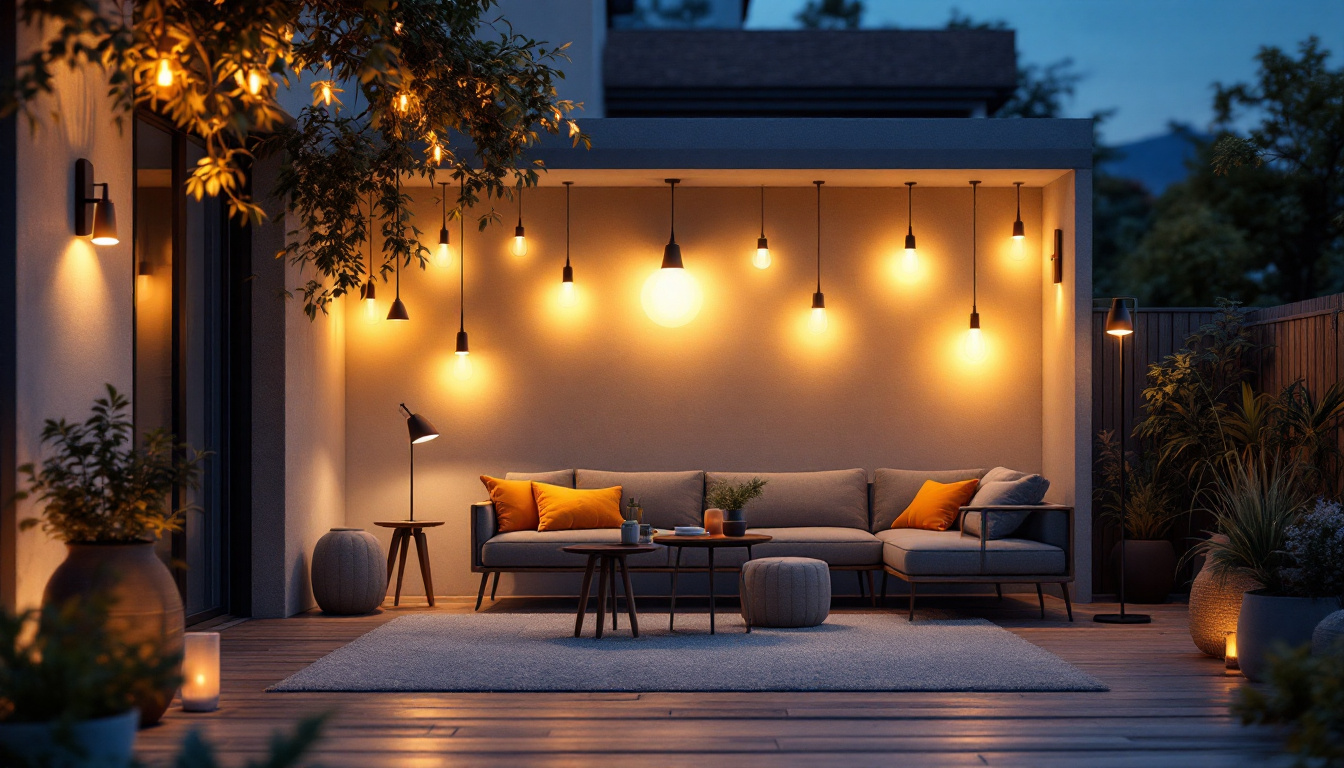
One of the most effective strategies for achieving a well-lit space is to combine both direct and indirect lighting. This layered approach allows for flexibility and can cater to various activities and moods throughout the day.
Creating a Balanced Lighting Scheme
A balanced lighting scheme can be achieved by strategically placing direct and indirect light sources in a space. For instance, using recessed lighting for general illumination while incorporating table lamps or wall sconces for task lighting can create a harmonious blend of light.
This combination not only enhances functionality but also adds depth and dimension to the design. By varying the intensity and direction of light, contractors can create visually interesting spaces that cater to different needs and preferences.
Adjusting for Different Activities
Different activities require different lighting conditions. For example, a dining area may benefit from a combination of ambient indirect light and focused direct light for tasks such as reading menus. Similarly, a home office might require direct lighting for tasks but could incorporate indirect lighting for a more relaxed atmosphere during breaks.
By considering the specific activities that will take place in a space, contractors can tailor their lighting designs to enhance both functionality and comfort, ensuring that clients are satisfied with the final result.
Conclusion
In the world of lighting design, understanding the differences between direct and indirect light is crucial for creating effective and appealing spaces. Each type of lighting has its unique characteristics, advantages, and applications, making it essential for lighting contractors to assess the specific needs of each project.
By combining both direct and indirect light, contractors can achieve a balanced and versatile lighting scheme that enhances the functionality and aesthetic appeal of any space. Whether working in residential or commercial settings, the ability to navigate the complexities of lighting will ultimately lead to more successful and satisfying outcomes for clients.
As the industry continues to evolve, staying informed about the latest trends and technologies in lighting will further empower contractors to make informed decisions that elevate their work and meet the diverse needs of their clients.
Illuminate Your Projects with LumenWholesale
Ready to enhance your lighting designs with the best direct and indirect lighting solutions? Look no further than LumenWholesale, where we provide contractors with top-quality, spec-grade lighting products at unbeatable wholesale prices. Our extensive selection is designed to meet the highest industry standards, ensuring you get reliable, high-performance lighting for every project. Plus, with free shipping on bulk orders, you can enjoy premium lighting at the best value — without hidden fees or compromises. Elevate your lighting projects by choosing the perfect blend of quality, affordability, and convenience. Wholesale Lighting at the Best Value is just a click away.