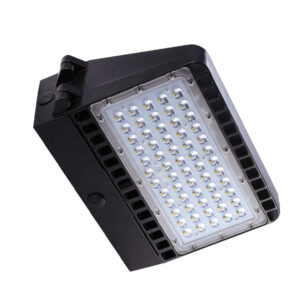
Understanding Direct Light: What It Really Means
Direct light is one of the most fundamental concepts in lighting design, yet it’s often misunderstood or oversimplified. At its core, direct light refers to illumination that travels straight from the light source to the object or surface without any significant diffusion or reflection. Think of the sun on a clear day or a spotlight shining on a stage—these are classic examples of direct lighting.
For lighting contractors, grasping the nuances of direct light is crucial. It’s not just about knowing what direct light is but understanding how it behaves in different environments and how it can be harnessed to achieve specific effects. Direct light creates sharp shadows, high contrast, and focused illumination, which can be both an advantage and a challenge depending on the application.
Unlike indirect or diffused lighting, which softens shadows and spreads light evenly, direct light emphasizes texture and detail. This makes it ideal for highlighting architectural features, artwork, or workspaces where clarity and precision are paramount.
Furthermore, the angle at which direct light strikes a surface can dramatically alter the perception of that space. For instance, when direct light hits a textured wall at a low angle, it can create a stunning interplay of light and shadow, enhancing the visual depth and interest of the surface. This technique is often employed in galleries and museums to draw attention to specific pieces of art, allowing viewers to appreciate the intricate details that might otherwise go unnoticed.
In addition to its aesthetic applications, direct light plays a significant role in functional settings. In offices, for example, strategically placed direct lighting can improve visibility and focus, making it easier for employees to perform tasks that require precision. However, it’s essential to balance direct light with other lighting types to prevent glare and eye strain, ensuring a comfortable and productive environment. Understanding how to manipulate direct light effectively can transform a mundane space into one that is both visually striking and functionally efficient.
The Practical Benefits of Direct Lighting for Contractors
Precision and Control in Installation
Direct lighting offers contractors a high degree of control over where light falls. This precision is invaluable when working on projects that require targeted illumination, such as retail displays, galleries, or task lighting in offices. By selecting fixtures that emit direct light, contractors can ensure that the client’s vision is realized with accuracy.
Moreover, direct light fixtures often come with adjustable features—like swivel heads or beam angle options—that allow for fine-tuning after installation. This flexibility reduces the need for costly adjustments or replacements down the line, saving time and resources. Additionally, the ability to customize lighting angles can enhance the overall design of a space, allowing contractors to create dynamic environments that adapt to various needs throughout the day.
Energy Efficiency and Cost Savings
Direct lighting can be more energy-efficient compared to indirect lighting in certain scenarios. Because the light is focused where it’s needed, less energy is wasted illuminating areas unnecessarily. This targeted approach can lower electricity consumption and reduce operational costs for clients.
LED technology has further enhanced the efficiency of direct lighting. High-quality LED fixtures designed for direct illumination provide bright, consistent light with minimal heat output and long lifespans. Lighting contractors who recommend and install these fixtures can help clients achieve sustainability goals while also boosting their own reputation for delivering modern, cost-effective solutions. Furthermore, many municipalities offer incentives for energy-efficient installations, which can provide additional financial benefits for both contractors and their clients, making the initial investment even more appealing.
Enhancing Aesthetic Appeal and Functionality
Direct light plays a significant role in shaping the ambiance and functionality of a space. For example, in retail environments, direct lighting can make products pop, drawing customer attention and encouraging purchases. In residential settings, it can highlight architectural details or create cozy reading nooks.
Lighting contractors who understand how to balance direct light with other lighting types—ambient and accent lighting—can craft environments that are both visually appealing and practical. This expertise not only satisfies clients but also positions contractors as trusted advisors rather than just installers. Additionally, the strategic use of direct lighting can influence mood and productivity, making it an essential consideration in workplaces where employee performance is a priority. By incorporating direct lighting into their designs, contractors can create spaces that not only look good but also enhance the overall experience for users, whether they are shoppers, employees, or residents.
Common Applications of Direct Lighting in Projects
Commercial Spaces
In commercial settings, direct lighting is often used to illuminate work areas, conference rooms, and retail displays. Task lighting in offices benefits greatly from direct light because it reduces eye strain and improves productivity by providing clear, focused illumination. The strategic placement of overhead fixtures, such as LED panel lights or recessed lighting, ensures that employees can perform their tasks efficiently without the distraction of shadows or dimly lit corners.
Retail lighting strategies frequently employ direct light to spotlight merchandise, creating visual hierarchy and enhancing the shopping experience. By using adjustable track lighting or accent lights, retailers can draw attention to specific products, guiding customers through the store and encouraging purchases. Contractors who can skillfully implement these lighting schemes add measurable value to commercial projects, as effective lighting not only enhances the aesthetic appeal but also influences consumer behavior and sales outcomes.
Residential Installations
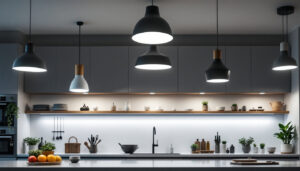
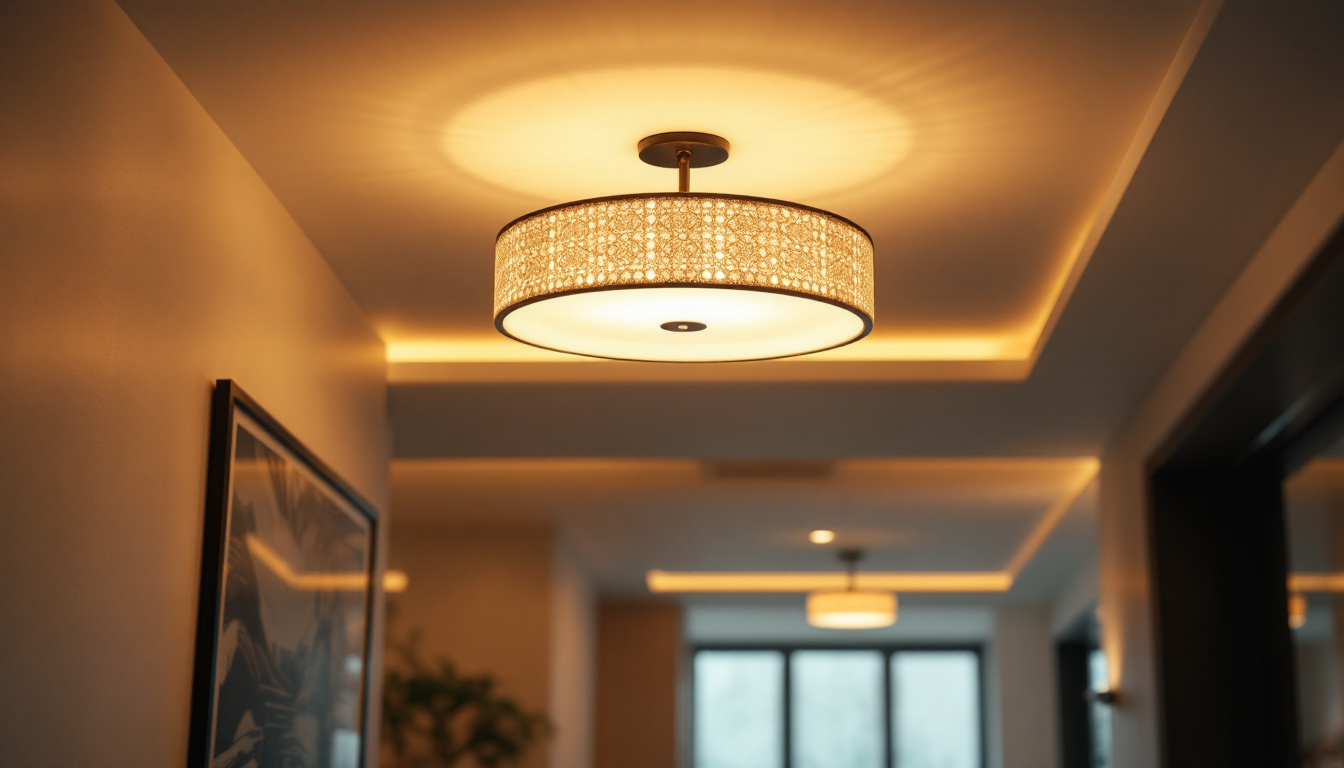
In homes, direct lighting is commonly found in kitchens, bathrooms, and reading areas—places where functional lighting is essential. Pendant lights over kitchen islands or adjustable wall sconces in reading corners are typical examples. Additionally, recessed lighting can be strategically placed in hallways and living areas to create a warm and inviting atmosphere while providing ample illumination for daily activities.
Contractors can help homeowners by recommending direct lighting solutions that complement the overall design while fulfilling practical needs. This dual focus on form and function elevates the quality of residential lighting installations. For instance, using dimmable fixtures allows homeowners to adjust the brightness according to the time of day or occasion, enhancing the versatility of their living spaces. Furthermore, integrating smart lighting technology can offer added convenience, allowing homeowners to control their lighting through mobile apps or voice commands, making everyday life more seamless.
Outdoor and Landscape Lighting
Direct lighting isn’t limited to indoor environments. It’s widely used in outdoor applications to highlight pathways, architectural features, and landscaping elements. Spotlights and floodlights provide focused beams that enhance safety and aesthetic appeal after dark. For instance, well-placed path lights not only illuminate walkways but also create a welcoming ambiance for guests, while up-lighting can accentuate the beauty of trees and shrubs, adding depth to the landscape.
For contractors, selecting the right outdoor fixtures that deliver direct light while withstanding weather conditions is critical. Proper installation ensures durability and performance, which in turn leads to satisfied clients and fewer callbacks. Moreover, incorporating energy-efficient LED options can significantly reduce electricity costs for homeowners while also minimizing environmental impact. As outdoor living spaces become increasingly popular, the demand for innovative direct lighting solutions that enhance outdoor experiences will continue to grow, offering exciting opportunities for contractors to showcase their expertise in this evolving market.
Challenges and Considerations When Working with Direct Light
Managing Glare and Harsh Shadows
One of the main challenges with direct lighting is controlling glare and harsh shadows. Because direct light is intense and focused, it can create uncomfortable visual environments if not carefully planned.
Lighting contractors must assess the placement and intensity of fixtures to minimize glare, especially in workspaces or areas where people spend extended periods. Using dimmers, shields, or diffusers in combination with direct light sources can help soften the impact without losing the benefits of focused illumination.
Balancing with Other Lighting Types
Purely direct lighting can sometimes feel stark or uninviting. Successful lighting design often involves layering direct light with ambient and accent lighting to create a balanced and dynamic environment.
Contractors who understand how to integrate these layers effectively can tailor lighting schemes to the specific needs of each space. This holistic approach improves both aesthetics and functionality, making the lighting feel natural and comfortable.
Fixture Selection and Compatibility
Choosing the right fixtures for direct lighting applications requires attention to beam angle, color temperature, and lumen output. Not all direct light fixtures are created equal, and the wrong choice can lead to uneven lighting or energy inefficiency.
Contractors should work closely with manufacturers and suppliers to select products that meet project specifications and client expectations. Staying informed about the latest advancements in lighting technology also helps contractors offer cutting-edge solutions.
How Lighting Contractors Can Leverage Direct Light Expertise
Building Client Trust Through Education
Clients often rely on lighting contractors for guidance on how to light their spaces effectively. By explaining the benefits and limitations of direct light, contractors can build trust and position themselves as knowledgeable professionals.
Providing clear examples and demonstrating how direct light can enhance a project’s outcome helps clients make informed decisions. This consultative approach often leads to higher satisfaction and repeat business.
Expanding Service Offerings
Mastering direct lighting techniques enables contractors to broaden their service portfolio. From basic installations to complex lighting designs involving multiple layers and controls, expertise in direct light opens doors to more sophisticated projects.
Contractors who invest in training and stay current with industry trends can differentiate themselves in a competitive market. Offering energy audits, lighting design consultations, and maintenance services centered on direct lighting solutions adds value for clients and increases revenue streams.
Enhancing Project Efficiency and Quality
Understanding direct light allows contractors to plan and execute installations more efficiently. Accurate fixture placement, proper wiring, and integration with control systems reduce errors and rework.
Quality installations not only meet client expectations but also reduce long-term maintenance issues. This reputation for reliability strengthens a contractor’s standing in the industry and leads to positive referrals.
Conclusion: Direct Light as a Strategic Asset for Lighting Contractors
Direct light is more than just a type of illumination-it’s a powerful tool that lighting contractors can wield to create impactful, efficient, and aesthetically pleasing environments. Its precision, energy efficiency, and ability to highlight details make it indispensable across commercial, residential, and outdoor projects.
Successfully working with direct light requires a deep understanding of its characteristics, challenges, and applications. Contractors who develop this expertise can enhance their service offerings, build stronger client relationships, and deliver superior project outcomes.
Incorporating direct light thoughtfully into lighting designs transforms spaces and elevates the contractor’s role from installer to trusted lighting professional.
Illuminate Your Projects with LumenWholesale
Ready to harness the power of direct lighting and elevate your lighting projects? Look no further than LumenWholesale for all your lighting needs. Our spec-grade lighting products are designed to meet the demands of any project, ensuring you deliver the precision and quality your clients expect. With unbeatable wholesale prices and free shipping on bulk orders, you can provide superior lighting solutions without breaking the bank. Don’t let middleman markups dim your potential. Choose LumenWholesale for quality, affordability, and convenience. Discover our extensive selection and take advantage of the best value in wholesale lighting by visiting Wholesale Lighting at the Best Value today.