Lighting is an essential aspect of any construction or renovation project, and understanding the nuances of direct and indirect lighting is crucial for lighting contractors. This article delves into the essentials of these two types of lighting, their applications, and how they can be effectively utilized in various settings.
Understanding Direct Lighting
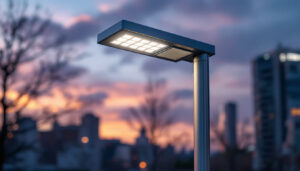
Direct lighting refers to illumination that is directed straight down onto a surface or area. This type of lighting is often used for tasks that require focused light, such as reading, cooking, or working in a workshop. The primary characteristic of direct lighting is that it creates sharp shadows and highlights, which can enhance the details of a space.
Applications of Direct Lighting
Direct lighting is commonly employed in various settings, including residential, commercial, and industrial environments. In homes, it can be found in fixtures such as recessed lights, pendant lights, and track lighting. These fixtures are strategically placed to provide adequate illumination where it is most needed. For example, in a kitchen, under-cabinet lighting can illuminate countertops, making food preparation safer and more efficient. Similarly, in living rooms, direct lighting can be used to create cozy reading nooks by placing floor lamps beside comfortable chairs.
In commercial settings, direct lighting plays a vital role in retail spaces, offices, and educational institutions. For instance, in a retail store, direct lighting can highlight merchandise, making products more appealing to customers. Bright, focused lights can draw attention to promotional displays or new arrivals, enhancing the shopping experience. In offices, it can enhance productivity by ensuring that workspaces are well-lit, reducing eye strain and fatigue. Classrooms also benefit from direct lighting, as it helps students focus on their work and improves visibility for presentations and group activities.
Advantages of Direct Lighting
One of the primary advantages of direct lighting is its ability to provide focused illumination. This makes it ideal for tasks that require precision and attention to detail. Additionally, direct lighting can create a vibrant atmosphere, enhancing the overall aesthetic appeal of a space. The sharp contrasts created by direct lighting can add depth and dimension to interiors, making them feel more dynamic and engaging.
Moreover, direct lighting fixtures are often more energy-efficient compared to some indirect lighting options. With advancements in LED technology, contractors can offer clients energy-saving solutions that do not compromise on brightness or quality. The longevity of LED bulbs also means less frequent replacements, contributing to lower maintenance costs over time. Furthermore, the versatility of direct lighting allows for various design styles, from sleek modern fixtures to more traditional designs, ensuring that it can complement any decor while providing functional illumination.
Exploring Indirect Lighting
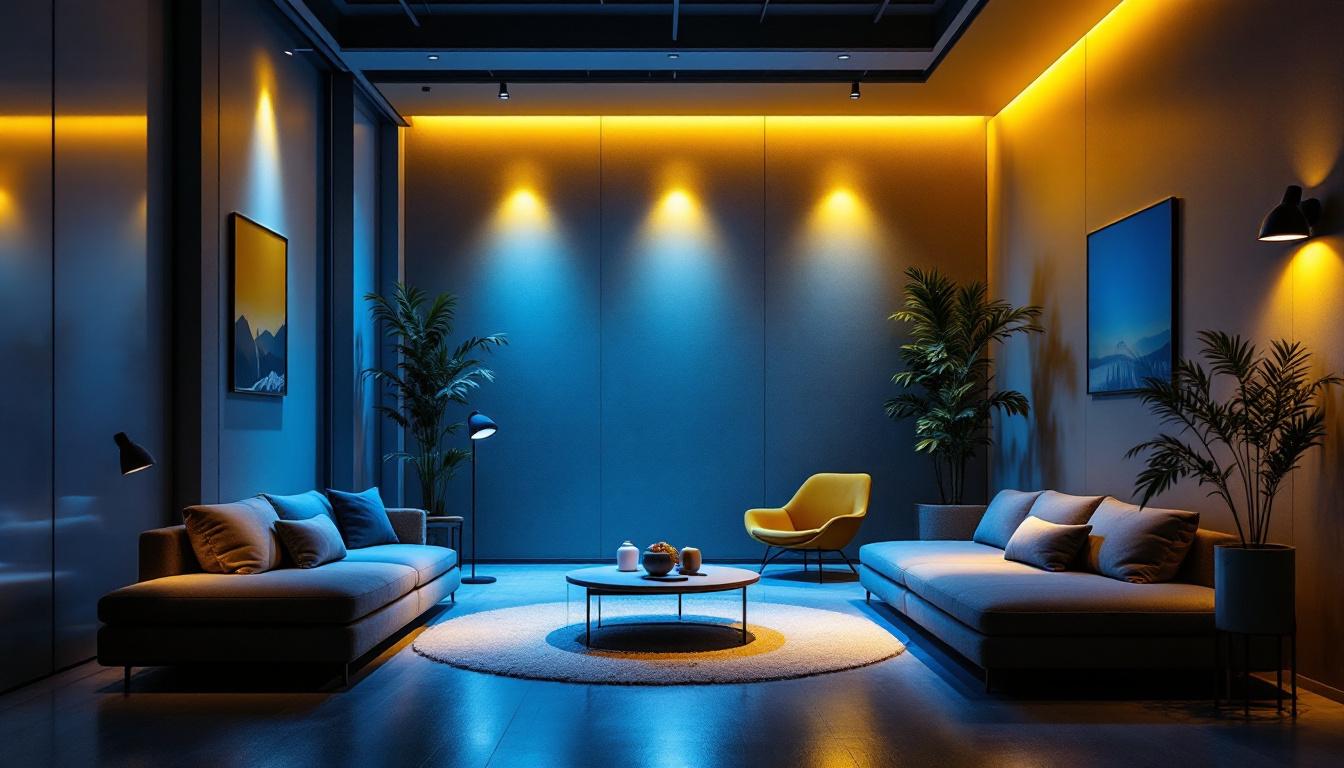
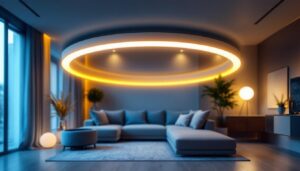
Indirect lighting, on the other hand, involves the reflection of light off surfaces to create a softer, diffused glow. This type of lighting is often used to enhance the ambiance of a space without creating harsh shadows. Indirect lighting can be achieved through various fixtures, including wall sconces, cove lighting, and floor lamps. By strategically placing these fixtures, designers can manipulate the distribution of light, allowing for a more dynamic and visually appealing environment.
Applications of Indirect Lighting
Indirect lighting is particularly effective in creating a warm and inviting atmosphere. It is commonly used in residential settings, such as living rooms and bedrooms, where a cozy ambiance is desired. By bouncing light off walls or ceilings, indirect lighting can fill a space with a gentle glow that is pleasing to the eye. This technique not only enhances the aesthetic appeal but also promotes a sense of tranquility, making it ideal for relaxation and unwinding after a long day.
In commercial environments, indirect lighting can be utilized in areas such as lobbies, conference rooms, and restaurants. It helps to create a welcoming environment for clients and customers, fostering a sense of comfort and relaxation. For instance, in a restaurant, soft indirect lighting can enhance the dining experience by creating an intimate setting that encourages conversation. Similarly, in office spaces, the use of indirect lighting can help to create a more collaborative atmosphere, encouraging teamwork and creativity among employees.
Advantages of Indirect Lighting
One of the key benefits of indirect lighting is its ability to reduce glare and harsh shadows. This makes it an excellent choice for spaces where people spend extended periods, such as offices or reading areas. The soft illumination provided by indirect lighting can help to minimize eye strain and enhance overall comfort. Moreover, this type of lighting can be particularly beneficial for tasks that require focus and concentration, as it allows for a more even distribution of light across surfaces.
Additionally, indirect lighting can contribute to energy efficiency. By utilizing reflective surfaces, less energy is required to achieve the desired level of brightness. This can lead to significant savings on energy bills over time, making it an attractive option for both residential and commercial clients. Furthermore, the versatility of indirect lighting allows for a wide range of design possibilities, enabling homeowners and designers to create unique lighting schemes that complement the overall decor. Whether through the use of LED strips in cove ceilings or strategically placed uplights, the creative potential of indirect lighting is virtually limitless, allowing for both functional and artistic expression in any space.
Combining Direct and Indirect Lighting
While direct and indirect lighting serve different purposes, they can be effectively combined to create a balanced and functional lighting design. By understanding the strengths and weaknesses of each type, lighting contractors can develop innovative solutions that cater to the specific needs of their clients.
Creating a Layered Lighting Design
A layered lighting design involves the strategic placement of both direct and indirect lighting sources to achieve a harmonious balance. This approach allows for flexibility in illumination, enabling spaces to be adapted for various activities and moods.
For instance, in a dining area, a contractor might install a beautiful pendant light above the table for direct lighting during meals, while incorporating wall sconces or cove lighting for indirect illumination that enhances the overall ambiance. This combination not only improves functionality but also elevates the aesthetic appeal of the space.
Adjusting Lighting for Different Activities
Different activities require different lighting conditions. By utilizing a combination of direct and indirect lighting, contractors can create versatile environments that cater to various needs. For example, in a home office, direct lighting can be used for focused tasks such as reading or writing, while indirect lighting can provide a softer glow for relaxation during breaks.
This adaptability is particularly important in commercial settings where spaces may serve multiple purposes throughout the day. By incorporating both types of lighting, contractors can ensure that the environment remains conducive to productivity and comfort.
Considerations for Lighting Contractors
When working with direct and indirect lighting, there are several key considerations that lighting contractors should keep in mind. These factors can influence the effectiveness of the lighting design and the satisfaction of the client.
Understanding the Space
Before selecting lighting fixtures, it is essential to thoroughly understand the space being worked on. Factors such as room size, ceiling height, and the intended use of the area will all impact the choice of lighting. For example, a small room may benefit from indirect lighting to create a sense of openness, while a large space may require a combination of both direct and indirect sources to ensure adequate illumination.
Additionally, the color scheme and furnishings of the space should be considered. Different colors can affect how light is perceived, and choosing the right fixtures can enhance or detract from the overall design.
Client Preferences and Needs
Every client has unique preferences and needs when it comes to lighting. Engaging in open communication with clients can help contractors understand their vision and requirements. Some clients may prioritize energy efficiency, while others may focus on aesthetics or functionality.
By taking the time to listen to client preferences, contractors can tailor their lighting designs to meet specific expectations. This not only enhances client satisfaction but also fosters long-term relationships and repeat business.
Staying Updated on Trends and Technologies
The lighting industry is constantly evolving, with new technologies and trends emerging regularly. Staying informed about the latest advancements in lighting design, energy efficiency, and smart lighting solutions is crucial for contractors looking to remain competitive.
By embracing new technologies, such as smart lighting controls and energy-efficient fixtures, contractors can offer clients innovative solutions that enhance both functionality and sustainability. This proactive approach can set contractors apart in a crowded market, attracting discerning clients who value modernity and efficiency.
Conclusion
Direct and indirect lighting are two fundamental aspects of lighting design that every contractor should understand. By mastering the applications, advantages, and integration of these lighting types, contractors can create spaces that are not only functional but also visually appealing.
As the demand for innovative lighting solutions continues to grow, staying informed about trends and technologies will be essential for lighting contractors. By prioritizing client needs and preferences, as well as understanding the unique characteristics of each space, contractors can deliver exceptional results that elevate their projects and enhance client satisfaction.
In the ever-evolving world of lighting design, the ability to effectively combine direct and indirect lighting will remain a valuable skill for contractors. Embracing this knowledge will empower them to create beautifully lit environments that meet the diverse needs of their clients.
Illuminate Your Projects with LumenWholesale
Ready to elevate your lighting projects with the finest spec-grade lighting products? Look no further than LumenWholesale, where we provide contractors with exceptional lighting solutions at unbeatable wholesale prices. Say goodbye to local distributor markups and hello to a vast selection of top-quality lighting that meets the highest industry standards. With the added convenience of free shipping on bulk orders, you can ensure your projects shine with premium lighting at the best value. Don’t compromise on quality or price. Discover wholesale lighting at the best value today and bring your lighting designs to life with LumenWholesale.