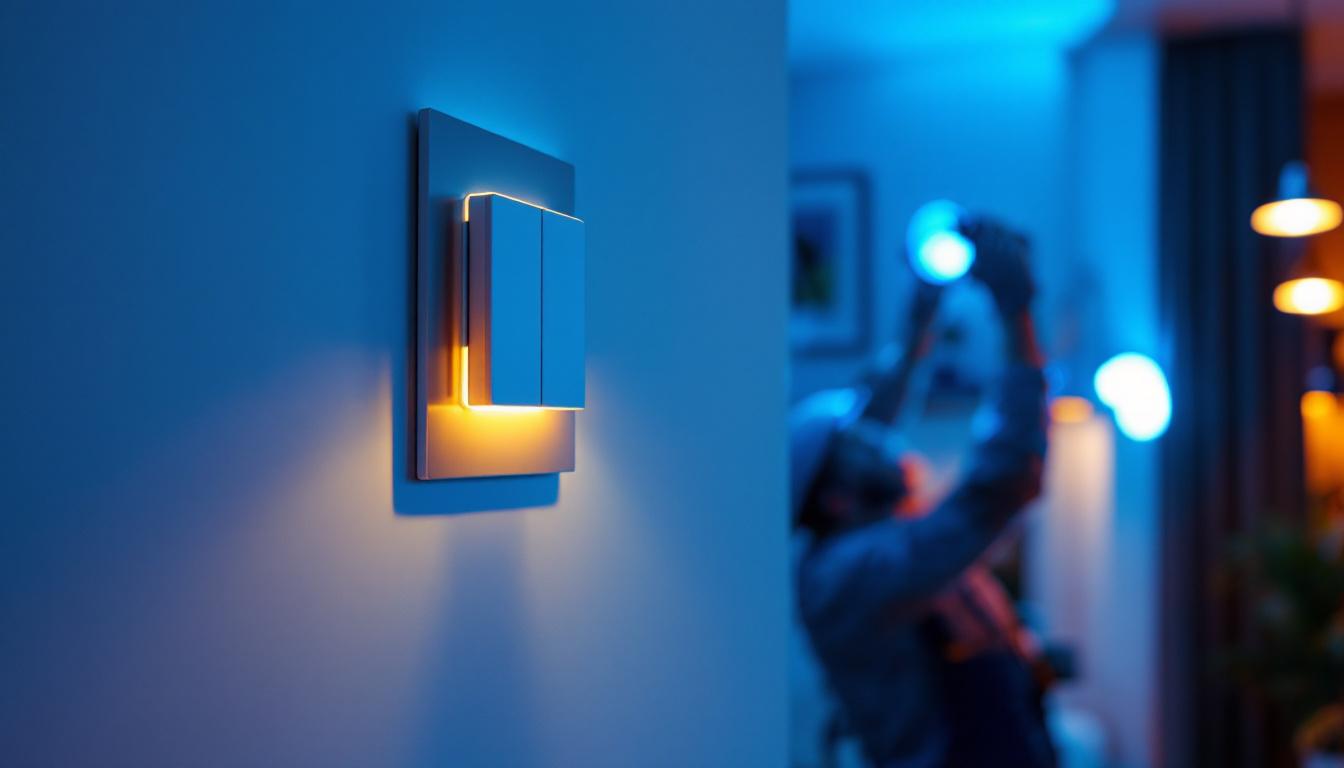
Understanding the Importance of Dimmer Switches in LED Lighting
In the evolving landscape of lighting technology, LED lighting has become the standard for energy efficiency, longevity, and design flexibility. However, the integration of dimmer switches with LED fixtures presents unique challenges and opportunities that every lighting contractor must understand. Dimmer switches are not just an accessory; they are a crucial component that can significantly influence the performance, ambiance, and energy consumption of LED lighting systems.
For contractors, mastering the nuances of dimmer switches tailored for LED lighting is essential to deliver superior results and client satisfaction. Unlike traditional incandescent bulbs, LEDs require compatible dimming technology to avoid flickering, buzzing, or reduced lifespan. This article delves into the technical, practical, and design considerations that lighting professionals need to know to excel in this specialized area.
One of the primary considerations when selecting dimmer switches for LED lighting is the compatibility between the dimmer and the LED fixtures. Not all dimmers are created equal; some are designed specifically for LED technology, while others may only function optimally with incandescent or halogen bulbs. It is crucial for contractors to consult product specifications and, when possible, conduct real-world tests to ensure that the dimmer switch can handle the wattage and type of LED being used. This attention to detail not only prevents potential issues but also enhances the overall user experience by providing smooth and reliable dimming capabilities.
Moreover, the aesthetic aspect of lighting cannot be overlooked. Dimmer switches offer the ability to create different moods and atmospheres within a space, which is especially important in residential and commercial settings. By adjusting the brightness, users can transform a bright, energetic environment into a cozy, intimate space with just a flick of a switch. This versatility allows contractors to provide tailored lighting solutions that meet the specific needs and preferences of their clients, thereby elevating the value of their services. Understanding the interplay between dimming levels and color temperature can further enhance the design, making it a vital topic for contractors to explore in their ongoing education and training.
Technical Foundations: How LED Dimmer Switches Differ from Traditional Dimmers
The Electrical Characteristics of LEDs
LEDs operate on low voltage DC power and have a non-linear electrical load, which contrasts sharply with the resistive load of incandescent bulbs. Traditional dimmers were designed to cut voltage in a way that incandescent bulbs could handle easily, but LEDs require a different approach due to their driver circuitry and electronic components.
This difference means that many standard dimmer switches can cause LEDs to flicker or produce an audible hum. Lighting contractors must recognize that LED-compatible dimmers use advanced technologies such as trailing-edge (electronic low voltage) dimming, which provides smoother and more precise control. Additionally, the thermal management of LEDs is crucial; they generate less heat than incandescent bulbs, which can lead to longer lifespans but also requires careful consideration of the dimming technology to avoid overheating the driver components. This interplay between heat and electrical characteristics highlights the importance of selecting the right dimmer for the specific LED application.
Types of LED Dimmers and Their Applications
Understanding the various types of dimmer switches is critical. The most common types include:
- Leading-edge dimmers: Originally designed for incandescent bulbs, these can sometimes be used with certain LED fixtures but often cause compatibility issues.
- Trailing-edge dimmers: Specifically designed for LED and low-voltage lighting, offering smoother dimming and reduced noise.
- 0-10V dimmers: Used in commercial settings, these provide precise dimming control by varying voltage signals rather than cutting power.
- Digital and smart dimmers: Integrate with home automation systems, offering remote control and programmable settings.
Contractors must match the dimmer type to the LED fixture specifications to ensure optimal performance and client satisfaction. Furthermore, the choice of dimmer can significantly impact the ambiance of a space. For instance, smart dimmers not only allow for customized lighting scenes but can also be programmed to adjust based on the time of day or occupancy, enhancing energy efficiency and user experience. As the demand for energy-efficient solutions grows, understanding these nuances becomes increasingly vital for professionals in the lighting industry.
Compatibility Challenges and How to Overcome Them
Common Issues Lighting Contractors Face
One of the most frequent challenges is compatibility between dimmer switches and LED drivers. Mismatched components can lead to flickering, buzzing, limited dimming range, or even premature failure of the LED fixture. These issues not only affect the aesthetic appeal of the lighting but can also lead to increased maintenance costs and customer dissatisfaction.
Another issue is minimum load requirements. Traditional dimmers often require a minimum wattage to function correctly, but LED fixtures consume far less power. This discrepancy can cause the dimmer to behave erratically if the load is too low. In some cases, this can result in a situation where the light may not turn on at all, leaving both contractors and clients frustrated with the installation process.
Strategies for Ensuring Compatibility
Lighting contractors should adhere to the following best practices:
- Consult manufacturer specifications: Always check the LED fixture and dimmer switch documentation for compatibility lists and recommended pairings.
- Test before installation: Whenever possible, test the dimmer and LED combination in a controlled environment to identify any issues before deployment.
- Use LED-specific dimmers: Opt for dimmers explicitly designed for LED loads to minimize problems.
- Consider load balancing: In installations with low wattage, adding dummy loads or grouping multiple fixtures on a single dimmer can help meet minimum load requirements.
Additionally, staying updated with the latest advancements in lighting technology can greatly benefit contractors. Manufacturers are continually developing new products that enhance compatibility and performance, including smart dimmers that can adapt to various load types. These smart solutions often come equipped with features that allow for remote control and programmable settings, offering clients a more versatile lighting experience. Furthermore, participating in training sessions or workshops can provide valuable insights into emerging trends and techniques, ensuring that contractors remain competitive in a rapidly evolving market.
Networking with other professionals in the lighting industry can also yield beneficial information regarding best practices and troubleshooting tips. Engaging in forums or attending trade shows can expose contractors to innovative products and solutions that they may not have encountered otherwise. By fostering these connections, contractors can share experiences and learn from one another, ultimately enhancing their ability to deliver high-quality installations that meet their clients’ needs.
Installation Best Practices for Lighting Contractors
Wiring and Setup Considerations
Proper installation is vital for the reliable operation of LED dimmer switches. Contractors must ensure that wiring is done according to the dimmer’s specifications, including correct grounding and neutral wire connections. Many modern LED dimmers require a neutral wire, which was not always standard in older homes, so assessing the existing wiring infrastructure is crucial.
Additionally, contractors should pay attention to the total wattage connected to a dimmer. Overloading a dimmer can cause overheating and failure, while underloading can cause flickering or erratic dimming.
Programming and Calibration
Some advanced dimmer switches offer programmable features such as adjustable fade rates, minimum and maximum brightness levels, and scene settings. Lighting contractors should leverage these capabilities to tailor the lighting experience to the client’s needs, enhancing ambiance and energy savings.
Calibration during installation ensures that the dimmer operates within the optimal range of the LED fixtures, preventing issues like dead zones where the lights do not respond to dimming commands.
Energy Efficiency and Client Benefits
Maximizing Energy Savings with LED Dimmers
One of the primary reasons clients choose LED lighting is energy efficiency. When paired with the right dimmer switch, energy consumption can be further reduced by adjusting light levels to suit the environment and activity. For example, dimming lights to 50% can reduce energy use substantially while extending the lifespan of the LEDs.
Lighting contractors can emphasize these benefits during consultations, helping clients understand how dimmers contribute to lower utility bills and reduced carbon footprints.
Enhancing Ambiance and Functionality
Beyond energy savings, dimmer switches provide clients with control over lighting ambiance, which is a significant selling point in residential, commercial, and hospitality projects. Adjustable lighting improves comfort, productivity, and mood, making spaces more versatile and appealing.
Contractors who master the art of integrating dimmer switches with LED lighting can offer tailored solutions that elevate the overall user experience, differentiating their services in a competitive market.
Emerging Trends and Technologies in LED Dimming
Smart Lighting Integration
The rise of smart home and building automation systems has transformed how dimming controls are implemented. Wireless dimmers, voice-activated controls, and app-based interfaces allow for unprecedented convenience and customization.
Lighting contractors should stay informed about these technologies to advise clients on future-proof solutions that integrate seamlessly with other smart devices.
Advanced Dimming Technologies
Innovations such as flicker-free dimming, color temperature tuning, and adaptive lighting systems are becoming more prevalent. These advancements improve visual comfort and energy management, offering contractors new tools to enhance their installations.
Staying updated on these trends enables contractors to provide cutting-edge solutions that meet evolving client expectations and regulatory standards.
Conclusion: Mastering LED Dimmer Switches for Professional Success
For lighting contractors, mastering the complexities of dimmer switches for LED lighting is a critical skill that impacts project quality, client satisfaction, and business reputation. By understanding the technical differences, overcoming compatibility challenges, following installation best practices, and embracing emerging technologies, contractors can deliver superior lighting solutions.
Investing time and expertise into this specialized area not only ensures flawless installations but also positions contractors as trusted experts in the dynamic field of LED lighting. The ability to master LED dimming technology is, without doubt, a secret weapon for lighting professionals aiming to excel in their craft.
Get the Best Value in Wholesale Lighting with LumenWholesale
As you strive to master the intricacies of LED dimmer switches and elevate your lighting projects, LumenWholesale is here to support your professional journey. We provide contractors with exceptional, spec-grade lighting products at prices that can’t be beaten. Our commitment to quality and affordability ensures that you have access to the most reliable and high-performing lighting solutions for every installation. With free shipping on bulk orders, LumenWholesale is your go-to source for premium lighting without the premium price tag. Elevate your craft and delight your clients by choosing Wholesale Lighting at the Best Value — only at LumenWholesale.