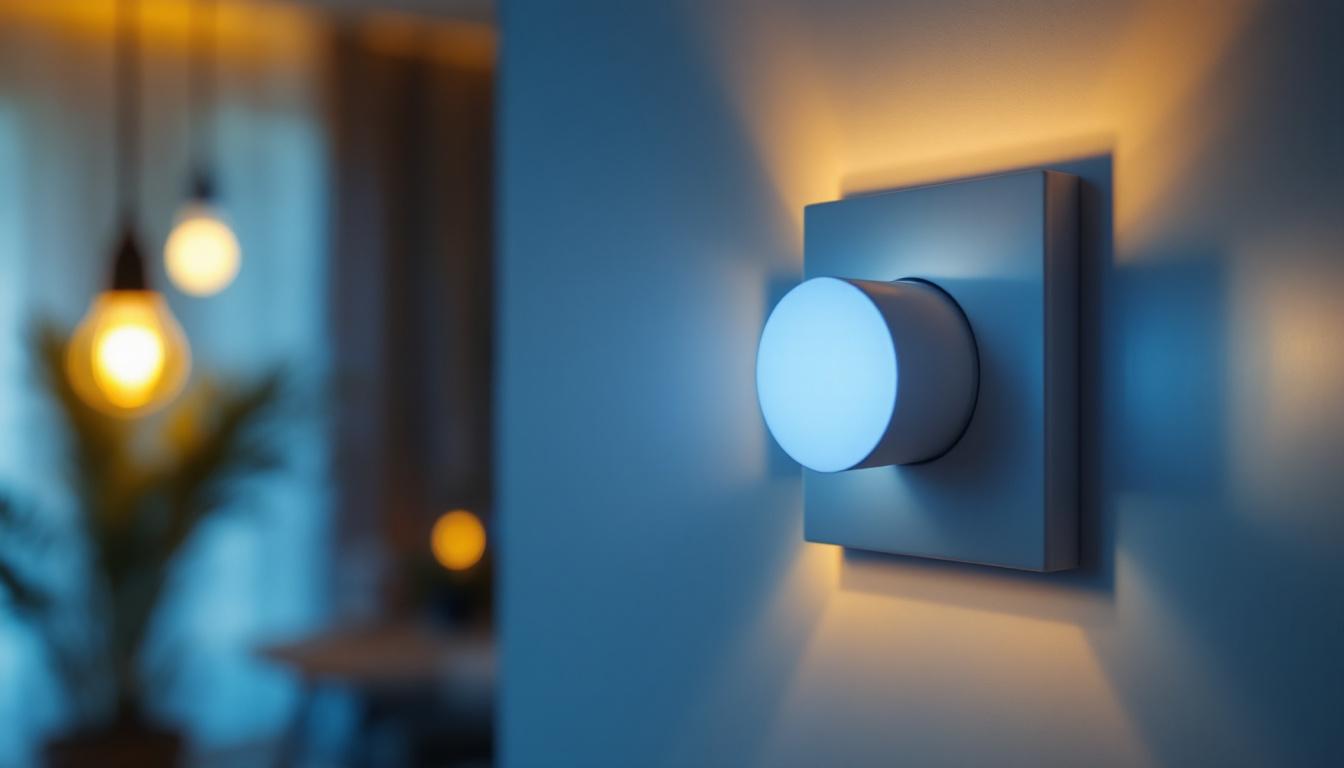
Understanding the Unique Requirements of LED Lighting
LED lighting has revolutionized the lighting industry with its energy efficiency, long lifespan, and design flexibility. However, when it comes to dimming LED bulbs, the technology introduces complexities that traditional incandescent or halogen lighting did not present. Lighting contractors must recognize that LED bulbs are not simply direct replacements for older bulbs in dimming circuits; their electronic drivers and lower wattage demand specialized considerations.
Unlike incandescent bulbs, which dim smoothly due to their resistive filament, LED bulbs rely on electronic drivers that regulate current. This means that the dimmer switch must be compatible with the LED’s driver to avoid flickering, buzzing, or incomplete dimming ranges. Failure to account for these differences can lead to customer dissatisfaction, increased call-backs, and potentially voided warranties.
The Importance of LED-Compatible Dimmers
Many contractors default to standard dimmer switches designed for incandescent loads, unaware that these switches may not perform well with LEDs. LED-compatible dimmers are engineered to handle the low wattage and electronic nature of LED drivers, often incorporating advanced circuitry to ensure smooth dimming performance.
Choosing the right dimmer involves understanding the load type, minimum and maximum wattage requirements, and the dimming technology employed by the LED bulbs (such as trailing edge or leading edge dimming). Overlooking these factors can cause issues like flickering, limited dimming range, or audible noise from the switch.
Moreover, the variety of LED products available today means that contractors must stay informed about the latest advancements in LED technology. For instance, some newer LED bulbs are designed to work with smart home systems, allowing for remote control and automation. This adds another layer of complexity, as these smart bulbs may require specific types of dimmers that can communicate with home automation hubs. Understanding these nuances not only enhances the quality of the installation but also opens up opportunities for upselling additional features to clients who are interested in integrating their lighting with smart technology.
In addition to compatibility, the aesthetic aspect of dimming LEDs should not be overlooked. Many homeowners are drawn to the warm glow of dimmed lighting, which can create a cozy and inviting atmosphere. This is particularly important in spaces such as dining areas or living rooms, where ambiance plays a crucial role in the overall experience. Therefore, selecting the right dimmer not only ensures functionality but also contributes to the desired mood and style of a space, making it essential for contractors to educate their clients on the benefits of investing in quality dimming solutions tailored for LED lighting.
Common Pitfalls Lighting Contractors Encounter
Underestimating Minimum Load Requirements
One of the most frequently overlooked aspects is the minimum load requirement of dimmer switches. Traditional dimmers were designed for high-wattage incandescent bulbs, often requiring a minimum load of 40 to 60 watts to function correctly. LED bulbs typically consume between 5 to 15 watts, so a single LED bulb or a small cluster may not meet the dimmer’s minimum load threshold.
When the load is too low, the dimmer may not operate properly, causing flickering or the light not turning on at all. Lighting contractors need to verify the total wattage of the LED bulbs on the circuit and select dimmers specifically rated for low loads or use load correction devices. Additionally, contractors should consider the overall design of the lighting scheme; using multiple low-wattage LED fixtures in tandem can help achieve the necessary load while enhancing the aesthetic appeal of the space. This approach not only addresses the technical requirements but also allows for creative lighting solutions that can transform an area.
Ignoring Compatibility Between Bulbs and Switches
Not all LED bulbs are created equal, and neither are dimmer switches. The compatibility between the bulb and the dimmer is critical. Some LED bulbs are labeled as “dimmable,” but their performance can vary significantly depending on the dimmer used. Manufacturers often provide compatibility charts that must be consulted before installation.
Failing to match bulbs with compatible dimmers can lead to poor dimming performance, including flickering, buzzing, or an inability to reach full brightness or full dim. Lighting contractors should test combinations or rely on manufacturer recommendations to ensure seamless operation. Furthermore, it’s essential to stay updated on the latest advancements in LED technology, as new products are continuously being developed. Some manufacturers now offer smart dimmers that can adapt to various bulb types and provide additional features, such as remote control and programmable settings, which can greatly enhance user experience and satisfaction.
Overlooking the Impact of Wiring and Installation Practices
Proper wiring and installation are essential to the performance of dimmable LED circuits. Loose connections, incorrect wiring of neutral wires, or shared neutrals in multi-switch setups can cause dimming issues. For example, some LED dimmers require a neutral wire to function correctly, but older homes may lack this wiring.
Contractors must assess the existing wiring infrastructure and plan accordingly, potentially upgrading wiring or selecting dimmers that do not require a neutral wire. Additionally, using high-quality connectors and ensuring secure, code-compliant installations reduces the risk of operational problems. It’s also beneficial to educate clients about the importance of regular maintenance checks on their lighting systems. Over time, dust and debris can accumulate in fixtures and connections, which may lead to performance issues. By establishing a routine maintenance schedule, contractors can help clients avoid future complications and ensure their lighting systems operate efficiently and effectively.
Advanced Considerations for Lighting Contractors
Understanding Dimming Technologies: Leading Edge vs. Trailing Edge
Dimming technologies play a pivotal role in LED dimming performance. Leading edge dimmers, originally designed for incandescent bulbs, cut the front part of the AC waveform. Trailing edge dimmers cut the latter part of the waveform and are generally better suited for LED loads.
Trailing edge dimmers typically offer smoother dimming, less noise, and better compatibility with electronic drivers. However, some LED bulbs may still perform well with leading edge dimmers, so understanding the specific bulb’s driver technology and manufacturer recommendations is essential. Lighting contractors should be familiar with both types and select the appropriate dimmer based on the application.
Addressing Multiple LED Bulbs and Mixed Loads
In commercial or residential projects, circuits may contain multiple LED bulbs or a mix of LED and incandescent bulbs. This scenario complicates dimmer selection because the total load and dimming characteristics vary. Mixed loads can cause unpredictable dimming behavior, including flickering or uneven brightness.
Contractors should avoid mixing load types on the same dimmer circuit when possible. If unavoidable, selecting dimmers designed for mixed loads or using separate circuits for LED and incandescent bulbs can mitigate issues. Careful load calculation and testing are crucial to ensure consistent lighting performance.
Energy Efficiency and Regulatory Compliance
Energy codes and regulations increasingly emphasize the use of energy-efficient lighting solutions, including LED lighting with dimming capabilities. Lighting contractors must ensure that dimmable LED installations comply with local codes and standards, such as those related to energy consumption and lighting controls.
Using dimmers that are Energy Star certified or meet relevant efficiency standards not only ensures compliance but also enhances customer satisfaction by reducing energy costs. Additionally, proper dimmer selection can contribute to the longevity of LED bulbs, reducing maintenance and replacement expenses.
Best Practices for Successful LED Dimming Installations
Pre-Installation Testing and Consultation
Before committing to a particular dimmer and LED bulb combination, lighting contractors should conduct pre-installation testing. This involves verifying compatibility, dimming range, and performance under real-world conditions. Consulting manufacturer data sheets and compatibility charts is a critical step.
Engaging with clients to understand their lighting preferences and use cases can also guide product selection. For example, some applications require very low-level dimming for ambiance, while others prioritize smooth transitions or color temperature control.
Educating Clients on Dimming Expectations
Clients often expect dimming to function exactly as it did with incandescent bulbs, which is not always achievable with LED technology. Lighting contractors should educate clients about the capabilities and limitations of LED dimming, including potential trade-offs such as minimum dimming levels or slight flickering in certain conditions.
Setting realistic expectations upfront reduces dissatisfaction and helps clients appreciate the benefits of LED lighting despite minor quirks. Providing documentation or demonstration samples during the consultation phase can be highly effective.
Regular Updates on Industry Developments
The LED lighting industry is rapidly evolving, with continuous improvements in bulb technology, dimmer designs, and control systems. Lighting contractors who stay informed about the latest products, standards, and best practices can offer superior service and maintain a competitive edge.
Participating in training sessions, subscribing to industry publications, and collaborating with manufacturers ensures contractors are equipped to handle the complexities of LED dimming and avoid common pitfalls.
Conclusion: Mastering LED Dimming for Enhanced Client Satisfaction
Dimmable switches for LED bulbs present unique challenges that lighting contractors must carefully navigate. By understanding the technical distinctions of LED lighting, recognizing common pitfalls such as load mismatches and compatibility issues, and adopting best practices in installation and client communication, contractors can deliver reliable, high-quality dimming solutions.
Successful LED dimming installations not only improve customer satisfaction but also enhance energy efficiency and reduce maintenance costs. As LED technology continues to advance, lighting contractors who prioritize knowledge and precision in dimmer selection and installation will be well-positioned to lead in the evolving lighting marketplace.
Upgrade Your LED Dimming Solutions with LumenWholesale
Ready to elevate your lighting projects with the best in LED dimming technology? Look no further than LumenWholesale, where we provide contractors with exceptional, spec-grade lighting products at unbeatable wholesale prices. Say goodbye to inflated markups and hello to a vast selection of top-tier lighting that meets the highest industry standards. With LumenWholesale, you’ll enjoy the convenience of bulk buying with free shipping, ensuring you get premium lighting at the best value — all without hidden fees or compromises. Don’t let common dimming challenges hinder your project’s success. Wholesale Lighting at the Best Value is just a click away. Enhance your client satisfaction and project efficiency today with LumenWholesale.