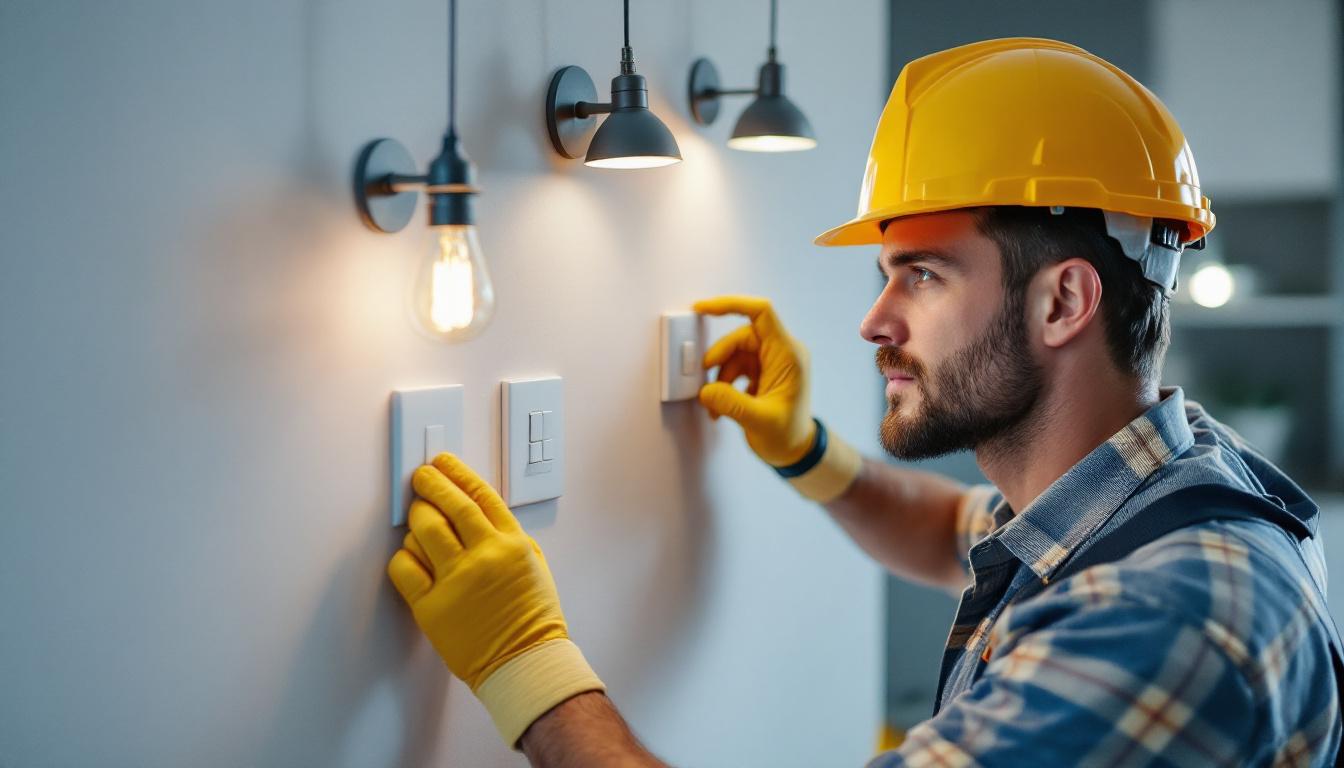
Understanding the Variety of Light Switches
Lighting contractors encounter a wide range of light switches daily, each designed for specific applications and environments. Knowing the differences between these switches is crucial—not just for installation but for ensuring safety, functionality, and client satisfaction.
From simple toggle switches to advanced smart controls, the variety can be overwhelming. However, mastering the characteristics and appropriate uses of each type can set a contractor apart in quality and professionalism.
Common Types of Light Switches
Toggle switches remain the most familiar type, recognized by their up-and-down lever. They are reliable, straightforward, and cost-effective, making them a staple in residential and commercial projects. However, their simplicity sometimes limits functionality. For instance, while toggle switches are perfect for basic on/off operations, they lack the versatility required for more complex lighting schemes where dimming or multi-location control is necessary.
Push-button switches, once popular in vintage designs, offer a tactile feel and aesthetic appeal. They are less common today but can be a stylish choice in restoration projects or custom builds. Their unique design can evoke nostalgia and charm, making them a favored option in homes aiming for a retro or classic look. Additionally, some modern push-button switches come with advanced features, such as programmable settings that allow users to set specific lighting scenes or schedules, enhancing their functionality while retaining their vintage allure.
Rocker switches, characterized by their flat, broad surface, provide a modern look and ease of use, especially for those with limited dexterity. Their design also allows for larger labeling areas, which can be helpful in complex lighting setups. Many rocker switches now incorporate LED indicators that illuminate when the switch is in the “on” position, providing a visual cue that can aid in energy conservation and safety, particularly in dimly lit areas.
Advanced Switches for Modern Needs
Dimmer switches offer adjustable lighting levels, enhancing ambiance and energy efficiency. They require compatibility with the lighting load and bulb type, so contractors must verify specifications before installation. Moreover, the ability to create different moods with varying light intensities can significantly improve the usability of a space, making dimmers a popular choice for dining areas and home theaters. Some advanced dimmer models even allow for wireless control and integration with smart home systems, further expanding their usability.
Three-way and four-way switches allow control of a single light source from multiple locations. These are common in hallways and staircases. Proper wiring knowledge is essential here to avoid confusion and malfunction. Additionally, these switches can be paired with dimmers to provide both multi-location control and adjustable lighting, making them an excellent choice for larger homes or spaces with intricate layouts. Understanding the wiring configurations and ensuring proper installation can prevent frustrating issues for homeowners, ensuring a seamless experience when navigating their lighting systems.
Smart switches integrate with home automation systems, enabling remote control via smartphones or voice commands. These require understanding of network protocols and sometimes additional wiring or hubs. As technology advances, many smart switches now come equipped with features such as energy monitoring, allowing homeowners to track their energy consumption and make informed decisions about their usage. Furthermore, compatibility with virtual assistants like Amazon Alexa or Google Assistant enhances convenience, allowing users to control their lighting with simple voice commands, thus elevating the overall user experience in modern homes.
Do’s for Lighting Contractors When Working with Light Switches
Do Verify Electrical Codes and Standards
Electrical codes vary by region but always prioritize safety and reliability. Familiarity with the National Electrical Code (NEC) or local equivalents is non-negotiable. This ensures installations meet legal requirements and pass inspections without delays.
For example, certain switches must be installed in wet or damp locations, and specific wiring methods are mandated for multi-way switches. Staying updated on code changes can prevent costly rework and liability issues. Additionally, understanding the rationale behind these codes can help contractors make informed decisions on design and installation, ensuring not just compliance but also the longevity and safety of the electrical systems they install.
Moreover, many municipalities offer resources or workshops for contractors to stay informed about local amendments to the NEC. Engaging with these resources can provide insights into common pitfalls and best practices, ultimately enhancing the contractor’s reputation as a knowledgeable and reliable professional.
Do Choose the Right Switch for the Application
Not every switch fits every situation. For instance, using a standard toggle switch in a high-traffic commercial area might lead to premature wear. Instead, heavy-duty or industrial-grade switches are better suited.
Consider the environment: moisture-resistant switches in bathrooms or outdoor areas, tamper-resistant switches in schools or public buildings, and switches with illuminated indicators in dark spaces. Matching the switch to the use case enhances durability and user experience. Furthermore, it’s essential to consider the aesthetic aspects of the switch as well. In residential applications, homeowners may prefer stylish options that complement their interior design, such as decorative switches or those with customizable faceplates.
Additionally, integrating technology into switch selection can also be beneficial. Smart switches that can be controlled via mobile apps or voice commands not only offer convenience but can also improve energy efficiency, appealing to environmentally conscious clients. Understanding the latest trends in smart home technology can give contractors a competitive edge in the marketplace.
Do Test Before Finalizing Installation
Testing is often overlooked but critical. After wiring, verify that the switch operates the intended fixtures correctly. Check for issues like flickering, delayed response, or unintended activation of other circuits.
Using a circuit tester or multimeter can confirm proper wiring and grounding. This step saves time and prevents callbacks, reinforcing professionalism and trustworthiness. Additionally, conducting a thorough inspection of the entire circuit, including the load capacity and any potential interference from other devices, can help identify issues that may not be immediately apparent during initial testing.
Moreover, documenting the testing process can serve as a valuable reference for future work. Providing clients with a summary of the tests performed and their results can enhance transparency and build trust. It also serves as a reminder of the contractor’s commitment to quality and safety, which can lead to positive word-of-mouth referrals and repeat business.
Do Educate Clients on Operation and Maintenance
Clients appreciate when contractors explain how to use advanced switches, especially dimmers or smart controls. Providing written instructions or demonstrations reduces confusion and service calls.
Also, advise on maintenance tips, such as cleaning switches gently and avoiding overloading circuits. This proactive communication builds rapport and encourages repeat business. Furthermore, offering to schedule follow-up visits or check-ins after installation can demonstrate a commitment to customer satisfaction and ongoing support.
Encouraging clients to reach out with any questions or concerns can foster an open line of communication, making them feel valued and supported. Additionally, sharing resources such as online tutorials or user manuals for smart switches can empower clients to take full advantage of their new systems, enhancing their overall experience and satisfaction with the installation.
Don’ts for Lighting Contractors to Avoid Common Pitfalls
Don’t Ignore Compatibility Issues
One of the biggest mistakes is installing a switch incompatible with the lighting load or bulb type. For example, using a standard dimmer with LED bulbs not rated for dimming can cause flickering or damage.
Always check manufacturer specifications and consult product datasheets. When in doubt, test the combination or recommend alternative products to clients.
Don’t Neglect Proper Wiring Practices
Incorrect wiring is a leading cause of switch failures and safety hazards. Avoid shortcuts like twisting wires without proper connectors or mixing wire gauges. Use wire nuts or approved connectors and ensure all connections are secure.
Labeling wires during installation can prevent confusion, especially in multi-way switch setups. Never assume color codes are consistent-verify each wire’s function before proceeding.
Don’t Overlook Environmental Considerations
Installing indoor-rated switches in damp or outdoor locations can lead to corrosion and failure. Similarly, switches exposed to dust or chemicals require special enclosures or ratings.
Failing to consider these factors can shorten the lifespan of the installation and pose safety risks. Always match switch ratings to the environment and inform clients about any necessary precautions.
Don’t Forget to Turn Off Power During Installation
Safety cannot be overstated. Always switch off the circuit breaker before working on any electrical component. Use a voltage tester to confirm power is off before touching wires.
Ignoring this simple step can result in severe injury or death. Establishing a strict safety routine protects both the contractor and the client.
Special Considerations for Lighting Contractors
Energy Efficiency and Sustainability
Energy codes and client preferences increasingly favor efficient lighting solutions. Selecting switches that support LED dimming or occupancy sensors can reduce energy consumption significantly.
Occupancy sensors automatically turn lights off when rooms are unoccupied, which is ideal for commercial spaces. Lighting contractors should be familiar with these technologies and their installation nuances.
Integration with Smart Home Systems
Smart switches are no longer a luxury but a growing expectation. Contractors must understand wireless protocols like Zigbee, Z-Wave, or Wi-Fi and how to integrate switches with hubs or voice assistants.
Proper setup includes ensuring strong network coverage and troubleshooting connectivity issues. Offering smart switch installations can differentiate a contractor in a competitive market.
Accessibility and Universal Design
Switch placement and type affect accessibility. Rocker switches or large paddle switches are easier to operate for people with limited hand strength or dexterity. Installing switches at appropriate heights and locations is part of inclusive design.
Consulting with clients about their needs and local accessibility standards can enhance satisfaction and compliance with regulations like the Americans with Disabilities Act (ADA).
Conclusion: Mastering Switch Selection and Installation
Lighting contractors who understand the different types of light switches and adhere to best practices will deliver safer, more reliable, and user-friendly lighting solutions. Attention to detail-from selecting the right switch to ensuring proper wiring and educating clients-builds a reputation for excellence.
Avoiding common mistakes like ignoring compatibility or neglecting safety protocols protects both the contractor and the client. Embracing new technologies and sustainability trends prepares contractors for future demands.
Ultimately, expertise in light switches is not just about flipping a switch-it’s about illuminating spaces with precision, safety, and style.
Illuminate Your Projects with LumenWholesale
Ready to elevate your lighting installations with the finest selection of switches and lighting solutions? Look no further than LumenWholesale, where we offer an extensive range of high-quality, spec-grade lighting products at the best value. Our commitment to cutting out the middleman means you enjoy unbeatable wholesale prices, free shipping, and the convenience of bulk buying without hidden fees. Trust LumenWholesale to provide the reliable, high-performance lighting your projects deserve. Make the switch today and experience the perfect blend of quality, affordability, and convenience for all your lighting contractor needs.