Understanding the Importance of Decorative Lamp Bulbs in Lighting Projects
Decorative lamp bulbs play a pivotal role in both residential and commercial lighting projects. Beyond mere illumination, these bulbs contribute significantly to the ambiance, aesthetic appeal, and overall design language of a space. For lighting contractors, selecting and installing the right decorative bulbs is not just about style—it’s about ensuring functionality, safety, and client satisfaction.
Unlike standard bulbs, decorative lamp bulbs come in a wide variety of shapes, sizes, colors, and technologies. From vintage filament-style LEDs to colored glass bulbs, each type serves a unique purpose and requires specific handling. Understanding these nuances helps contractors avoid common pitfalls that can lead to premature bulb failure, client complaints, or even safety hazards.
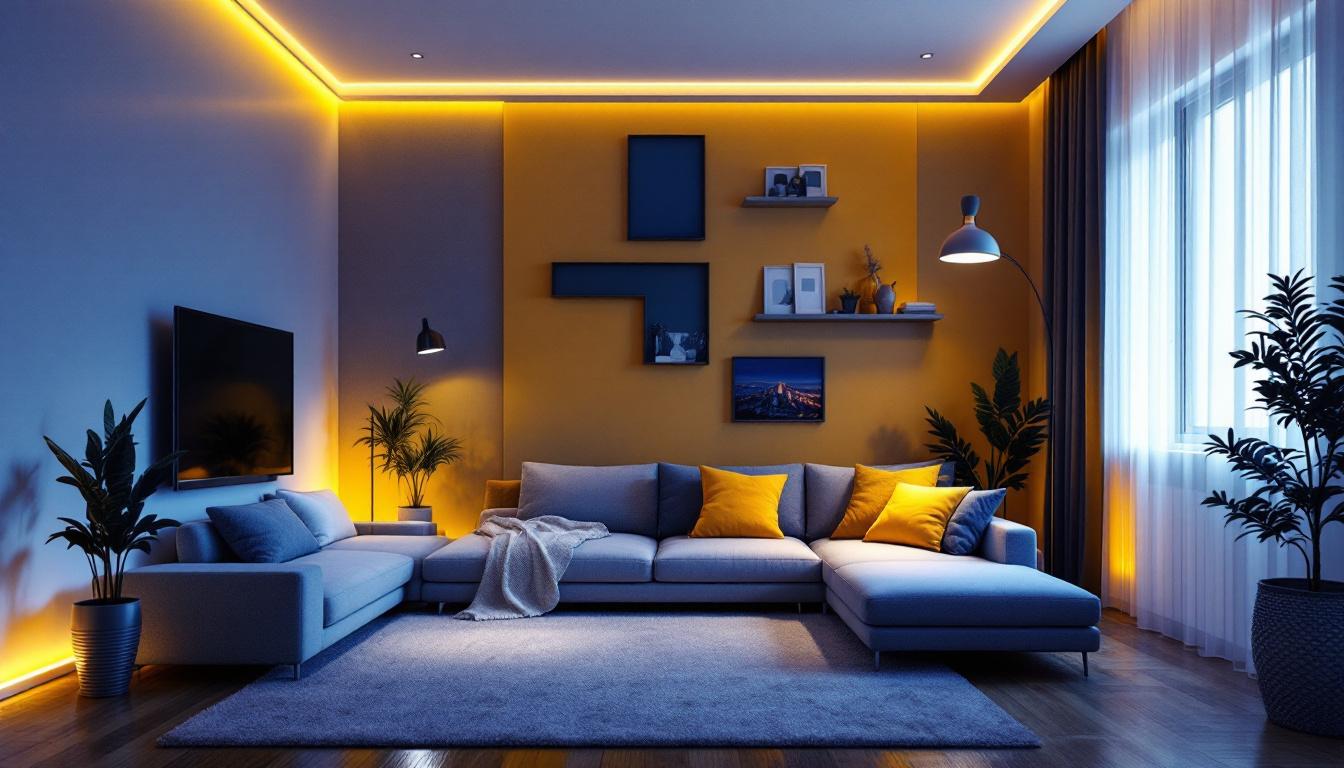
Moreover, the choice of decorative lamp bulbs can greatly influence the mood of a room. For instance, warm white bulbs can create a cozy and inviting atmosphere, ideal for living rooms and restaurants, while cooler tones may be more suitable for workspaces that require focus and clarity. Additionally, the use of dimmable decorative bulbs allows for versatility in lighting, enabling clients to adjust the brightness according to their needs or the time of day. This adaptability not only enhances the functionality of a space but also allows for a more personalized experience, catering to the preferences of the occupants.
Furthermore, the trend towards energy efficiency has led to the rise of smart decorative bulbs that can be controlled via smartphone apps or voice commands. These innovative solutions not only provide convenience but also allow for intricate lighting designs that can change with the seasons or specific events. For lighting contractors, staying abreast of these advancements is crucial, as clients increasingly seek out modern solutions that blend style with sustainability. By offering a range of decorative options that incorporate the latest technology, contractors can position themselves as leaders in the industry, meeting the evolving demands of their clientele while enhancing the overall aesthetic of any project.
Common Challenges Lighting Contractors Face with Decorative Lamp Bulbs
Compatibility Issues with Fixtures
One of the most frequent problems contractors encounter is the incompatibility between decorative bulbs and the fixtures they are installed in. Many decorative bulbs have non-standard bases or dimensions that may not fit properly into certain lamps or chandeliers. Additionally, some fixtures are designed for specific wattage or voltage ratings, and using bulbs outside these parameters can cause overheating or damage.
For example, installing a high-wattage decorative bulb in a fixture rated for lower wattage can lead to excessive heat buildup, which not only shortens the bulb’s lifespan but may also pose fire risks. Contractors must carefully check fixture specifications and ensure that the bulbs they select meet all necessary requirements. This often involves consulting with manufacturers or referring to detailed product documentation, which can be time-consuming but is crucial for ensuring safety and functionality.
Heat Management and Lifespan Concerns
Decorative bulbs, especially those with intricate filament designs or colored coatings, are often more sensitive to heat than standard bulbs. Poor heat dissipation can cause discoloration, cracking, or early burnout. Lighting contractors should be aware that even LED decorative bulbs, while more efficient, can suffer from heat-related issues if installed in enclosed or poorly ventilated fixtures.
Proper heat management involves selecting bulbs with appropriate thermal ratings and ensuring fixtures allow for adequate airflow. Ignoring these factors can lead to increased maintenance calls and dissatisfied clients. Furthermore, contractors may need to educate clients about the importance of bulb placement and the potential for heat accumulation in decorative fixtures, which can help set realistic expectations regarding the longevity and performance of the installed lighting solutions.
Electrical Compatibility and Dimming Issues
Many decorative bulbs are designed to be dimmable, but not all dimmers are compatible with every bulb type. Using incompatible dimmers can cause flickering, buzzing, or reduced bulb lifespan. Contractors must verify that the dimmer switches installed are compatible with the decorative bulbs chosen, especially when working with LED or specialty bulbs.
This compatibility extends beyond just the dimmer switches; it also includes the overall electrical system of the building. For instance, older homes may have outdated wiring or electrical systems that do not support modern lighting technologies, leading to further complications. Contractors often find themselves needing to upgrade electrical components or provide additional solutions to ensure that decorative lighting operates smoothly and efficiently. This additional layer of complexity requires not only technical knowledge but also effective communication with clients to explain potential upgrades and their associated costs.
Best Practices for Selecting Decorative Lamp Bulbs
Assessing Client Needs and Design Goals
Before selecting decorative bulbs, contractors should engage closely with clients to understand their design vision and functional requirements. Are the bulbs intended to create a warm, vintage ambiance? Or is energy efficiency and long lifespan the priority? Understanding these goals guides the selection process and helps avoid costly replacements or dissatisfaction later.
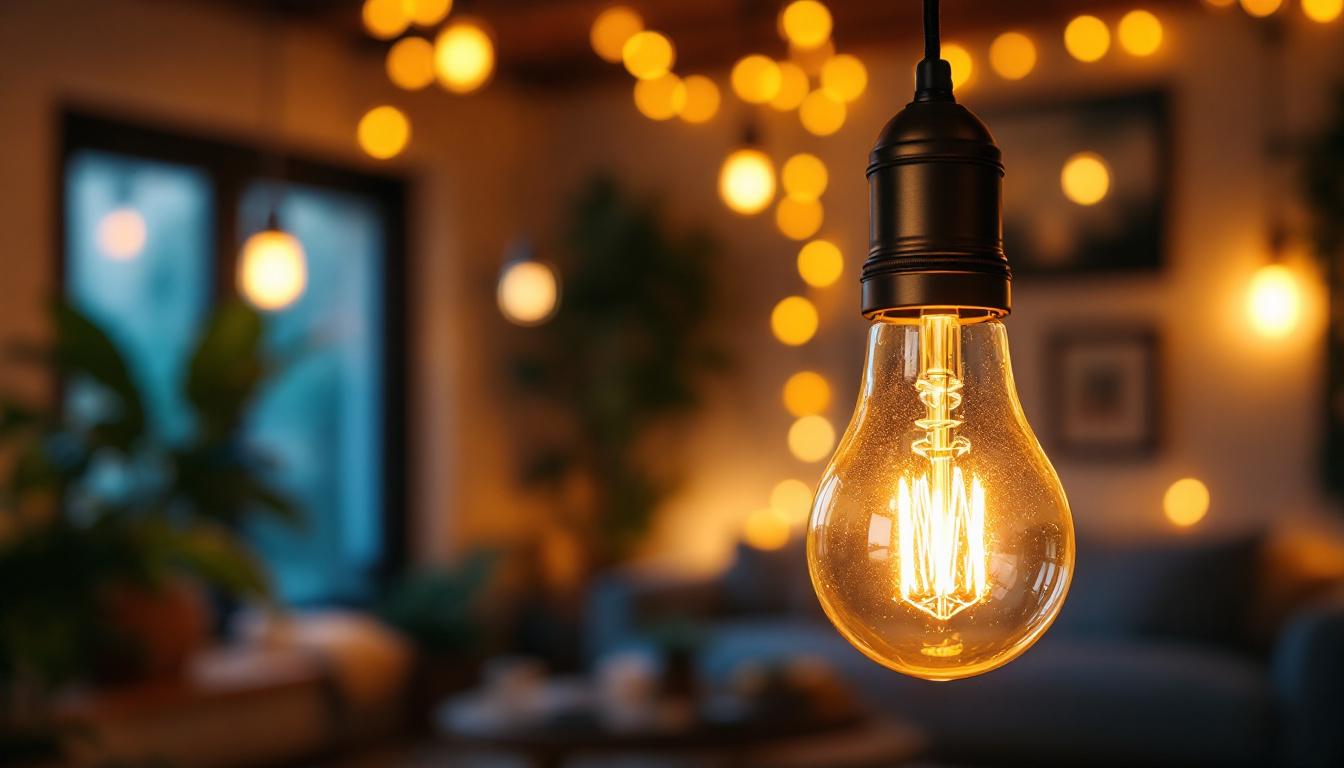
For instance, clients seeking a nostalgic look may prefer Edison-style filament LEDs that mimic the glow of incandescent bulbs but with better energy efficiency. Conversely, modern minimalist designs might benefit from sleek, frosted decorative bulbs that provide soft, diffused light.
Evaluating Bulb Specifications Thoroughly
Contractors should pay close attention to key bulb specifications such as:
- Wattage and Lumens: Ensuring the bulb provides sufficient brightness without exceeding fixture limits.
- Color Temperature: Choosing the right warmth or coolness of light to match the intended ambiance.
- Base Type and Size: Confirming compatibility with fixture sockets.
- Dimmability: Verifying whether the bulb supports dimming and which dimmers are compatible.
- Voltage and Certification: Ensuring bulbs meet local electrical standards and safety certifications.
Thorough specification review helps prevent installation errors and ensures long-term performance.
Prioritizing Quality and Reliability
While decorative bulbs can vary widely in price, contractors should prioritize quality over cost savings. Low-quality bulbs may initially appear attractive but often suffer from inconsistent light output, short lifespans, or safety issues. Partnering with reputable manufacturers and suppliers who provide warranties and technical support can safeguard against these risks.
Installation Tips to Avoid Common Issues
Proper Handling and Storage
Decorative bulbs are often more delicate than standard bulbs due to their intricate designs and coatings. Contractors should handle them carefully to avoid damaging filaments or glass surfaces. Additionally, bulbs should be stored in their original packaging in a dry, temperature-controlled environment to prevent moisture damage or premature aging.
Ensuring Correct Fixture Compatibility
Before installation, verify that the fixture is rated for the bulb’s wattage and size. If the bulb is larger or heavier than standard bulbs, ensure the fixture can support it without strain. For recessed or enclosed fixtures, confirm that the bulb’s heat rating is appropriate to avoid overheating.
Testing Electrical Compatibility
When installing dimmable decorative bulbs, test the dimmer switch with the bulb prior to finalizing the installation. This helps identify flickering or buzzing issues early. If problems arise, consider switching to a compatible dimmer or selecting a bulb designed for the existing dimmer system.
Secure and Clean Installation
Ensure bulbs are screwed in securely but not overtightened, which can cause damage. Clean bulbs with a soft cloth to remove fingerprints or dust that can affect light quality. Proper installation reduces the risk of early failure and maintains the bulb’s aesthetic appeal.
Maintenance and Troubleshooting for Decorative Lamp Bulbs
Routine Inspection and Cleaning
Regular maintenance helps extend the life of decorative bulbs. Contractors should advise clients to periodically inspect bulbs for signs of wear, discoloration, or flickering. Cleaning bulbs gently with a dry cloth removes dust buildup that can diminish light output.
Addressing Flickering and Dimming Problems
If flickering occurs, it may indicate an incompatible dimmer, loose connections, or faulty bulbs. Troubleshooting involves checking the dimmer specifications, tightening bulb sockets, and replacing bulbs with compatible models if necessary. Proper diagnosis prevents unnecessary replacements and client frustration.
Replacing Bulbs Correctly
When bulbs need replacement, contractors should use the exact specifications as the original to maintain consistency in appearance and performance. Advising clients on the importance of using quality replacements also helps avoid recurring issues.
Case Studies: Lessons from Real-World Projects
Project A: Residential Vintage Lighting Installation
In a high-end residential project, a lighting contractor selected vintage-style filament LED bulbs to complement antique fixtures. Initial installations faced premature bulb burnout due to heat buildup in enclosed glass shades. The contractor resolved the issue by switching to bulbs with lower wattage and better heat dissipation ratings, ensuring client satisfaction and reducing maintenance calls.
Project B: Commercial Hospitality Lighting
A hotel renovation involved installing colored decorative bulbs to create a unique ambiance in the lobby. Early flickering issues were traced back to incompatible dimmer switches. After consulting manufacturer guidelines, the contractor replaced dimmers with models specifically designed for LED bulbs, eliminating flicker and enhancing guest experience.
Conclusion: Proactive Strategies for Lighting Contractors
Decorative lamp bulbs offer tremendous opportunities to elevate lighting projects, but they require careful selection, installation, and maintenance to avoid common pitfalls. Lighting contractors who invest time in understanding bulb specifications, client needs, and fixture compatibility will deliver superior results that stand the test of time.
By prioritizing quality, verifying electrical compatibility, and adopting best installation practices, contractors can minimize issues such as premature failure, flickering, and heat damage. Ultimately, these proactive strategies not only enhance project outcomes but also build trust and long-term relationships with clients.
Illuminate Your Projects with LumenWholesale
Ready to enhance your lighting projects with the finest decorative lamp bulbs? Look no further than LumenWholesale, where we provide contractors with exceptional, spec-grade lighting solutions at the best wholesale prices. Say goodbye to unnecessary markups and hello to a vast selection of industry-standard, reliable lighting options. With free shipping on bulk orders, LumenWholesale is your go-to source for premium lighting without the hidden costs. Elevate your lighting game and create stunning, issue-free environments for your clients. Discover the perfect combination of quality, value, and convenience at Wholesale Lighting at the Best Value.