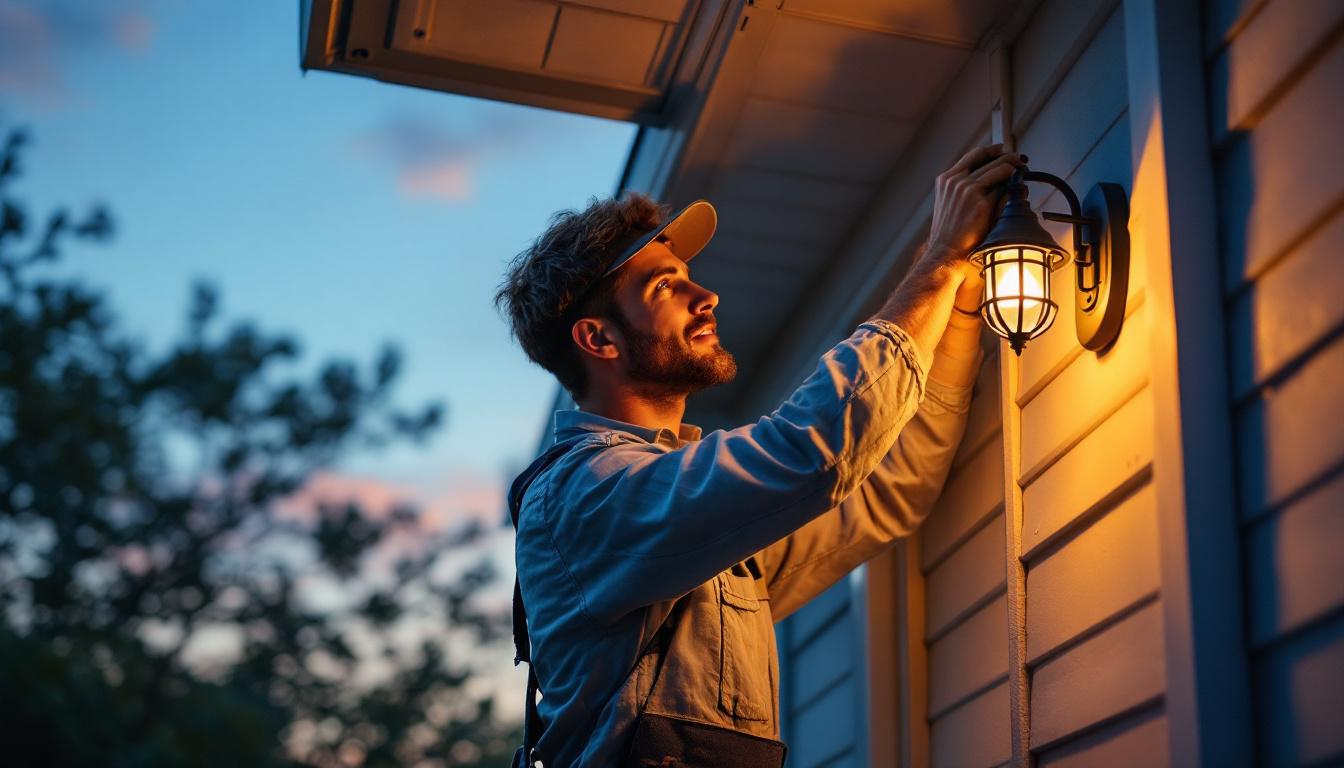
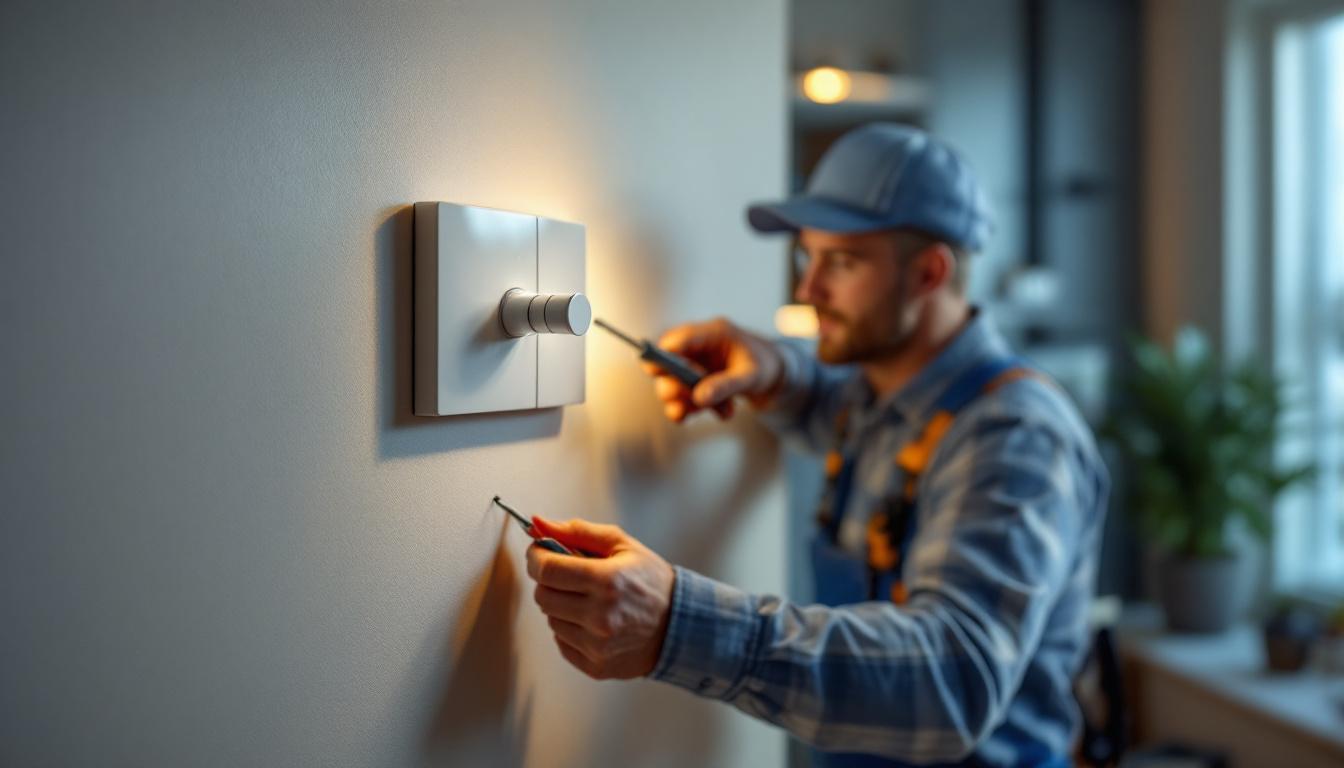
Porch lighting is a critical component of residential and commercial exterior design. Among the many options available, dawn to dusk porch lights have gained popularity due to their energy efficiency, convenience, and security benefits. These lights automatically turn on at dusk and off at dawn, providing consistent illumination without manual intervention. However, for lighting contractors, installing and maintaining dawn to dusk porch lights comes with a unique set of challenges. Understanding these hurdles is essential for delivering quality service, ensuring customer satisfaction, and maintaining a competitive edge in the industry.
Understanding Dawn To Dusk Porch Lighting Systems
Dawn to dusk lights typically rely on photocell sensors that detect ambient light levels to control the on/off function. This automation reduces energy waste and enhances safety by ensuring the porch area is well-lit during nighttime hours. They are commonly used in residential settings, commercial properties, and public spaces to improve visibility and deter crime. The convenience of these systems means homeowners no longer have to remember to turn on their lights at dusk or off at dawn, providing peace of mind and a seamless transition from day to night.
For lighting contractors, these systems offer an attractive product line to recommend to clients seeking low-maintenance and energy-efficient solutions. However, the integration of sensor technology, wiring considerations, and environmental factors can complicate installation and upkeep. Factors such as the geographic location, seasonal changes, and surrounding landscape can all influence how effectively these systems operate, making it essential for contractors to assess each installation site thoroughly.
Key Components and Their Functions
The core components of dawn to dusk porch lights include the light fixture itself, the photocell sensor, wiring, and the power source. The photocell sensor is usually mounted on the fixture or nearby and detects changes in natural light. When the sensor perceives darkness, it triggers the light to turn on; when it detects daylight, it switches the light off. This automatic response not only conserves energy but also extends the lifespan of the bulbs used, as they are not subjected to unnecessary on/off cycles.
Understanding the interplay of these components is crucial for contractors to diagnose issues, recommend appropriate products, and ensure the system functions as intended. Additionally, advancements in LED technology have made it possible to incorporate energy-efficient bulbs that consume less power while providing ample illumination. Many modern systems now also include smart technology features, allowing homeowners to control their lighting remotely or set schedules through mobile applications. This added functionality enhances user experience and opens up new possibilities for customization, making dawn to dusk porch lighting systems not just practical, but also a stylish addition to any home.
Challenge 1: Accurate Sensor Placement and Calibration
One of the most significant challenges contractors face is the proper placement and calibration of photocell sensors. The sensor’s effectiveness depends heavily on its ability to accurately detect ambient light without interference.
Improper sensor placement can lead to lights turning on during the day or failing to activate at night. For example, if the sensor is placed in a shaded area or near artificial light sources such as street lamps or neighboring property lights, it may misinterpret the environment’s brightness.
Environmental Influences on Sensor Performance
Environmental factors such as tree canopies, building shadows, or reflective surfaces can impact sensor readings. Contractors must evaluate the installation site carefully to avoid placing sensors where natural or artificial light conditions fluctuate unpredictably.
Additionally, seasonal changes can affect sensor performance. For instance, sensors that work well in summer might struggle in winter when daylight hours are shorter, or snow reflects additional light. Contractors need to account for these variations during installation and educate clients on potential adjustments.
Moreover, the geographical location of the installation site can play a crucial role in sensor performance. Areas closer to the equator experience more consistent daylight hours throughout the year, while regions further north or south may have significant variations in daylight duration and intensity. This means that contractors must not only consider local weather patterns but also the specific latitude of the installation site to ensure optimal sensor functionality. Understanding these geographical nuances can help in selecting the right type of sensor and determining the best calibration settings for each unique environment.
Furthermore, the technology behind photocell sensors is continually evolving, with newer models featuring advanced algorithms that can adapt to changing light conditions more effectively. Contractors should stay informed about the latest developments in sensor technology, as these advancements can offer improved reliability and efficiency. By investing in high-quality sensors and staying up-to-date with industry trends, contractors can enhance their installations and provide clients with systems that perform consistently well, regardless of external conditions.
Challenge 2: Electrical Wiring and Compatibility Issues
Electrical wiring presents another common challenge. Dawn to dusk porch lights must be wired correctly to the building’s electrical system to function safely and reliably. Faulty wiring can cause intermittent operation, electrical hazards, or damage to the fixture and sensor.
Contractors often encounter compatibility issues between the light fixtures, photocell sensors, and existing electrical infrastructure. For example, some older homes may have outdated wiring that is incompatible with modern sensor technology or LED fixtures.
Ensuring Compliance with Electrical Codes
Compliance with local electrical codes and standards is non-negotiable. Contractors must stay updated on regulations governing outdoor lighting installations, including grounding requirements, circuit protection, and weatherproofing.
Using weather-resistant wiring and junction boxes is essential to prevent moisture intrusion, which can lead to shorts or corrosion. Additionally, contractors should verify that the electrical load of the new fixtures does not exceed circuit capacity, avoiding potential overloads.
Challenge 3: Product Quality and Longevity Concerns
The durability and quality of dawn to dusk porch lights vary widely across manufacturers and models. Contractors must select products that balance cost with performance, longevity, and ease of maintenance.
Low-quality fixtures may fail prematurely due to exposure to the elements, leading to frequent callbacks and dissatisfied customers. Photocell sensors, in particular, can degrade over time, causing erratic operation.
Evaluating Product Specifications and Warranties
Contractors should scrutinize product specifications such as IP ratings (Ingress Protection), which indicate resistance to dust and water. A higher IP rating is preferable for outdoor fixtures exposed to rain, snow, and dust.
Warranties provide insight into manufacturer confidence and product reliability. Choosing fixtures with comprehensive warranties can protect contractors and clients from unexpected failures.
Challenge 4: Energy Efficiency and Cost Management
Energy efficiency is a primary selling point for dawn to dusk porch lights, but achieving optimal efficiency requires careful product selection and system design. LED fixtures are commonly paired with photocell sensors to minimize energy consumption.
However, contractors must balance upfront costs with long-term savings. High-efficiency fixtures and sensors may have higher initial prices, which can deter budget-conscious clients.
Educating Clients on Total Cost of Ownership
Contractors play a vital role in educating clients about the total cost of ownership, including energy savings, maintenance costs, and fixture lifespan. Demonstrating how energy-efficient lighting reduces utility bills over time can justify higher initial investments.
Additionally, incorporating timers or smart controls alongside photocell sensors can further optimize energy use, though these add complexity to the installation.
Challenge 5: Weather and Environmental Durability
Outdoor lighting fixtures must withstand a variety of weather conditions, including rain, snow, wind, and temperature extremes. Dawn to dusk porch lights are particularly vulnerable because their sensors and electrical components are exposed to the elements.
Contractors must select fixtures designed for durability and ensure proper sealing and mounting to prevent moisture intrusion and mechanical damage.
Mitigating Environmental Risks
Using corrosion-resistant materials such as aluminum or stainless steel can extend fixture life. Additionally, applying protective coatings and ensuring tight seals around sensor housings can prevent water damage.
Contractors should also consider the impact of wind loads and potential physical impacts, securing fixtures firmly to avoid loosening or breakage.
Challenge 6: Client Expectations and Communication
Managing client expectations is a critical yet often overlooked challenge. Clients may expect dawn to dusk porch lights to operate flawlessly without understanding the limitations and maintenance requirements of sensor-based systems.
For example, clients might be frustrated if lights occasionally turn on during daylight due to sensor sensitivity or environmental factors. They may also expect instant illumination at dusk, whereas sensors may have slight delays or require adjustment.
Providing Clear Guidance and Support
Contractors should provide thorough explanations about how dawn to dusk systems work, potential issues, and maintenance tips. Offering written materials or demonstrations can enhance client understanding and satisfaction.
Establishing a clear communication channel for troubleshooting and support encourages clients to reach out before problems escalate, reducing callbacks and enhancing reputation.
Challenge 7: Integration with Smart Home Systems
As smart home technology becomes more prevalent, clients increasingly request porch lighting that integrates with home automation systems. While dawn to dusk lights offer automation through photocell sensors, integrating them with smart controls adds complexity.
Contractors must navigate compatibility issues between traditional photocell systems and smart hubs, voice assistants, or mobile apps. This integration often requires additional hardware such as smart switches or modules.
Balancing Automation and Reliability
While smart integration offers enhanced control and customization, it can introduce new failure points and require more sophisticated troubleshooting. Contractors must weigh the benefits against potential complications and ensure clients understand the trade-offs.
Providing options for hybrid systems that combine photocell sensors with smart controls can offer the best of both worlds, but require careful design and installation expertise.
Conclusion
Dawn to dusk porch lights represent a valuable offering for lighting contractors aiming to provide energy-efficient, convenient, and secure outdoor lighting solutions. However, successful installation and maintenance demand careful attention to sensor placement, wiring, product quality, environmental durability, and client communication.
By understanding and proactively addressing these challenges, contractors can enhance the reliability and performance of dawn to dusk porch lighting systems, leading to satisfied clients and a strong reputation in the competitive lighting market.
Staying informed about evolving technologies, local codes, and best practices will empower contractors to deliver superior results and capitalize on the growing demand for automated outdoor lighting solutions.
Illuminate Your Projects with LumenWholesale
Ready to overcome the challenges of dawn to dusk porch lighting installations and exceed your clients’ expectations? At LumenWholesale, we provide lighting contractors with the highest quality, spec-grade lighting products at unmatched wholesale prices. Say goodbye to the middleman and hello to superior lighting solutions that meet rigorous industry standards. With our hassle-free bulk buying and free shipping, you can trust that you’re getting premium lighting at the best value — every time. Elevate your lighting projects today by visiting Wholesale Lighting at the Best Value and discover the LumenWholesale difference.