Understanding Construction Strobes: What They Are and Why They Matter
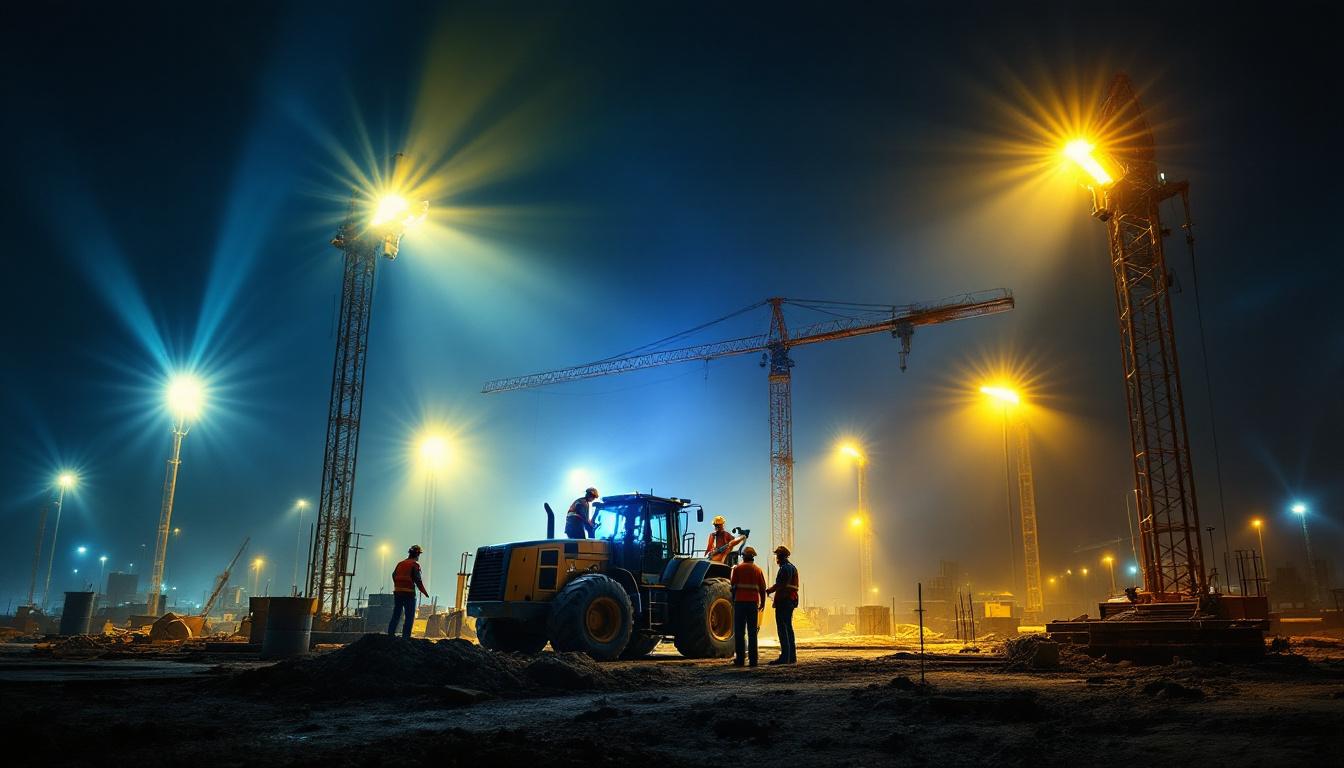
Construction strobes are specialized lighting devices designed to enhance safety and visibility on construction sites. Unlike standard lighting solutions, strobes emit intense, flashing bursts of light that can be seen from long distances and through various weather conditions. This unique characteristic makes them indispensable for alerting workers, drivers, and pedestrians to potential hazards.
For lighting contractors, understanding the nuances of construction strobes is crucial. These devices not only improve site safety but also help contractors comply with regulatory standards. Their application ranges from marking heavy machinery and vehicles to delineating hazardous zones and guiding traffic flow around construction areas.
Why Are Construction Strobes Essential on Job Sites?
Construction sites are inherently risky environments with numerous moving parts and heavy equipment. Visibility plays a pivotal role in preventing accidents. Strobes serve as a visual warning system that grabs attention quickly, even in low-light or foggy conditions. Their high-intensity flashes can penetrate dust and rain, conditions commonly encountered on outdoor construction projects.
Moreover, strobes contribute to regulatory compliance. Many occupational safety standards require the use of warning lights to alert workers and the public to potential dangers. Lighting contractors must ensure that the strobes installed meet these standards to avoid penalties and enhance overall safety.
In addition to their safety benefits, construction strobes can also serve a dual purpose by enhancing the overall efficiency of a project. By clearly marking the boundaries of work zones and signaling the presence of equipment, they help streamline operations and reduce the risk of costly delays caused by accidents. This is particularly important in urban environments where space is limited and the potential for pedestrian interference is high. The strategic placement of strobes can guide traffic effectively, allowing for smoother transitions around the construction site and minimizing disruptions to the surrounding community.
Furthermore, advancements in technology have led to the development of more sophisticated strobe systems that can be integrated with other safety measures, such as cameras and sensors. These modern strobes can be programmed to adjust their intensity based on environmental conditions or to work in tandem with other warning signals, creating a comprehensive safety network on job sites. This integration not only enhances the visibility of hazards but also provides real-time data to project managers, allowing for quicker response times in emergency situations.
Types of Construction Strobes: Choosing the Right One for Your Project
There are several types of construction strobes available, each tailored for specific applications and environments. Selecting the appropriate strobe depends on factors such as site conditions, visibility requirements, power sources, and mounting options.
LED vs. Xenon Strobes
LED strobes have become increasingly popular due to their energy efficiency, longer lifespan, and durability. They consume less power and generate less heat, making them suitable for prolonged use on job sites. Additionally, LED strobes offer consistent brightness and can be programmed for various flash patterns. Their compact size allows for versatile placement, whether on scaffolding, vehicles, or temporary structures, ensuring that they can adapt to the changing dynamics of a construction site.
On the other hand, Xenon strobes produce extremely bright, intense flashes by discharging electrical energy through a gas-filled tube. While they may consume more power and have shorter lifespans compared to LEDs, Xenon strobes are highly effective in applications requiring maximum brightness and visibility over long distances. This makes them particularly useful in outdoor settings or during adverse weather conditions, where their penetrating light can cut through fog, rain, or dust, ensuring that workers and vehicles are alerted to potential hazards.
Portable vs. Fixed Strobes
Portable strobes are designed for flexibility and ease of relocation. They are commonly used on vehicles, temporary barriers, or mobile equipment. Their compact size and rechargeable batteries make them ideal for dynamic work environments where lighting needs frequently change. Many portable strobes also come equipped with magnetic bases or hooks, allowing for quick attachment to various surfaces, which is invaluable during emergency situations or when immediate visibility is required.
Fixed strobes are mounted permanently on structures, poles, or machinery. These are suitable for long-term projects or areas where consistent warning signals are necessary. Fixed strobes often have higher power ratings and may be integrated into broader site lighting systems. Additionally, they can be equipped with advanced features such as motion sensors or timers, which enhance their functionality by ensuring that they operate only when needed, thereby conserving energy and reducing operational costs. This integration can also improve site safety by providing a reliable visual alert system that is always in place, reducing the chances of accidents and ensuring compliance with safety regulations.
Installation Best Practices: Ensuring Optimal Performance and Safety
Proper installation of construction strobes is vital to maximize their effectiveness. Lighting contractors must consider placement, power supply, and environmental factors during installation.
Strategic Placement for Maximum Visibility
Strobes should be installed at locations where they can be easily seen by all relevant parties. This includes entrances and exits, around heavy machinery, along traffic routes, and near hazardous zones. The height and angle of the strobe also influence visibility; mounting strobes too low or behind obstacles can reduce their effectiveness.
Contractors should conduct thorough site assessments to identify potential blind spots and adjust strobe placement accordingly. Using multiple strobes in critical areas can enhance visibility and provide redundant warnings.
Power Supply Considerations
Construction strobes can be powered by batteries, solar panels, or direct electrical connections. Battery-powered units offer portability but require regular maintenance and charging. Solar-powered strobes are environmentally friendly and reduce the need for wiring but depend on adequate sunlight exposure.
Direct electrical connections provide reliable power for fixed installations but may involve more complex wiring and safety considerations. Lighting contractors must evaluate the site’s power infrastructure and select the most appropriate option to ensure uninterrupted operation.
Common Questions from Lighting Contractors About Construction Strobes
Lighting contractors frequently encounter specific questions when working with construction strobes. Addressing these inquiries helps ensure that installations meet safety standards and client expectations.
How Bright Should Construction Strobes Be?
The brightness of construction strobes is measured in candela (cd). Regulatory guidelines often specify minimum brightness levels depending on the application. For example, strobes used on vehicles may require a minimum of 75 cd, while those marking stationary hazards might need higher intensity to be visible from greater distances.
Contractors should consult local regulations and industry standards to determine the appropriate brightness. Overly bright strobes can cause glare and distraction, while insufficient brightness may fail to provide adequate warning.
What Flash Patterns Are Most Effective?
Strobes can emit various flash patterns, such as steady, single flash, double flash, or rotating sequences. The choice of pattern impacts how quickly and effectively the warning is perceived.
Studies indicate that alternating or double-flash patterns tend to attract more attention than steady or single flashes. However, the optimal pattern may vary based on site conditions and the presence of other lighting sources. Many modern LED strobes allow customization of flash patterns to suit specific needs.
Are There Specific Regulations Governing Construction Strobes?
Yes, construction strobes are subject to regulations from occupational safety agencies and transportation authorities. These regulations specify requirements for color, brightness, flash patterns, and placement to ensure consistency and effectiveness.
For instance, amber or yellow strobes are commonly mandated for construction zones to signal caution, while red strobes might be reserved for emergency situations. Lighting contractors must stay informed about relevant codes and standards to ensure compliance and avoid liability.
Maintenance and Troubleshooting: Keeping Construction Strobes Operational
Regular maintenance is essential to ensure construction strobes remain functional and effective throughout the duration of a project.
Routine Inspection and Cleaning
Dust, dirt, and debris can accumulate on strobe lenses, reducing light output and visibility. Contractors should schedule routine inspections to clean lenses and check for physical damage. Ensuring that mounting brackets are secure and wiring connections are intact helps prevent operational failures.
Battery and Power System Checks
For battery or solar-powered strobes, monitoring battery health and charge levels is critical. Batteries degrade over time and may need replacement to maintain performance. Solar panels should be kept free of obstructions and cleaned to maximize energy absorption.
Troubleshooting Common Issues
Common problems with construction strobes include flickering, failure to flash, or complete outage. These issues can stem from wiring faults, damaged components, or depleted power sources. Lighting contractors should be equipped with diagnostic tools and replacement parts to address these problems promptly, minimizing downtime and maintaining site safety.
Emerging Trends and Innovations in Construction Strobes
The construction industry continually evolves, and so do the technologies used to enhance site safety. Lighting contractors should be aware of emerging trends to provide cutting-edge solutions to their clients.
Smart Strobes and IoT Integration
Advancements in smart technology have led to the development of strobes integrated with Internet of Things (IoT) capabilities. These smart strobes can be monitored and controlled remotely, allowing real-time status updates and adjustments to flash patterns or brightness. This connectivity enhances maintenance efficiency and site safety management.
Energy-Efficient and Sustainable Solutions
With increasing emphasis on sustainability, energy-efficient strobes powered by advanced LEDs and renewable energy sources are gaining traction. Lighting contractors are incorporating solar-powered units with battery storage to reduce environmental impact and operational costs.
Enhanced Visibility Features
New designs incorporate multi-directional lighting, adjustable intensity, and color-changing capabilities to adapt to varying site conditions. These features improve the strobes’ effectiveness in complex environments and during different times of the day.
Conclusion: Empowering Lighting Contractors with Knowledge
Construction strobes play a vital role in safeguarding construction sites by providing clear, visible warnings to workers and the public. For lighting contractors, a deep understanding of the types, installation practices, regulatory requirements, and maintenance of these devices is essential to delivering effective safety solutions.
By staying informed about the latest technologies and best practices, contractors can enhance their service offerings, ensure compliance, and contribute to safer construction environments. Whether selecting the right strobe for a project or troubleshooting operational issues, knowledge remains the cornerstone of success in this specialized field.
Get Your Construction Strobes at LumenWholesale
Ready to elevate the safety and efficiency of your construction sites with the best strobes in the market? Look no further than LumenWholesale for all your lighting needs. Our extensive selection of construction strobes meets the highest industry standards, ensuring you get reliable, high-performance lighting at unbeatable wholesale prices. Say goodbye to local distributor markups and hello to hassle-free bulk buying with free shipping. Don’t compromise on quality or value — discover wholesale lighting at the best value today and light up your projects with confidence.