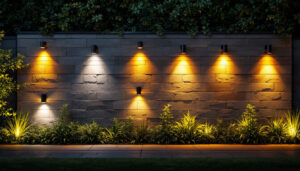
In the ever-evolving landscape of construction, the importance of effective lighting cannot be overstated. For lighting contractors, understanding the nuances of construction LED lights is essential to delivering optimal solutions for clients. This article delves into expert advice on selecting, installing, and maintaining LED lights specifically tailored for construction environments.
Understanding LED Technology
LED (Light Emitting Diode) technology has revolutionized the lighting industry, offering numerous advantages over traditional lighting options. For lighting contractors, a solid grasp of how LEDs work and their benefits can enhance project outcomes.
How LEDs Work
LEDs function by passing an electrical current through a semiconductor material, which then emits light. This process is highly efficient, converting a greater percentage of energy into light rather than heat, as is common with incandescent bulbs. Understanding this fundamental principle allows contractors to appreciate the energy savings and longevity that LEDs provide. The semiconductor materials used in LEDs, such as gallium arsenide or gallium phosphide, play a crucial role in determining the color and intensity of the light emitted. This versatility in light quality allows for tailored lighting solutions that can meet the specific needs of various projects.
Benefits of LED Lights in Construction
One of the most significant advantages of using LED lights in construction is their energy efficiency. LEDs consume up to 80% less energy than traditional incandescent bulbs, which can lead to substantial cost savings over time. Additionally, their long lifespan—often exceeding 25,000 hours—reduces the frequency of replacements, minimizing downtime on job sites. This longevity not only translates to lower maintenance costs but also contributes to a more sustainable approach to construction, aligning with modern green building practices.
Moreover, LEDs offer superior durability, making them ideal for the rigors of construction environments. They are resistant to shocks, vibrations, and extreme temperatures, which is crucial when working in diverse conditions. This resilience ensures that lighting remains reliable throughout the duration of a project. Furthermore, the compact size of LEDs allows for innovative design possibilities, enabling contractors to incorporate lighting in spaces where traditional fixtures may not fit. This flexibility can enhance both functionality and aesthetics, allowing for creative lighting solutions that improve the overall ambiance of a construction site.
Another noteworthy aspect of LED technology is its ability to provide instant illumination without warm-up time, which is particularly beneficial in environments where immediate visibility is essential. This feature enhances safety on construction sites, allowing workers to see clearly as soon as the lights are turned on. Additionally, the dimmability of many LED fixtures offers further control over lighting levels, enabling contractors to adjust brightness according to specific tasks or preferences, thereby improving both comfort and productivity on the job site.
Selecting the Right LED Lights
Choosing the appropriate LED lights for a construction project requires careful consideration of several factors. Lighting contractors must assess the specific needs of each job site to ensure optimal performance and safety.
Brightness and Color Temperature
Brightness is measured in lumens, and selecting the right lumen output is vital for effective illumination. In construction settings, where visibility is paramount, higher lumen outputs are often necessary. For instance, areas requiring detailed work may benefit from lights that emit between 3,000 to 5,000 lumens.
Color temperature, measured in Kelvin (K), also plays a crucial role in the effectiveness of construction lighting. A cooler color temperature (above 4,000K) can enhance visibility and reduce eye strain, making it ideal for detailed tasks. Conversely, warmer temperatures (below 3,000K) may create a more comfortable atmosphere for general work areas. It’s important to note that the choice of color temperature can also influence the perception of space; cooler lights can make areas feel more expansive and alert, while warmer lights can create a cozy, inviting environment, which can be beneficial during long work hours.
Fixture Types and Applications
Different types of LED fixtures serve various applications on construction sites. For instance, portable LED work lights are essential for illuminating specific areas, while floodlights can provide broad coverage for outdoor tasks. Understanding the unique requirements of each project will guide contractors in selecting the most suitable fixtures.
Additionally, task lighting should not be overlooked. Adjustable LED lights can provide focused illumination for intricate work, ensuring that workers have the visibility they need to perform safely and efficiently. Moreover, integrating smart lighting solutions can further enhance the functionality of construction lighting. With the advent of technology, some LED fixtures now come equipped with sensors that adjust brightness based on ambient light levels or motion detection, ensuring energy efficiency and reducing operational costs. This adaptability not only optimizes lighting conditions but also contributes to a safer work environment by ensuring that areas are well-lit when needed, thus minimizing the risk of accidents.
Installation Best Practices
Proper installation of LED lights is crucial for maximizing their performance and longevity. Lighting contractors must adhere to best practices to ensure that installations are safe, effective, and compliant with local regulations.
Planning the Layout
Before installation, a comprehensive lighting plan should be developed. This plan should consider the layout of the work area, the tasks being performed, and the specific lighting requirements for each zone. A well-thought-out layout can prevent dark spots and ensure even illumination across the site.
Moreover, contractors should take into account the height and angle of fixtures. Installing lights at the correct height can significantly impact the quality of illumination. For instance, mounting lights too high may result in insufficient brightness, while lights positioned too low can create glare or shadows. It’s also essential to consider the color temperature of the LEDs, as different temperatures can affect visibility and mood. Warmer tones may be more suitable for relaxation areas, while cooler tones can enhance focus in workspaces.
Safety Considerations
Safety is paramount in construction, and lighting installation is no exception. Contractors must ensure that all electrical connections are secure and that fixtures are installed in compliance with safety standards. Using weatherproof fixtures for outdoor applications can also mitigate risks associated with exposure to the elements.
Additionally, proper cable management is essential. Loose or exposed wires can pose tripping hazards and increase the risk of electrical accidents. Implementing effective cable management strategies will enhance site safety and maintain a professional appearance. Furthermore, contractors should conduct regular safety audits during the installation process to identify potential hazards early on. Training staff on the proper handling of tools and equipment used in lighting installation can also significantly reduce the likelihood of accidents, ensuring a safer working environment for everyone involved.
Maintenance and Troubleshooting
Regular maintenance of LED lights is vital to ensure their longevity and optimal performance. Lighting contractors should establish a maintenance schedule that includes routine inspections and cleaning.
Routine Inspections
Conducting routine inspections allows contractors to identify potential issues before they escalate. Checking for signs of wear, such as flickering lights or discoloration, can indicate that a fixture may need replacement. Additionally, ensuring that all connections are secure can prevent electrical failures.
During inspections, it is also essential to assess the overall condition of the lighting system. This includes checking for any obstructions that may block light output, such as dust or debris. Keeping fixtures clean will enhance their efficiency and prolong their lifespan.
Troubleshooting Common Issues
Despite their durability, LED lights can experience issues. Common problems include flickering, dimming, or complete failure. Understanding the potential causes of these issues can aid in effective troubleshooting.
Flickering lights may indicate loose connections or incompatible dimmer switches. In contrast, dimming can occur if the power supply is insufficient. Identifying these issues promptly can save time and resources, allowing contractors to maintain a high standard of service.
Innovations in LED Lighting
The LED lighting industry is continuously evolving, with new technologies emerging that can further enhance construction lighting solutions. Staying informed about these innovations can provide contractors with a competitive edge.
Smart Lighting Solutions
Smart lighting systems offer advanced features such as remote control, scheduling, and dimming capabilities. These systems can be integrated into construction sites to provide flexible lighting solutions that adapt to changing conditions. For instance, lights can be programmed to turn on or off automatically based on occupancy, reducing energy consumption.
Moreover, smart lighting can enhance safety by providing real-time monitoring and alerts for any issues. This proactive approach allows contractors to address problems swiftly, minimizing disruptions to the workflow.
Energy Management Systems
Energy management systems (EMS) are becoming increasingly popular in construction projects. These systems monitor energy usage in real-time, allowing contractors to identify inefficiencies and optimize their lighting solutions. By analyzing data, contractors can make informed decisions about when and where to use lighting, further reducing energy costs.
Conclusion
In conclusion, construction LED lights offer significant advantages for lighting contractors, including energy efficiency, durability, and versatility. By understanding the technology, selecting the right fixtures, adhering to installation best practices, and maintaining systems effectively, contractors can provide exceptional lighting solutions that enhance safety and productivity on job sites.
Moreover, staying abreast of innovations in LED technology, such as smart lighting and energy management systems, can further elevate the quality of service offered to clients. As the construction industry continues to evolve, embracing these advancements will ensure that lighting contractors remain at the forefront of their field.
Ultimately, the right lighting can transform a construction site, creating a safer and more efficient working environment. By applying the expert advice outlined in this article, lighting contractors can navigate the complexities of LED lighting with confidence and expertise.
Illuminate Your Projects with LumenWholesale
Ready to elevate your construction lighting with the efficiency, durability, and versatility of LED technology? Look no further than LumenWholesale for all your lighting needs. We provide contractors with the highest quality, spec-grade lighting products at unbeatable wholesale prices, ensuring you get the best value for your investment. Say goodbye to local distributor markups and hello to premium lighting with free shipping on bulk orders. Don’t compromise on quality or price. Visit LumenWholesale today and experience the ideal combination of quality, affordability, and convenience for your next project.