Understanding Colored Flood Light Bulbs: Basics and Benefits
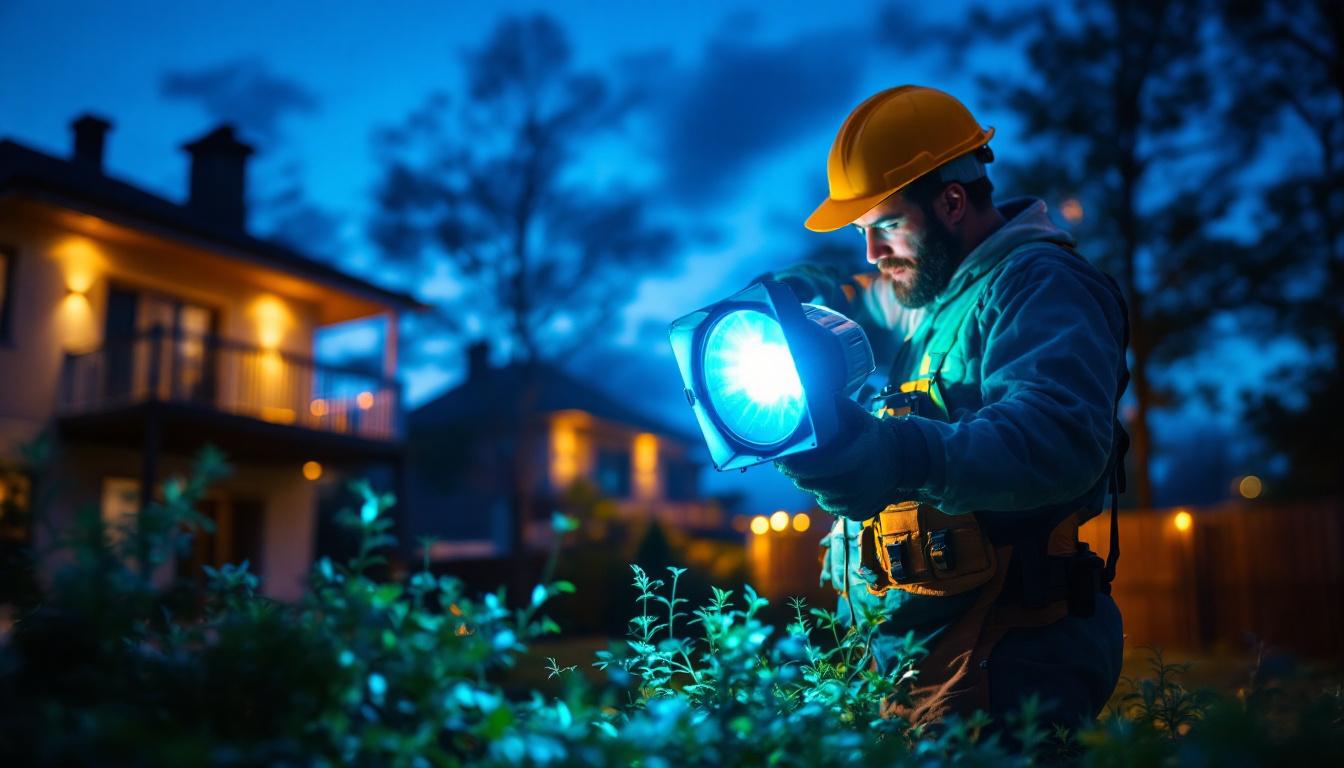
Colored flood light bulbs have become an essential tool in the lighting contractor’s arsenal, offering versatile applications across commercial, residential, and entertainment settings. Unlike traditional white flood lights, colored bulbs provide the ability to create mood, highlight architectural features, and enhance outdoor spaces with vibrant hues. These lights can transform an ordinary space into an extraordinary one, allowing for creativity and personalization in design.
For lighting contractors, understanding the fundamentals of colored flood light bulbs is crucial. These bulbs come in various types, including LED, halogen, and incandescent, each with distinct characteristics affecting color quality, energy efficiency, and lifespan. LED colored flood lights, for example, are increasingly preferred due to their low power consumption, durability, and ability to produce saturated colors without filters. This makes them ideal for both temporary installations and long-term use, particularly in settings where maintenance access may be challenging.
Beyond aesthetics, colored flood lights serve functional purposes such as safety signaling, event lighting, and seasonal decorations. Their ability to draw attention or create ambiance makes them invaluable for projects ranging from stadiums and parks to retail storefronts and private gardens. For instance, during holiday seasons, colored flood lights can be used to create festive displays that attract customers and enhance the shopping experience, while in outdoor venues, they can set the mood for concerts or community events, making them a vital component of event planning.
Types of Colored Flood Light Bulbs
Lighting contractors should be familiar with the main types of colored flood light bulbs available:
- LED Colored Flood Lights: Known for energy efficiency and long lifespan, LEDs offer precise color control and minimal heat output. They are also available in a range of colors and can be dimmed or programmed for dynamic lighting effects, making them suitable for both static displays and interactive installations.
- Halogen Colored Flood Lights: Provide bright, intense light but consume more energy and generate more heat than LEDs. These bulbs are often favored for their excellent color rendering capabilities, making them ideal for applications where true color representation is crucial, such as in art galleries or fashion shows.
- Incandescent Colored Flood Lights: Traditional bulbs often coated with colored glass or filters; less energy-efficient and shorter-lived. While they may not be the first choice for energy-conscious projects, their warm glow can create a cozy atmosphere in residential settings, especially during gatherings and celebrations.
Each type has its place depending on project requirements, budget constraints, and desired lighting effects. Additionally, the choice of colored flood light bulbs can significantly impact the overall design and functionality of a space, making it essential for contractors to consider the specific needs of their clients and the intended use of the lighting. Understanding the nuances of each type can also help in making informed decisions that enhance both aesthetic appeal and practical application.
Key Considerations When Selecting Colored Flood Light Bulbs
Lighting contractors must weigh several factors to ensure optimal performance and client satisfaction when choosing colored flood light bulbs. These include color accuracy, brightness, durability, energy consumption, and compatibility with existing fixtures.
Color Rendering and Accuracy
Color rendering index (CRI) is a critical metric that measures how accurately a light source reveals the colors of objects compared to natural light. While colored flood lights inherently alter color perception, maintaining a high CRI in white or mixed lighting environments is important to avoid distorting surrounding colors.
LED bulbs typically offer better color consistency and saturation, which is vital for applications like retail displays or theatrical lighting where precise color representation is necessary. Additionally, the choice of color temperature can influence the overall ambiance; for instance, warmer tones can create a cozy atmosphere, while cooler tones may evoke a more modern or clinical feel. Understanding the psychological impact of color in lighting can further enhance the effectiveness of the installation.
Brightness and Beam Angle
Brightness, measured in lumens, should be carefully matched to the intended use. Flood lights generally have wide beam angles (typically 60° to 120°) to cover large areas evenly. Colored bulbs may produce lower lumen output than their white counterparts, so contractors should select bulbs with sufficient brightness to achieve desired effects without overloading fixtures.
Moreover, the beam angle can significantly affect how light is distributed in a space. A narrow beam angle can create dramatic highlights and shadows, ideal for accentuating architectural features or artwork, while a wider beam angle is more suited for general illumination in outdoor spaces or large gatherings. Understanding the interplay between brightness and beam angle can help contractors create dynamic lighting designs that enhance the visual experience.
Durability and Weather Resistance
Outdoor installations require bulbs that withstand environmental factors such as moisture, temperature fluctuations, and UV exposure. Many colored flood light bulbs come with IP65 or higher ratings, indicating protection against dust and water jets. Selecting bulbs with robust housing and sealed connectors ensures longevity and reduces maintenance costs.
In addition to IP ratings, contractors should consider the materials used in the construction of the bulbs. For example, polycarbonate lenses are often more resistant to impact and shattering compared to glass, making them a safer choice for outdoor applications. Furthermore, understanding the local climate can guide the selection of bulbs that can endure extreme conditions, ensuring that the lighting remains consistent and reliable throughout the year.
Energy Efficiency and Cost Considerations
Energy consumption is a significant factor for clients looking to reduce operational costs. LEDs dominate in this category, offering up to 80% energy savings over incandescent bulbs. Although initial costs may be higher, the extended lifespan and reduced electricity bills make LEDs a cost-effective choice in the long run.
Additionally, many utility companies offer rebates or incentives for the installation of energy-efficient lighting solutions, which can further offset initial expenses. Contractors should stay informed about these programs to provide clients with comprehensive cost-saving options. Moreover, the integration of smart lighting systems can enhance energy efficiency by allowing for automated scheduling and remote control, ensuring that lights are only used when necessary, thereby maximizing savings.
Compatibility with Fixtures and Controls
Contractors must verify that colored bulbs fit existing flood light fixtures and are compatible with dimmers or smart lighting controls if used. Some colored LEDs require specific drivers or controllers to manage color changes and intensity smoothly.
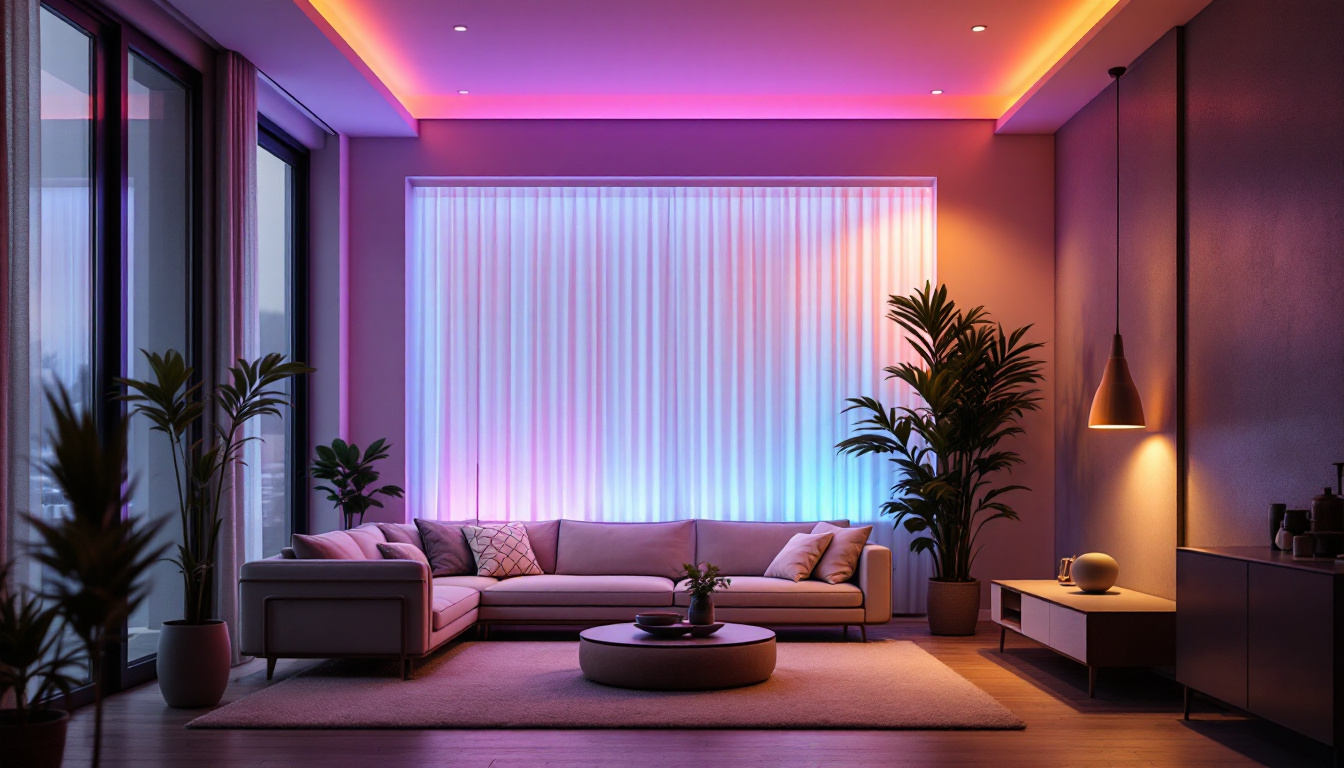
Furthermore, understanding the technological advancements in lighting controls can open up new possibilities for creative installations. For instance, programmable RGB controllers allow users to customize colors and effects for different occasions, making them ideal for events or seasonal decorations. By leveraging these technologies, contractors can offer clients more versatile lighting solutions that adapt to their changing needs and preferences.
Applications and Installation Best Practices
Colored flood light bulbs are used in diverse environments, each with unique installation and performance demands. Understanding these applications helps contractors recommend the right products and techniques.
Architectural and Landscape Lighting
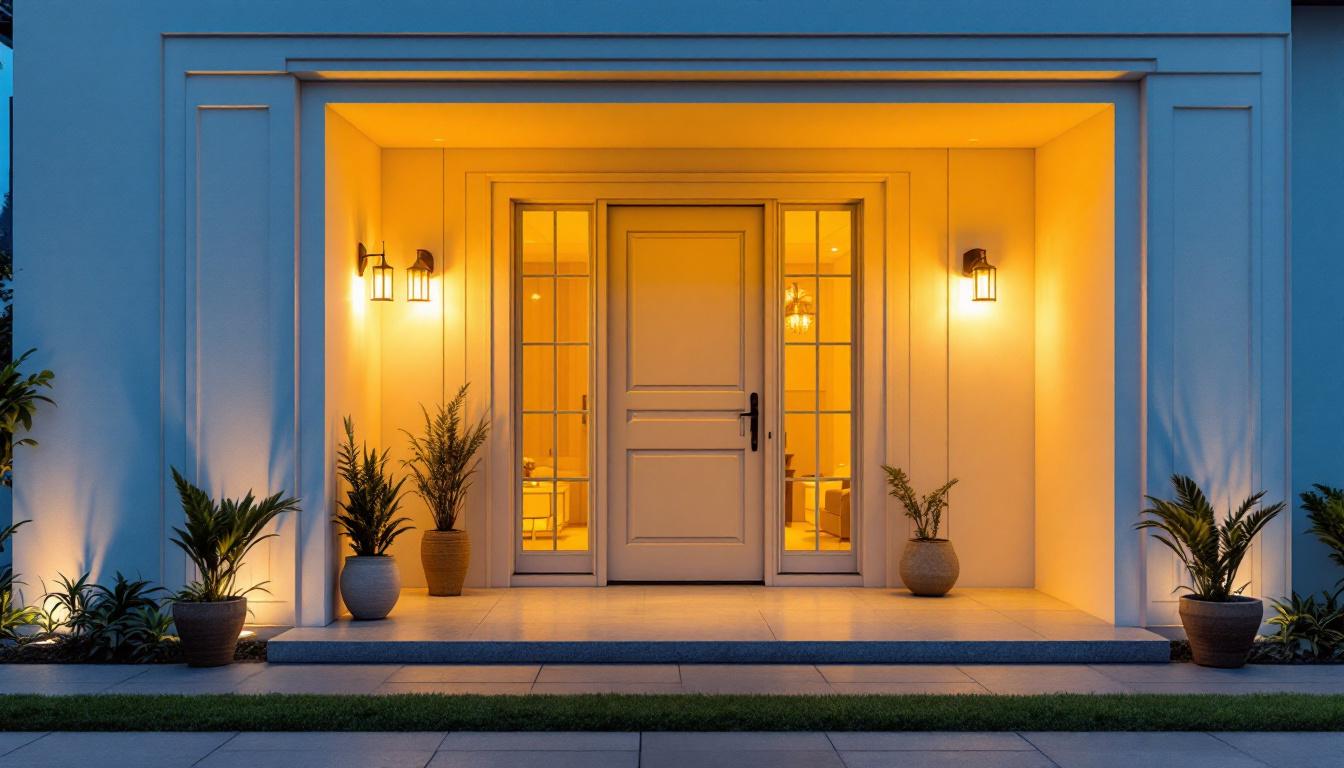
Colored flood lights can accentuate building facades, monuments, and landscaping features. For example, blue or green lighting can highlight water features, while warm amber tones create cozy outdoor seating areas. Positioning bulbs to avoid glare and shadows is essential for achieving balanced illumination.
Using programmable color-changing LEDs allows dynamic lighting schemes that can shift with seasons or events, adding value to commercial and residential projects.
Event and Entertainment Lighting
Concerts, festivals, and theatrical productions rely heavily on colored flood lights to set moods and emphasize performers. Contractors must ensure rapid installation, secure mounting, and reliable power supply to avoid disruptions. Additionally, integrating these lights with DMX controllers enables synchronized color changes and effects.
Safety and Security Lighting
Certain colors, such as red or amber, are used in safety signaling and hazard marking. Colored flood lights can delineate construction zones, emergency exits, or restricted areas. In these cases, bulbs must meet strict brightness and visibility standards to comply with regulations.
Seasonal and Decorative Lighting
Colored flood lights are popular for holidays and special occasions, creating festive atmospheres with red, green, or multicolor options. Contractors should advise clients on bulb placement to maximize visual impact while minimizing light pollution and energy use.
Maintenance and Troubleshooting Tips for Colored Flood Light Bulbs
Proper maintenance ensures colored flood light bulbs perform consistently and have a long service life. Lighting contractors often provide ongoing support and troubleshooting for clients, making knowledge of common issues essential.
Regular Cleaning and Inspection
Accumulated dirt, dust, and moisture can degrade light output and color quality. Routine cleaning of bulbs and fixtures with appropriate materials prevents buildup without damaging sensitive components. Inspecting seals and housings for cracks or corrosion helps maintain weather resistance.
Addressing Color Fading and Flickering
Over time, colored bulbs—especially those using filters or coatings—may fade or lose vibrancy. LED bulbs are less prone to this but can experience flickering due to driver issues or power fluctuations. Diagnosing the root cause involves checking electrical connections, replacing faulty drivers, or upgrading to higher-quality bulbs.
Replacing Bulbs and Upgrading Systems
When bulbs reach the end of their lifespan or no longer meet client needs, contractors should recommend replacements that improve performance or energy efficiency. Upgrading to smart lighting systems with color control capabilities can offer clients enhanced flexibility and control.
Industry Trends and Innovations in Colored Flood Lighting
The lighting industry continuously evolves, with innovations that impact how colored flood light bulbs are designed, installed, and used. Staying informed about these trends helps contractors offer cutting-edge solutions to clients.
Advancements in LED Technology
Recent developments in LED chip design and phosphor coatings have improved color rendering and expanded the available color spectrum. This allows for more nuanced lighting effects and better integration with architectural aesthetics.
Smart Lighting and IoT Integration
Smart flood lights connected to the Internet of Things (IoT) enable remote control, scheduling, and automation. Contractors can install systems that adjust colors based on time of day, weather conditions, or user preferences, enhancing energy savings and user experience.
Sustainability and Environmental Considerations
Eco-friendly lighting solutions are increasingly demanded by clients. Colored flood light bulbs with recyclable materials, low toxic content, and energy-efficient designs align with green building standards and certifications.
Conclusion: Maximizing the Potential of Colored Flood Light Bulbs
For lighting contractors, mastering the selection, installation, and maintenance of colored flood light bulbs unlocks numerous opportunities to enhance projects and satisfy clients. By understanding the technical specifications, application nuances, and emerging technologies, contractors can deliver lighting solutions that combine beauty, functionality, and sustainability.
Investing in quality products, staying current with industry trends, and prioritizing client needs will ensure success in the competitive lighting market. Colored flood light bulbs are more than just decorative elements—they are powerful tools that transform spaces and experiences.
Illuminate Your Projects with LumenWholesale
Ready to elevate your lighting projects with the vibrant versatility of colored flood light bulbs? Look no further than LumenWholesale for a spectrum of spec-grade lighting solutions that promise quality, affordability, and convenience. Our commitment to providing contractors with superior products at wholesale prices means you can bring your creative visions to life without compromise. Embrace the power of color and enhance your lighting installations with our extensive selection, all while enjoying the benefits of bulk buying with free shipping. Discover the perfect blend of performance and value at LumenWholesale. Wholesale Lighting at the Best Value is just a click away.