The Growing Importance of Lighting in Coffee House Design
In recent years, coffee houses have evolved far beyond simple beverage stops. They have become social hubs, workspaces, and cultural landmarks within communities. This transformation has placed a spotlight on the ambiance and atmosphere of these establishments, with lighting playing a pivotal role.
For lighting contractors, understanding the unique demands of coffee house lighting is essential. Not only does it influence the customer experience, but it also directly impacts operational costs and energy efficiency. By tailoring lighting solutions to the specific needs of coffee houses, contractors can offer value-added services that reduce costs and enhance client satisfaction.
Why Lighting Matters in Coffee Houses
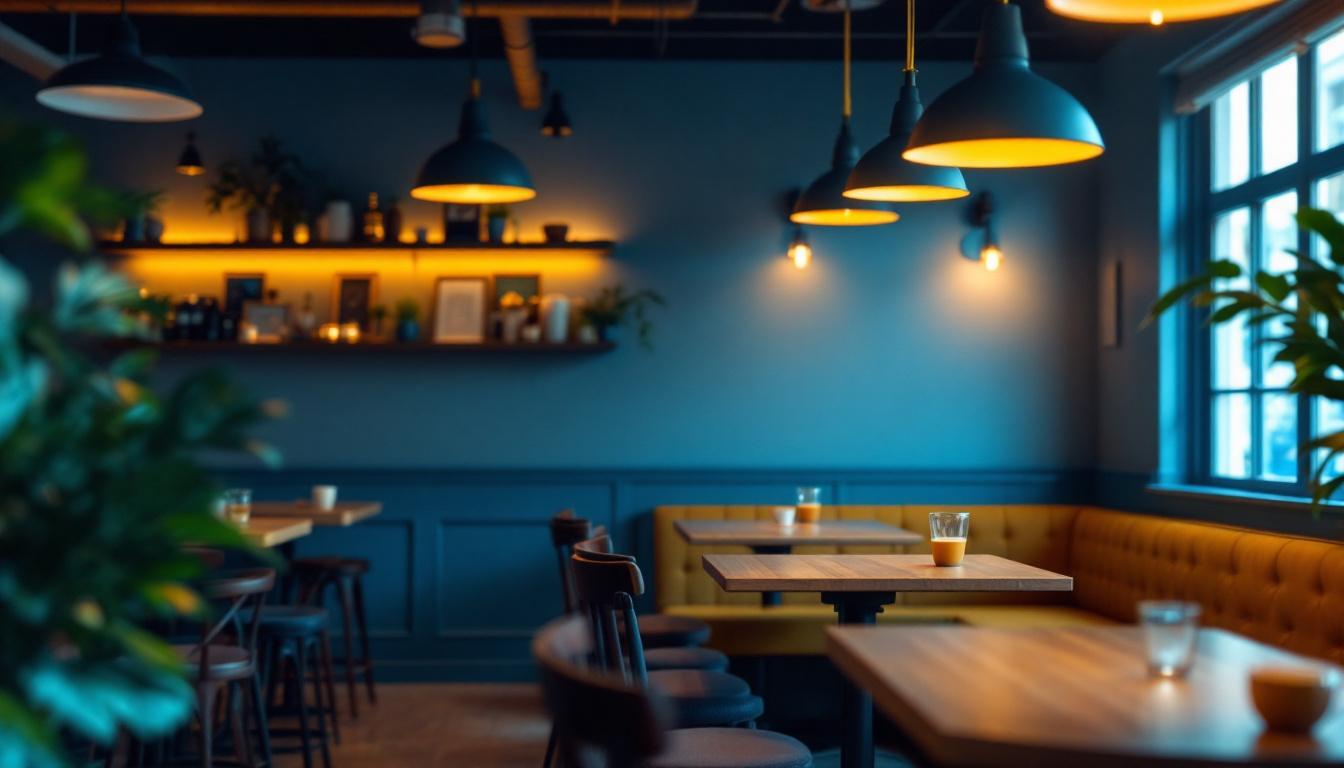
Lighting in coffee houses serves multiple purposes: it sets the mood, highlights architectural features, and creates zones for different activities such as casual seating, workspaces, and counters. A well-lit coffee house encourages longer visits, repeat customers, and positive reviews, all of which contribute to the business’s success.
Moreover, coffee houses often operate long hours, sometimes from early morning until late at night. This extended usage means that lighting systems are in use for many hours daily, making energy efficiency and maintenance critical concerns for owners and, by extension, the contractors who install and service these systems.
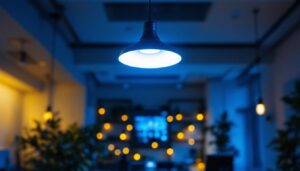
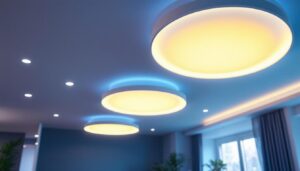
In addition to energy efficiency, the choice of lighting fixtures can significantly influence the overall aesthetic of a coffee house. For instance, warm, dimmable LED lights can create an inviting atmosphere, perfect for evening gatherings, while brighter, cooler lights can enhance productivity during the day. The strategic placement of pendant lights over tables or track lighting that highlights artwork can add character and charm, making the space feel unique and tailored to the community it serves. Furthermore, integrating smart lighting technology allows for flexibility in adjusting the ambiance throughout the day, catering to the changing needs of customers as they transition from morning coffee to evening socializing.
Another crucial aspect is the psychological impact of lighting on customer behavior. Studies have shown that lighting can affect mood and perception, influencing how people feel about their surroundings. Soft, warm lighting can create a sense of comfort and relaxation, encouraging patrons to linger, while brighter, more focused lighting can stimulate alertness and productivity, making it an ideal choice for those looking to work or study. By understanding these nuances, coffee house owners can craft an environment that not only attracts customers but also fosters a sense of community and belonging, further solidifying their establishment as a local favorite.
Energy-Efficient Lighting Solutions for Coffee Houses
One of the most effective ways lighting contractors can reduce costs for coffee house clients is by implementing energy-efficient lighting solutions. These not only lower electricity bills but also reduce the frequency and cost of maintenance.
LED Lighting: The Industry Standard
Light Emitting Diode (LED) technology has revolutionized commercial lighting. LEDs consume significantly less power than traditional incandescent or fluorescent bulbs while offering superior longevity. For coffee houses, this means reduced energy consumption and fewer replacements.
Lighting contractors should prioritize LEDs when designing coffee house lighting systems. LEDs can be dimmed easily, allowing for dynamic control of ambiance throughout the day. Additionally, their low heat output helps maintain comfortable indoor temperatures, reducing HVAC loads and further cutting energy costs. This is particularly beneficial during peak hours when coffee houses are bustling with customers, as it helps create a cozy atmosphere without straining the heating or cooling systems.
Moreover, the color temperature of LEDs can be tailored to enhance the aesthetic appeal of the coffee house. Warmer tones can create an inviting and relaxed environment, encouraging customers to linger longer, while cooler tones can be utilized to energize the space during busy morning rushes. The versatility of LED technology not only supports energy efficiency but also plays a crucial role in establishing the coffee house’s brand identity.
Smart Lighting Controls
Integrating smart lighting controls can dramatically improve energy efficiency. Motion sensors, daylight harvesting, and programmable timers ensure lights are only on when needed and at appropriate levels.
For example, motion sensors in restrooms and storage areas prevent lights from being left on unnecessarily. Daylight harvesting systems adjust artificial lighting based on natural light availability, which is particularly useful for coffee houses with large windows. Programmable timers can dim or turn off lights during low-traffic hours, such as late at night or early mornings.
Lighting contractors who offer these smart solutions can help coffee house owners optimize energy usage and reduce utility bills, making their services more attractive and cost-effective. Additionally, the integration of smart technology can provide valuable data insights, allowing coffee house owners to monitor energy consumption patterns and make informed decisions about future upgrades or changes. This data-driven approach not only enhances operational efficiency but also aligns with the growing consumer preference for sustainability, positioning the coffee house as a responsible choice in the eyes of environmentally conscious patrons.
Design Strategies to Maximize Efficiency and Ambiance
Beyond technology, thoughtful lighting design can reduce costs by minimizing the number of fixtures needed and enhancing their effectiveness.
Layered Lighting Approach
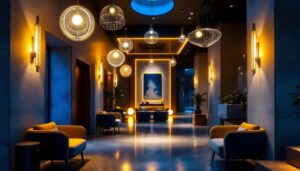
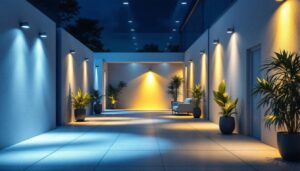
Layered lighting involves combining ambient, task, and accent lighting to create a balanced and functional environment. For coffee houses, this means using general lighting to illuminate the space evenly, task lighting for work areas and counters, and accent lighting to highlight decor or architectural elements.
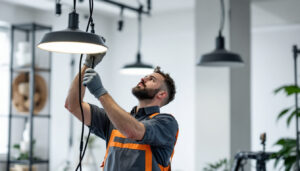
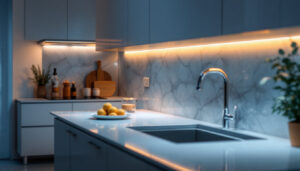
By carefully selecting fixture types and placements, contractors can reduce over-illumination, which wastes energy and can create discomfort. For instance, pendant lights over tables provide focused light without flooding the entire room, while wall sconces add warmth and character without excessive brightness.
Use of Reflective Surfaces and Light Colors
Incorporating reflective surfaces and light-colored finishes in the coffee house design can amplify the effectiveness of lighting. Walls painted in lighter shades reflect more light, reducing the need for high-intensity fixtures. Similarly, polished or glossy surfaces bounce light around the space, enhancing brightness without additional energy consumption.
Lighting contractors can advise clients on these design elements during the planning phase, ensuring the lighting system works harmoniously with the interior aesthetics to maximize efficiency.
Maintenance and Lifecycle Cost Considerations
Reducing upfront costs is important, but for coffee houses, the total cost of ownership over the lighting system’s lifecycle is even more critical. Lighting contractors who understand and communicate this can build trust and long-term relationships with their clients.
Durability and Warranty of Fixtures
Choosing high-quality fixtures with robust warranties reduces the risk of early failures and costly replacements. Coffee houses, with their high foot traffic and long operating hours, require lighting solutions that can withstand frequent use and occasional impacts.
Contractors should recommend products known for reliability and ease of maintenance. This approach minimizes downtime and service calls, which benefits both the contractor and the coffee house owner.
Regular Maintenance Programs
Offering scheduled maintenance services can help keep lighting systems operating at peak efficiency. Regular cleaning of fixtures, timely replacement of components, and system inspections prevent energy waste and prolong fixture life.
Maintenance contracts can also provide a steady revenue stream for contractors while ensuring clients enjoy consistent lighting quality and cost savings.
Case Studies: Successful Cost Reduction Through Lighting
Examining real-world examples can illustrate how lighting contractors have helped coffee houses reduce costs effectively.
Case Study 1: Urban Coffee Chain
A multi-location urban coffee chain partnered with a lighting contractor to retrofit all stores with LED fixtures and smart controls. The contractor conducted energy audits and customized lighting plans for each location.
The results included a 40% reduction in lighting energy consumption and a 30% decrease in maintenance costs due to longer-lasting fixtures. The improved lighting quality also enhanced customer satisfaction, contributing to increased sales.
Case Study 2: Independent Coffee Shop
An independent coffee shop sought to improve its ambiance while lowering utility expenses. The lighting contractor implemented a layered lighting design using dimmable LEDs and installed motion sensors in non-public areas.
This approach reduced energy use by 35% and created a cozy, inviting atmosphere that encouraged longer visits. The shop owner reported positive feedback from customers and a noticeable drop in monthly electricity bills.
How Lighting Contractors Can Position Themselves as Trusted Advisors
To maximize opportunities in the coffee house sector, lighting contractors should emphasize their expertise in energy-efficient design and cost-saving solutions.
Consultative Approach
Rather than simply selling fixtures, contractors should engage clients in discussions about their goals, challenges, and budgets. Offering tailored recommendations that balance aesthetics, functionality, and cost demonstrates value and builds trust.
Staying Updated on Industry Trends
Lighting technology and design trends evolve rapidly. Contractors who stay informed about the latest products, control systems, and best practices can provide cutting-edge solutions that differentiate them from competitors.
Providing Comprehensive Proposals
Detailed proposals that include energy savings estimates, lifecycle cost analyses, and maintenance plans help clients make informed decisions. This transparency fosters confidence and facilitates smoother project approvals.
Conclusion: Lighting as a Strategic Asset for Coffee Houses
Lighting is more than just a functional necessity in coffee houses; it is a strategic asset that influences customer experience, operational costs, and brand identity. For lighting contractors, understanding the nuances of coffee house lighting opens doors to delivering solutions that reduce costs and enhance value.
By leveraging energy-efficient technologies, smart controls, thoughtful design, and proactive maintenance, contractors can position themselves as indispensable partners to coffee house owners. This approach not only drives business growth but also contributes to more sustainable and profitable coffee house operations.
Illuminate Your Coffee House Projects with LumenWholesale
Ready to transform your coffee house lighting designs into cost-saving masterpieces? At LumenWholesale, we provide lighting contractors with the highest quality, spec-grade lighting products at prices that can’t be beaten. Say goodbye to local distributor markups and hello to our extensive selection that meets rigorous industry standards. With free shipping on bulk orders, you can trust that you’re getting premium lighting solutions at the best value, without any hidden fees. Elevate your next project with the perfect combination of quality, affordability, and convenience. Wholesale Lighting at the Best Value is just a click away. Enhance your coffee house lighting projects with LumenWholesale today.