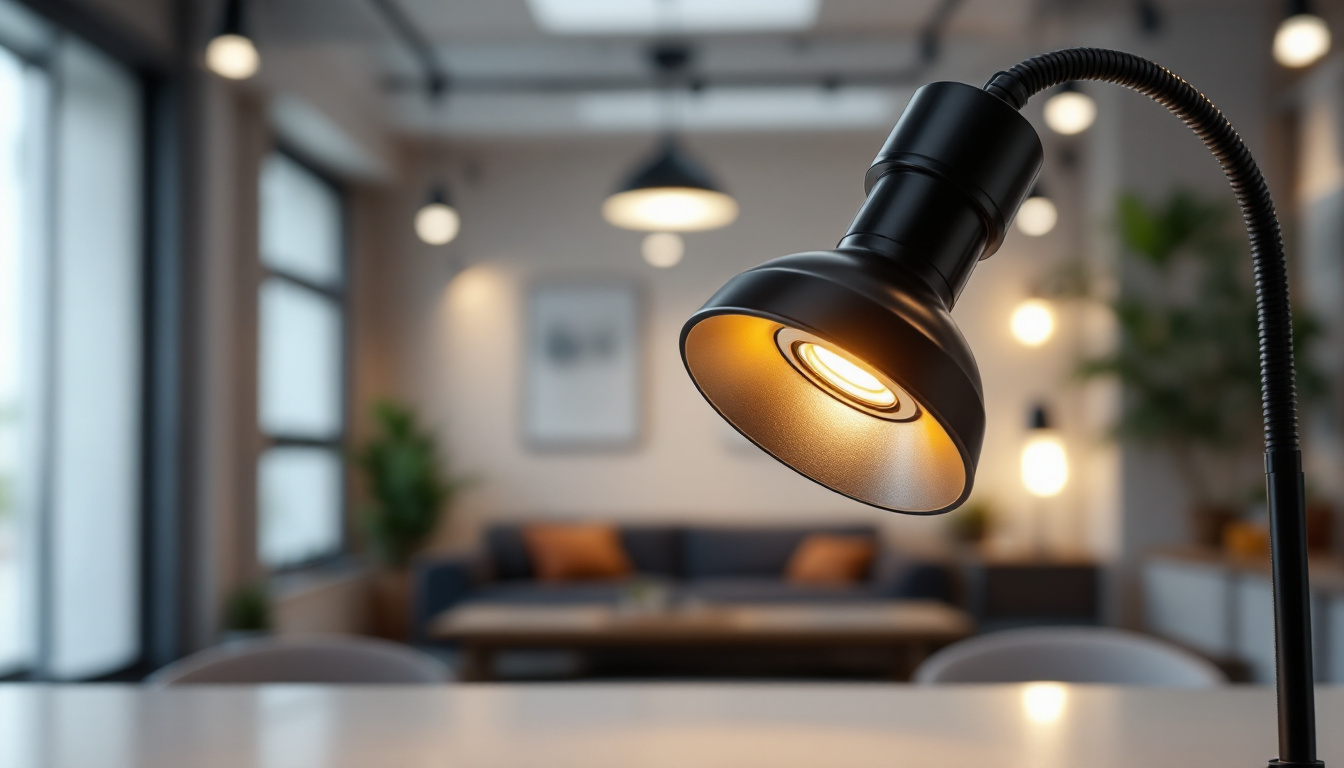
Understanding the Role of Lighting in Indoor Plant Growth
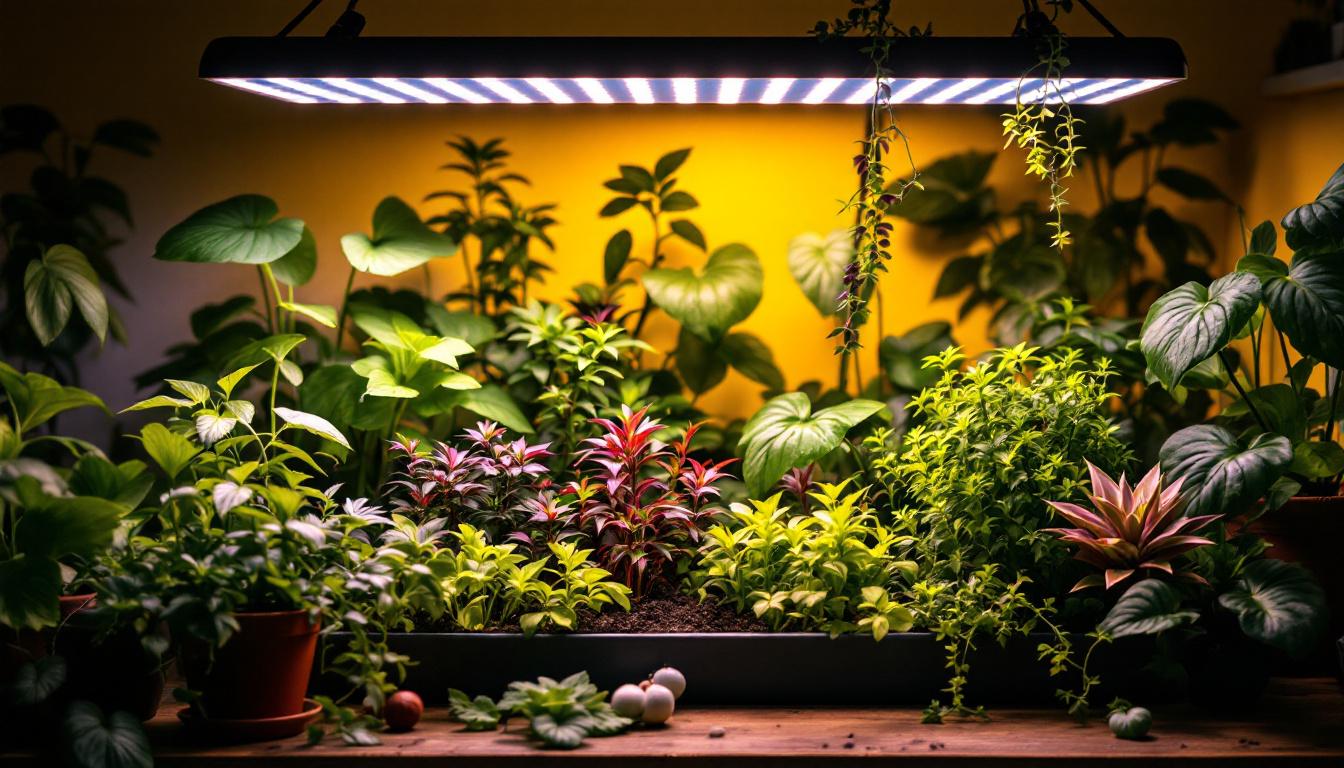
Indoor plant cultivation has surged in popularity, driven by urban gardening trends, food security concerns, and the desire for year-round harvests. For lighting contractors, this presents a unique opportunity to expand services into the horticultural lighting market. However, success in this niche hinges on understanding the critical role lighting plays in plant health and growth.
Plants rely on light for photosynthesis, the process by which they convert light energy into chemical energy. The quality, intensity, and duration of light directly influence plant development stages—from germination to flowering and fruiting. Therefore, selecting appropriate lighting solutions is paramount for growers aiming to maximize yields and maintain healthy plants.
For lighting contractors, this means balancing cost-effectiveness with technical performance. Offering affordable lighting solutions that meet the specific spectral and intensity needs of plants can differentiate services and build long-term client relationships.
Moreover, the type of lighting technology used can significantly impact plant growth. LED grow lights, for instance, have gained traction due to their energy efficiency and ability to emit specific wavelengths of light that are most beneficial for photosynthesis. Unlike traditional incandescent or fluorescent lights, LEDs can be tailored to emit the precise spectrum that different plants require at various growth stages. This not only enhances growth rates but also reduces energy consumption, making them an attractive option for both commercial growers and hobbyists alike.
Additionally, understanding the photoperiod, or the duration of light exposure, is crucial for certain plant species that rely on specific light cycles to trigger flowering or fruiting. For instance, short-day plants require longer periods of darkness to bloom, while long-day plants thrive with extended light exposure. Lighting contractors who can provide programmable lighting systems that mimic natural light cycles will not only enhance plant growth but also position themselves as knowledgeable partners in the horticultural community, fostering trust and loyalty among their clientele.
Key Factors When Choosing Cheap Grow Lights
Light Spectrum and Plant Needs
One of the most important considerations is the light spectrum emitted by the fixture. Plants primarily use blue (400–500 nm) and red (600–700 nm) wavelengths for photosynthesis. Blue light promotes vegetative growth, while red light encourages flowering and fruiting. Some affordable grow lights combine these spectrums effectively, often labeled as “full spectrum” or “broad spectrum.”
Lighting contractors should educate clients on the importance of spectrum, as many cheap lights on the market emit predominantly green or white light, which plants utilize less efficiently. Providing fixtures that deliver the right spectral balance can significantly improve plant performance without increasing costs substantially. Additionally, some advanced grow lights offer adjustable spectrums, allowing users to tailor the light output to different growth stages, from seedlings to mature plants. This adaptability can lead to healthier plants and higher yields, making it a worthwhile consideration for those looking to maximize their gardening efforts.
Energy Efficiency and Operating Costs
While initial purchase price is a key factor, long-term energy consumption greatly affects the total cost of ownership. LED grow lights have become the industry standard due to their superior energy efficiency and longevity compared to traditional incandescent or fluorescent bulbs.
Cheap LED grow lights are widely available and can offer excellent energy savings. Lighting contractors should evaluate the power draw (watts) relative to the light output (measured in photosynthetic photon flux, or PPF) to ensure clients receive the best value. Lower energy bills and reduced heat output also minimize the need for additional cooling systems, further cutting operational expenses. Furthermore, many LED options now come with smart technology features, allowing users to control light schedules and intensity via mobile apps. This not only enhances convenience but also optimizes energy use, making it easier for growers to achieve the best results while keeping costs low.
Durability and Warranty Considerations
Cost-effective lighting solutions must also be reliable. Frequent replacements or repairs can negate upfront savings and frustrate clients. Contractors should prioritize products with solid build quality and reputable warranties, even when selecting budget-friendly options.
Many manufacturers offer grow lights with warranties ranging from one to five years. Choosing products with at least a two-year warranty can provide peace of mind and reduce maintenance calls, enhancing contractor reputation and client satisfaction. Additionally, it’s beneficial to consider the materials used in the construction of the grow lights. High-quality components, such as heat sinks and protective casings, can significantly extend the lifespan of the lights, ensuring that clients get the most out of their investment. Educating clients about the importance of durability can help them make informed decisions and foster long-term relationships built on trust and reliability.
Popular Types of Affordable Grow Lights
LED Grow Lights
LED technology has revolutionized indoor horticulture by offering efficient, durable, and customizable lighting solutions. While premium LED fixtures can be expensive, there are numerous budget-friendly models that deliver adequate performance for small to medium-scale indoor gardens.
These lights often feature adjustable spectrums or combined red and blue diodes, providing targeted wavelengths for various growth stages. Additionally, LEDs produce less heat, reducing the risk of plant damage and lowering cooling costs. Many affordable LED grow lights also come with built-in timers and dimmers, allowing growers to automate their light cycles and adjust the intensity as plants mature. This versatility makes them an excellent choice for a wide range of plants, from leafy greens to flowering varieties.
Fluorescent Grow Lights
Fluorescent lights, particularly T5 tubes, remain a popular choice for beginners and small-scale growers due to their low cost and ease of use. They emit a decent spectrum for vegetative growth and are widely available at affordable prices.
However, fluorescent lights have lower energy efficiency and shorter lifespans compared to LEDs. They also generate more heat, which may require additional ventilation. Lighting contractors should recommend fluorescents primarily for low-intensity applications or propagation setups. In addition to T5s, compact fluorescent options are also available, which can be particularly useful for growers with limited space. These compact versions can fit into smaller fixtures and are perfect for starting seedlings or growing herbs on a windowsill.
Compact Fluorescent Lamps (CFLs)
CFLs are another budget-friendly option, suitable for small grow areas or supplemental lighting. They are easy to install in standard fixtures and emit a balanced light spectrum. While not as efficient as LEDs, CFLs offer a low entry cost and are widely accessible.
Contractors should caution clients about the limited coverage area of CFLs and the potential need for multiple fixtures to achieve uniform lighting. Furthermore, CFLs are available in various wattages and color temperatures, allowing growers to choose the best fit for their specific plants. This flexibility makes them an attractive option for hobbyists looking to experiment with different plant types and growth techniques without a significant financial commitment.
High-Intensity Discharge (HID) Lights
HID lights, including Metal Halide (MH) and High-Pressure Sodium (HPS) lamps, have been a staple in commercial horticulture. They provide intense light suitable for large-scale operations but come with higher energy consumption and heat output.
While generally not considered “cheap” in terms of operating costs, some contractors may find budget HID fixtures available. These are best suited for clients with established ventilation and cooling systems to manage heat. Additionally, HID lights are known for their ability to penetrate deep into plant canopies, making them ideal for flowering plants that require high light intensity. However, growers should be aware of the need for regular bulb replacements, as HID lamps have a limited lifespan and can lose efficiency over time. As such, they may not be the most economical choice for those just starting out or for smaller indoor gardens.
Installation Tips for Lighting Contractors
Optimizing Light Placement and Coverage
Proper installation is critical to maximize the effectiveness of grow lights. Lighting contractors should assess the grow space dimensions and recommend fixture placement that ensures even light distribution. Overlapping light zones prevent shaded areas, which can stunt plant growth.
Height adjustment mechanisms are valuable, allowing clients to raise or lower lights as plants grow. This flexibility helps maintain optimal light intensity and prevents leaf burn.
Integrating Timers and Control Systems
Automated timers and smart controllers enhance grow light efficiency by regulating photoperiods—the duration plants are exposed to light daily. Different plants require varying light cycles; for example, many vegetables thrive under 14–18 hours of light, while flowering plants may need 12 hours.
Lighting contractors can add value by installing programmable systems that simplify operation and reduce human error, ensuring plants receive consistent care.
Addressing Heat Management
Even the most efficient lights generate some heat, which can affect plant health and indoor climate. Contractors should evaluate ventilation and cooling needs during installation, recommending fans, exhaust systems, or air conditioning if necessary.
Proper heat management extends light fixture lifespan and maintains optimal growing conditions, ultimately supporting better crop yields.
Cost-Benefit Analysis: Balancing Price and Performance
When advising clients on cheap grow lights, lighting contractors must present a clear cost-benefit analysis. The lowest upfront price is not always the best choice if it compromises plant growth or leads to frequent replacements.
For example, a budget LED fixture costing slightly more than a basic fluorescent setup may save hundreds in electricity bills and reduce maintenance over time. Demonstrating these long-term savings helps clients make informed decisions aligned with their cultivation goals and budgets.
Contractors can also offer tiered options, from entry-level to advanced systems, allowing clients to scale their investment as their indoor gardening expertise and needs grow.
Building Expertise and Trust with Clients
Lighting contractors venturing into indoor horticultural lighting should invest time in understanding plant biology and lighting technology. This knowledge enables tailored recommendations and troubleshooting support, fostering client trust and satisfaction.
Providing educational resources, such as guides on light cycles, spectrum importance, and energy management, positions contractors as valuable partners rather than mere suppliers.
Additionally, staying updated on emerging lighting technologies and market trends ensures contractors can offer competitive, innovative solutions that meet evolving client demands.
Conclusion: Empowering Lighting Contractors to Support Indoor Growers
Affordable grow lights represent a growing market segment with significant potential for lighting contractors. By focusing on the critical aspects of light spectrum, energy efficiency, durability, and proper installation, contractors can deliver cost-effective solutions that maximize plant growth and client satisfaction.
Balancing upfront costs with long-term operational savings and performance ensures clients receive the best value, encouraging repeat business and referrals. Ultimately, lighting contractors who develop expertise in horticultural lighting and prioritize client education will thrive in this expanding industry.
Illuminate Your Projects with LumenWholesale
Ready to elevate your lighting game and support your clients’ indoor growing success? Look no further than LumenWholesale for a comprehensive range of high-quality, spec-grade grow lights at unbeatable wholesale prices. Our direct approach cuts out unnecessary markups, ensuring you get the most value for your investment. With our commitment to industry standards and hassle-free bulk buying with free shipping, you can trust that you’re equipping your projects with reliable, high-performance lighting. Don’t compromise on quality or affordability. Discover wholesale lighting at the best value today and light up your indoor gardening projects with confidence.