In the realm of interior design and architecture, lighting plays a crucial role in creating ambiance and functionality. Among the various lighting options available, chain pendant lighting stands out for its versatility and aesthetic appeal. For lighting contractors, understanding how to choose the right chain pendant fixtures can significantly enhance the quality of their projects. This guide delves into the essential factors to consider when selecting chain pendant lighting, ensuring that contractors can make informed decisions that meet their clients’ needs.
Understanding Chain Pendant Lighting
Chain pendant lighting refers to fixtures that hang from the ceiling via a chain. These fixtures can serve various purposes, from providing task lighting over kitchen islands to creating a focal point in dining areas. Their design can range from minimalist to ornate, making them suitable for different styles and settings.
Types of Chain Pendant Lights
When selecting chain pendant lighting, it’s essential to understand the different types available. Each type can contribute uniquely to a space’s overall aesthetic and functionality.
- Single Pendant Lights: Ideal for smaller spaces or as accent lighting, single pendants can be used alone or in clusters for a more dramatic effect.
- Multi-Light Pendants: These fixtures feature multiple bulbs in one design, providing ample light and often becoming a centerpiece in the room.
- Adjustable Pendants: With adjustable heights, these fixtures offer flexibility, allowing contractors to customize the lighting based on the space’s needs.
Design Considerations
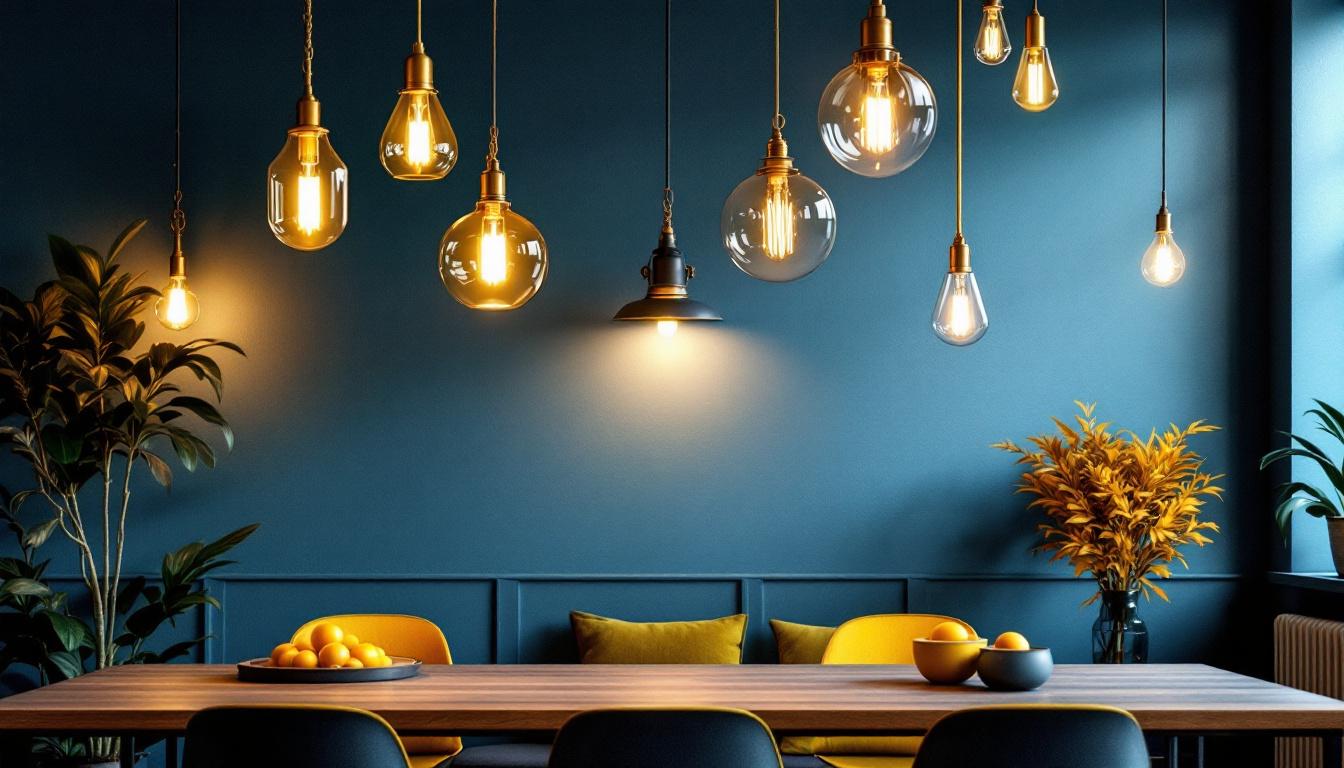
Design plays a pivotal role in the selection of chain pendant lighting. Contractors should consider the overall theme of the space, the existing color palette, and the materials used in the room. A well-chosen pendant can complement the decor, enhancing the room’s character.
For instance, a sleek, modern pendant may suit a contemporary kitchen, while a vintage-inspired design could be perfect for a rustic dining area. It’s also vital to consider the scale of the fixture in relation to the space; oversized pendants can overwhelm a small room, while tiny fixtures may get lost in a larger area.
Additionally, the choice of materials can significantly influence the ambiance. Metal finishes, such as brass or matte black, can add a touch of elegance or industrial flair, respectively. Glass shades can introduce a sense of transparency and lightness, allowing the light to diffuse softly throughout the room. Furthermore, incorporating unique textures or colors can create visual interest and enhance the overall design narrative of the space.
Another important aspect to consider is the type of bulb used in the pendant fixture. LED bulbs, for example, are energy-efficient and come in various color temperatures, allowing for customization of the lighting atmosphere. Warmer tones can create a cozy and inviting environment, while cooler tones may be more suitable for task-oriented spaces like kitchens or home offices. By thoughtfully selecting both the pendant design and the bulb type, homeowners can achieve a harmonious balance between aesthetics and functionality.
Functional Aspects of Chain Pendant Lighting
Beyond aesthetics, the functionality of chain pendant lights is a critical consideration for lighting contractors. Understanding how the fixture will be used can guide the selection process. The right pendant light can transform a space, serving not just as a source of illumination but also as a focal point that enhances the overall design scheme.
Brightness and Bulb Type
The brightness of a pendant light is determined by its wattage and the type of bulb used. LED bulbs are becoming increasingly popular due to their energy efficiency and longevity. Contractors should assess the illumination needs of the space to ensure that the chosen pendant provides adequate light without being overpowering. Additionally, the color temperature of the bulbs can significantly influence the ambiance; warmer tones can create a welcoming atmosphere, while cooler tones may be more suitable for modern, minimalist designs.
For example, in a kitchen, bright task lighting is essential, while a softer glow may be more appropriate for a cozy reading nook. Dimming capabilities can also enhance the functionality of the lighting, allowing for adjustments based on the time of day or activity. Furthermore, smart lighting technology can be integrated into pendant fixtures, enabling users to control brightness and color temperature via mobile apps or voice commands, adding an extra layer of convenience and customization to the lighting experience.
Height and Placement
Proper height and placement of chain pendant lights can dramatically affect their performance and aesthetic appeal. A general rule of thumb is to hang pendants 30 to 36 inches above a countertop or table. However, this can vary based on the ceiling height and the specific design of the fixture. In spaces with higher ceilings, longer chains can be utilized to create a dramatic effect, while maintaining functionality by ensuring the light is directed where it is needed most.
Contractors should also consider the spacing between multiple pendants if they are used in clusters. Adequate spacing ensures that the light is evenly distributed and avoids creating dark spots in the room. Additionally, the arrangement of the pendants can play a role in the overall design aesthetic; for instance, a linear arrangement over a dining table can create a modern look, while a staggered arrangement can add visual interest and depth. It’s also essential to take into account the surrounding decor and furniture, as this can influence how the light interacts with other elements in the space, enhancing or detracting from the overall design harmony.
Material and Finish Choices
The materials and finishes of chain pendant lights can significantly influence their durability and style. Contractors should be well-versed in the various options available to provide clients with informed choices.
Common Materials
Chain pendant lights are available in a variety of materials, including metal, glass, wood, and even fabric. Each material has its unique characteristics and benefits:
- Metal: Often used for modern designs, metal fixtures can be finished in various ways, including brushed nickel, matte black, or antique brass.
- Glass: Glass pendants can range from clear to frosted, allowing for different light diffusion effects. They can add elegance and sophistication to a space.
- Wood: Wooden pendants can introduce warmth and texture, making them ideal for rustic or farmhouse-style interiors.
Finish Options
The finish of a pendant light can enhance its visual appeal and help it blend seamlessly with other design elements. Popular finishes include polished chrome for a sleek, modern look, or oil-rubbed bronze for a more traditional feel. Contractors should consider the overall decor and advise clients on finishes that will harmonize with existing elements in the space.
Energy Efficiency and Sustainability
As sustainability becomes increasingly important in design, lighting contractors should prioritize energy-efficient options when selecting chain pendant lighting. This not only benefits the environment but can also be a selling point for clients.
LED Technology
LED bulbs are a popular choice for pendant lighting due to their energy efficiency and long lifespan. They consume significantly less energy than traditional incandescent bulbs and produce less heat, making them a safer option. Additionally, the wide range of color temperatures available with LED bulbs allows for greater customization in lighting design.
Recyclable Materials
When choosing fixtures, contractors should also consider the materials used in their construction. Opting for pendants made from recyclable materials can contribute to a more sustainable project. Furthermore, highlighting these choices to clients can enhance the perceived value of the installation.
Installation Considerations
Proper installation is crucial for the performance and safety of chain pendant lighting. Lighting contractors must be equipped with the knowledge and skills to install these fixtures correctly.
Electrical Requirements
Before installation, contractors should assess the electrical requirements of the chosen pendant lights. This includes ensuring that the existing wiring can support the wattage of the new fixtures. In some cases, additional electrical work may be necessary to accommodate the new lighting.
Securing the Fixture
Chain pendant lights must be securely anchored to prevent accidents. Contractors should ensure that the mounting hardware is appropriate for the weight of the fixture and that it is installed according to the manufacturer’s guidelines. This not only ensures safety but also prolongs the lifespan of the lighting.
Trends in Chain Pendant Lighting
Staying updated on the latest trends in chain pendant lighting can help contractors offer fresh and appealing options to their clients. Understanding current styles can also inspire unique design solutions.
Vintage and Industrial Styles
Vintage and industrial-style pendants have gained popularity in recent years. These fixtures often feature exposed bulbs, rough finishes, and unique designs that evoke a sense of nostalgia. Incorporating these styles into modern spaces can create an intriguing contrast that appeals to many homeowners.
Smart Lighting Integration
As smart home technology continues to advance, integrating smart lighting solutions into chain pendant fixtures is becoming more common. This allows for remote control of lighting, dimming options, and even color changes via smartphone apps. Contractors should consider offering clients the option to incorporate smart technology into their lighting designs, enhancing convenience and functionality.
Client Consultation and Selection Process
When working with clients, effective communication is key to ensuring their vision is realized. The selection of chain pendant lighting should be a collaborative process that takes into account the client’s preferences, needs, and budget.
Understanding Client Needs
During initial consultations, contractors should ask open-ended questions to gain insight into the client’s lifestyle, design preferences, and specific lighting needs. Understanding how the space will be used can guide the selection of fixtures that not only look great but also function effectively.
Presenting Options
Once the contractor has a clear understanding of the client’s needs, presenting a curated selection of chain pendant lighting options can facilitate decision-making. Providing samples, catalogs, or digital renderings can help clients visualize how the fixtures will look in their space. It’s also beneficial to discuss the pros and cons of each option to empower clients to make informed choices.
Conclusion
Chain pendant lighting offers a versatile and stylish solution for various spaces, making it an essential consideration for lighting contractors. By understanding the different types, materials, and functional aspects of these fixtures, contractors can make informed decisions that enhance their projects.
Moreover, staying updated on trends and incorporating energy-efficient options can elevate the quality of installations while appealing to environmentally conscious clients. Ultimately, effective communication and collaboration with clients during the selection process will ensure that the chosen chain pendant lighting meets their needs and enhances their living spaces.
Illuminate Your Projects with LumenWholesale
Ready to elevate your lighting projects with the perfect chain pendant lighting? Look no further than LumenWholesale, where we offer an extensive selection of spec-grade lighting products at unbeatable wholesale prices. Say goodbye to middleman markups and hello to superior quality and value. With our commitment to reliability and performance, plus the convenience of free shipping on bulk orders, you can trust that you’re getting the best lighting solutions for your needs. Don’t compromise on quality or affordability. Discover wholesale lighting at the best value today and bring your design visions to life with LumenWholesale.