In the realm of residential and commercial lighting, ceiling fan lights have emerged as a popular choice for both functionality and aesthetics. As a lighting contractor, understanding the nuances of ceiling fan lights is essential for providing clients with informed recommendations and effective installations. This article delves into the critical aspects of ceiling fan lights, covering their design, functionality, installation considerations, and energy efficiency. By equipping yourself with this knowledge, you can enhance your service offerings and meet diverse client needs.
Understanding Ceiling Fan Lights
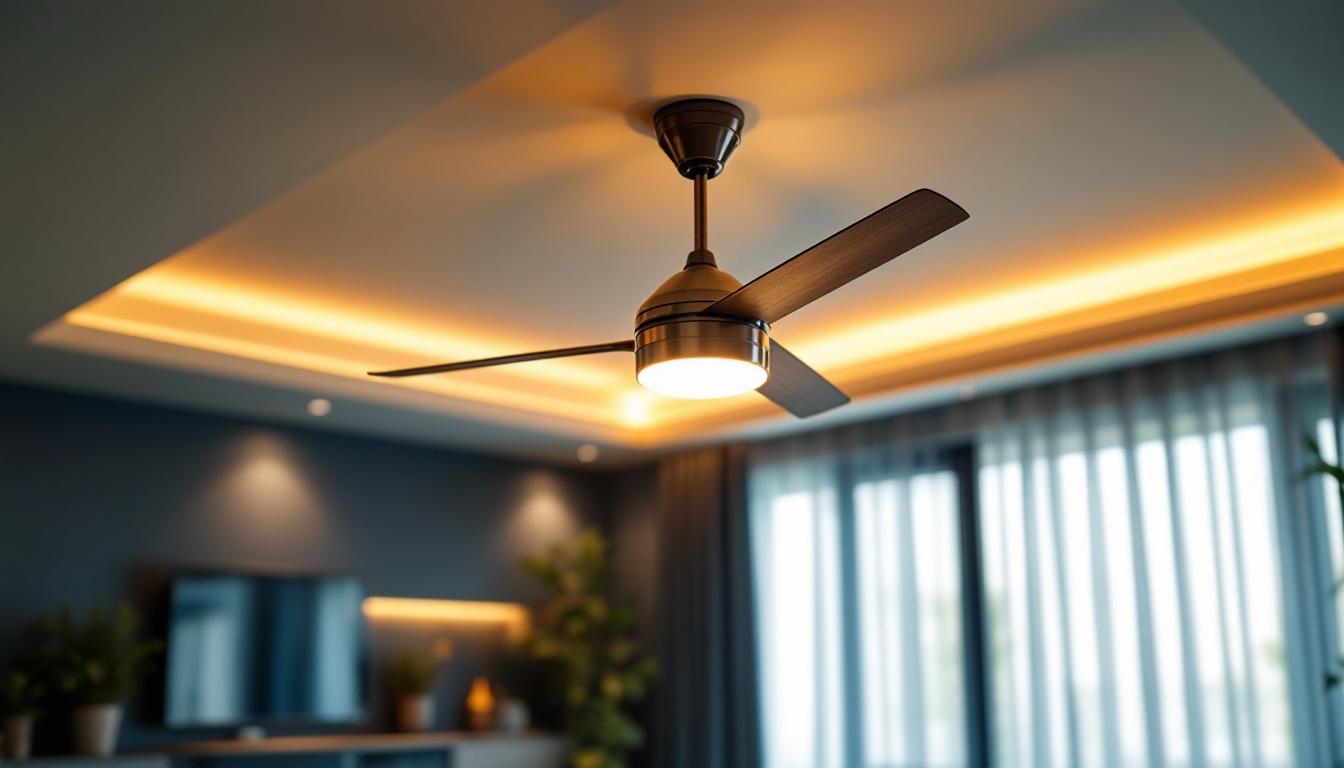
Ceiling fan lights combine the benefits of illumination and air circulation, making them a versatile addition to any space. They serve not just to brighten a room but also to create a comfortable environment. The integration of lighting into ceiling fans has evolved significantly, leading to various designs and functionalities that cater to different preferences and requirements. With the rise of smart home technology, many ceiling fans now offer remote control options and compatibility with home automation systems, allowing users to adjust both the fan speed and lighting from the comfort of their couch or even via smartphone apps.
Types of Ceiling Fan Lights
Ceiling fan lights come in several types, each designed to suit different styles and purposes. The most common types include:
- Integrated Lighting: Many modern ceiling fans come with built-in light fixtures. These designs often feature LED lights that are energy-efficient and long-lasting, providing ample illumination without the need for additional fixtures. Integrated lighting is particularly advantageous for those looking to maintain a clean, streamlined look in their interiors.
- Light Kits: Some ceiling fans are designed to accommodate light kits, which can be purchased separately. This flexibility allows homeowners to customize their fans according to their lighting needs and aesthetic preferences. Light kits can vary significantly in style, from simple and functional to elaborate and decorative, making it easy to find the perfect match for any room.
- Multi-Light Fixtures: For larger spaces or specific design needs, multi-light ceiling fan fixtures can provide enhanced lighting. These fixtures often feature multiple bulbs or shades, allowing for greater brightness and a more dramatic effect. Multi-light options can also create a focal point in a room, drawing the eye and enhancing the overall decor.
Design Considerations
When selecting ceiling fan lights, design plays a crucial role. The style of the fan and the light fixture should complement the overall decor of the room. Factors to consider include:
- Style: Whether the space is modern, traditional, or eclectic, there are ceiling fan light designs to match. Options range from sleek, minimalist fixtures to ornate, vintage-inspired designs. Additionally, some fans come with interchangeable blades, allowing homeowners to switch out styles seasonally or whenever they want a fresh look.
- Finish: The finish of the ceiling fan and light fixture can significantly impact the room’s aesthetic. Popular finishes include brushed nickel, oil-rubbed bronze, and matte black, each offering a distinct look. Choosing the right finish can enhance the room’s color palette and contribute to a cohesive design theme.
- Shade Type: The type of shade used in the light fixture can affect both the quality of light and the overall ambiance. Options include glass, fabric, or metal shades, each providing different light diffusion and style. For instance, frosted glass shades can soften the light, creating a warm and inviting atmosphere, while clear glass shades may offer a more contemporary feel.
Furthermore, the height and placement of the ceiling fan are essential considerations. Ideally, the fan should be installed at a height that allows for optimal air circulation while also ensuring that the light is effectively distributed throughout the room. In spaces with high ceilings, downrods can be used to lower the fan, ensuring it remains functional and stylish. Additionally, some ceiling fans come with adjustable heights, allowing for further customization based on the specific needs of the room.
Lastly, energy efficiency is an important aspect to consider when choosing ceiling fan lights. Many modern fans and light fixtures are designed with energy-saving technologies, such as dimmable LED lights and energy-efficient motors, which can significantly reduce electricity consumption. This not only benefits the environment but can also lead to substantial savings on energy bills over time, making ceiling fan lights a smart investment for any homeowner.
Functionality of Ceiling Fan Lights
The functionality of ceiling fan lights extends beyond mere illumination. They can enhance the usability of a space and contribute to energy efficiency. Understanding these functionalities is vital for lighting contractors who aim to provide comprehensive solutions.
Illumination and Ambiance
Ceiling fan lights can dramatically affect the ambiance of a room. The right lighting can create a warm, inviting atmosphere or a bright, energizing environment. Consider the following aspects:
- Brightness: The lumen output of the light fixture is essential for determining how bright a room will be. Contractors should assess the size of the space and the desired light levels to recommend appropriate fixtures.
- Color Temperature: The color temperature of the bulbs used in ceiling fan lights can influence the mood of a room. Warmer tones (2700K-3000K) create a cozy feel, while cooler tones (4000K-5000K) can enhance focus and alertness.
- Dimming Options: Many ceiling fan lights now come with dimming capabilities, allowing users to adjust the brightness according to their needs. This feature adds versatility and can enhance the overall user experience.
Energy Efficiency
With growing concerns about energy consumption and sustainability, ceiling fan lights have adapted to meet these demands. Energy-efficient lighting options, such as LED bulbs, not only reduce electricity bills but also have a longer lifespan compared to traditional incandescent bulbs.
Contractors should educate clients on the benefits of choosing energy-efficient ceiling fan lights, including:
- Lower Energy Costs: LED lights consume significantly less energy than incandescent or fluorescent options, leading to reduced utility bills.
- Longer Lifespan: LEDs can last up to 25,000 hours or more, reducing the frequency of replacements and maintenance costs.
- Environmental Impact: By opting for energy-efficient lighting, clients can contribute to reducing their carbon footprint and supporting sustainable practices.
Installation Considerations
Proper installation is crucial for the performance and safety of ceiling fan lights. As a lighting contractor, understanding the installation process and potential challenges can help ensure a successful project.
Mounting Options
Ceiling fans can be mounted in various ways, depending on the ceiling height and design. Common mounting options include:
- Flush Mount: Ideal for low ceilings, flush mount fans sit directly against the ceiling, providing a sleek look while maximizing headroom.
- Downrod Mount: For higher ceilings, downrod mounting allows the fan to hang lower, improving air circulation and light distribution.
- Angle Mount: In rooms with sloped ceilings, angle mounts can be used to ensure the fan is level and operates efficiently.
Electrical Considerations
Electrical safety is paramount during the installation of ceiling fan lights. Contractors should be aware of the following:
- Wiring Requirements: Ensure that the electrical wiring is adequate for the fan and light fixture’s power requirements. It is essential to follow local electrical codes and regulations.
- Weight Support: Ceiling fans can be heavy, especially when combined with light fixtures. Proper support brackets should be installed to prevent accidents.
- Switch Compatibility: Consider the compatibility of existing wall switches with the new ceiling fan lights, especially if dimming features are included.
Maintenance and Troubleshooting
Regular maintenance is essential for ensuring the longevity and efficiency of ceiling fan lights. Educating clients about maintenance practices can enhance their satisfaction and prolong the lifespan of their fixtures.
Cleaning and Care
Dust and debris can accumulate on ceiling fans and light fixtures, affecting their performance and appearance. Here are some maintenance tips:
- Regular Dusting: Use a soft cloth or a duster to remove dust from the blades and light fixtures. This simple step can improve airflow and light output.
- Seasonal Maintenance: Inspect the fan and light fixtures at least twice a year, checking for any signs of wear or damage. Tighten any loose screws and ensure that the fan operates smoothly.
- Bulb Replacement: For fixtures with replaceable bulbs, keep track of the bulb types and wattages to ensure proper replacements when needed.
Troubleshooting Common Issues
Occasionally, ceiling fan lights may experience issues that require troubleshooting. Common problems include:
- Fan Not Working: If the fan does not operate, check the power supply, wall switch, and remote control (if applicable). Ensure that the circuit breaker is not tripped.
- Light Flickering: Flickering lights can indicate a loose bulb or wiring issue. Inspect the connections and replace any faulty components.
- Noise During Operation: Unusual noises may arise from loose screws or components. Tightening these parts can often resolve the issue.
Conclusion
Ceiling fan lights are an essential aspect of modern lighting design, offering both functionality and style. For lighting contractors, understanding the various types, functionalities, installation considerations, and maintenance practices is vital for delivering quality service to clients. By staying informed about the latest trends and technologies in ceiling fan lights, contractors can enhance their expertise and provide tailored solutions that meet the diverse needs of their clientele.
As the demand for energy-efficient and aesthetically pleasing lighting solutions continues to grow, ceiling fan lights will remain a popular choice in both residential and commercial settings. By mastering the essential facts surrounding these fixtures, lighting contractors can position themselves as trusted professionals in the industry, ready to tackle any project with confidence and skill.
Illuminate Your Projects with LumenWholesale
Ready to elevate your lighting game with the latest ceiling fan lights? Look no further than LumenWholesale, where we offer an exceptional range of high-quality, spec-grade lighting products at prices that can’t be beaten. Say goodbye to local distributor markups and hello to superior lighting that meets the highest industry standards. With our commitment to quality, affordability, and convenience, you’ll find everything you need to impress your clients and illuminate any space. Take advantage of our hassle-free bulk buying and free shipping to get premium lighting at the best value. Wholesale Lighting at the Best Value is just a click away. Experience the LumenWholesale difference today!