Ceiling Mount Motion Sensor Light: How It Affects Lighting Contractors’ Bottom Line
Introduction to Ceiling Mount Motion Sensor Lights
In the evolving landscape of lighting technology, ceiling mount motion sensor lights have emerged as a pivotal innovation. These devices combine convenience, energy efficiency, and enhanced security, making them highly attractive in both residential and commercial markets. For lighting contractors, understanding the nuances of these systems is essential—not only to meet client demands but also to optimize project profitability and operational efficiency.
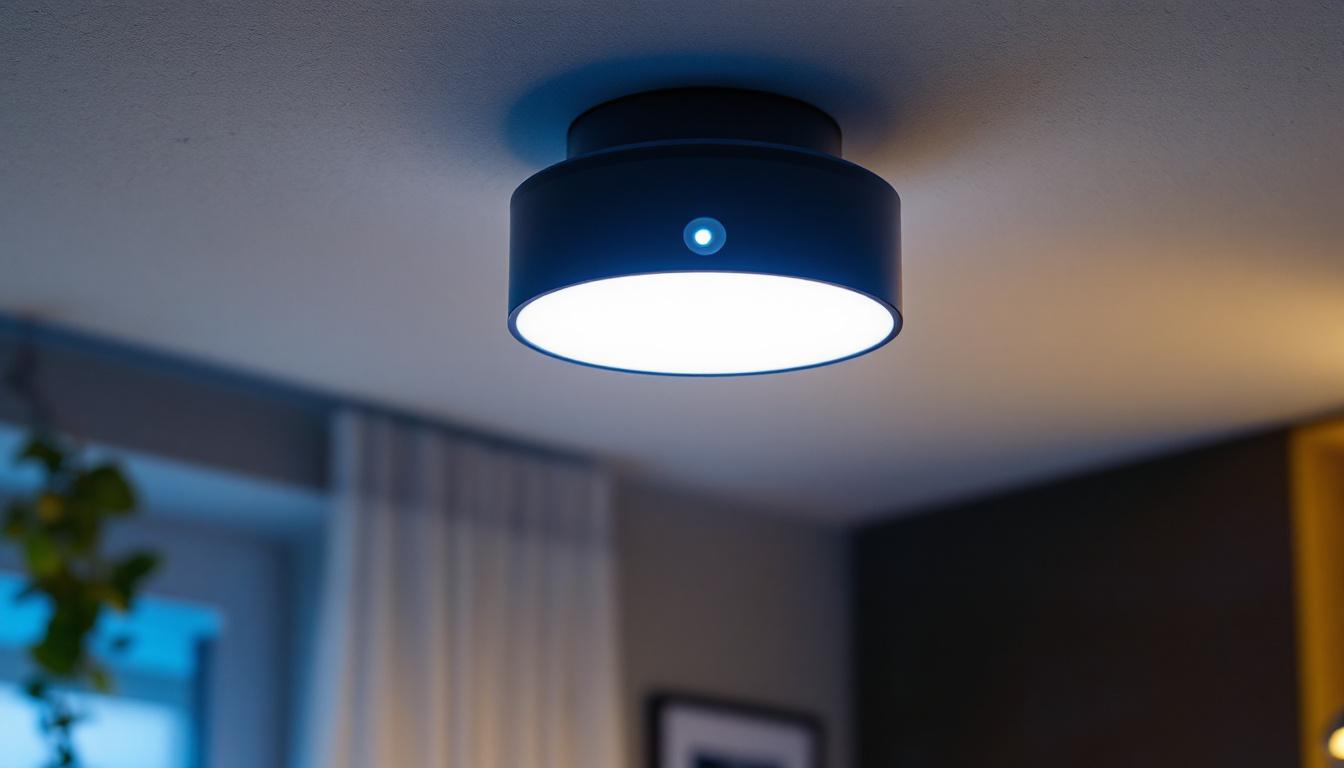
Ceiling mount motion sensor lights detect movement within a designated area and automatically switch the lighting on or off. This automation reduces unnecessary energy consumption and provides a seamless user experience. As energy codes tighten and consumers become more environmentally conscious, the demand for such smart lighting solutions continues to grow, presenting lucrative opportunities for contractors.
Beyond their basic functionality, ceiling mount motion sensor lights can be equipped with advanced features such as adjustable sensitivity settings, which allow users to customize how easily the sensor detects motion. This is particularly useful in environments where false triggers could be a concern, such as in areas with high foot traffic or where pets may roam. Additionally, many modern models integrate with smart home systems, enabling users to control their lighting remotely via smartphone apps or voice commands, further enhancing the convenience and adaptability of these systems.
Moreover, the versatility of ceiling mount motion sensor lights extends to their design and application. Available in various styles, from sleek and modern to more traditional appearances, these lights can complement any aesthetic. They are suitable for a range of settings, including hallways, garages, outdoor patios, and commercial spaces like retail stores and office buildings. By strategically placing these lights, contractors can not only improve safety and visibility but also create inviting atmospheres that enhance the overall user experience, making them an indispensable tool in contemporary lighting design.
Market Trends and Demand Drivers
Energy Efficiency Regulations and Incentives
Governments and regulatory bodies worldwide are increasingly implementing stringent energy efficiency standards. These regulations often encourage or mandate the use of motion sensor lighting in commercial buildings, parking garages, and public spaces. Lighting contractors who are well-versed in these requirements can leverage them to secure more projects and justify premium pricing.
Additionally, many utility companies offer rebates or incentives for installing energy-saving devices like motion sensor lights. Contractors who can navigate these programs and assist clients in obtaining rebates add significant value, enhancing client satisfaction and increasing the likelihood of repeat business. As the push for sustainability continues to grow, contractors who stay updated on the latest regulations can also help their clients avoid potential penalties associated with non-compliance, further solidifying their role as trusted advisors in the industry.
Growing Emphasis on Smart Building Technologies
The integration of Internet of Things (IoT) technologies in building management systems is accelerating. Ceiling mount motion sensor lights often serve as entry points into more sophisticated smart lighting networks that allow remote control, scheduling, and data analytics. Contractors who understand these technologies can position themselves as experts in smart building solutions, opening doors to higher-margin projects. Furthermore, the data collected from these smart systems can provide valuable insights into energy usage patterns, enabling clients to optimize their energy consumption and reduce costs over time. This data-driven approach not only enhances operational efficiency but also aligns with the broader trend of sustainability in building management.
Security and Safety Concerns
Motion sensor lighting plays a critical role in enhancing security by deterring unauthorized access and improving visibility in vulnerable areas. This benefit is particularly valued in commercial and industrial settings. Lighting contractors who emphasize these security advantages can differentiate their services and justify investment in higher-quality sensor systems. Moreover, the rise in urban crime rates has heightened the demand for effective security solutions, making motion sensor lighting an attractive option for property owners looking to protect their assets. By integrating these systems with other security measures, such as surveillance cameras and alarm systems, contractors can offer comprehensive security packages that not only meet but exceed client expectations.
Additionally, the psychological impact of well-lit environments should not be overlooked. Studies have shown that well-lit areas can significantly reduce the fear of crime, making employees and customers feel safer and more comfortable. Contractors who can articulate these benefits and provide tailored solutions that address specific security concerns will likely find themselves in high demand, as businesses increasingly prioritize safety alongside energy efficiency in their operational strategies.
Installation and Operational Considerations
Complexity and Time Investment
Installing ceiling mount motion sensor lights requires a thorough understanding of sensor placement, wiring, and integration with existing electrical systems. While the installation process may be more complex than traditional lighting fixtures, efficient project planning and skilled labor can mitigate time costs. Contractors who invest in training and adopt best practices can reduce installation times, thereby improving labor margins. Additionally, utilizing advanced tools and technologies, such as laser measuring devices and mobile apps for project management, can streamline the installation process. These innovations not only enhance precision but also allow for real-time adjustments, ensuring that the installation meets both safety standards and client expectations.
Customization and Client Consultation
Each installation site has unique characteristics that influence sensor performance, such as ceiling height, room layout, and ambient lighting conditions. Lighting contractors must conduct detailed site assessments and engage clients in discussions about usage patterns and expectations. Tailoring sensor settings and placement not only ensures optimal functionality but also enhances client satisfaction, which can translate into positive referrals and repeat business. Furthermore, educating clients about the technology behind motion sensors, including the differences between passive infrared and ultrasonic sensors, can empower them to make informed decisions. This level of engagement not only builds trust but also positions the contractor as a knowledgeable expert in the field.
Maintenance and After-Sales Service
Ceiling mount motion sensor lights generally require minimal maintenance; however, sensors may occasionally need recalibration or replacement due to environmental factors or wear. Contractors who offer maintenance contracts or after-sales support create additional revenue streams and strengthen client relationships. Proactive service can also prevent costly system failures that might damage a contractor’s reputation. Moreover, providing clients with a simple guide for troubleshooting common issues can enhance their experience and encourage them to reach out for professional help when needed. This approach not only fosters loyalty but also opens the door for future projects as clients become more reliant on the contractor for their lighting needs.
Financial Impact on Lighting Contractors
Cost of Materials and Inventory Management
Motion sensor lighting components typically cost more than standard fixtures, impacting upfront material expenses. However, bulk purchasing agreements and relationships with reliable suppliers can help contractors manage costs effectively. Maintaining an optimized inventory that balances availability with turnover reduces holding costs and mitigates the risk of obsolete stock.
Pricing Strategies and Profit Margins
Given the added value of motion sensor lighting—energy savings, convenience, and security—contractors can adopt value-based pricing models rather than competing solely on price. Educating clients on long-term cost savings and benefits supports premium pricing. Additionally, bundling sensor lighting with other smart building solutions can increase overall project value and profitability.
Labor Costs and Efficiency Gains
While installation may initially require more labor hours, familiarity with motion sensor systems leads to increased efficiency over time. Training programs and standardized installation protocols contribute to reducing labor costs. Furthermore, contractors who leverage technology such as digital project management tools can streamline workflows and improve scheduling accuracy, positively affecting the bottom line.
Competitive Advantages for Lighting Contractors
Positioning as a Technology Leader
Contractors who specialize in ceiling mount motion sensor lighting position themselves as forward-thinking and technologically adept. This reputation attracts clients seeking modern, sustainable lighting solutions and can differentiate a contractor in a crowded marketplace.
Expanding Service Offerings
Incorporating motion sensor lighting enables contractors to expand their portfolio into smart lighting and building automation. This diversification reduces dependency on traditional lighting projects and opens opportunities in emerging markets such as green building and security-focused installations.
Building Long-Term Client Relationships
Providing comprehensive solutions that include motion sensor lighting fosters trust and loyalty. Clients appreciate contractors who can advise on energy-saving technologies and deliver ongoing support. These relationships often lead to referrals and repeat business, which are critical for sustained profitability.
Challenges and Risk Management
Technical Challenges and Troubleshooting
Motion sensor systems can sometimes experience false triggers or fail to detect movement accurately due to environmental factors like temperature fluctuations or obstructions. Lighting contractors must be prepared to troubleshoot these issues promptly to maintain client satisfaction and avoid costly callbacks.
Keeping Up with Rapid Technological Changes
The pace of innovation in sensor technology and smart lighting is rapid. Contractors must invest in continuous education and stay informed about new products and standards to remain competitive. Partnering with manufacturers for training and support can mitigate this challenge.
Managing Client Expectations
Clear communication about the capabilities and limitations of motion sensor lighting is essential. Overpromising can lead to dissatisfaction, while realistic expectations foster trust. Providing demonstrations or pilot installations can help clients understand the technology’s benefits and constraints.
Conclusion: Maximizing Profitability Through Expertise and Innovation
Ceiling mount motion sensor lights represent a significant opportunity for lighting contractors to enhance their service offerings, improve project profitability, and build lasting client relationships. By understanding market trends, mastering installation techniques, and adopting strategic pricing and maintenance models, contractors can turn this technology into a competitive advantage.
Success in this area requires a commitment to ongoing education, proactive client engagement, and efficient project management. Those who embrace these principles will not only improve their bottom line but also contribute to the broader goals of energy efficiency and smart building innovation.
Upgrade Your Lighting Projects with LumenWholesale
Ready to elevate your lighting installations and boost your bottom line? At LumenWholesale, we provide lighting contractors with the highest quality, spec-grade ceiling mount motion sensor lights and more, all at unbeatable wholesale prices. Say goodbye to middleman markups and hello to reliable, high-performance lighting that meets the most rigorous industry standards. With our commitment to hassle-free bulk buying and free shipping, you can secure premium lighting solutions at the best value — no hidden fees, no compromises. Enhance your service offerings and stay ahead of the curve by choosing Wholesale Lighting at the Best Value with LumenWholesale.