In the competitive world of lighting installation, understanding the intricacies of ceiling light components can significantly enhance profitability for contractors. This guide delves into the essential components of ceiling lights, their functions, and how mastering these elements can lead to increased efficiency and customer satisfaction.
Understanding Ceiling Light Components
Ceiling lights are not just fixtures that illuminate a space; they consist of various components that work together to provide functionality and aesthetics. For lighting contractors, a comprehensive understanding of these components is crucial. This knowledge not only aids in installation but also empowers contractors to offer informed recommendations to clients. A well-informed contractor can guide clients through the myriad of options available, ensuring that each choice aligns with the client’s vision and practical needs. This level of expertise fosters trust and can lead to long-term relationships with clients who appreciate personalized service.
Types of Ceiling Light Fixtures
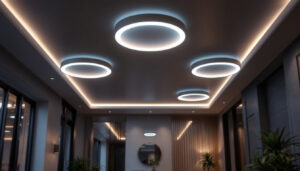
There are several types of ceiling light fixtures, each designed for specific purposes and environments. Some common types include recessed lights, flush mounts, and pendant lights. Recessed lights, for instance, are ideal for creating a sleek, modern look, while flush mounts are perfect for low ceilings. Understanding the differences helps contractors suggest the best options for their clients’ needs. Additionally, track lighting has gained popularity for its versatility; it allows for directional lighting that can be adjusted to highlight artwork or architectural features in a room.
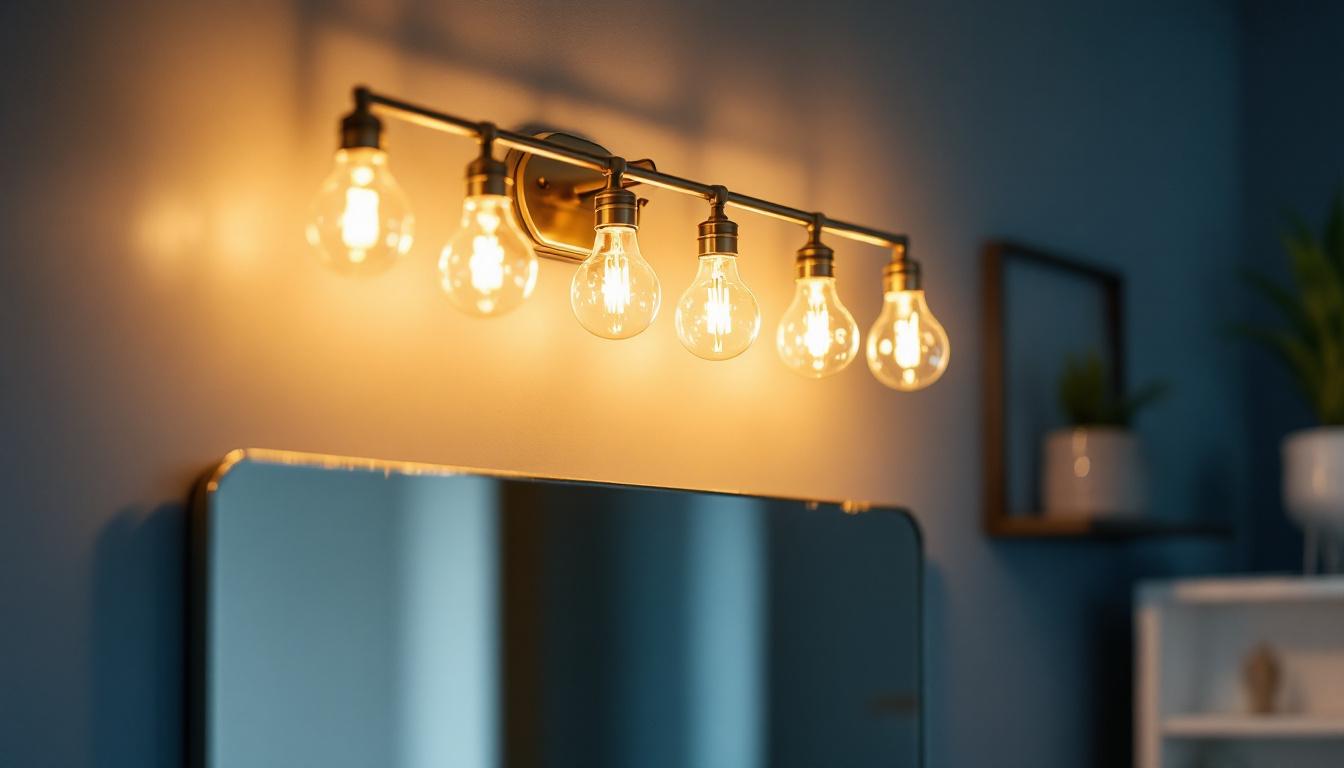
Pendant lights, on the other hand, can serve as statement pieces in a room, combining functionality with design. They come in various styles, from minimalist to ornate, and can be used in clusters for a dramatic effect. Knowing when and where to use each type can enhance the overall appeal of a project, ultimately leading to higher customer satisfaction and repeat business. Furthermore, contractors should consider the scale of the space when recommending fixtures, as oversized pendants in a small room can overwhelm the space, while small fixtures in a large area may not provide adequate illumination.
Key Components of Ceiling Lights
Each ceiling light fixture comprises several key components that contribute to its performance. These include the housing, trim, bulb, and driver. The housing is the part that holds the light fixture in place and is often hidden within the ceiling. The trim, which is visible, can vary in style and finish, allowing for customization according to the client’s preferences. Different trims can also affect the distribution of light, with some designed to create a more focused beam while others provide a wider spread, making it essential for contractors to understand these nuances.
The bulb is arguably the most critical component, as it determines the brightness and color temperature of the light. Contractors should be knowledgeable about different bulb types, such as LED, incandescent, and fluorescent, to provide the best options for energy efficiency and longevity. The shift towards LED technology has revolutionized the lighting industry, offering not only energy savings but also a variety of color temperatures that can influence the mood of a room. Lastly, the driver is essential for LED fixtures, converting electrical energy to a usable form for the bulbs. Understanding the compatibility of drivers with various bulb types is crucial for ensuring optimal performance and avoiding flickering or dimming issues.
Importance of Quality Components
Investing in high-quality components can significantly impact the overall performance and lifespan of ceiling lights. Cheaper components may save costs upfront but can lead to frequent replacements and repairs, ultimately costing more in the long run. Educating clients about the benefits of quality components can help justify higher initial costs and enhance their overall satisfaction. Additionally, high-quality materials often come with better warranties, providing peace of mind for clients and reducing the likelihood of service calls for contractors.
Moreover, the aesthetic appeal of high-quality fixtures can elevate the overall design of a space. Clients often appreciate the subtle differences that premium components bring, such as better finishes that resist tarnishing or fading over time. By emphasizing the long-term benefits of quality, contractors can position themselves as trusted advisors, guiding clients toward choices that not only meet their immediate needs but also enhance the value and enjoyment of their spaces for years to come.
Maximizing Efficiency in Installation
Efficiency during installation is crucial for lighting contractors, as it directly affects profitability. Understanding the components of ceiling lights allows contractors to streamline their processes, reducing time spent on each project.
Pre-Installation Planning
Before beginning any installation, thorough planning is essential. This includes understanding the layout of the space, the types of fixtures required, and the electrical requirements. By assessing these factors beforehand, contractors can avoid potential delays and complications during the installation process.
Creating a checklist of components needed for each project can also enhance efficiency. This ensures that all necessary parts are on hand before starting, reducing the need for multiple trips to suppliers and minimizing downtime.
Utilizing Technology for Efficiency
Incorporating technology into the installation process can further enhance efficiency. Tools such as project management software can help contractors keep track of timelines, budgets, and materials. Additionally, using apps for lighting design can assist in visualizing how different fixtures will look in a space, aiding in client consultations.
Furthermore, digital tools can streamline communication with clients, ensuring that any changes or updates are promptly conveyed. This transparency fosters trust and can lead to a more collaborative working relationship.
Enhancing Customer Satisfaction
Customer satisfaction is paramount in the lighting industry. Satisfied clients are more likely to refer contractors to others and return for future projects. Understanding ceiling light components and their benefits allows contractors to provide tailored solutions that meet specific client needs.
Educating Clients on Options
One effective way to enhance customer satisfaction is by educating clients about their options. Many clients may not be aware of the different types of ceiling lights available or the benefits of each component. By taking the time to explain these aspects, contractors can empower clients to make informed decisions.
Providing samples or visual aids can also help clients visualize the end result. This not only aids in their decision-making process but also builds confidence in the contractor’s expertise.
Offering Maintenance and Support
Another way to boost customer satisfaction is by offering ongoing maintenance and support. After installation, clients may have questions or need assistance with their new fixtures. By providing a reliable point of contact for support, contractors can foster long-term relationships with their clients.
Additionally, offering maintenance services can lead to repeat business. Regular check-ups on lighting fixtures can prevent issues before they arise, ensuring that clients are always satisfied with their lighting solutions.
Marketing Strategies for Lighting Contractors
In a competitive market, effective marketing strategies are essential for lighting contractors to stand out. Understanding ceiling light components can be a unique selling point that differentiates contractors from their competitors.
Showcasing Expertise Through Content Marketing
Content marketing is a powerful tool for establishing authority in the lighting industry. By creating informative blog posts, videos, or infographics about ceiling light components, contractors can showcase their expertise and attract potential clients. This educational content can also be shared on social media platforms, expanding reach and visibility.
Additionally, hosting workshops or webinars can further position contractors as industry experts. These events provide valuable information to attendees while also allowing contractors to connect with potential clients in a more personal setting.
Leveraging Customer Testimonials
Customer testimonials can be a compelling marketing tool. Satisfied clients can provide valuable insights into the quality of work and the effectiveness of the components used. By showcasing these testimonials on websites and social media, contractors can build trust with potential clients.
Encouraging clients to leave reviews on platforms like Google or Yelp can also enhance visibility. Positive reviews can significantly influence potential customers’ decisions, making them more likely to choose a contractor with a solid reputation.
Staying Updated with Industry Trends
The lighting industry is constantly evolving, with new technologies and trends emerging regularly. For lighting contractors, staying updated with these changes is crucial for maintaining a competitive edge.
Following Industry Publications and Blogs
Subscribing to industry publications and blogs can provide valuable insights into the latest trends and innovations in lighting. These resources often feature articles on new products, design trends, and best practices, keeping contractors informed and ahead of the curve.
Additionally, joining industry associations can offer networking opportunities and access to exclusive resources. These connections can lead to partnerships and collaborations that further enhance a contractor’s offerings.
Participating in Trade Shows and Conferences
Attending trade shows and conferences is another effective way to stay updated. These events provide opportunities to learn about new products, meet suppliers, and network with other professionals in the industry. Engaging with peers can lead to valuable exchanges of ideas and experiences, fostering growth and innovation.
Moreover, trade shows often feature workshops and presentations from industry leaders, providing insights that can be directly applied to improve business practices.
Conclusion
Understanding ceiling light components is essential for lighting contractors aiming to boost profits and enhance customer satisfaction. By mastering these components, contractors can streamline their installation processes, provide tailored solutions, and market their services effectively.
Moreover, staying updated with industry trends and continuously educating clients can set contractors apart in a competitive market. By focusing on quality, efficiency, and customer relationships, lighting contractors can build a successful and sustainable business in the ever-evolving lighting industry.
Get Your Premium Lighting Supplies at LumenWholesale
Ready to elevate your lighting installations with the finest components on the market? Look no further than LumenWholesale, where we offer an unmatched selection of spec-grade lighting products at wholesale prices that can’t be beaten. Say goodbye to local distributor markups and hello to high-quality, cost-effective solutions for all your lighting needs. With free shipping on bulk orders, you can stock up on everything you need to impress your clients and enhance your projects. Don’t compromise on quality or value—Wholesale Lighting at the Best Value is just a click away. Make the smart choice for your business and join the LumenWholesale family today.