Introduction to Metal-Bladed Ceiling Fans in Lighting Projects
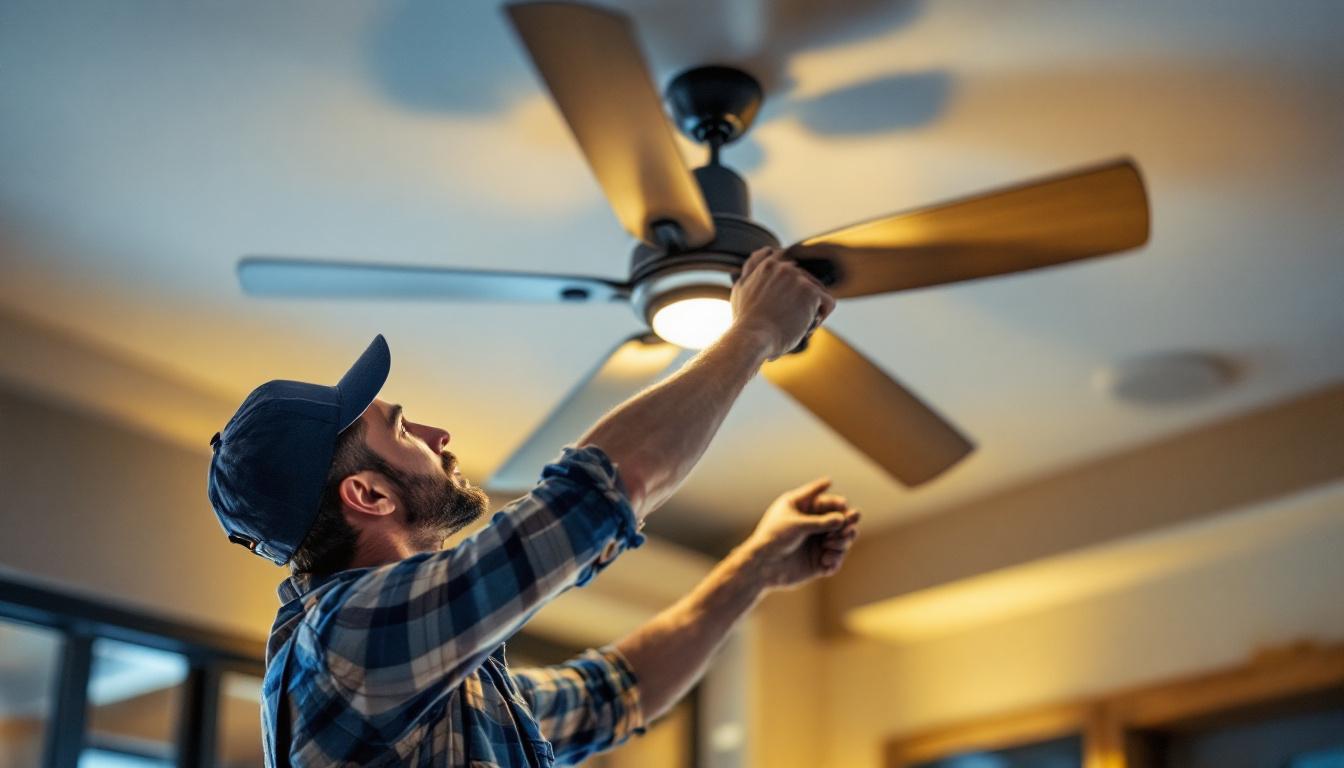
Ceiling fans have long been an essential component in both residential and commercial lighting projects, offering comfort, air circulation, and energy efficiency. Among the various types of ceiling fans, those with metal blades stand out for their durability, aesthetic appeal, and performance. For lighting contractors, understanding the nuances of installing and maintaining ceiling fans with metal blades is crucial to delivering quality service and ensuring client satisfaction.
Metal blades differ significantly from traditional wood or plastic blades, not only in material but also in weight, balance, and interaction with lighting fixtures. This article explores the key do’s and don’ts lighting contractors should consider when working with ceiling fans featuring metal blades, focusing on installation best practices, safety considerations, and maintenance tips.
One of the primary advantages of metal-bladed ceiling fans is their ability to withstand various environmental conditions, making them suitable for both indoor and outdoor applications. Metal blades are often treated with finishes that resist rust and corrosion, which is particularly beneficial in humid or coastal areas. Additionally, the sleek, modern look of metal blades can complement a wide range of interior design styles, from industrial chic to contemporary minimalism, allowing homeowners and businesses to enhance their aesthetic while enjoying the functional benefits of air circulation.
Moreover, when it comes to energy efficiency, metal-bladed fans can be more effective than their wooden or plastic counterparts. Their weight and design allow for optimized airflow, which can lead to reduced reliance on air conditioning systems during warmer months. This not only helps in lowering energy bills but also contributes to a more sustainable approach to climate control. As lighting contractors, it’s essential to educate clients on the long-term benefits of investing in high-quality metal-bladed ceiling fans, emphasizing their performance and longevity, which can ultimately lead to greater customer satisfaction and repeat business.
Understanding the Characteristics of Metal-Bladed Ceiling Fans
Durability and Design Advantages
Metal blades are prized for their robustness and resistance to warping, cracking, or fading, which are common issues with wooden blades, especially in humid or outdoor environments. This makes metal-bladed fans an excellent choice for commercial spaces, industrial settings, and even modern residential designs where longevity is a priority. In addition to their durability, many manufacturers apply protective coatings to metal blades, enhancing their resistance to scratches and corrosion, thus extending their lifespan even further. This added layer of protection is particularly beneficial in coastal areas where salt air can accelerate the deterioration of metal surfaces.
Additionally, metal blades often come in sleek, contemporary designs that complement industrial or minimalist aesthetics. Their reflective surfaces can enhance ambient lighting, adding a subtle glow that complements the overall lighting scheme. Beyond aesthetics, the choice of finishes—such as brushed nickel, matte black, or polished chrome—allows for customization that can harmonize with various interior styles, from modern lofts to chic office spaces. The versatility in design also means that metal-bladed fans can serve as statement pieces, drawing attention while providing functional cooling solutions.
Weight and Balance Considerations
One of the primary technical considerations with metal blades is their weight. Metal blades are generally heavier than wood or plastic, which affects the fan’s motor load and balance. An imbalanced or overloaded fan can lead to wobbling, noise, and premature wear on the motor and mounting hardware. This weight also necessitates a more robust installation process, often requiring additional support structures or reinforced ceiling mounts to ensure safe operation. Proper installation is crucial, as a well-balanced fan not only operates more quietly but also maximizes airflow efficiency, ensuring that the intended cooling effect is achieved.
Lighting contractors must ensure that the fan’s motor is rated to handle the weight of metal blades and that the blades are properly balanced during installation. Failure to do so can result in operational inefficiencies and safety hazards. Furthermore, regular maintenance checks are advisable to monitor the balance and tightness of the blades over time, especially in high-usage environments. This proactive approach can prevent potential issues and extend the fan’s operational lifespan, making it a wise investment for both residential and commercial applications. Additionally, some advanced models come equipped with features such as self-balancing technology, which can automatically adjust to maintain optimal performance, further alleviating concerns related to weight and balance.
Do’s for Lighting Contractors When Installing Metal-Bladed Ceiling Fans
Do Choose the Right Fan for the Application
Before installation, verify that the ceiling fan model is designed to accommodate metal blades. Check the manufacturer’s specifications regarding blade weight limits, motor capacity, and mounting requirements. Selecting a fan that is not engineered for metal blades can lead to mechanical failure and void warranties.
For commercial or industrial projects, consider fans with heavy-duty motors and reinforced mounting brackets to support the additional weight and operational demands.
Do Perform a Thorough Pre-Installation Inspection
Inspect the mounting location for structural integrity, ensuring it can support the weight of the fan and its metal blades. Metal blades add significant load, so ceiling joists and mounting boxes must be rated accordingly. Use a fan-rated electrical box designed to handle dynamic loads and vibrations.
Also, verify that the electrical wiring is compatible with the fan’s voltage and control requirements, especially if integrated lighting kits are involved.
Do Balance the Blades Meticulously
Balancing is critical for metal-bladed fans due to their weight. Use blade balancing kits and tools to minimize wobble and vibration. Even small imbalances can cause noise, reduce motor life, and compromise safety.
After installation, run the fan at various speeds to check for smooth operation. If wobbling occurs, adjust the blade weights or re-tighten mounting screws as necessary.
Do Coordinate Fan and Lighting Controls
Many ceiling fans with metal blades include integrated lighting kits or are installed alongside separate lighting fixtures. Ensure that the control systems for both the fan and lighting are compatible and user-friendly.
Consider installing multi-function wall controls or smart home integration to provide clients with convenient and efficient control over fan speed and lighting intensity.
Do Follow Manufacturer Guidelines and Local Codes
Always adhere to the installation instructions provided by the manufacturer, as they often include specific recommendations for metal blade fans. Additionally, comply with local electrical and building codes to ensure safety and code compliance.
Failure to follow these guidelines can result in failed inspections, liability issues, and potential hazards.
Don’ts for Lighting Contractors When Working With Metal-Bladed Fans
Don’t Underestimate the Weight Impact
One common mistake is treating metal blades like lighter wood or plastic blades during installation. Underestimating the additional weight can lead to inadequate mounting support, causing the fan to loosen or fall over time.
Always calculate the total load and verify that the mounting hardware and ceiling structure can safely support it.
Don’t Neglect Blade Clearance and Airflow Patterns
Metal blades can affect airflow differently due to their shape and weight. Avoid installing fans too close to walls, light fixtures, or other obstructions that can disrupt airflow or cause blade contact.
Maintain proper clearance as specified by the manufacturer to optimize performance and prevent damage to the blades or surrounding fixtures.
Don’t Ignore Noise and Vibration Issues
Metal blades may transmit vibrations more readily than wood or plastic, potentially causing noise problems. Ignoring early signs of vibration or noise can lead to customer dissatisfaction and increased service calls.
Address these issues promptly by rebalancing blades, tightening screws, or inspecting the motor and mounting hardware for wear.
Don’t Overlook Maintenance Requirements
Metal blades require periodic cleaning and inspection to maintain their appearance and function. Dust accumulation can affect balance and airflow, while corrosion may develop in certain environments if the metal is not properly treated.
Advise clients on regular maintenance schedules and provide guidance on safe cleaning methods to preserve the fan’s lifespan.
Don’t Forget Safety Precautions During Installation
Working with ceiling fans, especially those with heavier metal blades, involves risks such as falling components or electrical hazards. Avoid rushing installation and always use appropriate personal protective equipment (PPE).
Secure the fan during assembly to prevent accidental drops, and double-check all electrical connections before powering the unit.
Additional Tips for Enhancing Client Satisfaction
Educate Clients on Fan Operation and Maintenance
Providing clients with clear instructions on operating their metal-bladed ceiling fans, including speed settings and lighting controls, can enhance their experience. Highlight the importance of regular cleaning and balancing checks to prolong the fan’s life.
Offer Energy-Efficient Options
Metal-bladed fans often pair well with energy-efficient motors and LED lighting kits. Recommending these options can help clients reduce energy consumption and utility costs, aligning with growing demand for sustainable solutions.
Customize Fan Selection to Match Interior Design
Metal blades come in various finishes such as brushed nickel, matte black, or polished chrome. Collaborate with clients and interior designers to select fans that complement the space’s aesthetic, adding value beyond functionality.
Conclusion
Ceiling fans with metal blades present unique opportunities and challenges for lighting contractors. Their durability, modern look, and performance benefits make them a popular choice in many projects, but proper installation and maintenance are key to ensuring safety and client satisfaction.
By following the outlined do’s and don’ts—selecting appropriate models, ensuring structural support, balancing blades, coordinating controls, and adhering to safety standards—lighting contractors can confidently incorporate metal-bladed ceiling fans into their projects. This expertise not only enhances the quality of their work but also builds trust and long-term relationships with clients.
Get Your Premium Metal-Bladed Ceiling Fans at LumenWholesale
Ready to elevate your lighting projects with the durability and modern appeal of metal-bladed ceiling fans? Look no further than LumenWholesale for an extensive selection of high-quality, spec-grade lighting products. Our commitment to providing contractors with superior lighting solutions at wholesale prices means you can access top-tier products without the inflated markups often found with local distributors. Plus, with free shipping on bulk orders, you can stock up on the best lighting options without worrying about hidden fees. Make your next project shine with the perfect blend of quality, affordability, and convenience. Wholesale Lighting at the Best Value is just a click away.