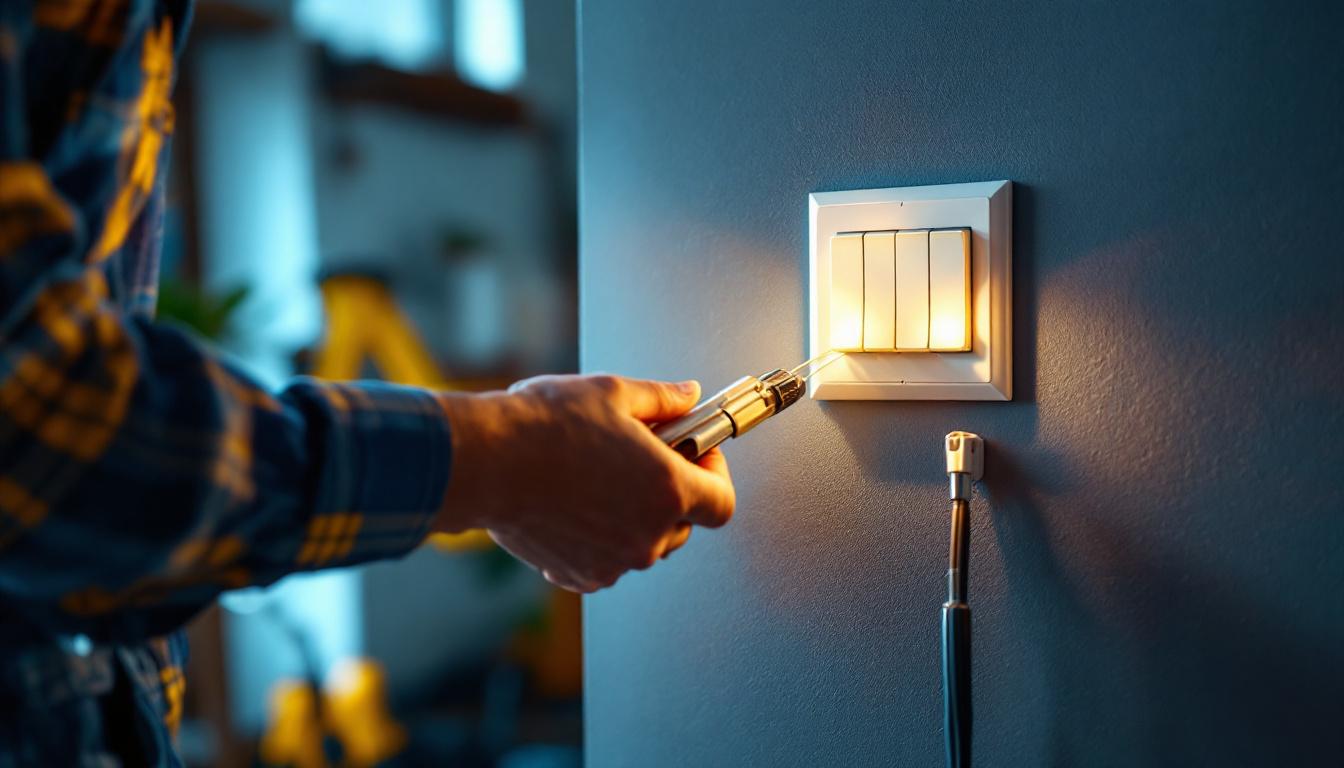
Understanding Ceiling Fan Switch Controls: A Foundation for Lighting Contractors
Ceiling fans are a staple in both residential and commercial spaces, offering comfort and energy efficiency. However, the control mechanisms behind these fans—particularly the switch controls—can be surprisingly complex. For lighting contractors, mastering ceiling fan switch control is essential not only to ensure proper installation but also to provide clients with seamless user experiences.
Switch controls for ceiling fans typically govern two main functions: the fan motor speed and the integrated lighting fixture. These controls come in various forms, including pull chains, wall switches, remote controls, and smart home integrations. Each control type requires a different approach in wiring, troubleshooting, and customization, making it crucial for contractors to stay informed about the latest technologies and best practices.
Moreover, the rise of energy-efficient homes and smart devices has increased demand for advanced switch control systems that can integrate with home automation platforms. This evolution means that lighting contractors must not only be proficient in traditional wiring but also understand digital interfaces and communication protocols.
In addition to understanding the various control types, contractors should also be aware of the importance of fan placement and its impact on airflow and efficiency. The height of the ceiling, the size of the room, and the specific design of the fan all play a critical role in how effectively a ceiling fan can circulate air. For instance, a fan installed too high may not provide adequate airflow, while one placed too low can create discomfort. Therefore, knowledge of best practices in fan placement is vital for achieving optimal performance and ensuring customer satisfaction.
Furthermore, as energy efficiency becomes increasingly important to homeowners and businesses alike, contractors must also be familiar with the energy ratings and certifications associated with ceiling fans. Understanding the differences between Energy Star-rated products and standard models can help contractors guide their clients toward more sustainable choices. This not only enhances the contractor’s reputation as a knowledgeable professional but also contributes to the broader goal of reducing energy consumption in our communities.
Key Types of Ceiling Fan Switch Controls and Their Wiring Considerations
Pull Chain Switches
Pull chain switches are the most traditional and straightforward control method. Typically, one chain controls the fan speed (off, low, medium, high), and another controls the light fixture. Despite their simplicity, pull chains require precise wiring to ensure that the fan and light operate independently without interference.
Lighting contractors should verify that the fan’s internal wiring matches the pull chain configuration to avoid common issues such as lights flickering when the fan speed changes or the fan not responding to the chain pull. Additionally, the durability of pull chains can vary, so recommending high-quality components can reduce future maintenance calls. Regular inspections can also help identify wear and tear before they lead to malfunction, ensuring that homeowners enjoy uninterrupted comfort.
Moreover, while pull chains are often seen as a basic option, they can be customized with decorative pulls that enhance the aesthetic appeal of the fan. This feature allows homeowners to express their personal style while maintaining functionality. Contractors can suggest various materials and designs, from rustic wooden pulls to sleek metallic options, making the pull chain a subtle yet significant design element in the overall room decor.
Wall Switch Controls
Wall switches offer a more permanent and user-friendly solution compared to pull chains. They can be single switches controlling either the fan or light or multi-switch panels that allow independent control of both functions. Some advanced wall switches also include fan speed control through variable settings.
When installing wall switches, lighting contractors must carefully plan the wiring layout. This often involves running separate traveler wires from the switch box to the fan fixture, ensuring that the fan motor and light fixture circuits are isolated for independent control. Incorrect wiring can lead to issues such as the fan running at full speed regardless of switch position or the light failing to turn on.
Moreover, contractors should be aware of local electrical codes and standards that govern switch wiring, especially when integrating dimmers or variable speed controls, which may require specific types of wiring and circuit protection. Additionally, wall switches can be enhanced with features like backlit buttons for easy visibility in low-light conditions, adding both functionality and a modern touch to the home environment.
Remote Control Systems
Remote controls have gained popularity for their convenience and flexibility. These systems typically include a receiver installed inside the fan housing and a handheld transmitter. Remote controls can manage fan speed, lighting, and sometimes additional features like timer settings or reversible motor direction.
From a contractor’s perspective, installing remote control systems demands careful attention to compatibility. Not all fans are designed to accommodate remote receivers, and improper installation can cause electrical interference or reduced performance. Additionally, understanding the receiver’s wiring diagram is crucial to connect the fan motor, light kit, and power source correctly.
Remote controls also introduce considerations around battery maintenance and signal range, which contractors should communicate to clients to ensure long-term satisfaction. Furthermore, some remote systems offer the ability to control multiple fans from a single remote, which can be particularly advantageous in larger spaces or open floor plans. This capability not only enhances user convenience but also promotes energy efficiency by allowing centralized control over multiple fixtures.
Smart Switch Controls and Home Automation Integration
Smart switches and integrated home automation systems represent the cutting edge in ceiling fan control. These systems allow users to control fans and lights via smartphone apps, voice commands, or automated schedules. Popular platforms include Wi-Fi-enabled switches and compatibility with ecosystems like Amazon Alexa, Google Assistant, and Apple HomeKit.
For lighting contractors, mastering smart switch control involves understanding both the electrical installation and the software configuration. This includes ensuring the correct neutral wiring is present in the switch box—a requirement for most smart switches—and troubleshooting connectivity issues. Additionally, contractors should stay updated on cybersecurity best practices to protect clients’ smart home networks and provide guidance on firmware updates and device management.
As smart technology evolves, new features are continually being developed, such as geofencing capabilities that allow fans to operate based on the homeowner’s location. This innovation not only enhances comfort by automatically adjusting the fan when someone enters or leaves the home but also contributes to energy savings by ensuring that the fan is only running when needed. Educating clients about these advanced functionalities can significantly enhance their overall experience with smart home systems, making them more likely to embrace and invest in such technologies.
Essential Tools and Resources for Lighting Contractors
Wiring Diagrams and Manufacturer Guides
Accurate wiring diagrams are indispensable for successful ceiling fan switch control installations. Manufacturers often provide detailed schematics that outline the color coding, terminal connections, and switch functions. Contractors should maintain a comprehensive library of these guides for the brands and models they encounter most frequently.
Online databases and mobile apps from manufacturers can offer quick access to updated wiring information, saving time on-site and reducing errors. Additionally, consulting the National Electrical Code (NEC) and local amendments ensures compliance and safety.
Training and Certification Programs
Continuous education is vital in the evolving field of electrical installations. Lighting contractors can benefit from specialized training programs focused on ceiling fan controls, smart home integration, and energy-efficient solutions. Certifications from recognized industry bodies not only enhance skills but also build client trust.
Many manufacturers and electrical associations offer workshops, webinars, and hands-on courses that cover the latest technologies and installation techniques. Investing time in these resources can differentiate contractors in a competitive market.
Diagnostic and Testing Equipment
Proper testing is essential to verify that ceiling fan switch controls function correctly after installation. Multimeters, circuit testers, and specialized fan speed meters help contractors diagnose wiring faults, voltage irregularities, and motor performance issues.
Advanced tools like infrared thermometers can detect overheating components, while wireless signal testers assist in troubleshooting remote control systems. Equipping a toolkit with these devices enables contractors to deliver reliable and professional service.
Best Practices for Installation and Troubleshooting
Pre-Installation Assessment
Before beginning any installation, contractors should conduct a thorough assessment of the existing electrical infrastructure. This includes verifying circuit capacity, switch box compatibility, and the presence of necessary wiring such as neutral conductors for smart switches.
Understanding the client’s needs—such as preferences for remote control or integration with home automation—guides the selection of appropriate switch control systems and avoids costly modifications later.
Safe and Code-Compliant Wiring
Adhering to electrical codes and safety standards is non-negotiable. Proper grounding, secure connections, and the use of approved materials reduce the risk of electrical hazards. Lighting contractors should also label wires clearly and document the wiring layout for future reference.
When installing dimmers or variable speed controls, selecting compatible devices designed specifically for ceiling fans prevents motor damage and ensures smooth operation.
Comprehensive Testing and Client Education
After installation, thorough testing of all switch functions confirms that the system operates as intended. Contractors should test each fan speed setting, light control, and any remote or smart features.
Equally important is educating clients on the proper use and maintenance of their ceiling fan controls. Providing written instructions, demonstrating functions, and advising on troubleshooting steps enhances customer satisfaction and reduces service calls.
Emerging Trends and Future Directions in Ceiling Fan Switch Control
The ceiling fan industry continues to innovate, with trends focusing on increased energy efficiency, enhanced user interfaces, and deeper integration with smart home ecosystems. Lighting contractors who stay ahead of these trends can offer clients cutting-edge solutions that add value and convenience.
For instance, the adoption of brushless DC motors paired with advanced electronic controllers allows for quieter operation and finer speed adjustments. Voice-activated controls and AI-driven automation are also becoming more prevalent, enabling personalized comfort settings based on occupancy and environmental conditions.
Furthermore, sustainability considerations are driving demand for controls that optimize energy use, such as occupancy sensors and adaptive lighting linked to natural daylight cycles. Contractors who embrace these innovations position themselves as leaders in the evolving market.
Conclusion
Mastering ceiling fan switch control is a critical skill for lighting contractors aiming to deliver high-quality, reliable installations. By understanding the various control types, utilizing essential tools and resources, adhering to best practices, and staying informed about emerging trends, contractors can enhance their expertise and client satisfaction.
Investing in ongoing education and embracing technological advancements not only improves installation outcomes but also opens opportunities for specialization in smart home integration and energy-efficient solutions. As ceiling fan controls become more sophisticated, lighting contractors who commit to mastery will continue to thrive in a competitive and dynamic industry.
Get Your Premium Lighting Supplies at LumenWholesale
Ready to elevate your lighting installations with the best in the business? Look no further than LumenWholesale for all your ceiling fan switch control needs. Our extensive selection of spec-grade lighting products ensures that you have access to the highest quality options at wholesale prices that can’t be beaten. Say goodbye to middleman markups and hello to reliable, high-performance lighting that will impress your clients and enhance your projects. Plus, with free shipping on bulk orders, you can stock up on premium lighting without any hidden fees. Don’t compromise on quality or value—visit LumenWholesale today and discover the perfect blend of quality, affordability, and convenience for your lighting contractor needs.