The Timeless Appeal of Cast Iron Outside Lights
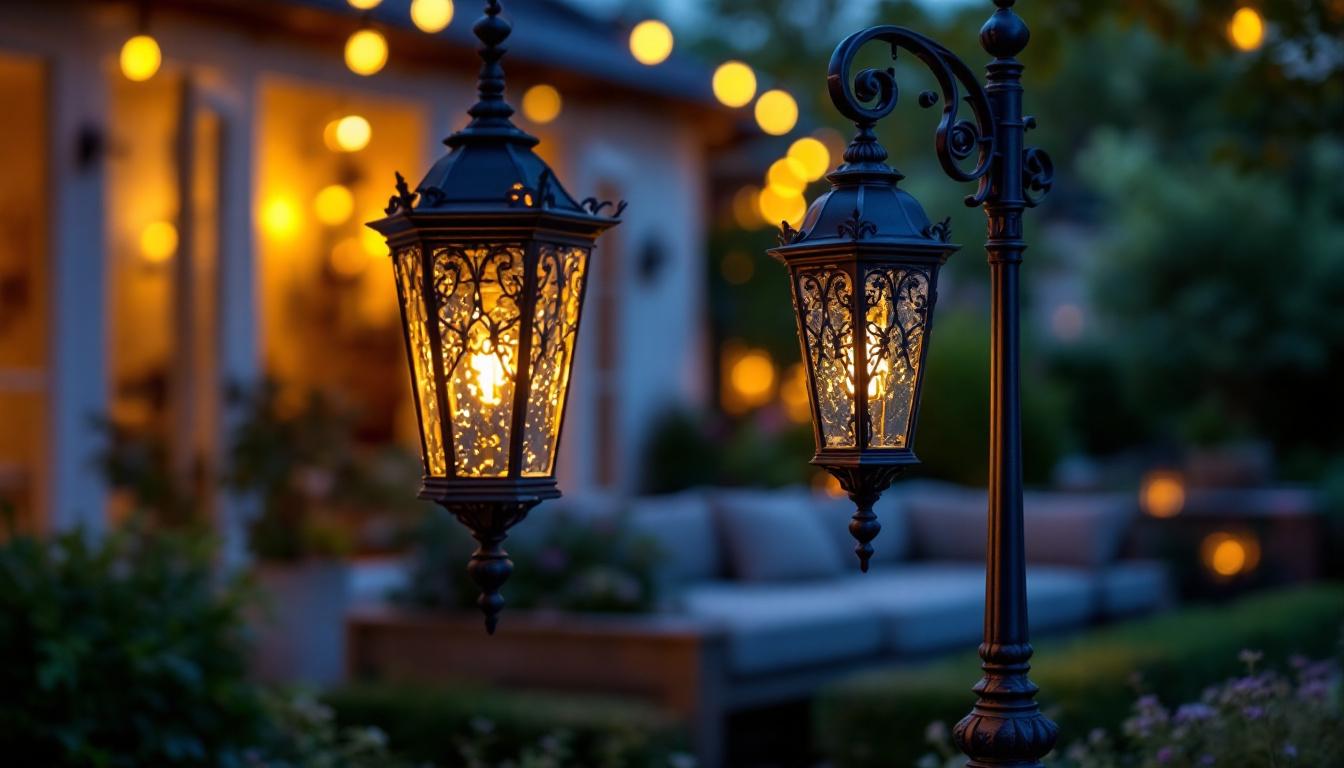
Cast iron outside lights have long been a staple in exterior lighting design, cherished for their durability and classic aesthetic. Their weighty, solid construction offers a sense of permanence that plastic or aluminum fixtures simply cannot match. For lighting contractors, this material choice often signals quality and longevity, making it a preferred option for many residential and commercial projects. The intricate designs often found in cast iron fixtures can add an element of sophistication to any outdoor space, enhancing the architectural features of homes and businesses alike. From ornate Victorian styles to sleek modern interpretations, the versatility of cast iron allows it to fit seamlessly into various design schemes.
Yet, despite their popularity, there are critical factors about cast iron fixtures that are frequently overlooked during specification, installation, and maintenance. These oversights can lead to premature failure, increased maintenance costs, and dissatisfied clients. Understanding the nuances of working with cast iron outside lights is essential for contractors aiming to deliver superior results. For instance, the natural tendency of cast iron to rust when exposed to moisture necessitates a thorough understanding of protective coatings and finishes that can extend the life of these fixtures. Regular maintenance, including cleaning and reapplying protective layers, is crucial to preserving their appearance and functionality over time. Additionally, the weight of cast iron can pose challenges during installation, requiring careful consideration of mounting techniques to ensure stability and safety.
Moreover, the energy efficiency of cast iron fixtures has evolved with advancements in lighting technology. Many modern cast iron designs now accommodate LED bulbs, which not only reduce energy consumption but also offer longer lifespans compared to traditional incandescent options. This integration of contemporary lighting solutions with classic materials allows homeowners and businesses to enjoy the best of both worlds: the timeless charm of cast iron paired with the efficiency and longevity of modern lighting technology. As contractors navigate this blend of old and new, they can provide clients with solutions that meet both aesthetic desires and practical needs, ultimately enhancing the overall value of the property.
Corrosion Resistance: The Hidden Challenge
Why Cast Iron Needs Extra Protection
Cast iron is inherently strong but highly susceptible to rust when exposed to moisture and outdoor elements. Unlike stainless steel or aluminum, cast iron requires protective coatings to prevent corrosion. Many contractors assume that the factory-applied paint or powder coating will suffice, but this is not always the case.
Environmental conditions such as coastal salt air, frequent rain, or high humidity accelerate the breakdown of protective layers. Without proper surface preparation and maintenance, rust can develop beneath the paint, causing unsightly flaking and structural weakening. This deterioration not only affects the aesthetic appeal of the fixtures but can also lead to costly replacements and repairs, making it essential for contractors to understand the long-term implications of corrosion on cast iron.
Moreover, the type of cast iron used can play a significant role in its corrosion resistance. For instance, ductile iron, which is more flexible and has better tensile strength than traditional cast iron, can also be treated with specialized coatings to enhance its durability against rust. Understanding these material properties allows contractors to make informed decisions about which type of cast iron is best suited for specific environmental conditions.
Best Practices for Corrosion Prevention
Lighting contractors should insist on high-quality powder coatings with rust-inhibitive primers when selecting cast iron fixtures. Additionally, specifying fixtures with sealed seams and gaskets can prevent moisture ingress. During installation, avoid damaging the coating, and consider applying an extra layer of protective paint if the environment is particularly harsh.
Regular maintenance schedules should include inspections for chipping or cracking paint, followed by touch-ups to maintain the protective barrier. Educating clients on these upkeep requirements can extend the life of cast iron outside lights significantly. Furthermore, incorporating a routine cleaning process, such as gentle washing with a mild detergent, can help remove any accumulated dirt or contaminants that may compromise the protective coatings. This proactive approach not only enhances the visual appeal of the fixtures but also reinforces their resistance to corrosion over time.
Additionally, contractors should be aware of the importance of proper drainage around cast iron installations. Ensuring that water does not pool around the base of fixtures can significantly reduce the risk of corrosion. Implementing landscaping strategies that promote water runoff or utilizing drainage systems can help mitigate moisture exposure, ultimately preserving the integrity of cast iron components in outdoor settings.
Weight and Installation Considerations
Handling the Heft of Cast Iron Fixtures
Cast iron’s density means these fixtures are considerably heavier than those made from other materials. This weight impacts shipping, handling, and installation logistics. Contractors often underestimate the need for additional manpower or specialized equipment to safely install these lights.
Improper handling can lead to damage not only to the fixture but also to mounting surfaces. For example, mounting a heavy cast iron light on a weak or improperly reinforced wall can cause structural issues over time.
Ensuring Secure Mounting and Longevity
Before installation, verify that the mounting surface can support the fixture’s weight. Reinforce walls or posts as necessary, using anchors or brackets rated for heavy loads. When mounting on wood or masonry, use corrosion-resistant fasteners to prevent rust stains and maintain structural integrity.
Contractors should also consider vibration and wind load factors, especially in exposed locations. Secure fastening reduces the risk of loosening or damage during storms.
Electrical Safety and Weatherproofing
Protecting Wiring in Cast Iron Fixtures
Cast iron’s thermal conductivity differs from lighter metals, which can affect internal wiring and fixture components. Heat buildup inside the fixture can accelerate the degradation of wiring insulation if not properly managed.
Ensure that all wiring is rated for outdoor use and that fixtures have adequate ventilation or heat dissipation features. Moisture intrusion is another concern; water inside a cast iron fixture can cause short circuits or corrosion of electrical parts.
Choosing the Right Seals and Gaskets
Many contractors overlook the importance of high-quality seals and gaskets when installing cast iron outside lights. These components are critical for keeping moisture and dust out of the fixture’s interior. Over time, gaskets can harden or crack, compromising the fixture’s weatherproofing.
Use silicone or neoprene gaskets designed for outdoor lighting. Inspect and replace them during routine maintenance to ensure continued protection. Properly sealed fixtures reduce electrical hazards and extend the lifespan of internal components.
Design and Aesthetic Integration
Matching Cast Iron Lights to Architectural Styles
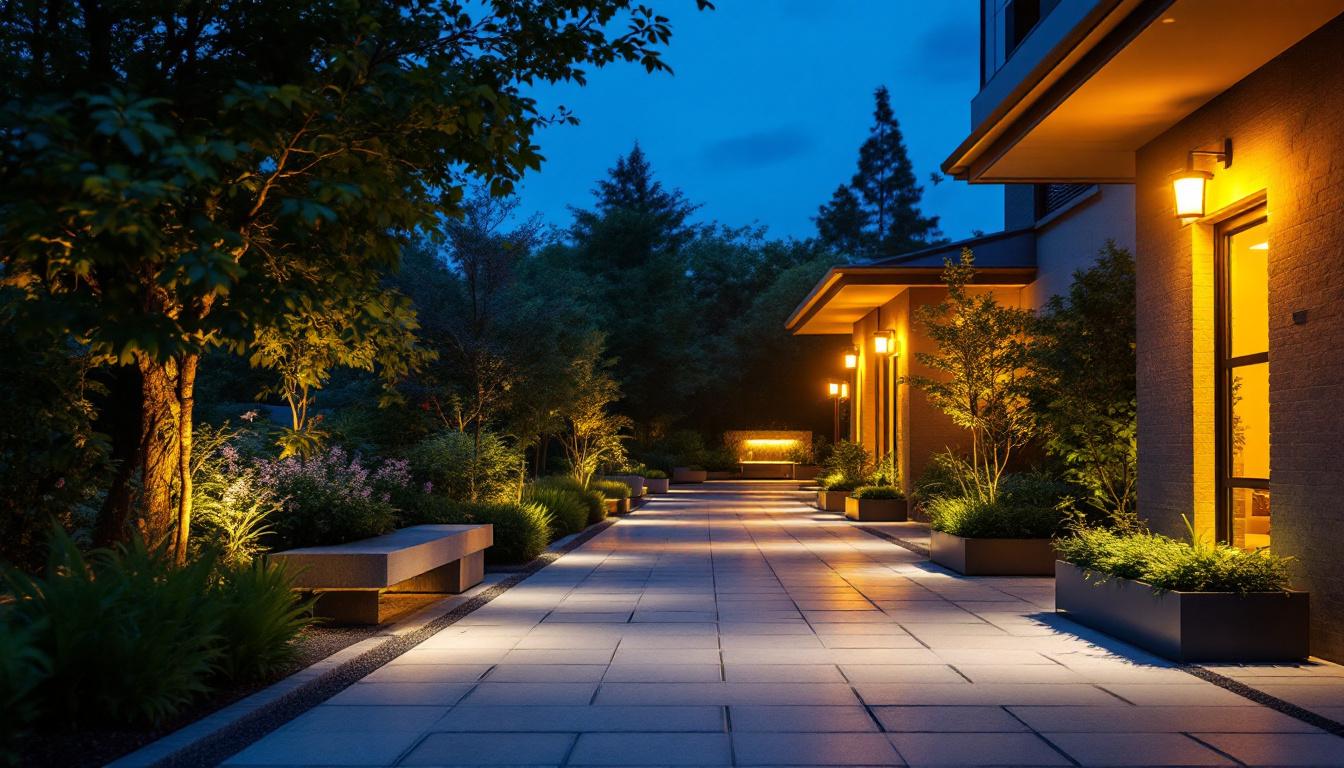
Cast iron outside lights excel in traditional, industrial, and historic architectural settings. Their ornate detailing and robust presence complement brick, stone, and wood facades beautifully. However, contractors sometimes specify these fixtures without considering the overall design harmony.
Choosing the right style, finish, and scale is crucial. Oversized or overly ornate fixtures can overwhelm a modern minimalist exterior, while too small or plain a fixture may look out of place on a grand historic building.
Finishes and Color Options
While black is the most common finish for cast iron lights, other options like bronze, copper patina, or custom colors can enhance curb appeal. Contractors should discuss finish options with clients, considering both aesthetic preferences and environmental factors that might affect finish longevity.
For example, a matte finish may hide dirt and weathering better than a glossy one, reducing maintenance frequency. Powder-coated finishes with UV inhibitors help prevent fading in sunny climates.
Maintenance and Longevity Strategies
Routine Inspections and Cleaning
Cast iron outside lights require periodic cleaning to remove dirt, grime, and pollutants that can degrade finishes. Use mild detergents and soft brushes to avoid damaging coatings. Avoid abrasive cleaners or tools that can scratch the surface and expose bare metal.
Inspect fixtures for signs of rust, loose fasteners, or damaged seals. Early detection of issues allows for timely repairs, preventing more extensive damage.
Repair and Restoration Techniques
When rust or paint damage occurs, contractors should strip affected areas back to bare metal, apply rust converters or primers, and repaint with appropriate outdoor coatings. This process restores both appearance and protective qualities.
For severely corroded fixtures, replacement may be more cost-effective than repair. Offering clients clear guidance on repair versus replacement helps manage expectations and budgets.
Environmental and Sustainability Considerations
Longevity as a Sustainable Choice
Cast iron’s durability means these fixtures often outlast alternatives, reducing the frequency of replacement and waste. From a sustainability perspective, specifying long-lasting materials aligns with green building practices.
However, the coatings and paints used must be environmentally friendly and comply with local regulations regarding volatile organic compounds (VOCs). Contractors should source fixtures and finishes that meet these standards to minimize environmental impact.
Recycling and End-of-Life Management
At the end of their service life, cast iron fixtures can be recycled, as cast iron is a highly recyclable material. Contractors should advise clients on proper disposal methods to ensure materials are reclaimed rather than sent to landfills.
Partnering with recycling facilities or scrap metal dealers can facilitate responsible end-of-life management for cast iron outside lights.
Conclusion: Mastering Cast Iron Outside Lights
Cast iron outside lights offer unmatched durability and aesthetic appeal but come with unique challenges that lighting contractors must address. From corrosion prevention and secure installation to electrical safety and maintenance, attention to detail is crucial.
By understanding and anticipating these factors, contractors can deliver installations that not only look impressive but also stand the test of time. Educating clients about maintenance and environmental considerations further enhances satisfaction and project success.
Ultimately, mastering the intricacies of cast iron outside lighting elevates a contractor’s expertise and reputation in the competitive exterior lighting market.
Illuminate Your Projects with LumenWholesale
Ready to enhance your exterior lighting projects with the enduring beauty of cast iron lights? At LumenWholesale, we provide lighting contractors with the highest quality, spec-grade lighting products at exceptional wholesale prices. Say goodbye to inflated markups and hello to a vast selection of reliable, high-performance lighting that meets the most rigorous industry standards. With free shipping on bulk orders, LumenWholesale is your go-to source for premium lighting solutions that combine quality, affordability, and convenience. Elevate your lighting installations and delight your clients by choosing Wholesale Lighting at the Best Value today.