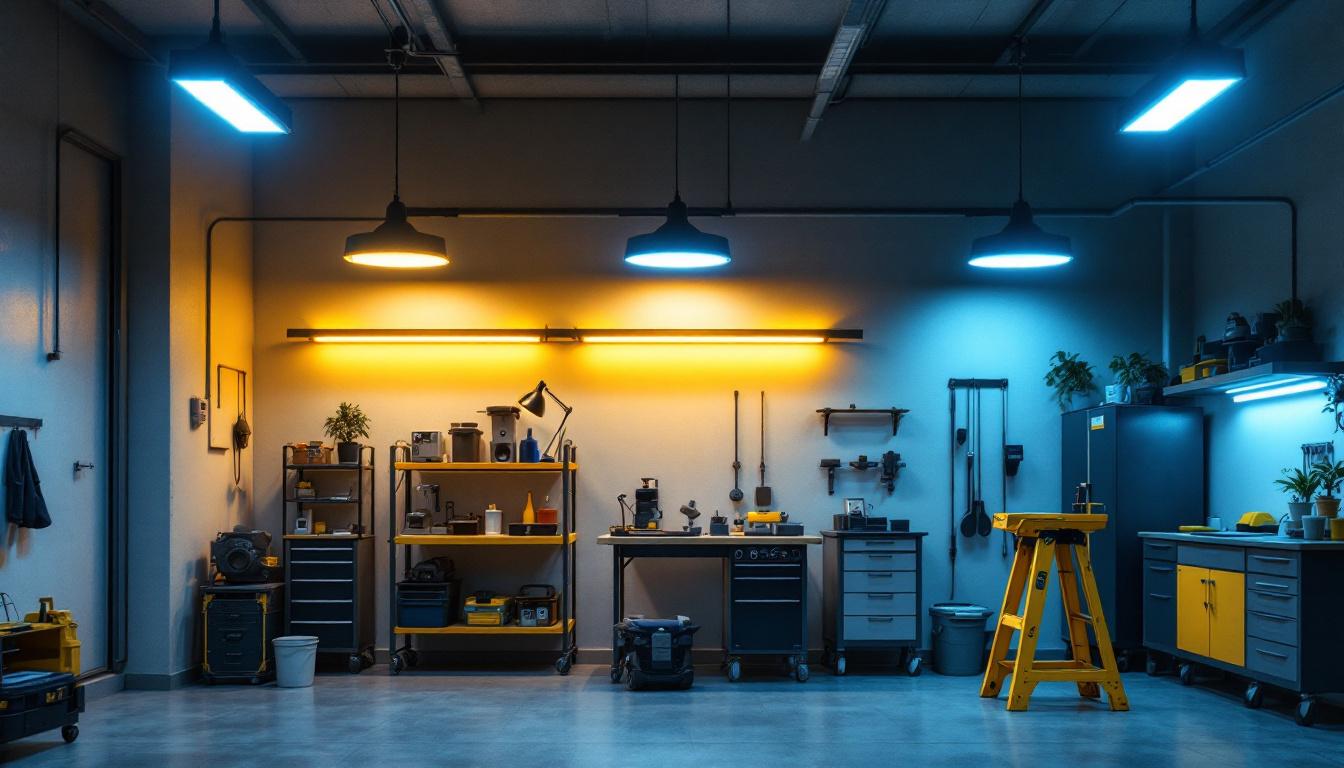
In the ever-evolving world of lighting solutions, canopy lighting has emerged as a vital component for various applications, ranging from gas stations to parking garages. As a lighting contractor, understanding the nuances of LED canopy lighting can significantly enhance project outcomes and client satisfaction. This article delves into essential hacks and insights that can elevate your expertise in this specialized area.
Understanding Canopy Lighting
Canopy lighting serves a dual purpose: it ensures safety and enhances visibility in areas where illumination is crucial. The design and functionality of these fixtures are tailored to withstand outdoor conditions while providing optimal lighting. As a contractor, grasping the fundamentals of canopy lighting is essential for effective installation and maintenance.
Types of Canopy Lighting Fixtures
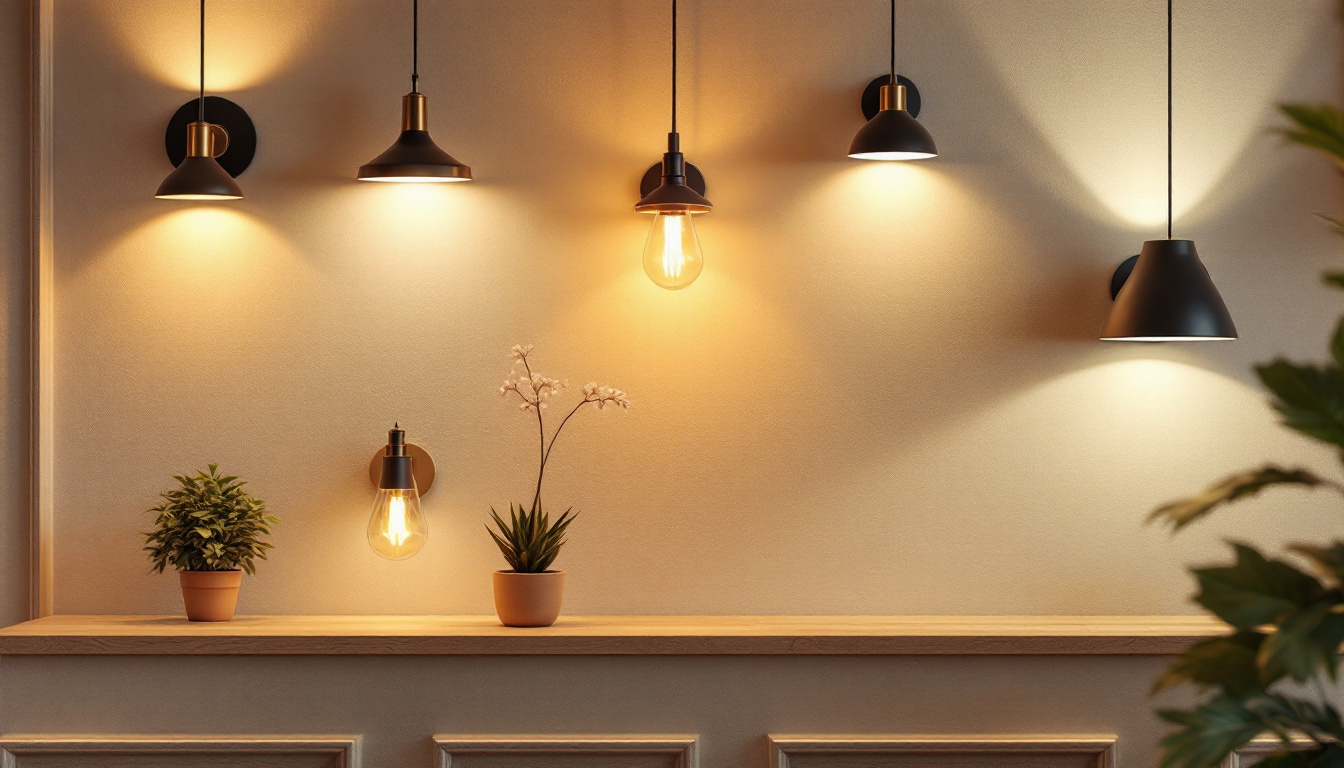
Canopy lighting fixtures come in various forms, each suited for specific applications. LED fixtures are particularly popular due to their energy efficiency and longevity. The most common types include recessed, surface-mounted, and pendant fixtures. Understanding the differences among these options allows contractors to recommend the best solution for each unique project.
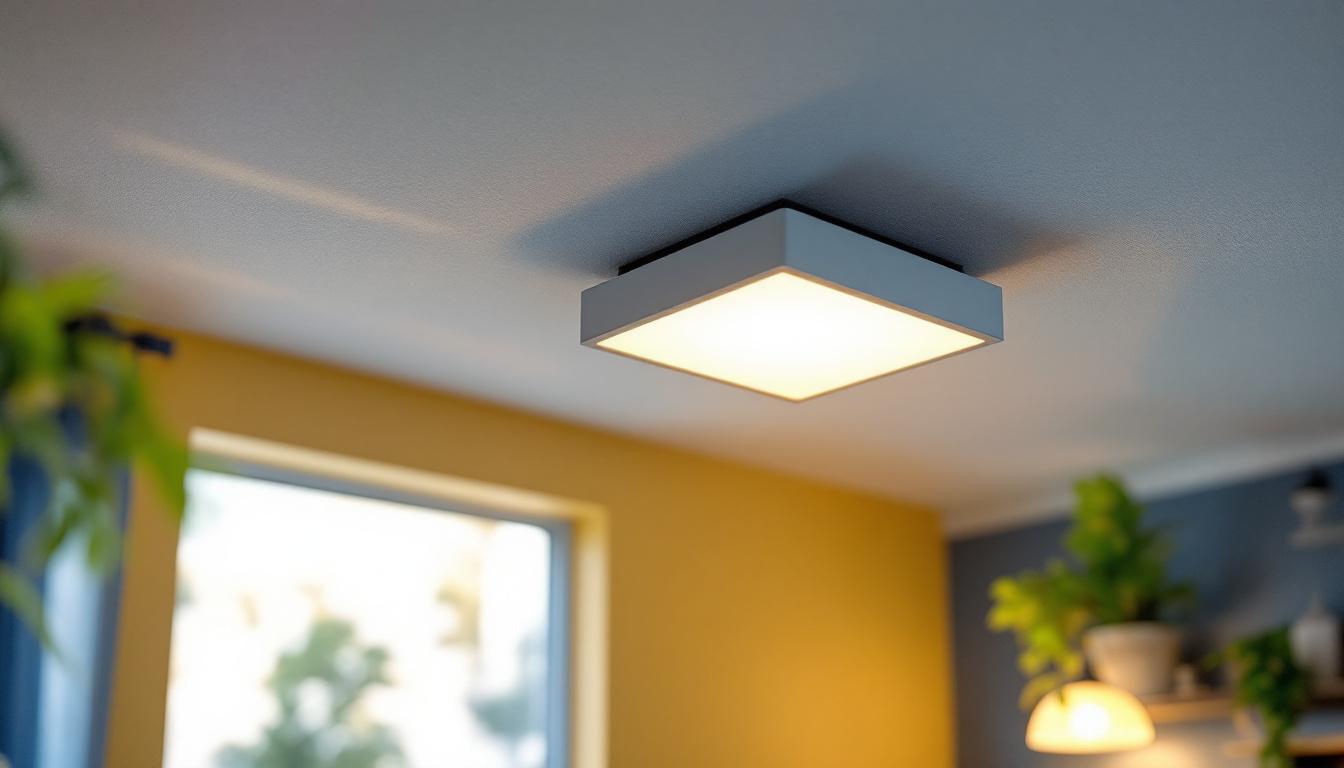
Recessed fixtures are often used in areas with low ceilings, providing a sleek look without protruding into the space. Surface-mounted fixtures, on the other hand, are versatile and can be installed in various locations, making them a favorite for outdoor canopies. Pendant fixtures add an aesthetic touch and are ideal for locations where design is as important as functionality. Additionally, there are also specialized fixtures designed for specific environments, such as weatherproof models for coastal areas or vandal-resistant options for high-risk locations, ensuring that contractors can meet diverse client needs.
Benefits of LED Canopy Lighting
LED technology has revolutionized the lighting industry, and canopy lighting is no exception. The benefits of using LED fixtures include lower energy consumption, reduced maintenance costs, and longer lifespans compared to traditional lighting options. This not only translates to cost savings for clients but also aligns with growing environmental concerns.
Moreover, LED canopy lights provide superior illumination quality, which is crucial for safety in high-traffic areas. Their ability to render colors accurately enhances visibility, making them an excellent choice for commercial applications. As a contractor, emphasizing these benefits can help in convincing clients to make the switch to LED solutions. Furthermore, many LED fixtures are now equipped with smart technology, allowing for features such as dimming capabilities and motion sensors, which can further enhance energy savings and provide customizable lighting solutions tailored to specific needs. This adaptability not only improves the user experience but also positions contractors as forward-thinking professionals in a rapidly evolving industry.
Installation Tips for Lighting Contractors
The installation process for canopy lighting can be straightforward, but attention to detail is crucial. Proper installation not only ensures optimal performance but also extends the lifespan of the fixtures. Here are some essential tips to consider during installation.
Planning the Layout
Before installation begins, a comprehensive lighting plan should be developed. This plan should take into account the specific requirements of the space, including the height of the canopy, the intended use of the area, and the desired brightness levels. Utilizing lighting design software can assist in visualizing the layout and ensuring even distribution of light.
It’s also important to consider the placement of fixtures in relation to potential obstacles, such as beams or signage. A well-thought-out layout minimizes shadows and enhances overall visibility, making the area safer for users. Furthermore, it’s advisable to conduct a site survey to assess existing light sources and their impact on the new installation. This can help in determining if additional fixtures are necessary or if adjustments to the existing setup are required for optimal performance.
Wiring and Electrical Considerations
When it comes to wiring, ensuring compliance with local electrical codes is paramount. This includes using the appropriate gauge wire and ensuring all connections are secure and weatherproof. For outdoor installations, using conduit can protect wiring from the elements, which is essential for maintaining the integrity of the lighting system.
Additionally, consider integrating smart technology into the wiring. Smart lighting systems allow for remote control and automation, providing clients with enhanced convenience and energy savings. As a contractor, being knowledgeable about these options can set you apart from competitors. Moreover, discussing energy-efficient LED options with clients can lead to significant cost savings over time, making the project more appealing and sustainable. Highlighting the long-term benefits of these technologies during consultations can help clients make informed decisions that align with their budget and environmental goals.
Testing and Quality Assurance
After installation, thorough testing is essential to ensure all fixtures are functioning correctly. This includes checking for uniform brightness, ensuring there are no flickering lights, and verifying that all connections are secure. A quality assurance check not only enhances client satisfaction but also reduces the likelihood of callbacks for repairs.
Documenting the testing process can also serve as a valuable reference for future maintenance or troubleshooting. Providing clients with a maintenance schedule and tips can further solidify your reputation as a reliable contractor. Additionally, offering a warranty on the installation can instill confidence in clients, assuring them that you stand by your work. Educating clients on the importance of regular maintenance, such as cleaning fixtures and checking for wear and tear, can help prolong the life of the lighting system and maintain its performance over time. This proactive approach not only enhances the client relationship but also positions you as a knowledgeable expert in the field.
Maintenance Best Practices
Regular maintenance is crucial for the longevity and performance of canopy lighting systems. Establishing a maintenance routine can prevent issues before they arise and ensure that clients are satisfied with their lighting solutions.
Routine Inspections
Scheduling routine inspections can help identify potential problems early on. During these inspections, check for signs of wear and tear, such as corrosion or loose connections. Cleaning fixtures to remove dirt and debris is also essential, as buildup can diminish light output and affect overall performance.
Encouraging clients to participate in these inspections can foster a sense of ownership over their lighting systems. Providing them with a checklist of what to look for can empower them to report issues promptly, ensuring that problems are addressed before they escalate.
Upgrading Technology
As technology continues to advance, staying updated on the latest innovations in canopy lighting is essential. Regularly assessing the lighting systems in place can reveal opportunities for upgrades, such as replacing older fixtures with newer, more efficient models or integrating smart controls.
Educating clients on the benefits of upgrading can lead to increased satisfaction and loyalty. Highlighting energy savings, improved performance, and enhanced features can make a compelling case for investing in modern lighting solutions.
Smart Lighting Solutions
The integration of smart technology into canopy lighting is transforming the way contractors approach installations. Smart lighting solutions not only enhance functionality but also provide clients with greater control over their lighting systems.
Benefits of Smart Lighting
Smart lighting offers numerous advantages, including remote control capabilities, automation, and energy monitoring. Clients can adjust brightness levels, set schedules, and even control their lighting from their smartphones. This level of convenience is becoming increasingly appealing in both residential and commercial settings.
Moreover, smart lighting systems can contribute to energy savings by allowing clients to optimize their usage patterns. For instance, lights can be programmed to dim during off-peak hours or turn off when the area is unoccupied. As a contractor, understanding these benefits can help you present smart solutions as a worthwhile investment.
Installation Considerations
When installing smart lighting systems, it’s essential to ensure compatibility between the fixtures and the smart controls. This may involve selecting specific brands or models that work seamlessly together. Additionally, educating clients on how to use the smart features can enhance their experience and satisfaction with the system.
Providing a demonstration of the smart controls during the final walkthrough can empower clients to take full advantage of their new lighting system. Offering ongoing support for troubleshooting can further establish trust and reliability in your services.
Future Trends in Canopy Lighting
As technology continues to evolve, staying ahead of trends in canopy lighting can give contractors a competitive edge. Understanding emerging technologies and design philosophies can lead to innovative solutions that meet client needs.
Energy Efficiency and Sustainability
Energy efficiency remains a top priority in the lighting industry. As regulations around energy consumption become stricter, contractors must stay informed about the latest energy-efficient products and practices. This includes understanding the benefits of LED technology and promoting sustainable practices in installations.
Incorporating renewable energy solutions, such as solar-powered canopy lights, can also appeal to environmentally conscious clients. Highlighting the long-term cost savings and environmental benefits can make these options more attractive.
Advancements in Design
Design trends in canopy lighting are shifting towards more aesthetically pleasing and customizable solutions. Contractors should be aware of the latest styles and finishes that appeal to clients looking for both functionality and design. Offering a range of options can cater to diverse client preferences.
Moreover, incorporating smart technology into the design process allows for more flexibility and creativity. Clients can choose fixtures that not only meet their lighting needs but also align with their overall design vision.
Conclusion
Canopy lighting is a critical aspect of modern lighting solutions, and understanding its intricacies can significantly benefit lighting contractors. From installation tips and maintenance best practices to embracing smart technology and future trends, there are numerous ways to enhance expertise in this field.
By staying informed and adapting to changes in technology and design, contractors can provide exceptional service and solutions that meet the evolving needs of their clients. Embracing these hacks and insights will not only improve project outcomes but also solidify a contractor’s reputation in the competitive lighting industry.
Illuminate Your Projects with LumenWholesale
Ready to elevate your canopy lighting projects with the finest LED solutions? Look no further than LumenWholesale, where we specialize in providing contractors with high-quality, specification-grade lighting products at unbeatable wholesale prices. Say goodbye to local distributor markups and hello to a vast selection of industry-standard lighting that promises reliability and high performance. With the convenience of free shipping on bulk orders, LumenWholesale is your go-to source for premium lighting at the best value. Don’t compromise on quality or cost—visit LumenWholesale today and discover the ideal blend of quality, affordability, and convenience for all your lighting needs.